
To wire a heat lamp, connect the hot wire to the contact in the center bottom of the socket, the neutral wire to the bevel wall the bulb screws into, and the ground wire to the metal lamp body. Ensure that you use a fixture designed to handle the high temperatures produced by heat lamps.
It is important to directly plug the heat lamp into an outlet, avoiding the use of extension cords. Additionally, all exposed wires should be twisted together and secured with a twist-on wire connection and electrical tape.

Credit: www.edn.com
Understanding Heat Lamps
To wire a heat lamp, make sure to connect the hot, neutral, and ground wires to the proper terminals. It is important to use a fixture designed for high temperatures and to plug the lamp directly into an outlet. Take precautions to prevent any fire hazards when using heat lamps.
How Do Heat Lamps Work?
A heat lamp is a device that produces infrared radiation, which is a form of electromagnetic radiation. When turned on, the heat lamp emits heat in the form of infrared rays. These rays penetrate the air and are absorbed by objects and surfaces, including the human body, heating them up.
Different Types Of Heat Lamps
There are several types of heat lamps available in the market, each serving different purposes. The most common types include:
- Infrared heat lamps: These lamps are used for heating large spaces or specific areas. They are commonly used in outdoor terraces, restaurants, and animal enclosures.
- Ceramic heat lamps: These lamps are popular for reptile enclosures and provide a safe and controlled heat source. They are also used for keeping food warm in restaurants and buffets.
- Heat lamp bulbs: These are regular incandescent light bulbs with a special coating that emits heat. They are commonly used in bathrooms and for warming small areas.
Important Safety Considerations For Heat Lamps
When working with heat lamps, it is crucial to prioritize safety. Here are some important safety considerations to keep in mind:
- Use heat lamps only in fixtures designed specifically for heat lamp use. Regular incandescent fixtures may not be suitable for the high temperatures generated by heat lamps, increasing the risk of malfunction or fire.
- Ensure that the electrical outlet you plug the heat lamp into is equipped with both ground fault (GFCI) and arc fault (AFCI) protection. This will reduce the risk of electrical accidents and potential fires.
- Do not use extension cords with heat lamps. Plug the heat lamp directly into a grounded outlet to prevent overheating and potential fire hazards.
- Regularly inspect the heat lamp for any signs of damage, such as cracks in the bulb or frayed wires. Replace the lamp immediately if any damage is detected.
- Keep the heat lamp away from any flammable materials, such as curtains, paper, or plastic. Maintain a safe distance of at least three feet between the heat lamp and any combustible objects.
- Never leave a heat lamp unattended. Always turn it off when not in use or when you leave the room to prevent accidental fires.
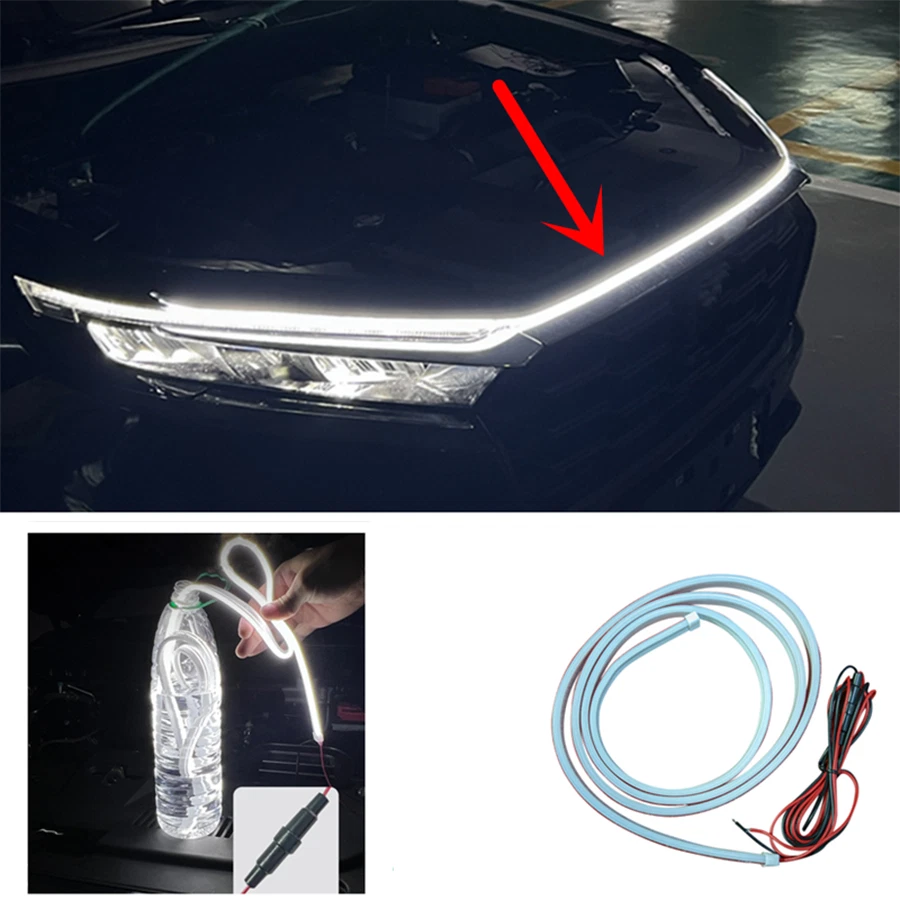
Credit: www.ebay.com
How to Safely Wire a Heat Lamp? The Art of Wiring
Wiring a heat lamp is a crucial step to ensure a safe and functional installation. Whether you are setting up a heat lamp for reptiles, plants, or other purposes, following proper wiring techniques is essential. In this guide, we will walk you through the process of wiring a heat lamp in a step-by-step manner. By the end, you will have all the knowledge you need to set up your heat lamp effectively.
Prepare The Electrical Connections
Before connecting the wires to the heat lamp fixture, it is important to prepare the electrical connections properly. Here’s what you need to do:
- Turn off the power: Ensure that the power supply to the area where you will be working is turned off. Safety should always be the top priority when working with electrical connections.
- Gather the necessary tools: You will need wire strippers, electrical tape, wire nuts, and a screwdriver.
- Strip the wires: Use wire strippers to carefully remove the insulation from the ends of the wires that will be connected.
- Identify the wires: Usually, heat lamps have two wires – one hot wire (usually black) and one neutral wire (usually white). Make sure you identify them correctly.
Connect The Wires To The Heat Lamp Fixture
Once you have prepared the electrical connections, it’s time to connect the wires to the heat lamp fixture. Follow these steps:
- Match the wires: Match the hot (black) wire from the heat lamp to the hot wire from your electrical supply. Similarly, match the neutral (white) wire to the neutral wire.
- Secure the connections: Use wire nuts to secure the connections between the heat lamp wires and the electrical supply wires. Make sure the nuts are tightened properly.
- Wrap with electrical tape: Once the connections are secured, wrap them with electrical tape for added protection and insulation.
Double-check And Secure The Connections
After you have connected the wires to the heat lamp fixture, it is crucial to double-check and secure the connections properly. Follow these steps:
- Visually inspect the connections: Look for any loose connections, exposed wires, or other signs of damage. If you notice any issues, fix them before proceeding further.
- Tighten the connections: Ensure that all wire nuts are tightened securely to prevent any accidental disconnections.
- Test the installation: Turn on the power supply and test the heat lamp to make sure it is functioning as expected. Monitor it for a while to ensure there are no overheating or electrical issues.
By following these steps, you can successfully wire a heat lamp and enjoy its benefits. Remember to prioritize safety and double-check your work to avoid any potential hazards. Now that you have learned how to wire a heat lamp, you can confidently proceed with the installation process.
Using A Thermostat With A Heat Lamp
If you want to have precise control over the temperature of your heat lamp, using a thermostat is the way to go. A thermostat allows you to set a specific temperature, and it will turn the heat lamp on and off as needed to maintain that temperature.
In this section, we will discuss the different types of thermostats suitable for heat lamps, how to connect the thermostat to the heat lamp wiring, and how to set up and program the thermostat for optimal performance.
Types Of Thermostats Suitable For Heat Lamps
There are two main types of thermostats suitable for controlling heat lamps: on/off thermostats and dimming thermostats.
An on/off thermostat can be used with any heat source, but they are best for use with ceramic bulbs or heat mats. They operate by turning the heat lamp on and off as the desired temperature is reached. However, it’s important to note that using an on/off thermostat with a light emitting heat bulb may shorten its lifespan.
Dimming thermostats, on the other hand, are the most popular and versatile choice for controlling heat lamps. They not only allow you to set a specific temperature but also provide the ability to adjust the brightness of the heat bulb. This is especially useful if you have specific lighting requirements for your setup.
| Thermostat Type | Best for |
|---|---|
| On/off thermostat | Ceramic bulbs or heat mats |
| Dimming thermostat | Universal use with temperature and lighting control |
Connecting The Thermostat To The Heat Lamp Wiring
To connect the thermostat to the heat lamp wiring, follow these steps:
- Turn off the power to the circuit where the heat lamp is installed.
- Identify the hot wire coming from the electrical panel and the wire leading to the heat lamp. Ensure each wire is properly grounded.
- Strip the insulation from the wire ends to expose the bare copper.
- Connect the hot wire from the electrical panel to the line terminal on the thermostat.
- Connect the wire leading to the heat lamp to the load terminal on the thermostat.
- Secure all connections with wire nuts and ensure they are tight.
- Mount the thermostat in a suitable location, preferably away from direct heat and moisture.
Setting Up And Programming The Thermostat
Once the thermostat is connected to the heat lamp wiring, you need to set up and program it according to your desired temperature settings. Here is a general guide on how to set up and program a thermostat:
- Refer to the manufacturer’s instructions for specific setup and programming steps.
- Turn on the power to the circuit.
- Set the desired temperature on the thermostat using the control buttons or digital interface.
- Program any additional settings such as temperature differentials or lighting control.
- Test the thermostat by observing if the heat lamp turns on and off as expected.
- Make any necessary adjustments to the temperature settings or programming as needed.
With a properly installed and programmed thermostat, you can ensure that your heat lamp operates at the desired temperature, providing optimal conditions for your plants, reptiles, or any other application.
Tips And Troubleshooting
To wire a heat lamp in your bathroom, twist the white wires from all cables together and connect them to the neutral terminal. Then, connect the black wires to the hot terminal and the ground wires to the ground terminal.
Finally, follow the specific instructions provided by the manufacturer for your heat lamp.
Tips and Troubleshooting Section Choosing the right heat lamp fixture
Choosing The Right Heat Lamp Fixture
When it comes to wiring a heat lamp, it is crucial to choose the right heat lamp fixture. Not all fixtures are designed to handle the high temperatures generated by heat lamps.
Using a regular incandescent lamp fixture can lead to malfunctions or even fire hazards. Look for fixtures that are specifically designed for heat lamps and ensure they are safety coated for added protection.
Common issues and how to troubleshoot them
Common Issues And How To Troubleshoot Them
During the wiring process, you might encounter some common issues with your heat lamp. Here are a few troubleshooting tips to help you overcome these problems:
Table of Common Issues and Troubleshooting Steps
| Issue | Troubleshooting Steps |
|---|---|
| The heat lamp doesn’t turn on |
|
| The heat lamp flickers or turns off intermittently |
|
| The heat lamp emits a burning smell |
|
Safety tips for using a heat lamp
Safety Tips For Using A Heat Lamp
Ensuring the safe usage of a heat lamp is crucial to avoid accidents or damage. Here are some important safety tips to keep in mind:
- Always plug your heat lamp directly into a grounded outlet, avoiding the use of extension cords.
- Use ground fault circuit interrupter (GFCI) and arc fault circuit interrupter (AFCI) outlets for added protection.
- Regularly check the wiring connections for any signs of damage or looseness.
- Keep flammable objects at a safe distance from the heat lamp to prevent fire hazards.
- Do not leave the heat lamp unattended and always switch it off when not in use.
End of Tips and Troubleshooting Section

Credit: www.amazon.com
Frequently Asked Questions Of How To Wire A Heat Lamp
Which Wire Goes Where On A Lamp?
Hot wire goes to the center bottom contact of the socket on a lamp, neutral wire goes to the bevel wall the base screws into, and the ground wire goes to the metal lamp body.
Can You Connect A Heat Lamp To A Thermostat?
Yes, you can connect a heat lamp to a thermostat to control the temperature. It is best to use on/off thermostats with ceramic bulbs or heat mats, but avoid using them with light emitting heat bulbs to extend their lifespan.
Dimming thermostats are the most versatile option.
Do Heat Lamps Need Special Fixtures?
Heat lamps do require special fixtures designed to handle their higher temperatures and prevent the risk of malfunction or fire. Some heat lamps may also have a safety coating for added protection.
What Do You Plug A Heat Lamp Into?
You plug a heat lamp directly into an outlet. It is important to use an outlet that is both ground fault (GFCI) and arc fault (AFCI) for safety purposes. Avoid using extension cords and take precautions to prevent any fire hazards.
Conclusion
To summarize, wiring a heat lamp is a simple process that involves connecting the hot, neutral, and ground wires to their respective terminals. It is important to use the proper fixtures designed for heat lamps and to plug them directly into an outlet, not an extension cord.
Additionally, using on/off or dimming thermostats can help regulate the temperature effectively. Remember to follow safety precautions and consult a professional if needed. Happy wiring!

I’m Emily Johnson, an affiliate marketer and blogger focused on lamps and lighting. I share honest reviews, simple buying guides, and practical tips. My goal is to help readers choose the right lamp for their space, style, and budget with confidence.