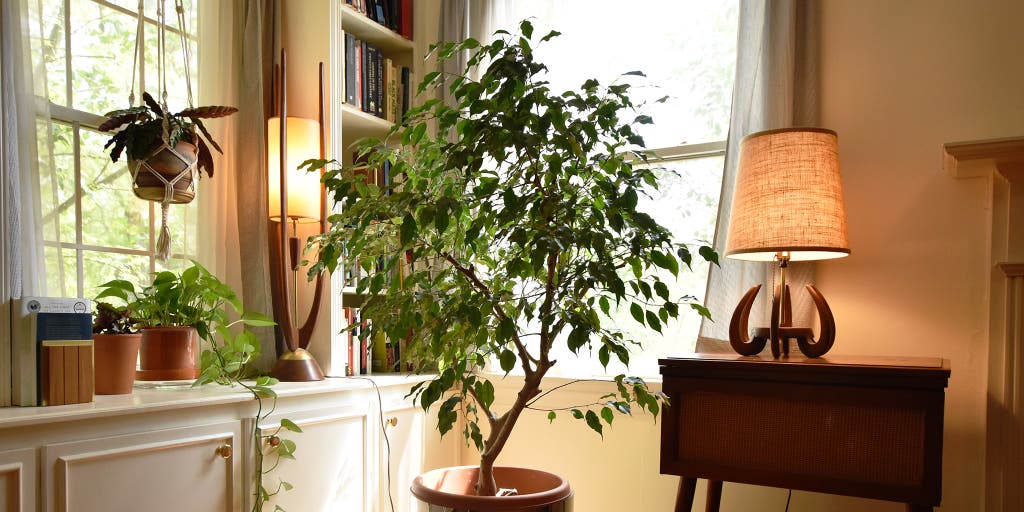
Yes, oil lamps can be used indoors, but it is important to take proper safety precautions. Using oil lamps indoors can provide a warm and cozy atmosphere, and they can be a helpful backup lighting source during power outages.
However, it is crucial to ensure proper ventilation and avoid any risks of fire hazards. Always place the oil lamp on a secure and stable surface, away from any flammable materials. Regularly inspect the lamp for any damages and leaks, and use high-quality lamp oil.
By following these safety measures, you can enjoy the beauty and functionality of oil lamps indoors.
Understanding Oil Lamps
What Are Oil Lamps?
Oil lamps are a type of lighting device that uses oil as fuel to produce light. They have been used for centuries as a reliable source of illumination, especially before the invention of electricity. Oil lamps consist of a container to hold the fuel, a wick that draws the oil up, and a flame that burns the oil to create light. They are designed to be portable and can be used both indoors and outdoors.
Types Of Oil Lamps
There are several types of oil lamps available, each with its own unique design and functionality. These include:
- Open Flame Lamps: These are the most basic type of oil lamps, consisting of a container, a wick, and an open flame. They provide a warm and cozy ambiance and are often used for decorative purposes.
- Tubular Lamps: Also known as Argand or hurricane lamps, these oil lamps have a glass chimney that surrounds the flame. The chimney helps protect the flame from wind and increases the brightness of the light. They are commonly used during power outages or in areas with unreliable electricity supply.
- Aladdin Lamps: Aladdin lamps are designed to produce a brighter and more intense light compared to other oil lamps. They use a mantle instead of a traditional wick, which allows for a more efficient combustion of the fuel. Aladdin lamps are often used for task lighting or in situations where a brighter light is required.
- Carriage Lamps: Carriage lamps are decorative oil lamps that are designed to resemble the lamps used on horse-drawn carriages. They typically have a metal frame with glass panels and can be used both indoors and outdoors to add a touch of vintage elegance.
These are just a few examples of the various types of oil lamps available. The type of oil lamp you choose depends on your personal preferences and the specific purpose you have in mind.

Credit: www.amazon.com
Safety Concerns
Oil lamps can pose safety concerns when used indoors. While they provide a warm glow and vintage ambiance, the open flame and smoke emissions can increase the risk of fire hazards and poor indoor air quality. It is crucial to follow safety guidelines and consider alternative lighting options for indoor use.
Risk Of Fire
Using oil lamps indoors poses a significant risk of fire due to the open flame. While oil lamps can provide a warm and cozy ambiance, it is essential to exercise caution and follow safety guidelines. The following precautions can help minimize the risk of fire:
1. Placement:
Ensure that oil lamps are placed on a stable surface, such as a flat table or shelf, away from any combustible materials. Avoid placing them near curtains, paper, or any other flammable objects that can easily catch fire.
2. Ventilation:
Adequate ventilation is crucial when using oil lamps indoors to prevent the buildup of excessive heat and fumes. Make sure there is enough fresh air circulation in the room to avoid any potential hazards.
3. Never leave unattended:
It is vital never to leave oil lamps unattended, even for a short period. Accidents can happen unexpectedly, and a moment of carelessness may lead to disastrous consequences.
4. Keep away from children and pets:
Children and pets may unknowingly knock over an oil lamp, causing a fire hazard. To prevent accidents, keep oil lamps out of their reach or in areas where they cannot easily be overturned.
Carbon Monoxide Poisoning
Aside from the risk of fire, another concern when using oil lamps indoors is the potential for carbon monoxide poisoning. Carbon monoxide is a colorless, odorless gas that can be harmful to human health. Here are some precautions to reduce the risk of carbon monoxide poisoning:
1. Proper ventilation:
As mentioned earlier, proper ventilation is essential to avoid the buildup of carbon monoxide. Ensure that there is sufficient airflow in the room, especially if you are using multiple oil lamps simultaneously.
2. Use in well-ventilated areas:
Oil lamps should only be used in well-ventilated areas to allow any emitted carbon monoxide to dissipate. Avoid using them in small enclosed spaces without ventilation, such as closets or bathrooms.
3. Regular maintenance:
Oil lamps should be regularly inspected and maintained to ensure they are functioning properly. Any leaks or cracks in the lamp can potentially release carbon monoxide into the air, so it is important to fix any issues promptly.
4. Carbon monoxide detectors:
Installing carbon monoxide detectors in your home can provide an extra layer of safety. These detectors will alert you if there is an accumulation of carbon monoxide in the air, giving you ample time to take necessary actions.
By following these safety precautions and being mindful of the risks associated with using oil lamps indoors, you can enjoy the cozy ambiance they provide while keeping your home and loved ones safe. Remember to prioritize safety at all times to enjoy the benefits of oil lamps without any unwanted incidents.
Proper Use Of Oil Lamps Indoors
Oil lamps can be a great source of indoor lighting if used properly. They provide a warm and cozy atmosphere, but it’s important to follow safety precautions such as proper ventilation, keeping flammable objects away, and using the right kind of lamp oil to prevent accidents.
Choosing The Right Fuel
When it comes to using oil lamps indoors, one of the crucial factors to consider is choosing the right fuel. It is important to opt for a fuel that is specifically designed for indoor use, as some fuels may release harmful fumes or produce excessive smoke. Always use clean, clear, and odorless fuels that are intended for indoor use.
Common fuel options for indoor oil lamps include:
| Fuel Type | Pros | Cons |
|---|---|---|
| Paraffin Oil | Produces bright light | May emit a faint odor |
| Lamp Oil | Long-lasting burn time | More expensive |
| Kerosene | Readily available | Can emit a strong odor and smoke if not pure |
Ventilation And Airflow
Proper ventilation is essential when using oil lamps indoors. Without adequate airflow, the combustion process can be hindered, leading to the accumulation of harmful carbon monoxide gas. To ensure proper ventilation, pay attention to the following:
- Place the oil lamp in an area with good airflow, such as near a window or vent.
- Avoid using oil lamps in small, enclosed spaces where ventilation is limited.
- Consider using a portable fan to improve air circulation in the room.
- Never use oil lamps in rooms without windows or proper ventilation.
Tips For Safe Use
Using oil lamps indoors requires careful attention to safety. Here are some important tips to keep in mind:
- Keep the oil lamp out of reach of children and pets to prevent accidents.
- Always place the oil lamp on a stable and non-flammable surface to prevent tipping over.
- Do not leave the oil lamp unattended while it is lit.
- Regularly check the wick for wear and replace it if necessary.
- Have a fire extinguisher nearby in case of emergencies.
- Ensure that the lamp is completely extinguished before refilling the fuel.
By adhering to these safety guidelines and making informed choices about fuel and ventilation, you can safely enjoy the warm, cozy glow of oil lamps indoors.

Credit: www.pcmag.com
Alternatives To Oil Lamps
When it comes to lighting up your home, there are several alternatives to oil lamps that are safe, convenient, and can still provide a warm and cozy atmosphere. In this section, we will explore two popular alternatives: electric light sources and battery-powered lanterns.
Electric Light Sources
Electric light sources are a common and reliable alternative to oil lamps. These lights are powered by electricity and come in a range of options to suit different indoor lighting needs. Here are a few popular electric light sources you can consider:
- LED Bulbs: LED bulbs are energy-efficient and long-lasting, making them a cost-effective option for indoor lighting. They are available in various wattages and color temperatures to create the desired ambience in your home. LED bulbs are also versatile and can be used in various fixtures, such as ceiling lights, table lamps, and floor lamps.
- Halogen Bulbs: Halogen bulbs produce a bright and clear light that closely resembles natural daylight. They are often used in task lighting fixtures, such as track lighting or desk lamps, as they provide focused illumination. Halogen bulbs are known for their high color rendering index (CRI), which means they accurately display colors.
- Fluorescent Lights: Fluorescent lights are energy-efficient and have a longer lifespan compared to traditional incandescent bulbs. They come in different shapes and sizes, including tubes and compact fluorescent lamps (CFLs). Fluorescent lights are commonly used in ceiling fixtures and can be an excellent choice for lighting larger indoor spaces.
Battery-powered Lanterns
If you’re looking for a portable lighting option that doesn’t require a direct power source, battery-powered lanterns are a great choice. These lanterns are compact, easy to use, and perfect for both indoor and outdoor settings. Here are some reasons why battery-powered lanterns can be a suitable alternative to oil lamps:
- Portability: Battery-powered lanterns are lightweight and portable, allowing you to easily carry them from room to room or take them on camping trips or outdoor events.
- Adjustable Brightness: Many battery-powered lanterns come with adjustable brightness settings, giving you control over the level of light emitted. This feature allows you to create the perfect ambiance for different activities or moods.
- Long Battery Life: Modern battery-powered lanterns are designed to provide long-lasting illumination. They often use LED technology, which consumes less power and allows the batteries to last for extended periods.
- Durable and Safe: Battery-powered lanterns are typically designed to be durable and safe for indoor use. They do not produce smoke or release harmful emissions, making them a clean and hassle-free lighting solution.
By exploring alternatives such as electric light sources and battery-powered lanterns, you can find suitable options to replace oil lamps in your indoor spaces. Whether you prefer the convenience of electric lights or the portability of lanterns, these alternatives offer efficient and safe ways to illuminate your home.

Credit: www.amazon.com
Frequently Asked Questions Of Can You Use Oil Lamps Indoors
Can You Use Oil Lamps Indoors Without Ventilation?
Yes, oil lamps can be used indoors without ventilation as long as they are properly maintained and monitored.
Are Oil Lamps Safe To Use Indoors?
Oil lamps are generally safe to use indoors as long as they are used responsibly and proper safety precautions are followed.
Do Oil Lamps Produce Harmful Fumes?
While oil lamps do produce fumes, the amount is minimal and generally not harmful when used in a well-ventilated space.
How Long Do Oil Lamps Burn?
The burn time of oil lamps varies depending on factors such as the size of the lamp and the amount of oil used, but they can typically burn for several hours.
Conclusion
Oil lamps can provide a cozy and nostalgic ambiance indoors. They can be a safe alternative to candles when used responsibly, but proper precautions and maintenance are essential to ensure safety.
By following manufacturer instructions and using suitable fuel, oil lamps can be enjoyed for their decorative and functional purposes.
However, it is important to consider factors such as ventilation and fire safety measures before using oil lamps indoors.

I’m Emily Johnson, an affiliate marketer and blogger focused on lamps and lighting. I share honest reviews, simple buying guides, and practical tips. My goal is to help readers choose the right lamp for their space, style, and budget with confidence.