
Oil lamp wicks are typically made of cotton or other natural fibers. Oil lamp wicks are commonly crafted from cotton or other natural fibers.
These materials possess the necessary properties to effectively draw up the oil and provide a steady, consistent flame. The wick serves as the fuel delivery system for the lamp, absorbing the oil and releasing it through combustion. Cotton wicks are a popular choice for oil lamps due to their ability to hold oil and withstand high temperatures.
Other natural fibers, such as hemp or flax, can also be used for wicks. The choice of wick material depends on the specific requirements of the lamp and the desired performance. We will delve deeper into the composition and characteristics of oil lamp wicks, exploring their functionality and the importance of selecting the right type of wick for optimum lamp performance.

Credit: 4thegreatergood.com
History Of Oil Lamps
Oil lamps have a fascinating history that extends back thousands of years. These ancient sources of light not only provided illumination but also held symbolic significance in various cultures. Understanding the history of oil lamps can give us insights into the development of human civilization and the innovative ways our ancestors solved the problem of lighting.
Ancient Origins
The origins of oil lamps trace back to ancient times, where they were born out of necessity. The earliest known oil lamps date back to around 4500 BCE and were made from natural materials such as seashells, hollowed-out stones, or clay. These early lamps used crude wicks made from materials such as moss or papyrus.
The use of oil lamps spread throughout ancient civilizations, including Ancient Greece, Rome, and Egypt. In these societies, oil lamps played important roles in religious practices, as well as in daily life. They symbolized enlightenment, purity, and spiritual connection.
Development Of Oil Lamp Wicks
The development of oil lamp wicks was a significant milestone in the history of oil lamps. Early wicks were made from plant materials such as cotton, flax, or hemp. These natural fibers were twisted or braided together to create a porous wick that could soak up the oil and provide a controlled flame.
Over time, the craftsmanship of wicks improved, allowing for better control of the flame and longer burning time. In the medieval period, wicks began to be coated with salt or alum to enhance their burning properties. This allowed for a more efficient and consistent source of light.
The Industrial Revolution brought further advancements in wick technology. The introduction of cotton spinning and weaving machinery allowed for the production of finer wicks. Manufacturers started experimenting with different materials such as asbestos, glass fibers, and even metal filaments to create more durable and efficient wicks.
Today, most oil lamp wicks are made from cotton or fiberglass, offering a balance between functionality and safety. These modern wicks have been optimized to produce a reliable and steady flame, ensuring that oil lamps continue to be used for both practical and decorative purposes.
The history of oil lamps is a testament to humanity’s ingenuity and creativity. From simple early designs made from natural materials to the development of advanced wick technologies, oil lamps have undergone remarkable transformations throughout history. By understanding the ancient origins and the evolution of oil lamp wicks, we can appreciate the artistry and innovation that has shaped the lighting devices we use today.
Types of Oil Lamp Wicks
An oil lamp is a simple yet captivating source of light that has been used for centuries. While the design and materials of the lamp may vary, one component that remains constant is the wick. The wick plays a vital role in the functioning of the lamp, allowing the oil to be drawn up and burned steadily. Understanding the different types of oil lamp wicks available can help you choose the most suitable option for your lamp.
Cotton Wicks
Cotton wicks are the most commonly used type of wicks in oil lamps. They are favored for their affordability, ease of use, and efficient burning capabilities. Cotton wicks are made from natural cotton fibers, which are twisted or braided to create a sturdy and absorbent wick.
These wicks are known for their ability to draw up oil efficiently, providing a steady and bright flame. They are available in various thicknesses, allowing you to choose the wick that suits your lamp’s size and oil consumption rate.
Linen Wicks
Linen wicks are a premium option for oil lamps. Made from flax fibers, linen wicks offer exceptional durability and burn time. They are slightly more expensive than cotton wicks but are renowned for their high-quality performance.
Linen wicks deliver a clean and long-lasting flame, making them popular among serious oil lamp enthusiasts. These wicks are also known for their resistance to charring, reducing the need for frequent trimming and maintenance.
Other Materials Used
While cotton and linen are the most commonly used materials for oil lamp wicks, other natural and synthetic materials can also be used. Some alternatives include hemp, jute, and fiberglass wicks.
Hemp wicks, similar to cotton wicks, offer good oil absorption capabilities. They are stronger and more heat resistant, making them suitable for lamps that require a higher burning temperature.
Jute wicks, on the other hand, are typically used in oil lamps that require a lower burning temperature. They are affordable and provide a good balance between oil absorption and flame stability.
Fiberglass wicks offer the advantage of being reusable and long-lasting. They do not burn or degrade easily, making them ideal for oil lamps that are used frequently. Fiberglass wicks also have a high tolerance for various types of lamp oils.
Choosing the right wick material for your oil lamp is essential for a reliable and efficient light source. Cotton wicks offer affordability and ease of use, while linen wicks provide a premium and long-lasting flame.
Other materials like hemp, jute, and fiberglass offer specific advantages based on your lamp’s requirements. Understanding the diverse options available helps you make an informed decision that ensures your oil lamp burns bright for many nights to come.
Factors Influencing Wick Material Selection
Factors influencing wick material selection for oil lamps include burn rate, durability, and capillary action. Different materials, such as cotton, fiberglass or hemp, offer varying performance and lifespan, allowing users to choose based on their specific needs.
Factors Influencing Wick Material Selection When it comes to oil lamps, the wick plays a crucial role in ensuring a steady and efficient flame. Wick material selection is influenced by several factors such as the type of fuel, burn time, and flame intensity.
Each of these factors impacts the performance and longevity of the wick. In this section, we will explore these factors in detail and how they influence the choice of wick material.
Fuel Type
The type of fuel used in an oil lamp is a significant factor in determining the ideal wick material. Different fuels have varying properties, including viscosity and volatility, which directly affect the wick’s ability to draw the fuel up and provide a consistent flame. Here are some common fuel types and their corresponding wick materials:
- Kerosene: Kerosene, being a popular fuel choice for oil lamps, requires a wick that is capable of handling its high viscosity. Cotton wicks are widely used for kerosene lamps due to their ability to absorb and distribute the fuel effectively.
- Lamp oil/paraffin oil: Lamp oil, also known as paraffin oil, is a less viscous alternative to kerosene. While cotton wicks can still work well with lamp oil, fiberglass wicks are often preferred due to their higher temperature tolerance and wicking efficiency.
Burn Time
The burn time of an oil lamp refers to the duration for which the lamp can continuously burn fuel before it needs to be refilled. Longer burn times require wicks that can sustain a steady flame for extended periods. Here are two different approaches to wick material selection based on burn time:
- Short burn time: For oil lamps intended for short burn times, such as decorative purposes or occasional use, cotton wicks are a popular choice. They are affordable, easily replaceable, and provide sufficient flame intensity for these applications.
- Long burn times: Oil lamps designed for longer burn times, such as emergency lighting or outdoor use, require more durable wicks. Fiberglass wicks, known for their longevity and resistance to fraying, are well-suited to such lamps.
Flame Intensity
The intensity of the flame produced by an oil lamp determines its brightness and heat output. The wick material has a significant impact on flame intensity. Here are some wick materials and their influence on flame intensity:
- Cotton wicks: Cotton wicks typically produce a softer flame with a lower intensity. They are ideal for creating a cozy and ambient atmosphere without overwhelming brightness.
- Fiberglass wicks: Fiberglass wicks, on the other hand, are capable of producing a brighter and more intense flame. This makes them suitable for applications where higher illumination levels are desired, such as reading or outdoor activities.
In conclusion, the choice of wick material for oil lamps is influenced by factors such as fuel type, burn time, and flame intensity.
Understanding the relationship between these factors and wick material selection enables users to optimize the performance and functionality of their oil lamps.
Whether you are seeking a soft and cozy glow or a bright and intense flame, selecting the right wick material is key to achieving the desired results. 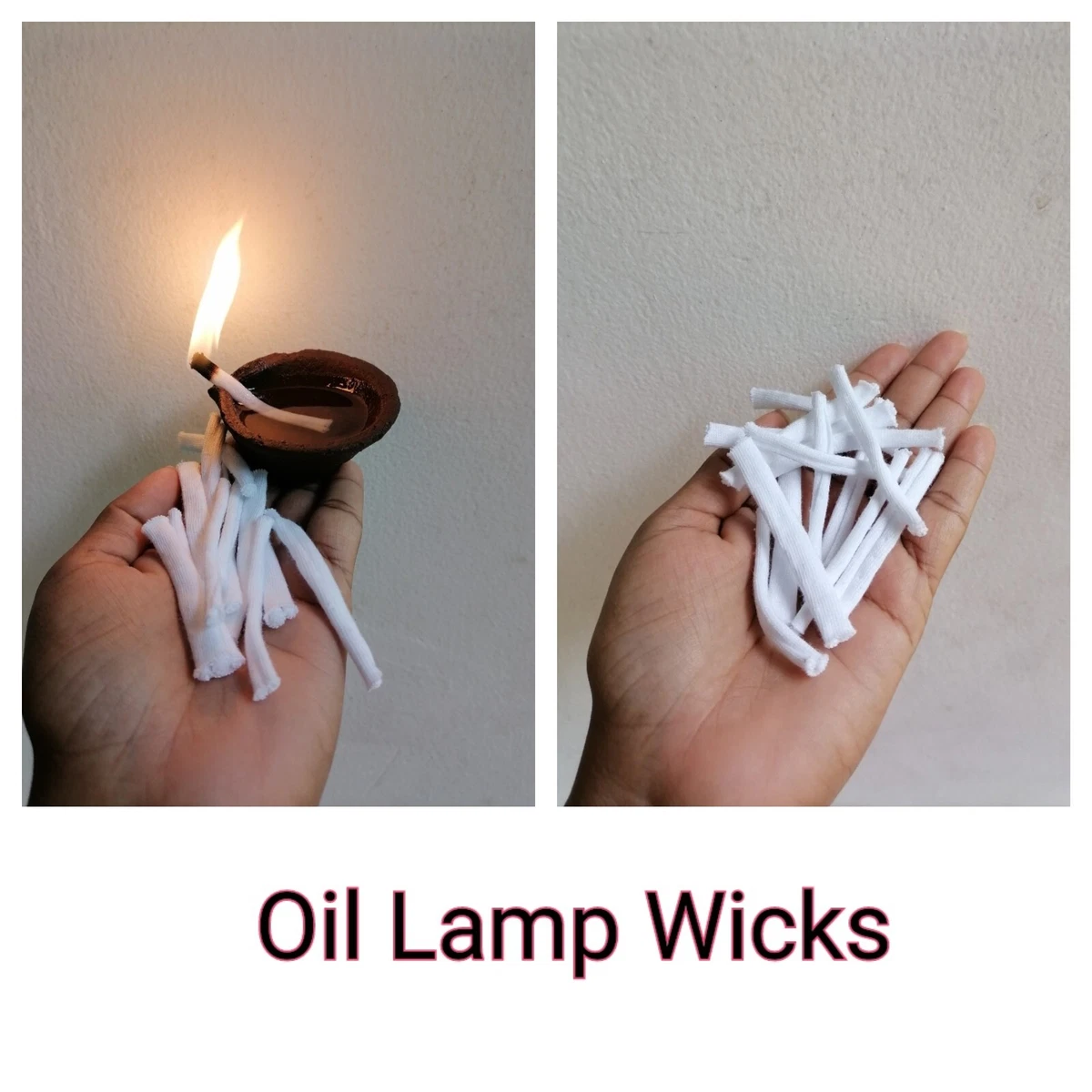
Credit: www.ebay.com
Care and Maintenance of Oil Lamp Wicks
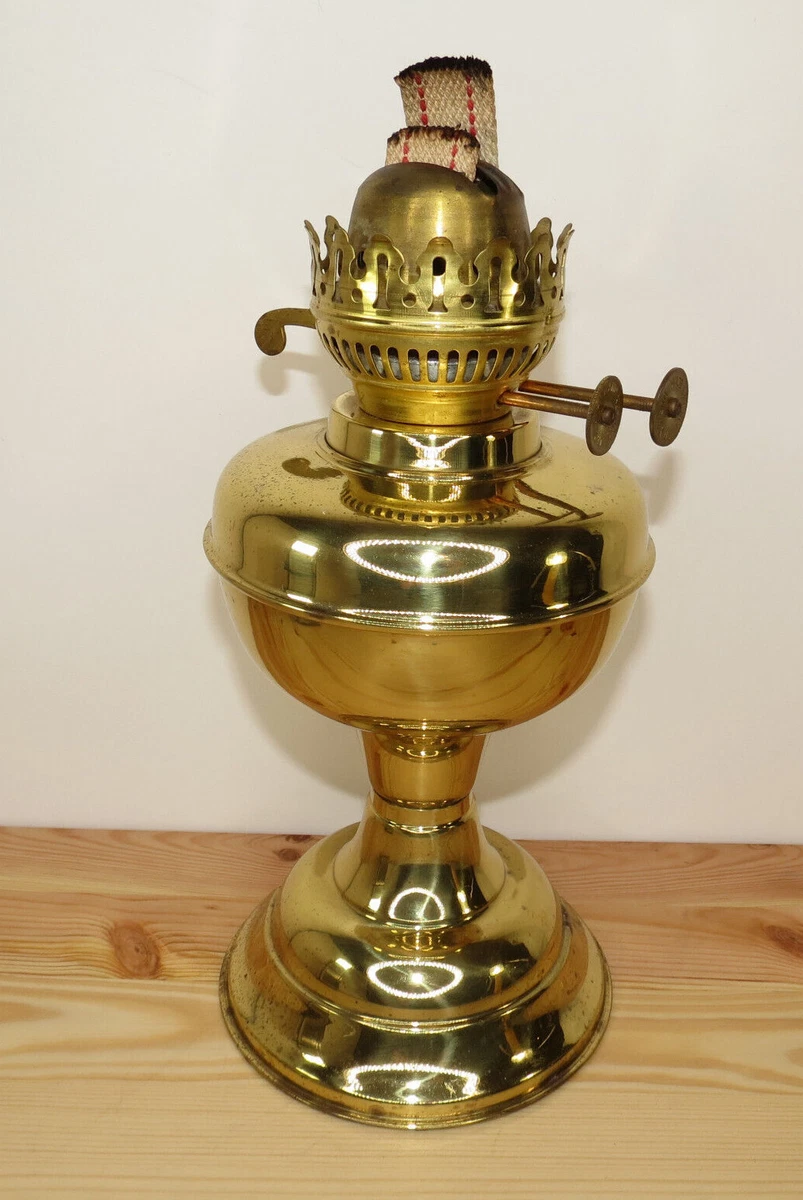
The care and maintenance of oil lamp wicks is essential to ensure optimal performance and longevity of your oil lamps. By following a few simple steps and utilizing the right techniques, you can keep your oil lamp wicks in great condition and enjoy a steady and reliable source of light. In this section, we will explore the importance of regular trimming and the various cleaning methods that can be used to keep oil lamp wicks clean and efficient.
Regular Trimming
Regular trimming of oil lamp wicks is crucial for maintaining the quality of the flame and preventing excessive soot and smoke. Trimming the wick helps to remove any charred or carbonized portions that can hinder the wick’s ability to draw oil efficiently. To properly trim your oil lamp wick:
- Make sure the lamp is extinguished and cool to the touch.
- Gently pull the wick up until it protrudes slightly from the top of the burner.
- Using a pair of sharp scissors or a wick trimmer, carefully cut off the charred portion of the wick, making sure to leave about ¼ inch of the wick above the burner.
- Dispose of the trimmed wick material appropriately.
Regular trimming of oil lamp wicks helps to prevent unnecessary smoke, reduces soot buildup, and promotes a clean and steady flame.
Cleaning Methods
Keeping oil lamp wicks clean is essential for optimal performance. Over time, wicks can become clogged with debris, limiting their ability to draw oil properly. Here are a few effective cleaning methods to keep your oil lamp wicks in top shape:
- Method 1: Soaking in Vinegar
Fill a container with white vinegar and soak in the wick for a few hours or overnight. The vinegar will help dissolve any oil or residue built up on the wick. After soaking, gently rinse the wick with water and allow it to dry completely before reusing. - Method 2: Boiling in Saltwater
Prepare a pot of saltwater by adding 1 tablespoon of salt per quart of water. Submerge the wick in the pot and bring the water to a boil. Boil the wick for around 10 minutes to remove any accumulated dirt or residue. Once boiled, carefully remove the wick and let it dry completely before using it again. - Method 3: Using a Wick Cleaner
Wick cleaners are specially designed tools that can effectively remove debris and residue from the wick’s surface. Simply insert the wick cleaner into the wick’s opening and move it up and down several times. This action will help dislodge any trapped particles, keeping the wick clean and allowing for optimal oil uptake.
By regularly cleaning your oil lamp wicks using these methods, you can ensure a clean and efficient burn, preventing issues such as reduced brightness, excessive smoke, and uneven flame.
Credit: www.ebay.com
Frequently Asked Questions On What Are Oil Lamp Wicks Made Of
What Are Oil Lamp Wicks Made Of?
Oil lamp wicks are typically made of cotton or fiberglass materials that are designed to absorb and transport the fuel to the flame efficiently.
Why Is Cotton Used To Make Oil Lamp Wicks?
Cotton is commonly used to make oil lamp wicks because of its ability to absorb and hold the lamp oil, allowing for a steady and controlled burn.
Can I Use Any Type Of Fabric As An Oil Lamp Wick?
While other fabrics may work to some extent, it is best to stick with cotton or fiberglass wicks as they have been specifically designed for optimal performance and safety in oil lamps.
How Long Do Oil Lamp Wicks Last?
The lifespan of oil lamp wicks can vary depending on factors such as the quality of the wick, the type of oil used, and the frequency of use. Generally, they can last for several weeks to months before needing to be replaced.
Conclusion
To sum up, understanding the composition of oil lamp wicks is crucial for selecting the right one for your lamp. Cotton and fiberglass are the primary materials used in manufacturing these wicks. While cotton wicks provide a traditional and authentic feel, fiberglass wicks offer longevity and efficient fuel utilization.
Whichever type you choose, ensuring the wick is clean and properly maintained is key to optimum performance. Get the most out of your oil lamps by selecting wicks that best suit your needs.

I’m Emily Johnson, an affiliate marketer and blogger focused on lamps and lighting. I share honest reviews, simple buying guides, and practical tips. My goal is to help readers choose the right lamp for their space, style, and budget with confidence.