
Yes, coconut oil can be used in an oil lamp. Coconut oil is a versatile and easily accessible fuel source that can be used in oil lamps, providing a sustainable and renewable alternative to traditional lamp oils.
With its high flash point and slow burn rate, coconut oil is suitable for use in oil lamps, offering a steady and long-lasting source of light and heat. Additionally, coconut oil emits a pleasant aroma when burned, enhancing the ambiance of any space.
Whether for emergency lighting or simply as an eco-friendly option, coconut oil can be an effective and efficient choice for fueling your oil lamp. So, next time you need to light up a room, consider reaching for a bottle of coconut oil.

Credit: www.amazon.com
1. What Is An Oil Lamp?
An oil lamp is a traditional lighting device that uses oil as fuel. While most oil lamps use mineral oil or kerosene, coconut oil can also be used as an alternative fuel source. Coconut oil burns cleanly and produces a pleasant aroma when used in an oil lamp.
Before the invention of electricity, oil lamps were extensively used for lighting purposes. These lamps rely on flammable fuel to produce light. An oil lamp typically consists of a burner, wick, fuel reservoir, and a base to hold the lamp steady.
1.1 How Does An Oil Lamp Work?
In an oil lamp, the wick is soaked in the fuel, such as coconut oil, which travels up through the wick via capillary action. When the lamp is lit, the flame ignites the top of the wick, creating a steady and controlled source of light.
The fuel reservoir, usually located below the wick, contains the oil or fuel, allowing it to be drawn up the wick as necessary. This process continues until the fuel supply is depleted or the flame is extinguished.
1.2 Traditional Fuels Used In Oil Lamps
Oil lamps have been around for centuries, and various types of fuel have been used to power them. Some of the traditional fuels used in oil lamps include:
- Vegetable oils: Coconut oil, olive oil, and other vegetable oils have been popular choices for fueling oil lamps. They are readily available, relatively clean-burning, and produce a pleasant scent. Coconut oil, in particular, has gained attention due to its versatility and numerous benefits.
- Animal fats: In the past, animal fats like tallow and lard were commonly used as fuel sources for oil lamps. Although less popular today, they were once the go-to choice in many households.
- Liquid paraffin: Also known as kerosene or lamp oil, liquid paraffin is a petroleum-derived fuel commonly used in modern oil lamps. It burns cleanly and provides a long-lasting source of light.
Each fuel has its advantages and disadvantages, but with the rising interest in natural and sustainable alternatives, coconut oil has gained attention as a potential fuel source for oil lamps.
Using coconut oil in an oil lamp can offer not only a renewable and eco-friendly option but also a delightful tropical aroma to complement the warm glow of the lamp. Whether it’s for emergency lighting or creating a cozy atmosphere, coconut oil can be a fantastic choice for powering your oil lamp.
2. Properties Of Coconut Oil
Coconut oil is not just known for its culinary and health benefits. This versatile oil can also be used as a fuel source in oil lamps. To understand how coconut oil can be used in an oil lamp, it’s important to delve into its unique properties. In this section, we will explore the composition and structure of coconut oil, as well as its flammability.
2.1 Composition And Structure Of Coconut Oil
Coconut oil, extracted from the meat of mature coconuts, is a rich source of saturated fats. It is composed of various fatty acids, with the primary ones being lauric acid, myristic acid, and caprylic acid. These fatty acids contribute to the distinct characteristics of coconut oil, such as its creamy texture and mild aroma.
Additionally, coconut oil contains high levels of medium-chain triglycerides (MCTs), which are known for their rapid absorption and metabolism in the body. These MCTs make coconut oil an excellent source of energy and give it a longer shelf life compared to other oils.
The structure of coconut oil plays a vital role in its function as a fuel source for oil lamps. Coconut oil is mainly composed of triglycerides, which are molecules consisting of three fatty acids attached to a glycerol backbone. The unique arrangement of these triglycerides allows coconut oil to transform into a combustible substance when exposed to heat or flame.
2.2 Flammability Of Coconut Oil
One of the most crucial factors for an oil lamp fuel is its flammability. Coconut oil, with its high saturated fat content, exhibits excellent flammability characteristics. When ignited, coconut oil produces a steady and bright flame that emits a warm and inviting glow.
The combustion process of coconut oil begins with the fatty acids breaking down into their individual molecules. These molecules mix with oxygen in the air to form combustible vapors, which are then ignited to create a flame. The combustion of coconut oil results in the release of heat, light, and carbon dioxide.
It’s worth noting that the flammability of coconut oil can be enhanced by mixing it with certain additives or blending it with other oils. This can help optimize the performance of the oil lamp, providing a longer burning time and a more consistent flame.
Overall, coconut oil possesses the right combination of composition and flammability to serve as an effective fuel source in oil lamps. Its unique properties make it an eco-friendly and sustainable alternative to traditional lamp oils.
3. Can Coconut Oil Be Used In Oil Lamps?
Coconut oil is a versatile product that can be found in many households. It is commonly used in cooking and skincare, but have you ever wondered if you can use coconut oil in oil lamps? In this blog post, we will explore whether coconut oil can be used as fuel for oil lamps. We will delve into the historical use of coconut oil in lamps and discuss the challenges and considerations of using coconut oil in oil lamps today.
3.1 Historical Use Of Coconut Oil In Lamps
The use of coconut oil as a fuel for lamps goes back centuries. In many tropical regions, coconuts were readily available, and the oil extracted from the fruit proved to be an excellent source of light. In fact, coconut oil was one of the most commonly used oils for lamps before the advent of electricity.
Historically, coconut oil was used in various types of lamps, including clay lamps, tiki torches, and even simple homemade oil lamps. The high saturated fat content of coconut oil allowed it to burn slowly and produce a steady flame, making it suitable for lighting purposes.
Not only did coconut oil provide illumination, but it also added a pleasant aroma to the surroundings. The natural fragrance of coconut oil helped mask odors and create a soothing ambiance.
3.2 Challenges And Considerations
While coconut oil has a rich history of being used in lamps, there are challenges and considerations when using it in modern oil lamps.
One challenge is that coconut oil tends to solidify at temperatures below 76 degrees Fahrenheit (24 degrees Celsius). This means that if you live in a colder climate, you may have difficulties using coconut oil as a fuel for your oil lamp. However, you can easily melt the solid coconut oil by placing the container in warm water before using it.
Another consideration is the type of oil lamp you have. Some oil lamps may have specific recommendations for the type of oil to be used, and using coconut oil may void any warranties or cause damage to the lamp.
Additionally, coconut oil has a relatively low smoke point compared to other oils commonly used in oil lamps, such as kerosene or lamp oil. This means that coconut oil may produce more smoke and soot when burned, requiring more frequent cleaning of the lamp and potentially affecting indoor air quality.
It is important to note that using coconut oil in oil lamps should be done with caution and only after thorough research and understanding of the specific lamp and its requirements. It may be wise to consult the manufacturer’s guidelines or seek advice from experienced users before experimenting with coconut oil as lamp fuel.
In conclusion, while coconut oil has been historically used as a fuel for lamps, there are challenges and considerations to using it in modern oil lamps. It is essential to weigh the benefits and drawbacks and make an informed decision based on your specific circumstances. Should you choose to use coconut oil in oil lamps, take the necessary precautions and ensure the safety and usability of your lamp.
Credit: www.walmart.com
4. Benefits And Drawbacks Of Using Coconut Oil In Oil Lamps
Using coconut oil in oil lamps has its benefits and drawbacks. It burns cleaner, emits a pleasant aroma, and can last longer, but it may also produce more soot and smoke.
Using coconut oil as a fuel source in oil lamps has gained popularity due to its eco-friendly nature and numerous benefits. However, it’s crucial to consider the drawbacks as well before making a decision. In this section, we will explore the various aspects of using coconut oil in oil lamps, including environmental and sustainability benefits, impact on odor and smoke, efficiency and burn time, and safety concerns.
4.1 Environmental And Sustainability Benefits
When it comes to environmental and sustainability benefits, coconut oil shines as an excellent option for fueling oil lamps. Here are some key advantages:
- Renewable and Sustainable: Coconut oil is derived from the flesh of coconuts, which are abundant and renewable resources.
- Carbon Neutral: Burning coconut oil releases minimal carbon dioxide, making it a cleaner and greener alternative compared to traditional fuels.
- Less Harmful Emissions: Unlike petroleum-based fuels, coconut oil produces fewer toxic emissions and pollutants, contributing to better air quality.
- Supports Local Communities: With the increasing demand for coconut oil, its production helps sustain livelihoods and uplift the economies of coconut-growing regions.
Considering these environmental benefits, using coconut oil in oil lamps becomes an eco-friendly choice that aligns with sustainable practices.
4.2 Impact On Odor And Smoke
One of the significant concerns when using oil lamps is the presence of unpleasant odors and smoke. Let’s see how coconut oil performs in this aspect:
- Minimal Odor: Unlike some traditional lamp oils, coconut oil typically has a mild and almost unnoticeable scent when burned, creating a more pleasant ambiance.
- Reduced Smoke: Coconut oil has a high flash point, meaning it emits less smoke during combustion compared to other oils. This characteristic ensures a cleaner and healthier environment indoors.
- Improved Indoor Air Quality: By using coconut oil in oil lamps, you can avoid the strong lingering odors and heavy smoke associated with some alternatives, promoting better indoor air quality.
Therefore, if you value a clean, odor-free atmosphere, using coconut oil can be an appealing choice for your oil lamps.
4.3 Efficiency And Burn Time
Efficiency and burn time are crucial factors to consider when selecting a fuel for your oil lamps. Here’s what you can expect with coconut oil:
- Long Burn Time: Coconut oil has a relatively high energy content, which leads to a longer burn time compared to some other oils. This means you can enjoy extended periods of beautiful, flickering light without the need for frequent refilling.
- Cleaner Burn: The composition of coconut oil allows it to burn cleanly, reducing the buildup of soot and residue on the wick, resulting in a more efficient and consistent flame.
With its extended burn time and cleaner burn, coconut oil proves to be an efficient fuel choice for oil lamps, providing you with a longer-lasting and visually pleasing light source.
4.4 Safety Concerns
While coconut oil offers various benefits, it’s important to address the safety concerns associated with its use in oil lamps. Consider the following:
- Flammable Nature: Like any oil used in lamps, coconut oil is flammable and requires careful handling and storage to prevent accidents. Keep it away from open flames and ensure proper ventilation while using oil lamps.
- Fire Hazard: Always exercise caution when dealing with open flames. Never leave a burning oil lamp unattended, and keep it away from combustible objects or any potential fire hazards.
- Quality Matters: Use pure, high-quality coconut oil for optimal safety and performance. Contaminated or low-quality oil may have impurities that could affect the efficiency and safety of your oil lamps.
By adhering to safety guidelines and using high-quality coconut oil, you can minimize the risks associated with using it as a fuel for oil lamps. In conclusion, using coconut oil in oil lamps brings notable environmental benefits, such as sustainability and reduced emissions.
Additionally, it offers advantages like minimal odor and smoke, extended burn time, and improved safety if handled properly. When considering these benefits and drawbacks, coconut oil emerges as a favorable option for those seeking an eco-friendly and efficient alternative to traditional lamp oils.
5. Alternative Fuels For Oil Lamps
When it comes to lighting up your oil lamps, traditional fuels like kerosene are commonly used. However, there are several alternative options available that you might not have considered. In this section, we will explore three alternative fuels for oil lamps: vegetable oils, animal fats, and synthetic oils. Each of these fuels has its own set of advantages and considerations when it comes to using them in your oil lamps.
5.1 Vegetable Oils
Vegetable oils, such as olive oil, sunflower oil, and coconut oil, can be a viable alternative fuel for your oil lamps. These oils are readily available, environmentally friendly, and can produce a bright and steady flame. Coconut oil, in particular, has gained popularity due to its long burning time and pleasant aroma when used in oil lamps.
However, it is important to note that not all vegetable oils are suitable for use in oil lamps. Some oils, like corn oil or soybean oil, have a lower burning temperature and may result in a smoky or unstable flame. Therefore, it is important to choose a vegetable oil with a high smoke point and stability to ensure safe and efficient use in your oil lamp.
5.2 Animal Fats
If you’re looking for a more traditional alternative fuel, animal fats might be an option worth considering. Rendered animal fats, such as lard or tallow, have been used as fuel for centuries. These fats can provide a steady and long-lasting flame, making them suitable for oil lamps.
However, it is important to handle animal fats with care and ensure they are properly rendered to prevent any unpleasant odors or potential hazards. Additionally, keep in mind that the use of animal fats as a fuel source may not be suitable for those following a vegan or vegetarian lifestyle.
5.3 Synthetic Oils
Synthetic oils, specifically designed for oil lamps, are another alternative fuel option. These oils are made from a mix of mineral oil and other chemicals to create a fuel that burns cleanly and efficiently. Synthetic oils offer the advantage of being odorless and less likely to produce soot or smoke, making them a popular choice for indoor oil lamps.
When using synthetic oils, it is essential to follow the manufacturer’s instructions to ensure proper usage and avoid any potential safety hazards. It is advisable to opt for high-quality synthetic oils that are specifically formulated for oil lamp use, as using regular mineral oil or other substitutes may result in an unstable flame or other issues.
In conclusion, when considering alternative fuels for your oil lamps, vegetable oils, animal fats, and synthetic oils can all provide viable options. Depending on your preferences and specific requirements, each fuel has its own advantages and considerations to take into account. Experimenting and finding the fuel that best suits your needs will ensure an enlightening experience as you continue to illuminate your surroundings with the warm glow of your oil lamp.
Credit: www.nature.com
Frequently Asked Questions On Can You Use Coconut Oil In An Oil Lamp
Can Coconut Oil Be Used In An Oil Lamp?
Yes, coconut oil can be used as an alternative fuel for an oil lamp. It burns cleanly and emits a pleasant aroma.
What Are The Benefits Of Using Coconut Oil In An Oil Lamp?
Using coconut oil in an oil lamp provides several benefits. It has a longer burning time compared to other oils, produces less soot, and gives off a tropical scent.
How Do I Use Coconut Oil In An Oil Lamp?
To use coconut oil in an oil lamp, simply fill the lamp’s reservoir with the oil. Insert the wick and allow it to soak in the oil for a few minutes. Light the wick, and you’re ready to enjoy the soft glow of your coconut oil lamp.
Can I Use Regular Coconut Oil In An Oil Lamp?
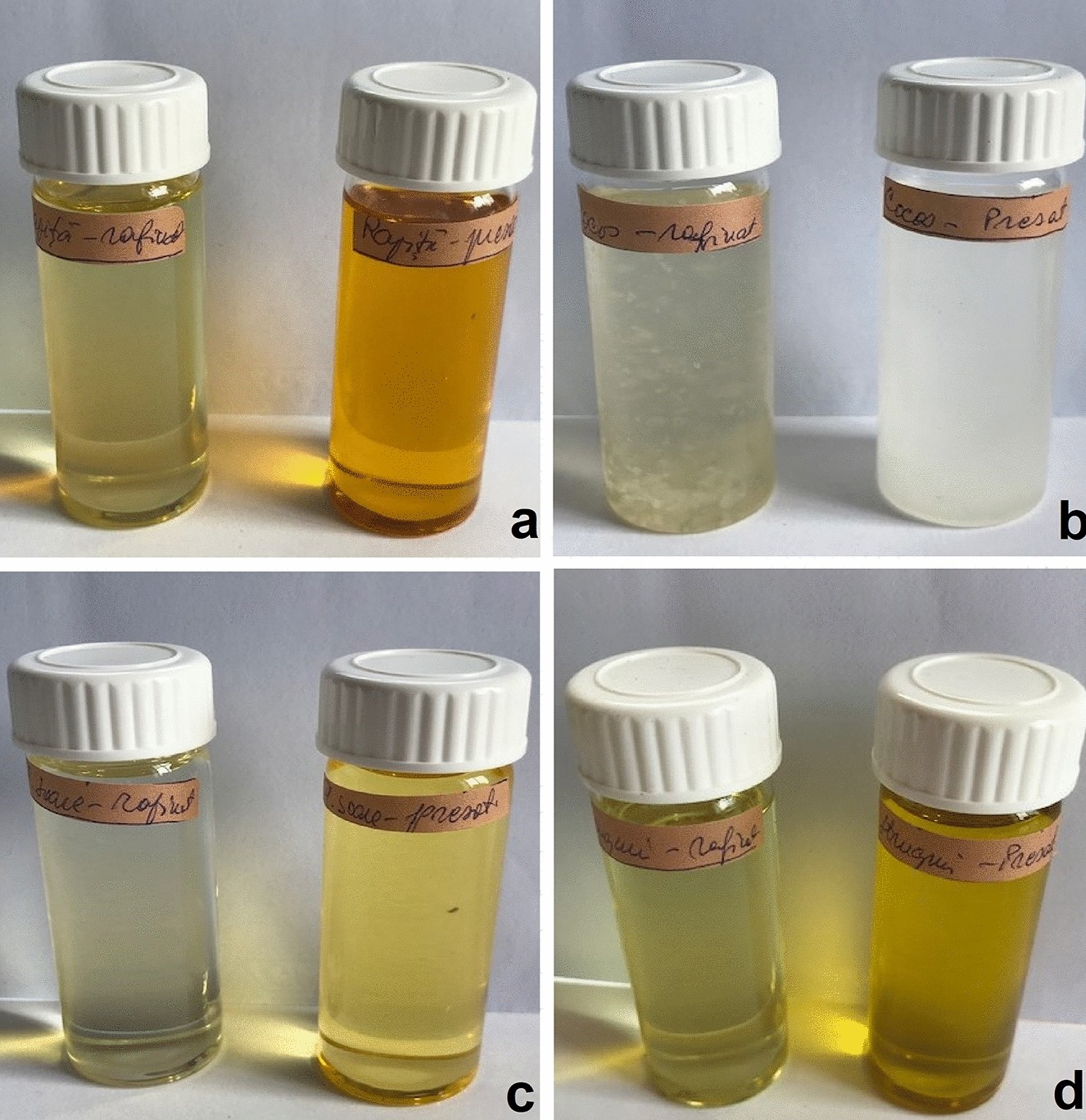
While regular coconut oil can be used in an oil lamp, it’s recommended to use refined coconut oil to prevent any impurities or contaminants from affecting the lamp’s performance.
Conclusion
Using coconut oil in an oil lamp is a viable option due to its high smoke point and long burning time. It provides a sustainable and eco-friendly alternative to traditional lamp oils. However, it is important to take precautions and follow proper safety guidelines when using coconut oil as a fuel source.
With its pleasant aroma and availability, coconut oil can be a practical and affordable choice for those seeking a greener lighting option.

I’m Emily Johnson, an affiliate marketer and blogger focused on lamps and lighting. I share honest reviews, simple buying guides, and practical tips. My goal is to help readers choose the right lamp for their space, style, and budget with confidence.