
To identify antique oil lamps, look for distinguishing characteristics such as a glass reservoir, a burner, a chimney, and a wick. Antique oil lamps have a charm and uniqueness that make them sought after by collectors and enthusiasts.
These lamps, which were popular before the advent of electricity, were used to provide light in homes, businesses, and public spaces. But how do you know if a lamp is truly antique? We will guide you on how to identify antique oil lamps.
By examining the different components of the lamp, such as the glass reservoir, burner, chimney, and wick, you can determine its age and value. So, if you’re interested in learning more about antique oil lamps and how to recognize them, keep reading.

Credit: www.etsy.com
Understanding Antique Oil Lamps
Antique oil lamps are not only exquisite pieces of art but also carry historical significance. These lamps provide a glimpse into the past when oil was the primary source of lighting. Understanding antique oil lamps can be a fascinating journey allowing you to appreciate their craftsmanship and their role in illuminating homes and businesses.
Brief History Of Oil Lamps
The history of oil lamps dates back thousands of years. The earliest known oil lamps were used by the ancient Greeks and Romans. They consisted of a container filled with animal fats or oils, with a wick in the center that was lit to produce light. Over time, the design of oil lamps evolved, and different materials such as clay, bronze, and glass were used to create more intricate and decorative lamps.
During the Middle Ages, oil lamps were widely used in households and churches. However, it was during the 18th and 19th centuries that oil lamps reached a peak in popularity with advancements in glassmaking techniques. Oil lamps became more ornate, featuring intricate patterns and designs.
Types Of Antique Oil Lamps
Antique oil lamps come in various styles, each reflecting the tastes and trends of different eras. Here are some of the most common types of antique oil lamps:
- Early Glass Lamps: These lamps were typically made of blown glass and featured a simple cylindrical shape with a loop handle. They were often hung from a hook or carried around using the handle.
- Kerosene Lamps: Kerosene lamps gained popularity in the 19th century due to their improved fuel efficiency. These lamps featured a glass font that held the kerosene fuel and a burner mechanism that controlled the flame’s size.
- Miniature Lamps: Miniature lamps were small oil lamps popular during the Victorian era. They were often used as decorative objects and were intricately designed with colorful glass patterns.
- Hanging Lamps: Hanging lamps were suspended from the ceiling, providing lighting for larger spaces. These lamps often featured elaborate designs with glass shades and brass or bronze frames.
- Student Lamps: Student lamps were primarily used for reading and studying. They had a tall stem with an adjustable shade that could be directed towards the task at hand.
These are just a few examples of the many types of antique oil lamps. Each type carries its own unique characteristics and charm.
Now that you have a better understanding of the history and types of antique oil lamps, you’ll be better equipped to identify and appreciate these beautiful pieces of history. Whether you’re a collector or simply curious about the past, antique oil lamps offer a tangible connection to a bygone era of lighting.
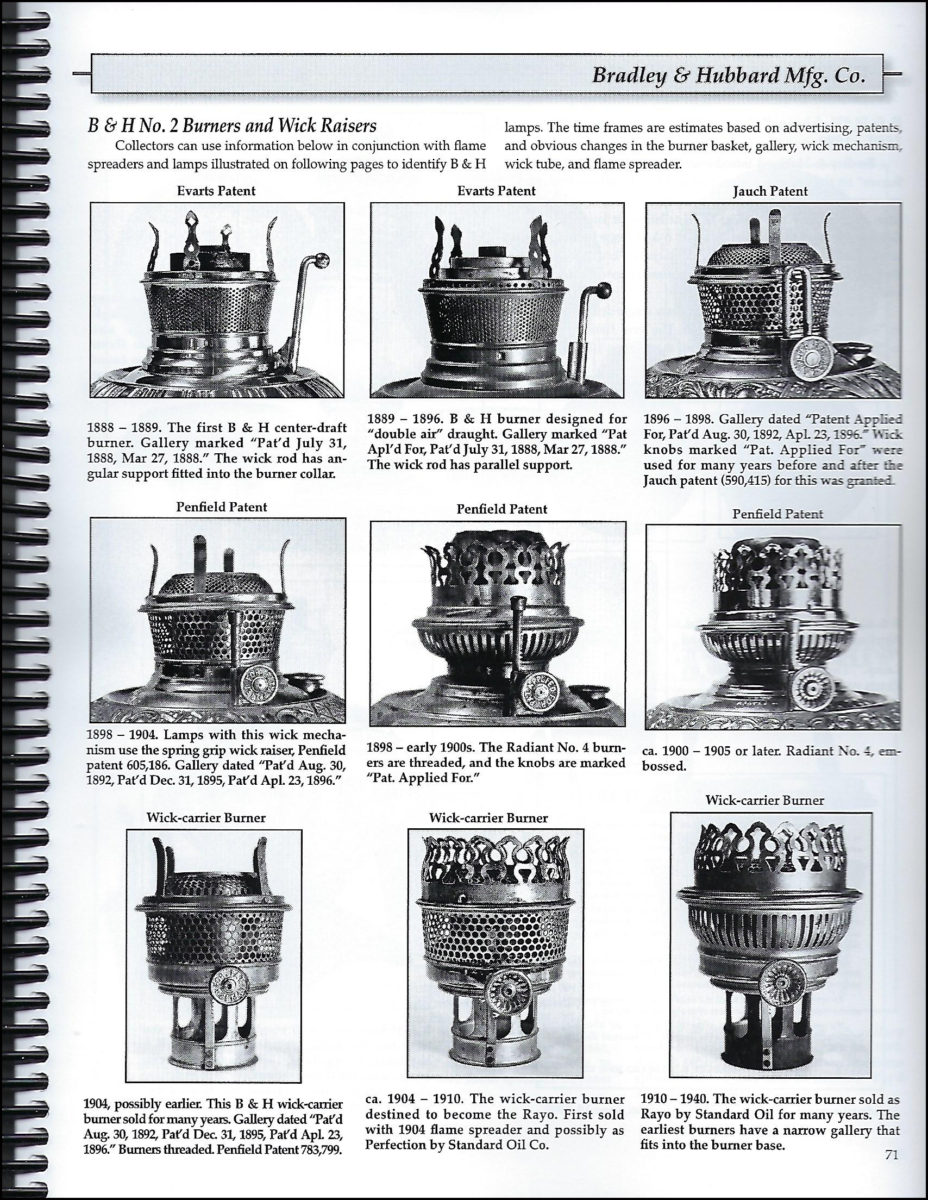
Credit: imperiallightingco.com
How to Identify Antique Oil Lamps?
When it comes to antique oil lamps, distinguishing between an authentic piece and a modern replica can be a challenging task. However, by assessing the materials and construction, examining the design and style, and researching the manufacturer’s markings, you can gain valuable insights into the lamp’s authenticity. In this article, we will delve into each aspect in detail, equipping you with the necessary knowledge to identify genuine antique oil lamps.
Assessing The Materials And Construction
The materials and construction of an antique oil lamp can provide significant clues about its authenticity. It is essential to pay close attention to the following factors:
- Material: Genuine antique oil lamps are typically made from materials such as glass, brass, or bronze. These materials were commonly used during the era when oil lamps were in widespread use. If you encounter a lamp made of plastic or any other material that was not commonly used during that time, it is likely a reproduction.
- Weight: Authentic antique oil lamps are generally heavier due to the use of solid materials like brass or bronze. Replicas, on the other hand, may feel lighter since they are often made with cheaper materials or have hollow sections.
- Construction: Examine the lamp for signs of craftsmanship and construction techniques that were common during the era it claims to belong to. Older lamps were typically handcrafted, so any evidence of machine-made parts or modern manufacturing techniques can be a red flag.
Examining The Design And Style
The design and style of an antique oil lamp can reveal important information about its authenticity. Look for the following characteristics:
- Period-specific Features: Familiarize yourself with the various styles and designs of oil lamps used during different eras. Pay attention to specific details, such as the shape of the burner, the presence of handles or decorative elements, and the overall aesthetics of the lamp. These features should align with the period in which the lamp was supposedly produced.
- Quality of Craftsmanship: Examine the lamp closely for evidence of meticulous craftsmanship. Authentic antique oil lamps often display intricate engravings, ornate designs, or delicate patterns. Look for signs of wear and consistent aging that are indicative of a genuine antique item.
Researching The Manufacturer’s Markings
Manufacturer’s markings on an antique oil lamp can provide valuable information about its origin. Here are some steps to undertake:
- Identify the Markings: Look for any stamps, logos, or engravings on the lamp base or other parts. These markings usually indicate the manufacturer, which can be a vital clue in determining the age and authenticity of the lamp.
- Conduct Research: Use historical resources such as books, online databases, or specialized antique lamp forums to identify the manufacturer and gather information about their production history and timeline. Cross-referencing this data with the lamp’s supposed production era can help verify its authenticity.
- Consult Experts: If you are still uncertain about the authenticity of an antique oil lamp, seek the opinion of experts in lamp restoration or appraisal. They can provide valuable insights and assistance based on their extensive experience.
By following these guidelines and leveraging your knowledge of assessing materials, design elements, and manufacturer’s markings, you will be better equipped to identify authentic antique oil lamps. Remember to exercise caution when purchasing these lamps, and always strive to verify the lamp’s age and authenticity through reliable sources.
Assessing The Condition And Value
When it comes to identifying antique oil lamps, assessing their condition is crucial in determining their value. The overall state of the lamp can tell you a lot about its age, authenticity, and potential worth. Here are some key factors to consider when evaluating the condition of an antique oil lamp:
Physical Appearance:
Inspect the lamp for any visible damage, such as chips, cracks, or missing parts. Look for signs of repair, such as glue residue or mismatched components. Ideally, you want a lamp that is in as close to its original condition as possible.
Base and Font:
Pay close attention to the base and font of the oil lamp. Check for any corrosion, dents, or discoloration. A lamp with a well-preserved base and font is likely to be in better overall condition.
Components:
Examine the various components of the lamp, including the burner, chimney, and shade. Ensure that all pieces are present and in good working order. Any missing or damaged parts can significantly impact the lamp’s value.
Originality:
Look for signs of originality, such as manufacturer marks or labels. Original parts and markings are highly desirable among collectors and can contribute to the lamp’s authenticity and value.
In addition to evaluating the condition, determining the rarity and collectibility of an antique oil lamp is essential in assessing its value. Here are some factors to consider when gauging the lamp’s rarity and collectibility:
- Manufacturer: Research the lamp’s manufacturer to determine their reputation and popularity among collectors. Certain manufacturers, such as Tiffany or Handel, are highly sought after and can significantly increase the lamp’s collectibility and value.
- Age and Origin: The age and origin of the lamp can also play a role in its rarity. Lamp styles and designs vary across different periods and regions, making certain lamps more unique and harder to find.
- Features and Design: Consider any distinctive features or design elements that make the lamp stand out from others. Lamps with unusual or intricate designs are often more collectible and valuable.
- Historical Significance: Evaluate if the lamp has any historical significance or associations with a specific event, person, or era. Such lamps can hold a higher value due to their connection to significant historical moments.
Rarity, and collectibility of an antique oil lamp
After assessing the condition, rarity, and collectibility of an antique oil lamp, it’s crucial to determine its fair market value. Here are some pricing factors to consider:
- Recent Sales: Research recent sales of similar lamps to get an idea of their market value. Online marketplaces, antique auctions, and specialized lamp dealers are excellent sources for this information.
- Condition: The condition of the lamp plays a significant role in determining its price. Lamps in excellent condition with minimal damage or wear are generally valued higher than those with significant flaws.
- Demand and Popularity: Consider the current demand and popularity of antique oil lamps. Lamps that are highly sought after by collectors and enthusiasts may command higher prices.
- Appraisal: To get a more accurate value, consider consulting with a professional antique lamp appraiser. They have the expertise and knowledge to evaluate your lamp accurately and provide an official appraisal report.
Caring For Antique Oil Lamps
If you’re lucky enough to own antique oil lamps, it’s important to care for and maintain them properly to ensure their longevity and preservation. Antique oil lamps not only hold historical value but can also be stunning display pieces that add a touch of elegance to any space.
In this section, we’ll explore the key aspects of caring for antique oil lamps, including cleaning and maintenance as well as displaying and storing them safely.
Cleaning And Maintenance
Proper cleaning and maintenance are essential to keep antique oil lamps in their best condition. Here are some vital tips to follow:
- Handle with care: When handling antique oil lamps, always use gentle, steady movements to avoid accidental damage. These lamps are delicate and can be easily damaged if mishandled.
- Use the right cleaning materials: When cleaning your antique oil lamps, it’s crucial to use suitable materials to avoid any potential harm. Opt for mild, non-abrasive cleaning solutions and soft cloths to gently wipe away dirt and grime.
- Avoid excessive cleaning: While regular cleaning is important, it’s essential to avoid excessive cleaning that could potentially harm the lamp’s original patina or finish. Instead, focus on gentle maintenance to retain their authentic appearance.
- Inspect and replace parts: Regularly inspect the lamp’s components, such as the burner, chimney, and wick, for any signs of wear or damage. If necessary, replace worn-out parts with period-appropriate replacements to maintain functionality and aesthetics.
- Store carefully: When not in use, store your antique oil lamps in a cool, dry place away from direct sunlight and excessive heat. This will help prevent deterioration and preserve their overall quality.
Displaying And Storing Safely
Properly displaying and storing antique oil lamps is crucial to ensure their safety and prevent any accidental damage. Here are some important considerations:
- Stable surfaces: When displaying your antique oil lamps, make sure to place them on sturdy, flat surfaces that provide stability. This will reduce the risk of the lamp tipping over and causing damage.
- Keep away from flammable materials: To prevent accidents, always keep your antique oil lamps away from flammable materials such as curtains, drapes, and papers. The open flame can pose a fire hazard if not handled with caution.
- Avoid extreme temperatures: Extreme heat or cold can cause damage to antique oil lamps. Keep them away from radiators, vents, and windows that may expose them to temperature fluctuations.
- Showcase them with care: If you’re displaying your antique oil lamps in a cabinet or on a shelf, consider using soft padding or display stands to prevent any scratches or knocks. This will ensure that they remain safe and secure while on display.
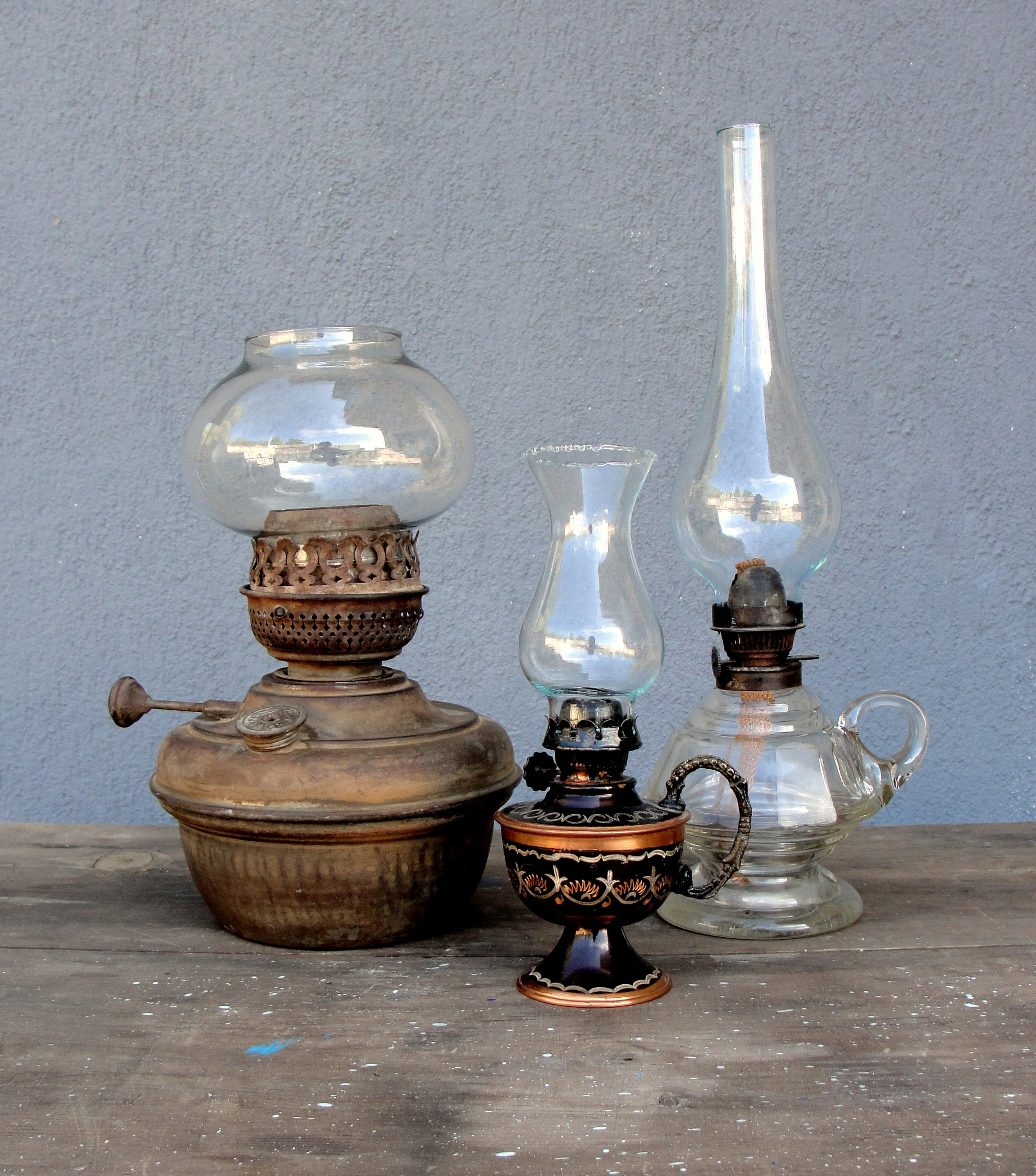
Credit: www.etsy.com
Frequently Asked Questions On How To Identify Antique Oil Lamps
How Can I Tell If An Oil Lamp Is Antique?
Antique oil lamps often have unique designs, markings, and materials that differentiate them from modern replicas.
What Are Common Features Of Antique Oil Lamps?
Antique oil lamps typically have glass bodies, brass or iron fittings, and may include decorative elements such as etchings or patterns.
Where Can I Find Information About Specific Oil Lamp Manufacturers?
Researching online databases, antique books, and joining collector communities can provide valuable insights into specific oil lamp manufacturers.
What Are Some Tips For Evaluating The Condition Of An Antique Oil Lamp?
Inspect the lamp for any cracks, chips, or repairs, check if the wick mechanism operates smoothly, and assess the overall integrity of the lamp’s components.
Conclusion
By following these tips, you will be able to identify antique oil lamps with confidence. Remember to inspect the materials, markings, and style of the lamp, as well as consult experts and reference guides. Taking your time and doing thorough research will greatly increase your chances of finding and appreciating a valuable antique oil lamp.

I’m Emily Johnson, an affiliate marketer and blogger focused on lamps and lighting. I share honest reviews, simple buying guides, and practical tips. My goal is to help readers choose the right lamp for their space, style, and budget with confidence.