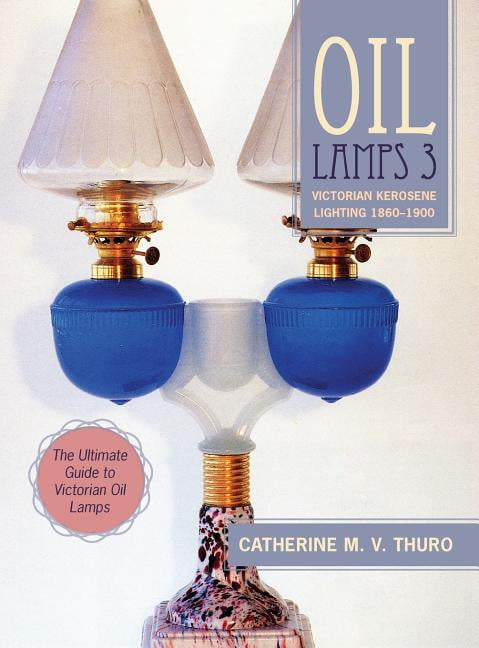
To light an oil lamp, first, fill the lamp with oil, then place a wick into the wick holder.
Oil lamps have been used for centuries to provide light and warmth in homes around the world. While they may not be as common today, there are still many people who enjoy the ambiance and nostalgia that comes with lighting an oil lamp.
If you’ve never used one before, you may be wondering how to properly light an oil lamp. In this blog post, we will provide a step-by-step guide on how to safely and effectively light an oil lamp.
From choosing the right fuel to adjusting the wick, we’ll cover everything you need to know to successfully light your oil lamp. So, whether you’re a seasoned oil lamp enthusiast or a beginner looking to embrace this traditional form of lighting, read on for our expert tips and advice.
Understanding Oil Lamps
In this blog post, we will explore the art of lighting an oil lamp, a fascinating tradition that has roots dating back centuries. To begin, let’s gain a better understanding of these charming sources of light that have graced homes for generations.
History Of Oil Lamps
The history of oil lamps dates back thousands of years, with evidence from archaeological findings suggesting that early civilizations in ancient Egypt, Greece, and Rome utilized these simple yet effective sources of illumination. Initially, oil lamps were made from materials such as clay, pottery, or stone, with a hollow shape to hold the fuel and a spout for the wick. These lamps served not only as a means of lighting but also as decorative objects, reflecting the craftsmanship and artistry of the time.
Components Of An Oil Lamp
To understand how to light an oil lamp, it’s essential to familiarize ourselves with its components. Here are the key parts:
- Base: The base or body of the oil lamp is where the fuel, typically oil, is contained. It provides stability and is often crafted to enhance the lamp’s aesthetic appeal.
- Reservoir: The reservoir holds the oil and ensures a sufficient supply for the lamp to burn steadily. It is usually cushion-shaped or elongated, allowing for an ample oil capacity.
- Wick: The wick is the part of the lamp that absorbs the oil and transports it to the flame. It is essential to choose a wick made from a material compatible with the type of oil used, ensuring optimal performance.
- Burner: The burner is the mechanism that secures the wick in place and controls its exposure to the flame. It can be adjusted to achieve different levels of brightness and regulate the lamp’s burning time.
- Chimney: Some oil lamps feature a chimney, a glass or metal cylinder that surrounds the flame. The chimney helps to emit brighter light, protect the flame from drafts, and may also serve as an additional decorative element.
Having a clear understanding of the history and components of an oil lamp sets the stage for learning how to light one successfully. Following simple steps and proper techniques will not only keep the tradition alive but also create a captivating ambiance in your living space.

Credit: www.amazon.com
Choosing The Right Oil For Your Lamp
When it comes to lighting an oil lamp, selecting the appropriate oil is crucial for optimal performance and safety. The oil you choose will not only affect the brightness and duration of the flame but also impact the overall function and efficiency of your oil lamp.
In this section, we will explore the different types of oil commonly used in oil lamps. We will also discuss the key considerations to keep in mind when selecting the right oil for your specific lamp.
Types Of Oil For Oil Lamps
1. Kerosene oil:
Kerosene oil, also known as paraffin oil, is one of the most popular choices for oil lamps. It is readily available and provides a steady and bright flame. Kerosene lamps have been widely used for many years and are known for their reliability and efficiency.
However, it is important to ensure you purchase only high-quality kerosene oil to avoid sooty residue and undesirable odors.
2. Lamp oil:
Lamp oil, also referred to as liquid paraffin or lamp fuel, is another common option for oil lamps. It is typically a cleaner-burning fuel, producing minimal smoke and less odor compared to kerosene. Lamp oil is widely available and can be found in various grades, so be sure to choose a high-quality option for optimal performance.
3. Citronella oil:
For those who want to keep mosquitoes and other insects at bay while enjoying the soft glow of an oil lamp, citronella oil is an excellent choice. This oil has a distinct scent that repels insects, making it perfect for outdoor use.
However, it’s important to note that citronella oil may produce a slightly dimmer flame compared to kerosene or lamp oil.
Considerations For Choosing The Right Oil
When selecting the right oil for your oil lamp, there are a few important considerations to keep in mind:
- Oil compatibility: Ensure the oil you choose is compatible with your specific lamp. Check the manufacturer’s guidelines or consult an expert if you are unsure.
- Clean-burning properties: Opt for an oil that produces minimal smoke and soot to maintain a clean and healthy environment.
- Efficiency and duration: Consider the burn time and brightness level you desire for your lamp, as different oils have varying combustion rates and flame characteristics.
- Odor: If you prefer a fragrance-free environment, choose an odorless or low-odor oil for your oil lamp.
- Safety: Always prioritize safety when using an oil lamp. Ensure the oil you choose has a high flash point and is labeled safe for use in oil lamps.
By considering these factors and choosing the appropriate oil for your lamp, you can enhance the performance and enjoyment of your oil lamp while ensuring a safe and pleasant lighting experience.
Whether you opt for kerosene oil, lamp oil, or citronella oil, each has its own unique qualities to suit different needs and preferences.
Preparing The Oil Lamp
Before you can properly light an oil lamp, it’s important to ensure that the lamp is clean, and filled with oil. This preparation process is crucial in order to maintain the lamp’s efficiency and safety.
In this section, we will guide you through the steps of cleaning the lamp and filling it with oil, ensuring a hassle-free lighting experience.
Cleaning The Lamp
Start by cleaning the lamp to remove any dust, dirt, or residue that may have accumulated over time. Follow these simple steps:
- Prepare a mixture of warm water and mild detergent in a bowl.
- Dismantle the lamp by removing the lampshade, burner, and chimney if applicable.
- Gently wash each part using a soft cloth or sponge soaked in the soapy water. Be careful not to damage any delicate components.
- Rinse the parts thoroughly with clean water to remove any soap residue.
- Dry each part completely using a lint-free cloth to avoid any moisture that could affect the lamp’s performance.
- Once all the parts are dry, reassemble the lamp, ensuring that each component is securely in place.
Filling The Lamp With Oil
Now that the lamp is clean, it’s time to fill it with oil. Follow these steps to ensure a proper oil fill:
- Choose a high-quality lamp oil that is suitable for your specific lamp model and ensures optimal burning.
- Place a funnel in the oil reservoir of the lamp to avoid any spills or drips.
- Slowly pour the oil into the reservoir, stopping about three-quarters of the way up from the bottom. This allows for proper air circulation and prevents overfilling.
- Remove the funnel carefully and wipe away any oil drips or spills from the exterior of the lamp.
- Inspect the reservoir to ensure that the oil level is appropriate for your desired burn time.
| No. | Tip |
|---|---|
| 1 | Use a soft bristle brush to clean hard-to-reach areas of the lamp, such as the burner or chimney. |
| 2 | Stick to using lamp oil specifically designed for oil lamps, as other oils may produce harmful fumes or residues. |
| 3 | Regularly inspect and clean the lamp to ensure its longevity and optimal performance. |
By following these steps, you are ready to move on to the next stage of lighting your oil lamp. Having a clean lamp and properly filled reservoir maximizes safety and allows for a steady and beautiful flame. Now, let’s proceed to lighting the lamp!
Lighting And Maintaining The Oil Lamp
To light an oil lamp, start by filling the reservoir with lamp oil, then wick the lamp by threading a fresh wick through the burner and soaking it in the oil for a few minutes. After the wick is fully saturated, light the wick with a match or lighter, and adjust the flame to the desired brightness.
Remember to trim the wick regularly to maintain a clean burn.
When it comes to creating a warm and cozy ambiance in your living space, few things can rival the soft glow of an oil lamp. Not only do these timeless lighting fixtures provide beautiful, flickering light, but they also add an element of nostalgia and charm to any room.
If you’re new to owning an oil lamp or simply want to refresh your knowledge on how to properly light and maintain one, this guide is for you.
How Do You Light an Oil Lamp?
Lighting an oil lamp may seem straightforward, but there are a few key steps to ensure a successful ignition that will keep your lamp burning bright.
- First, make sure you have the necessary supplies within reach. These typically include the lamp itself, a container of lamp oil, a lighter or match, and a clean cloth.
- Place the lamp on a stable surface away from any flammable materials.
- Remove the lid or chimney from the oil lamp, exposing the wick.
- Next, carefully pour lamp oil into the designated reservoir, ensuring that you do not overfill it. Most lamps have a fill line indicated for guidance.
- Using a clean cloth, wipe away any excess oil from the lamp and the surrounding area, as oil spills can be hazardous.
- After ensuring the lamp is clean and dry, position the wick so that it protrudes slightly above the burner or wick holder. This will allow for easy ignition.
- Finally, use a lighter or match to ignite the wick. Hold the flame to the wick until it catches fire, and then gently lower the chimney or replace the lid, taking care not to disturb the flame.
Adjusting The Wick
Properly adjusting the wick is essential for maintaining a consistent and safe flame in your oil lamp. Follow these steps to ensure optimal performance:
- Allow the wick to burn for a few minutes after lighting to establish a steady flame.
- If the flame appears too low or dim, you may need to adjust the wick height. Carefully turn the wick adjuster wheel or knob, typically located on the side or bottom of the lamp, to raise or lower the wick as needed.
- Aim for a flame that is approximately 1/2 to 3/4 of an inch high, as this will provide both sufficient light and efficient fuel consumption.
- If you notice any excessive smoke or soot, make sure the wick is not too high. Lower it slightly and observe the flame for changes.
- If the flame continues to smoke or produce soot, extinguish the lamp and allow it to cool before carefully trimming the charred portion of the wick with scissors.
Maintaining The Flame
To keep your oil lamp burning cleanly and brightly, regular maintenance is key:
- Check the oil level periodically and refill as needed, taking care not to overfill.
- Clean the lamp and any glass components regularly with a soft cloth to remove dust, dirt, and oil residue, which can diminish the lamp’s performance.
- Trim the wick periodically to remove any accumulated blackened portions, as this can affect both the flame height and the overall burn quality.
- Store your lamp in a cool, dry place when not in use to protect it from dust and potential damage.
By following these simple steps, you can ensure a safe and enjoyable experience with your oil lamp. From creating a cozy atmosphere during a power outage to adding a touch of vintage elegance to your home decor, a well-maintained oil lamp is a versatile and timeless lighting option.
Frequently Asked Questions Of How Do You Light An Oil Lamp
How Do You Light An Oil Lamp Safely?
To safely light an oil lamp, ensure the wick is trimmed, use clean fuel, and carefully ignite the fuel without spills.
What Kind Of Oil Is Used For Oil Lamps?
For optimal results, use clear, high-quality lamp oil or kerosene to fuel oil lamps.
How Do You Adjust The Flame On An Oil Lamp?
To adjust the flame on an oil lamp, rotate the wick adjuster knob clockwise for a higher flame, and counterclockwise for a lower flame.
How Long Will An Oil Lamp Burn?
The burning time of an oil lamp depends on its fuel capacity and the flame’s size. Generally, it can burn for several hours before needing a refill.
Conclusion
Lighting an oil lamp is a simple yet essential skill that can bring warmth and ambiance to any space. By following the steps outlined in this guide, you can safely and effectively light your oil lamp. Remember to always exercise caution and handle the lamp with care.
With a little practice, you’ll be enjoying the soothing glow of your oil lamp in no time. Rediscover the timeless beauty of this traditional lighting method and create an atmosphere that is both enchanting and inviting.

I’m Emily Johnson, an affiliate marketer and blogger focused on lamps and lighting. I share honest reviews, simple buying guides, and practical tips. My goal is to help readers choose the right lamp for their space, style, and budget with confidence.