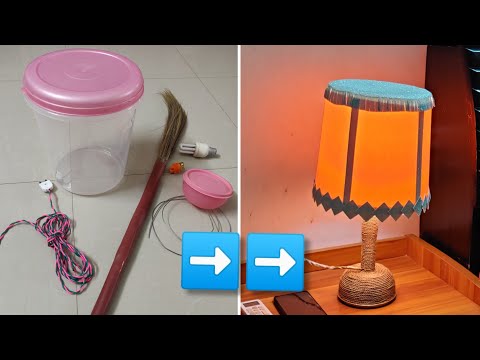
What if the next table lamp on your office desk could be a statement piece while contributing to sustainability? This isn’t a distant dream but a realistic approach with upcycled materials. Professionals are discovering innovative ways to transform everyday waste into elegant, functional lamps.
Historically, the concept of repurposing items for new uses isn’t novel; it’s gaining renewed interest in our carbon-conscious era. Some studies reveal that upcycling can reduce carbon footprint significantly, with Yale’s Environment 360 highlighting a 30% reduction in waste emissions. This makes crafting table lamps from discarded items not only a creative endeavor but also an environmentally significant action.
- Gather waste materials like plastic bottles, old CDs, and metal cans.
- Clean the materials thoroughly.
- Use a hot glue gun to assemble the base using a plastic bottle or can.
- Attach the light socket to the top of the base.
- Thread the electrical cord through the base and connect it securely.
- Create a lampshade using cardboard or other flexible material. Decorate as desired.
- Secure the lampshade to the base and ensure stability.
- Insert the bulb into the socket and test for functionality.

How to Make Table Lamp from Waste Material
Creating a table lamp from waste materials is an eco-friendly project. Begin by gathering items that can be repurposed. Some useful materials include plastic bottles, old CDs, metal cans, and broken furniture parts. Think creatively about how each item can serve a new purpose. This step helps minimize waste while fostering innovation.
Next, you’ll need some basic tools to work with. These include a hot glue gun, scissors, a craft knife, and some paint for decoration. Additionally, purchase a light bulb and socket set, which can usually be found at hardware stores. With these items in hand, you’re ready to start building.
The first step in construction is preparing the materials. Clean them thoroughly to ensure there is no dirt or residue. Cut the plastic bottle to serve as the lamp’s base and decorate it using paint or other materials. Attach the socket at the top of the base using a hot glue gun. Finally, insert the bulb into the socket.
Safety is crucial, so make sure all electrical connections are secure. Double-check that the lamp is stable and won’t tip over easily. Here’s a quick list of common materials and their potential uses:
- Plastic bottles: Base or body
- Old CDs: Reflective surface
- Metal cans: Support structure
- Broken furniture: Decorative accents
Identifying Suitable Waste Materials
Finding the right waste materials for your table lamp project can be fun and creative. Look around your home for items that are no longer in use. This could be anything from plastic bottles to old wooden spoons. Consider their shapes and sizes to see how they might fit into your lamp design. Don’t be afraid to experiment with different combinations.
Plastic bottles are highly versatile. They can serve as the main body or base of your lamp. You might also find old CDs or DVDs useful for creating reflective surfaces. Metal cans can provide a sturdy structure and support. These materials are not only abundant but also easy to work with.
Cardboard is another excellent option, especially for creating unique lampshades. You can cut and mold it to fit your desired shape. Decorating it with paint or wrapping paper adds a personalized touch. Make sure it’s thick enough to hold its form. This helps in making your lamp both functional and stylish.
Here’s a handy list of potential waste materials:
- Plastic bottles
- Old CDs or DVDs
- Metal cans
- Wooden spoons
- Cardboard
Tools Needed for the Project
Gathering the right tools is essential for building a table lamp from waste materials. A hot glue gun will be your best friend for securing parts together. Make sure to have extra glue sticks on hand. Scissors and a craft knife are also important for cutting through various materials like plastic and cardboard. These tools will help you shape and refine your components.
In addition to cutting tools, you’ll need some basic electrical supplies. A light bulb and socket set is crucial for the lamp’s functionality. You can find these at most hardware stores. Wire strippers and electrical tape are also necessary to ensure safe connections. This will help you confidently assemble the electrical parts.
Painting and decorating materials can bring your project to life. Paintbrushes and non-toxic paint allow you to add color and flair. You might also want to use markers or stickers for easier decoration. Other handy items include sandpaper for smoothing rough edges. These tools help turn your vision into reality.
For quick reference, here’s a list of the essential tools:
- Hot glue gun and glue sticks
- Scissors and craft knife
- Light bulb and socket set
- Wire strippers and electrical tape
- Paintbrushes and non-toxic paint
- Sandpaper
Steps involved in Creating the Table Lamp
To begin your project, gather all your materials and tools in one place. Start by cleaning your waste materials thoroughly. This ensures that no dirt or grime interferes with the adhesive process. Once clean, plan out your design. Having a sketch can guide you during assembly.
Next, prepare the base of your lamp. If you’re using a plastic bottle, cut it to your desired height. Smooth the edges with sandpaper to avoid any sharp points. Attach your chosen decorative elements, like old CDs or metal cans. Secure them firmly using a hot glue gun.
Now, move on to assembling the electrical components. Thread the power cord through the base of the lamp. Connect the socket to the cord, using wire strippers to secure the connections. Wrap any exposed wires with electrical tape to prevent short circuits. Ensure the bulb fits snugly in the socket.
After assembling the basics, focus on the lampshade. Cardboard can be cut and molded into various shapes. Paint or decorate it to match your style. Attach it to the top of the base using glue or another strong adhesive. Make sure it’s stable and balanced.
Finally, double-check all your work for safety and stability. Turn on the lamp to test its functionality. Adjust any parts that seem loose or crooked. Enjoy your unique, eco-friendly table lamp. Here’s a streamlined list of steps for reference:
- Clean and prepare materials
- Design and sketch your lamp
- Cut and assemble the base
- Install electrical components
- Create and attach the lampshade
- Test for safety and functionality
Safety Precautions to Consider
When working on any DIY project, safety should be your top priority. Always wear protective gear such as gloves and safety glasses. This is especially important when cutting materials or working with electrical components. Injuries can easily happen if you’re not careful. Make sure your workspace is well-lit to see all the details clearly.
Electrical safety is crucial when making a table lamp. Double-check all your connections to make sure they are secure. Use electrical tape to cover any exposed wires. Test the lamp in a safe environment before using it regularly. If you’re unsure about any electrical work, consult an expert.
Adhesive fumes can be harmful if inhaled. Use hot glue guns and other adhesives in a well-ventilated area. Avoid direct contact with your skin, as some adhesives can cause burns. Make sure to follow manufacturer instructions for safe use. Proper ventilation can help minimize inhalation risks.
Also, be cautious with sharp tools like scissors and craft knives. Always cut away from your body to avoid accidents. Keep tools organized and out of reach of children. Use cutting mats to protect surfaces and prevent slippage. A tidy workspace can significantly reduce the risk of injury.
Here’s a quick list of safety measures:
- Wear protective gear
- Ensure electrical connections are secure
- Use adhesive in well-ventilated areas
- Handle sharp tools with care
- Work in a well-lit, organized space
The Environmental Impact of Upcycling
Upcycling has a significant positive impact on the environment. It transforms waste materials into valuable products, reducing the need for raw resources. This process helps decrease the amount of waste that ends up in landfills. By reusing and repurposing items, fewer natural resources are consumed. This also lowers greenhouse gas emissions associated with manufacturing new goods.
The energy savings from upcycling are substantial. Manufacturing new products typically requires a lot of energy. However, upcycling leverages materials that have already been processed once. This reduces the overall energy footprint. Using less energy means fewer carbon emissions, which benefits the planet.
Moreover, upcycling promotes sustainable living and responsible consumption. People become more conscious of their waste and how they can reuse it. This mindset shift encourages less frequent purchases of new items. It helps to foster creativity and innovation in finding new uses for old items. Communities can also engage in upcycling workshops to raise environmental awareness.
Here’s a quick look at some environmental benefits of upcycling:
- Reduces waste in landfills
- Conserves natural resources
- Decreases greenhouse gas emissions
- Less energy consumption
- Promotes sustainable living
In addition, upcycling can have economic benefits. It creates opportunities for local businesses and artisans. By selling upcycled products, they can earn income and support sustainable practices. Upcycling can also reduce costs for consumers, as they can make new items instead of buying them. This blend of economic and environmental advantages makes upcycling a valuable practice.
Benefits of DIY Projects in Promoting Sustainability
DIY projects play a key role in promoting sustainability. By creating your own items, you reduce the demand for mass-produced goods. This helps cut down on factory emissions and resource consumption. Additionally, DIY projects encourage the reuse of old materials. This reduces waste and keeps useful items out of landfills.
One major benefit is that DIY projects are often cost-effective. When you use what you already have, there’s no need to spend money on new products. You can also customize items to fit your needs perfectly. This makes DIY projects not only sustainable but also highly practical. Moreover, crafting your own goods leads to a sense of accomplishment.
Learning new skills through DIY projects is another advantage. These activities teach problem-solving and creative thinking. With every project, you gain more expertise and confidence in different techniques. Skill-building fosters self-reliance and resilience. It also allows people to share knowledge within their communities.
Community involvement is an important aspect of DIY culture. People often come together for workshops or crafting sessions, strengthening social bonds. This collective effort amplifies the impact on sustainability. Sharing resources and ideas makes it easier to undertake complex projects successfully.
A summary list of benefits includes:
- Reduces demand for mass-produced goods
- Cuts down waste
- Saves money
- Teaches valuable skills
- Promotes community involvement
Finally, DIY projects can lead to innovative solutions for everyday problems. By thinking creatively about how to repurpose materials, unique and effective products emerge. These innovations contribute to a culture of sustainability that goes beyond individual actions. They inspire others to think differently about their consumption habits.
Other Home Decor Items You can Create from Waste Material
Upcycling waste materials into stylish home decor items is a great way to promote sustainability. You don’t have to stop at table lamps; the possibilities are endless. For example, old jars and cans can transform into unique flower vases. Simply clean them, paint them, and you have beautiful, custom vases. These add a personal touch and a pop of color to your space.
Picture frames are another fantastic project. Use scrap wood or cardboard as the base, and decorate it with buttons, fabric, or even old jewelry. These frames can be tailored to fit any photo size, making them perfect for gifts. You can also make matching sets to create cohesive gallery walls. It’s an easy way to display memorable moments.
Shelves made from discarded pallets or crates can add rustic charm to any room. Sand them down for a smooth finish, and paint or stain them to your liking. These shelves are great for organizing books, plants, and decorative items. They are not only functional but also aesthetically pleasing. This helps reduce clutter and create a welcoming space.
Wall art is another creative project to consider. Use old magazines, fabric scraps, or even broken tiles to create colorful mosaics. Glue these pieces onto a sturdy backing, and voilà, you have custom artwork. Hanging these pieces on your walls can instantly brighten up a room. They serve as conversation starters, making your home unique.
Here’s a quick list of potential home decor items from waste materials:
- Flower vases from jars and cans
- Customized picture frames
- Shelves from pallets or crates
- Wall art from magazines or tiles
Finally, consider making decorative pillows from old clothes or fabric scraps. Sew them together to create colorful pillowcases. Stuff them with old bedding material for extra comfort. These pillows add coziness and can be easily switched out for different seasons. Through these creative projects, you can make your home beautiful and sustainable.

Frequently Asked Questions
Here are some common questions related to making table lamps from waste materials. This guide will help you understand the process better and get creative.
1. What materials can be reused to make a table lamp?
You can use various items like plastic bottles, old CDs, metal cans, and broken furniture parts. These materials are easy to find around the house and help in reducing waste while creating something useful. The key is to think creatively about how each item can fit into your design.
Don’t forget to clean all materials thoroughly before using them. Using reusable materials not only saves costs but also contributes significantly to environmental sustainability.
2. How do I ensure my DIY table lamp is safe to use?
Safety should always come first when working on DIY projects involving electricity. Double-check all electrical connections for stability and cover any exposed wires with electrical tape. Make sure the lamp is stable and won’t easily tip over; a wobbling base poses both fire hazards and injury risks.
You should test the lamp in a controlled environment before everyday use. If unsure about handling electrical components, seek advice from an expert.
3. How can I decorate my upcycled table lamp?
The decoration depends on your taste and the available materials. You can paint plastic bottles or wrap them in colorful paper for a vibrant look. Using stickers, fabric strips, or even decoupage techniques adds unique details.
Lampshades made from cardboard or other flexible materials can also be painted or adorned with beads, ribbons, or lace for added effects.
4. Can children participate in making upcycled table lamps?
While the project can be fun for kids, adult supervision is essential for safety reasons, especially when handling sharp tools and electrical components. Kids can participate in cleaning materials and simple decorating tasks like painting or gluing without any risk.
This activity encourages them to appreciate recycling from a young age while also boosting their creativity and problem-solving skills.
5. Are there any online resources for ideas on upcycling lamps?
Yes, many websites offer tutorials and ideas for upcycling projects including making lamps from waste material. Platforms like Pinterest have numerous boards dedicated to DIY upcycled crafts where you can find endless inspiration.
YouTube also has video tutorials that provide step-by-step guides on various methods of creating unique table lamps out of discarded items.
Conclusion
Creating a table lamp from waste materials is not only an exciting project but also a leap towards sustainability. It offers a unique way to repurpose discarded items, turning them into functional and stylish home decor. This hands-on activity promotes environmental consciousness and fosters creativity.
Experts and hobbyists alike can benefit from the resourcefulness involved in upcycling. By following safety precautions and using the right tools, anyone can successfully complete this project. Ultimately, it’s a fulfilling endeavor that highlights the importance of responsible consumption and innovative thinking.

I’m Emily Johnson, an affiliate marketer and blogger focused on lamps and lighting. I share honest reviews, simple buying guides, and practical tips. My goal is to help readers choose the right lamp for their space, style, and budget with confidence.