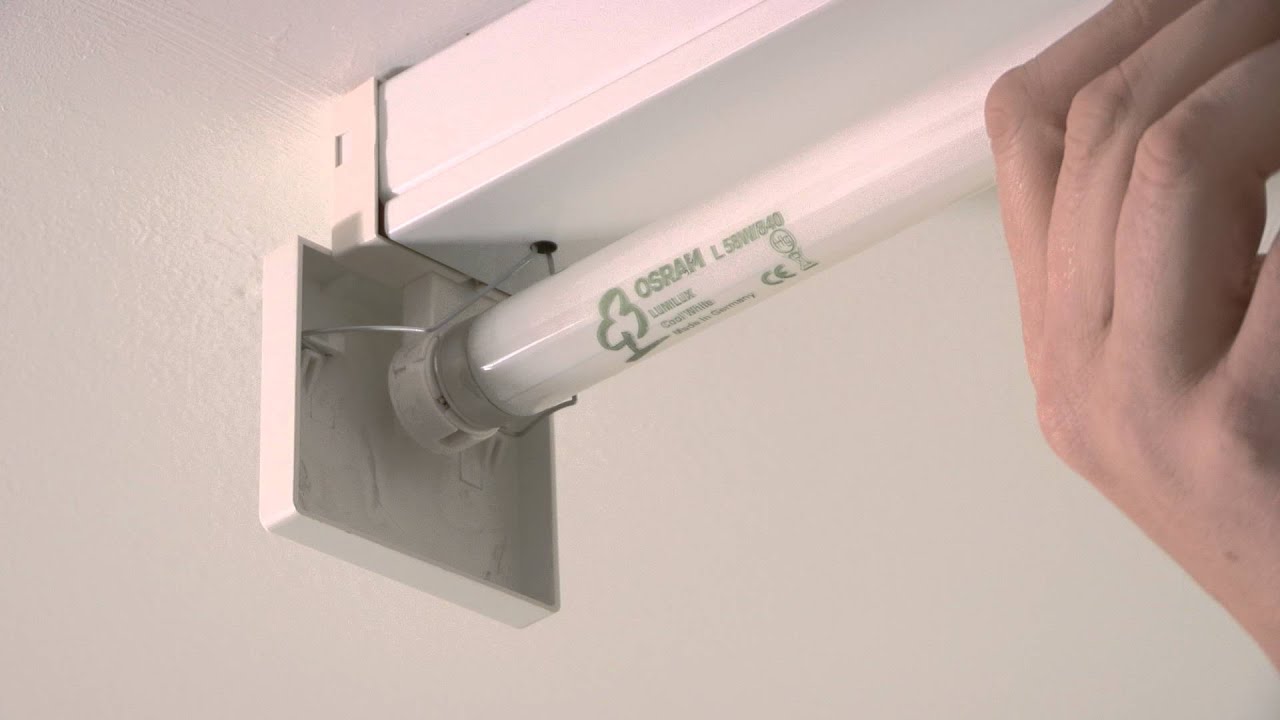
It’s hard to believe that such a tiny component like a starter can cause a fluorescent lamp to flicker endlessly or fail altogether. Have you ever paused to consider the simplicity and complexity wrapped in a mere twist and turn? Fixing a fluorescent lamp often requires a blend of basic troubleshooting and a hint of electrical prowess, making the task both intriguing and rewarding.
Fluorescent lamps have lit our spaces since the 1930s, yet even the most efficient systems falter sometimes. Surprisingly, about 40% of lamp failures are due to starter or ballast issues. Checking and replacing these components, while straightforward, could save valuable time and resources in a professional setting.
- Turn off power and gather tools: screwdriver, voltage tester, replacement starter, fluorescent tube, and multimeter.
- Diagnose issues: check the starter by twisting it out and swapping it with a new one if faulty.
- If problems persist, inspect the ballast for any damage; replace it if necessary.
- Double-check all wiring connections for frays or loose connections; use electrical tape for safety.
- Reassemble the lamp ensuring all components and wires are securely in place. Turn on power to test functionality.

How to Fix a Fluorescent Lamp
First, diagnose the issue by observing the lamp’s behavior. If the lamp is flickering or not turning on, it might be a problem with the starter or ballast. Sometimes, simply replacing the fluorescent tube can solve the issue. According to this post, choosing the right components is crucial for efficiency. Make sure to turn off the power before starting any repairs to ensure safety.
Next, gather the necessary tools such as a screwdriver, replacement starter, and a new fluorescent tube if needed. Open the lamp fixture and carefully remove the old tube. If you suspect the starter is faulty, replace it with a new one. It’s important to match the starter type with your lamp. Check if the ballast shows any signs of damage.
Problems with the ballast can be trickier to handle. If the ballast is damaged, replace it with a new one. You might need to consult the lamp’s manual for specific guidance. Securely connect the new ballast and reassemble the fixture. Remember, detailed instructions can be found in here is the article on lamp restorations.
After reassembling the lamp, double-check all connections. Make sure the new tube and starter are firmly in place. Turn the power back on to test the lamp. If it still doesn’t work, recheck each component, or consider professional help. Ensuring all parts are correctly installed is key to the lamp functioning properly.
Step 1: Diagnose the Issue
The first step in fixing a fluorescent lamp is to understand what’s wrong. Observe the lamp closely to see if it’s flickering or completely off. Flickering can indicate problems with the starter or the tube. If the lamp is off, the issue might be with the ballast or wiring. Carefully note these symptoms before proceeding.
Next, remove the lamp cover to inspect the components. Check the condition of the fluorescent tube. Look for dark spots at the ends, which can suggest it’s burnt out. Start with the easiest fix by replacing the tube. Sometimes, this simple step can resolve the problem.
If replacing the tube doesn’t work, focus on the starter. The starter is a small, cylindrical component that helps ignite the lamp. It can wear out over time, causing the lamp to malfunction. Swap it with a new one and test the lamp. You might find this resolves flickering issues.
If the lamp remains faulty, inspect the ballast, which regulates the current. Use a multimeter to test if the ballast is working. According to this expert opinion, faulty ballasts are common culprits for lamp failures. If the ballast is bad, you’ll need to replace it. Always ensure safety by turning off the power before working on the lamp.
Step 2: Gather Necessary Tools
Before diving into the repair, make sure you have all the necessary tools. Start with a screwdriver, as most lamp casings are secured with screws. You’ll also need a voltage tester to ensure the power is off. A replacement starter and a new fluorescent tube are essential, too. Having the right tools makes the job much easier and safer.
You might also need a multimeter if you’re checking the ballast. This tool measures electrical current and can help diagnose deeper issues. Gather some wire strippers and electrical tape if rewiring is needed. Organize all these tools before starting the repair. Proper preparation saves time and avoids frustration.
For convenience, keep your tools within easy reach. A toolbox can help you stay organized. Here’s a simple list of tools you’ll need to fix a fluorescent lamp:
- Screwdriver
- Voltage Tester
- Replacement Starter
- Fluorescent Tube
- Multimeter
- Wire Strippers
- Electrical Tape
With this set, you’ll be well-prepared to tackle the repair.
If you lack some tools, you can find them at a local hardware store or online. Quality tools can make a significant difference in the repair process. By gathering everything beforehand, you ensure a smoother and more efficient repair experience. Remember, safety is the top priority.
Step 3: Verify Starter Problems
After gathering your tools, it’s time to check the starter. The starter is a small component that helps ignite the lamp. If your fluorescent lamp is flickering or not lighting up at all, the starter might be faulty. Carefully remove the lamp cover to access the starter. Make sure the power is off before you touch anything.
To test the starter, gently twist it out of its socket. Inspect it for any visible signs of damage, such as burns or corrosion. You may also want to use a multimeter to check if it’s functioning correctly. If you don’t have a multimeter, consider swapping the starter with a new one. This quick switch can often solve the problem.
When replacing the starter, ensure it matches the specifications of the lamp. Incorrect starters can lead to more issues. Place the new starter in the socket and twist it securely into place. Turn on the power to check if the lamp ignites properly. If the new starter works, your lamp should light up without flickering.
If changing the starter doesn’t fix the issue, there may be deeper electrical problems. You might need to investigate the ballast or wiring next. Keep the old starter as a reference for future repairs. Document any changes you make to the lamp. This helps in troubleshooting if more problems arise.
Using a new starter is usually affordable and straightforward. A faulty starter is a common issue but easy to fix. Ensure all your tools are close by for convenience. Sometimes checking the small components can avoid a more complicated repair.
Always keep safety in mind. Double-check that the power is off before handling the starter. Use insulated tools to minimize any risks. Following these precautions ensures a safe and effective repair process.
Step 4: Replace or Repair the Ballast
Once you’ve ruled out the starter, the next step is to focus on the ballast. The ballast regulates the current to the fluorescent lamp. If the ballast is faulty, the lamp may flicker or not turn on at all. To start, ensure the power is off and remove the lamp cover. Carefully detach the ballast from its position.
Inspect the ballast for any obvious signs of wear and tear. Look for burnt spots, corrosion, or unusual odors. If you have a multimeter, use it to test the ballast’s electrical current. A non-functioning ballast should be replaced. Keeping a record of the ballast type can be useful for future replacements.
If you decide to replace the ballast, make sure to choose one that is compatible with your lamp. Securely connect the new ballast according to the wiring diagram. Here’s what you need to do:
- Follow the color codes on the wires.
- Ensure all connections are tight.
- Use electrical tape for extra safety.
Once everything is in place, test the lamp to see if it lights up properly.
For those feeling confident, repairing the ballast can be an option. Open it up to see if there are any repairable components inside. This approach can be more complex and might not always work. It’s often easier and more reliable to install a new ballast. Old ballasts can sometimes contain PCBs, which are harmful, so handle them with care.
After replacing or repairing the ballast, reassemble the lamp and turn on the power. The lamp should now function correctly without flickering. If the problem persists, further investigation of the wiring or other components might be needed. Keeping your tools organized and following safety measures are key to an efficient repair process.
Step 5: Double-check Wiring and Reassemble
Once the ballast is replaced or repaired, it’s crucial to double-check the wiring. Faulty or loose connections can cause the lamp to malfunction. Examine each wire closely, ensuring it matches the wiring diagram. Tighten any loose screws and secure all wire connections. This step is important for both safety and functionality.
While inspecting the wiring, look for any signs of wear or damage. Replace any frayed or exposed wires. It’s also beneficial to use electrical tape to cover and protect the connections. A quick double-check can save you from future issues. Ensure all components are properly located and secured before moving on.
After confirming that the wiring is intact, begin reassembling the lamp. Start by carefully placing the ballast and starter back into their positions. Reattach the fluorescent tube and secure the lamp cover. Make sure everything is fitted snugly. A loose cover can interfere with the lamp’s operation.
Reassembly should be methodical. Follow these steps:
- Align the components correctly.
- Secure screws and fasteners tightly.
- Double-check the alignment of the tube.
- Ensure the starter and ballast are firmly in place.
These steps help ensure the lamp will operate smoothly.
Finally, turn the power back on to test the lamp. It should light up without any flickers or delays. If any issues persist, revisit the wiring and connections. Proper reassembly is critical for a long-lasting fix. Keeping the workspace organized helps make this process quicker and more efficient.
By carefully double-checking the wiring and reassembling the lamp correctly, you ensure it functions as intended. This step avoids many common problems related to loose or faulty connections. A well-done reassembly not only resolves current issues but also prolongs the life of your fluorescent lamp. Ensuring a job well done brings peace of mind and reliable lighting.
Safety Measures when Working with Fluorescent Lamp
Working with fluorescent lamps requires careful attention to safety measures. Always start by turning off the power at the source before handling the lamp. This precaution prevents electrical shocks or accidents. Use a voltage tester to confirm that there is no live current. Ensuring the area is safe to work in is the first and most important step.
Wear appropriate protective gear, such as gloves and safety glasses. These items protect your hands and eyes from possible glass shards or debris. If you’re working overhead, a hard hat can also be useful. Make sure you have a stable ladder if you need height assistance. This gear minimizes risks while you’re working.
Handle all components gently, especially if they show signs of wear or damage. Fluorescent tubes contain small amounts of mercury, which is hazardous if released. Dispose of damaged tubes following local guidelines for hazardous waste. Proper disposal ensures environmental safety as well as personal health.
Avoid using metal tools that can conduct electricity unless they are insulated. Insulated tools reduce the risk of electric shock while working on electrical components. Organize your tools and keep them within easy reach but away from any water sources to avoid accidental injuries or shorts.
- Turn off power
- Wear protective gear
- Handle components carefully
- Use insulated tools
- Avoid water sources
If you are unsure at any step, consult a professional electrician for guidance. It’s better to seek help than risk injury or further damage to the lamp. Ensure you understand each step thoroughly before proceeding with any repairs or replacements. Safety is always the top priority in any repair job.
Common Problems Encountered in Fixing Fluorescent Lamps
When fixing fluorescent lamps, many common problems can arise. Flickering is one of the most frequent issues, often caused by a failing starter or tube. A buzzing sound can also be a sign of a faulty ballast. In some cases, the lamp might not turn on at all, indicating wiring issues. Identifying these symptoms is crucial for effective troubleshooting.
Dark spots at the ends of the tube often signal it’s time for a replacement. These spots indicate the tube’s gas and coatings are degraded. Sometimes, the tube might appear dimmer than usual. Replacing the tube can resolve this issue quickly. Always turn off the power before changing any components to ensure safety.
Older lamps may have worn-out ballasts, leading to inconsistent lighting. Faulty ballasts often emit a low hum or make the lamp flicker. Testing the ballast with a multimeter can confirm if it’s the source of the problem. Replacing the ballast can often restore the lamp to full functionality. It’s a straightforward process but requires careful handling of wires and connectors.
Loose or faulty wiring is another common issue. Wires can become frayed or disconnected over time, causing interruptions in current flow. To fix this, carefully inspect all wiring connections within the lamp. Tighten any loose connections and replace damaged wires. Ensuring all connections are secure helps maintain a stable power supply.
In some cases, environmental factors like temperature and humidity can impact the lamp’s performance. If a lamp is installed in a particularly cold or damp area, it might struggle to ignite. Consider relocating the lamp or using an electronic ballast to mitigate these issues. Adapting to environmental conditions can prolong the lifespan of the lamp.
For further advice on identifying common issues, consider referring to expert opinions and guides. These resources can offer valuable insights into troubleshooting and repairs. Staying informed helps you tackle problems efficiently. Remember, maintaining your fluorescent lamp properly can prevent many of these common issues.
When to Seek Professional Assistance
Sometimes, fixing a fluorescent lamp may be difficult despite your best efforts. If you encounter complex wiring or cannot identify the issue, it may be time to call a professional. Electricians are trained to handle complicated electrical problems. They can quickly diagnose and fix issues that may be hazardous to tackle alone. Seeking help ensures safety and efficiency in the repair process.
When replacing or repairing components like ballasts and wiring, professional assistance might be necessary. These tasks require specific tools and knowledge. Incorrect handling could lead to more serious damage or safety risks. Professionals have the expertise to manage such repairs without trouble. This option is ideal if you’re unsure about your skills or the equipment involved.
Instances where the lamp still fails to work after replacing common parts can be frustrating. Double-checking all your work with no success signals deeper issues. Complex problems like internal wiring faults or incompatible components are best handled by experts. Electricians can verify the entire system to identify hidden issues. This thorough examination minimizes the risk of recurring problems.
Working at significant heights or in hazardous environments also calls for professional help. Climbing ladders or working in confined spaces can be risky without the right experience. Professionals follow established safety procedures to manage such conditions effectively. They know how to mitigate risks and ensure the job is completed safely.
If the fluorescent lamp is part of a larger electrical system, professional assistance is even more crucial. Interaction with other electrical installations requires specialized expertise. This ensures integrated systems function optimally without causing broader issues. Consulting an electrician guarantees that all work complies with relevant electrical codes and standards.
Regular maintenance schedules can also benefit from professional oversight. Experts can inspect and service multiple lamps efficiently. They can offer advice on extending the lifespan of your fluorescent lamps. This proactive approach keeps your lighting system in top condition and reduces the need for frequent repairs.
The Cost of Fixing a Fluorescent Lamp
Understanding the cost of fixing a fluorescent lamp can help budget for repairs efficiently. The price varies depending on the parts needed and whether you do the repair yourself or hire a professional. Replacing a simple starter or tube is usually inexpensive. Starters typically cost around $2 to $5, while fluorescent tubes range from $5 to $20. Basic repairs are quite affordable and can often be done without professional help.
More complex repairs, such as replacing the ballast, can be more expensive. Ballasts can range between $10 and $50 depending on the type and brand. Hiring a professional to replace a ballast can add labor costs, which might be around $50 to $100 per hour. If your lamp requires both a new ballast and professional installation, the total cost can increase significantly.
In cases where extensive wiring work or other major repairs are needed, the expenses can add up quickly. Hiring an electrician might be necessary for such complex issues. Here’s a rough cost breakdown for more extensive repairs:
- Starter Replacement: $2 – $5
- Fluorescent Tube Replacement: $5 – $20
- Ballast Replacement: $10 – $50
- Professional Labor: $50 – $100 per hour
- Extensive Wiring Work: Varies greatly
Keeping these potential costs in mind can help manage your repair budget effectively.
Some people opt for long-term solutions like upgrading to LED lighting. LED tubes are more energy-efficient and have a longer lifespan, though their initial cost is higher. According to this post, switching to LEDs can save money in the long run. Weighing the pros and cons of repair versus upgrade can guide you to the most economical decision.
Another factor to consider is the age of the lamp. Older models may require parts that are harder to find, potentially increasing costs. Modern fluorescent lamps are generally easier and cheaper to repair. Evaluating the overall condition of your lamp can help decide whether repair or replacement is more cost-effective.
Frequently Asked Questions
If you’re looking to fix your own fluorescent lamp, you might have some questions. Here are the answers to the most common issues people face.
1. What causes a fluorescent lamp to flicker?
A flickering fluorescent lamp is often due to a faulty starter or a failing tube. When the starter struggles to ignite the tube, it can cause irregular current flow, leading to flickering. Replacing the starter usually resolves this issue quickly.
If replacing the starter doesn’t help, check the ballasts and wiring for any signs of damage or loose connections. Ballast issues can also result in inconsistent lighting, impacting overall performance.
2. How do I know if my ballast needs replacing?
A ballast may need replacement if you hear a buzzing sound or if the lamp fails to start altogether. Use a multimeter to test the electrical current; a non-functioning ballast won’t regulate current properly.
If the ballast shows signs of wear like burn marks or corrosion, it’s time for a replacement. New ballasts ensure consistent power delivery and prolong lamp life.
3. Is it safe to repair a fluorescent lamp myself?
Yes, but safety precautions are crucial. Always turn off power before starting any repairs to avoid electrical shocks. Wear protective gear like gloves and goggles for added safety when handling components.
If at any point you’re unsure about what you’re doing, consider seeking professional help. Incorrect repairs can lead to further complications, making it safer just to hire an expert.
4. Why does my fluorescent bulb have black ends?
Blackened ends on a fluorescent bulb indicate it’s nearing the end of its lifespan. This occurs due to worn-out electrodes, which produce carbon soot inside the tube.
While it’s still functional for now, replacing it soon is advised as performance will degrade over time. A new bulb will provide brighter and more efficient lighting.
5. Can I convert my fluorescent fixture to LED?
Yes, converting from fluorescent to LED fixtures is possible and increasingly popular due to LEDs’ energy efficiency and longer lifespan. Kits are available that allow for easy conversion without extensive modifications.
Installing an LED tube often involves removing or bypassing the existing ballast and rewiring parts of your fixture accordingly.. If unsure about DIY conversion, consult an electrician for best results.
Conclusion
Fixing a fluorescent lamp may seem daunting, but with the right tools and safety measures, it can be a straightforward task. By diagnosing the issue, gathering necessary tools, and carefully repairing or replacing components, you can restore your lamp’s functionality. Always prioritize safety and consult professionals when necessary.
Understanding common problems and their solutions ensures efficient repairs and prolonged lamp life. Whether addressing flickering lights or replacing old ballasts, a methodical approach can save time and money. By following these guidelines, you can maintain effective and reliable lighting in your space.

I’m Emily Johnson, an affiliate marketer and blogger focused on lamps and lighting. I share honest reviews, simple buying guides, and practical tips. My goal is to help readers choose the right lamp for their space, style, and budget with confidence.