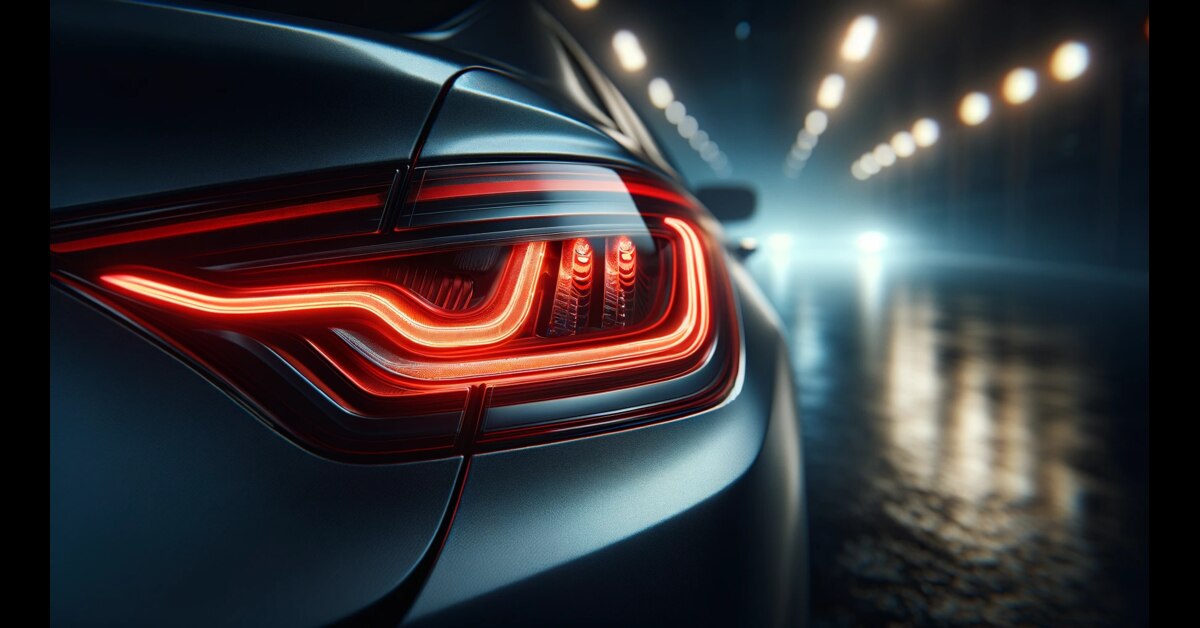
Brake lamps are one of the most critical safety features in your vehicle. They alert other drivers when you’re slowing down or stopping and help prevent accidents. In this blog post, we’ll dive deep into everything you need to know about brake lamps, their importance in vehicle safety, and the key components of a brake lamp system.
We will also discuss common issues with brake lamps, why your brake light might be on, and potential causes of brake lamp failure.
Additionally, we will cover different types of brake lamps, how to change a brake lamp, when to replace a brake lamp, and how to inspect them.
By the end of this post, you’ll have all the knowledge you need to keep your brake lamps functioning correctly and ensure your safety on the road.
Understanding Brake Lamp and its Importance
Brake lamps, a crucial safety feature in vehicles, play a vital role in signaling to other drivers when you are braking.
They help prevent rear-end collisions by warning drivers behind you that you are slowing down or stopping. Required by law, brake lamps ensure the safety of both drivers and pedestrians on the road.
Complementing other braking components, the brake lamp system is essential for overall vehicle safety. Regular maintenance and inspection are necessary to ensure proper functioning.
The Role of Brake Lamp in Vehicle Safety
Brake lamps play a vital role in vehicle safety. They serve as a visual warning to other drivers, allowing them to react and adjust their driving accordingly. By alerting other drivers, brake lamps help reduce the risk of accidents, especially in situations where sudden braking is necessary.
In conjunction with other safety features like brake warning lights, properly functioning brake lamps ensure optimal braking performance and contribute to overall road safety for all motorists. With properly functioning brake lamps, you can have peace of mind knowing that your braking actions are effectively communicated to others on the road.
Key Components of a Brake Lamp System
The components that make up a brake lamp system work together to ensure the proper illumination of the brake lamps. These components include brake light bulbs, wiring, a brake light switch, and a fuse. Halogen or LED brake light bulbs provide the necessary light source.
The brake light switch, typically located near the brake pedal, detects when the pedal is pressed, triggering the brake lamp illumination. Wiring connects the bulbs, switch, and fuse, allowing for the flow of electrical current. The fuse protects the system from electrical overload, preventing damage to the bulbs and related components.
Common Issues with Brake Lamp
The brake light warning light on the dashboard is an indication of a problem with the brake lamp system. This requires immediate attention to ensure vehicle safety and comply with traffic regulations.
Common issues with brake lamps include blown bulbs, damaged wiring, faulty switches, and loose or corroded connections. Water ingress, particularly in the brake light housing, can also lead to brake lamp malfunction. Timely diagnosis and resolution of these issues are essential for maintaining vehicle safety.
Why is My Brake Light On?
Potential causes for a brake light to illuminate include low brake fluid, brake system malfunctions, or the parking brake being engaged. If the warning light remains on, it’s important to have the brake system inspected by a professional to identify and address any underlying issues.
Potential Causes of Brake Lamp Failure
Brake lamp failure can occur due to various reasons that need to be addressed promptly. One common cause is a blown brake light bulb, which should be replaced when necessary. Damaged or frayed wiring can also result in brake light malfunction.
Additionally, a faulty brake light switch or corrosion and water damage to the brake light socket, wiring, or connectors can impact the electrical connection and lead to brake lamp failure. Issues with the brake lamp system, such as blown fuses or malfunctioning brake light control modules, can also contribute to brake lamp failure.
Brake Warning Lights and Their Meanings
Brake warning lights, such as the brake light warning light, ABS light, or brake system warning light, indicate potential issues within the brake system. The brake light warning light usually illuminates when there is a problem with the brake lamp system, such as a blown bulb or a malfunctioning switch.
The ABS light warns of a fault in the Anti-lock Braking System, which can affect braking performance and stability. The brake system warning light, often accompanied by a message, signifies a more severe brake system issue that may require immediate attention for safety. Ignoring these warning lights can lead to critical brake system faults.
What Should You Do If Your Brake Light Comes On?
If your brake light comes on, there are a few steps you can take. First, check the bulbs for any signs of damage and replace them if needed. Inspect the brake light switch near the pedal to ensure proper operation.
Check the fuse box for a blown brake light fuse. If issues persist, have a qualified technician inspect your brake system for any underlying problems. Prompt attention to brake light issues ensures safety and compliance with traffic regulations.
Types of brake lamps
Halogen brake light bulbs, commonly found in older vehicles, emit a bright, white light that enhances visibility. LED brake light bulbs are becoming more popular due to their instant activation, energy efficiency, and longer lifespan compared to halogen bulbs. High-mounted brake lights, also known as third brake lights, are positioned higher than traditional brake lamps, improving visibility for drivers behind.
Some brake light systems incorporate additional features like brake light bars, which provide a continuous strip of light to increase braking visibility. Customized brake light designs offer aesthetic options such as clear lenses, smoked lenses, or LED light strips.
How to change a brake lamp
To change a brake lamp, start by locating the brake light housing, usually accessed from inside the trunk or through the exterior, depending on the vehicle. Remove any screws, clips, or fasteners securing the housing to access the brake light bulb.
Disconnect the electrical connector attached to the bulb and carefully twist it counterclockwise to remove. Insert the new bulb into the socket, twist it clockwise to secure, and reconnect the electrical connector.
When to replace a brake lamp
Regularly inspect your brake lamps for signs of damage, wear, or discoloration on the lens. If your brake lamps are dim, flickering, or not working at all, it’s time to replace them. Consider replacing brake lamps that are older than 3 years.
Before embarking on long trips or during inclement weather, ensure that your brake lamps are functioning properly. Stay proactive in maintaining the safety of your vehicle by keeping a close eye on your brake lamps.
How to inspect a brake lamp
To inspect a brake lamp, begin by activating the brake light and parking brake. From outside the vehicle, check for a bright, consistent light. Ensure that both the brake light and brake warning light on the dash are properly illuminated. Examine the wiring, connectors, and sockets for damage or loose connections. Consult the vehicle’s manual for specific inspection instructions if needed.
Brake lamp installation guide
To install a brake lamp, first locate the brake lamp assembly on your vehicle. Prior to starting the installation process, disconnect the negative battery cable to prevent any electrical accidents. Next, remove any screws, clips, or fasteners securing the brake lamp assembly.
Carefully disconnect the wiring harness from the brake light bulb socket. Install the new brake light bulb, ensuring a secure connection, and then reassemble the brake lamp assembly.
Frequently Asked Questions
How do brake lamps work?
When the brake pedal is pressed, an electrical signal triggers the brake lamp to illuminate, indicating that the vehicle is slowing down or stopping. Brake lamps contain a filament that emits light when electricity passes through it. Some modern cars use LED brake lamps, which produce light using semiconductors.
What should I do if my brake lamp isn’t working?
If your brake lamp isn’t working, there are a few steps you can take. First, check the bulb to see if it needs replacing. If that’s not the issue, inspect the fuse and wiring for any damage or loose connections. If you can’t identify or fix the problem, it’s best to consult a mechanic or auto repair shop. Remember, functioning brake lamps are crucial for road safety.
What are some common reasons that a brake lamp may stop working?
Some common reasons for a brake lamp to stop working include a burnt-out bulb, a blown fuse, a broken wire, or a faulty brake switch. Regularly checking and replacing the bulbs can help prevent brake lamp issues.
Conclusion
In conclusion, understanding the importance of brake lamps and staying informed about common issues and troubleshooting steps is crucial for vehicle safety. Regularly inspecting and maintaining your brake lamps can help prevent accidents and ensure that your vehicle is visible to other drivers on the road.
If you notice any issues with your brake lamps or if your brake warning light comes on, it is important to address the problem promptly. Remember, your brake lamps play a vital role in keeping you and others safe on the road.

I’m Emily Johnson, an affiliate marketer and blogger focused on lamps and lighting. I share honest reviews, simple buying guides, and practical tips. My goal is to help readers choose the right lamp for their space, style, and budget with confidence.