
How to Start an Oil Lamp:
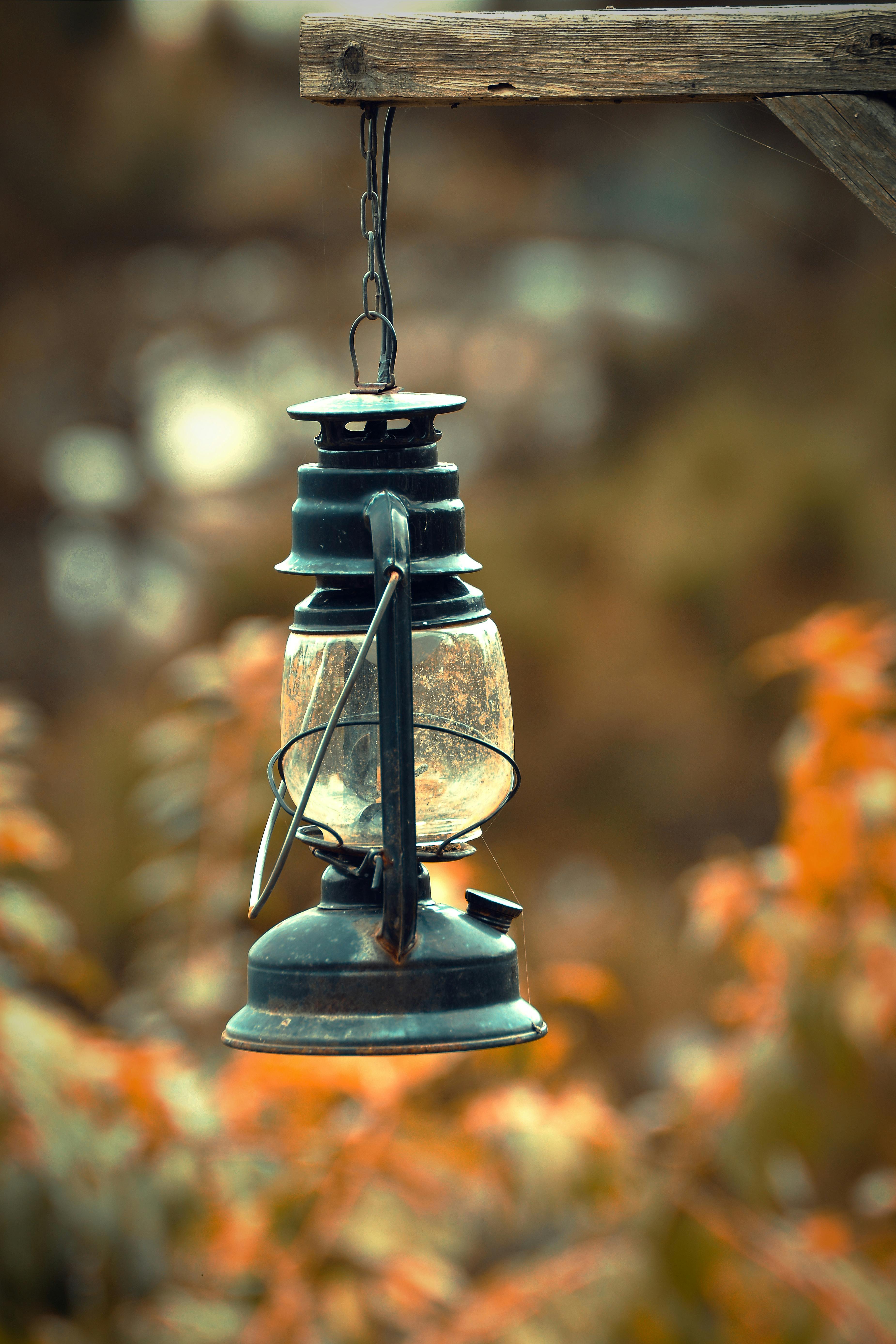
- Place the lamp on a stable surface away from flammable objects.
- Fill the lamp with clear lamp oil, leaving about 1 inch of space from the top.
- Insert the wick into the wick holder, making sure it is fully submerged in the oil.
- Let the wick soak in the oil for a few minutes.
- Light the wick using a long match or lighter.
- Adjust the flame height by turning the wick adjuster knob.
Source: pexels.com
Mastering the Art: How to Successfully Start an Oil Lamp
In this article, we will provide you with step-by-step instructions on how to start an oil lamp. Oil lamps have been used for centuries as a source of light and can add a touch of elegance to any room. By following these simple steps, you can safely and effectively start your own oil lamp.
Step 1: Choose the Right Oil
Before starting your oil lamp, it is important to choose the right type of oil. Most oil lamps are designed to burn lamp oil or kerosene. It is recommended to use a high-quality, clean-burning oil specifically made for oil lamps. Avoid using other types of fuel such as gasoline or cooking oil, as they can be dangerous and produce unpleasant odors.
Once you have selected the proper oil, fill your lamp reservoir to the recommended level. Be sure to use a funnel to avoid any spills or messes.
Step 2: Prepare the Wick
The wick is an essential component of an oil lamp as it helps to draw the oil up and provide a steady flame. Start by trimming the wick to a length of about 1/4 inch. This will ensure a clean and even burn. If the wick is too long, it may produce excessive smoke or cause the flame to flicker.
Once the wick is trimmed, soak it in the oil for a few minutes to allow it to absorb the fuel. This will help the wick to ignite more easily when you light the lamp.
Step 3: Light the Lamp
Now that you have prepared the oil and wick, it’s time to light the lamp. Using a long-reach lighter or a match, carefully ignite the tip of the wick. Hold the flame to the wick until it catches fire. Be cautious not to touch the flame or allow it to come into contact with any flammable materials.
Once the wick is lit, adjust the flame height by turning the wick adjuster knob or wheel. For a brighter flame, raise the wick slightly, and for a dimmer flame, lower the wick. It is important to find the right balance to ensure a steady and controlled burn.
Step 4: Safety Precautions
While oil lamps can provide a beautiful ambiance, it is essential to follow some safety precautions. Never leave an oil lamp unattended and keep it away from flammable materials such as curtains or paper. Ensure that the lamp is placed on a stable surface to prevent accidental tipping.
If you need to extinguish the flame, use a snuffer or carefully blow it out. Avoid using water to put out the flame, as it can cause the hot oil to splatter and create a fire hazard.
Step 5: Maintenance and Cleaning
To keep your oil lamp in good working condition, regular maintenance and cleaning are necessary. Trim the wick regularly to remove any charred or burnt portions. Clean the glass chimney with a soft cloth or glass cleaner to remove any soot or residue.
Additionally, it is important to periodically replace the oil in the reservoir to prevent the buildup of contaminants. Dispose of the old oil properly and refill with fresh oil.
Step 6: Enjoy the Glow
Now that you have successfully started your oil lamp, sit back and enjoy the warm and comforting glow it provides. Oil lamps can create a cozy and nostalgic atmosphere in any space. Just remember to always practice safety and follow the manufacturer’s instructions for your specific oil lamp model.
Frequently Asked Questions
Here are some common questions about starting an oil lamp:
How do I prepare an oil lamp before lighting it?
Before lighting an oil lamp, you need to ensure that it is properly prepared. Here are the steps to follow:
First, choose the right type of lamp oil. It is recommended to use a high-quality, clear lamp oil that is designed for indoor use. Avoid using oils that contain additives or scents, as they can produce unpleasant odors or smoke.
Next, fill the oil reservoir of the lamp with the lamp oil. Be careful not to overfill it, as this can cause spills or accidents. Leave some space at the top to allow for the expansion of the oil when it heats up.
How do I light an oil lamp safely?
Lighting an oil lamp requires caution to ensure safety. Follow these steps to light your oil lamp safely:
Start by placing the lamp on a stable and heat-resistant surface. Avoid placing it near flammable materials or in drafty areas. Make sure the wick is trimmed to a proper length, typically around ¼ inch.
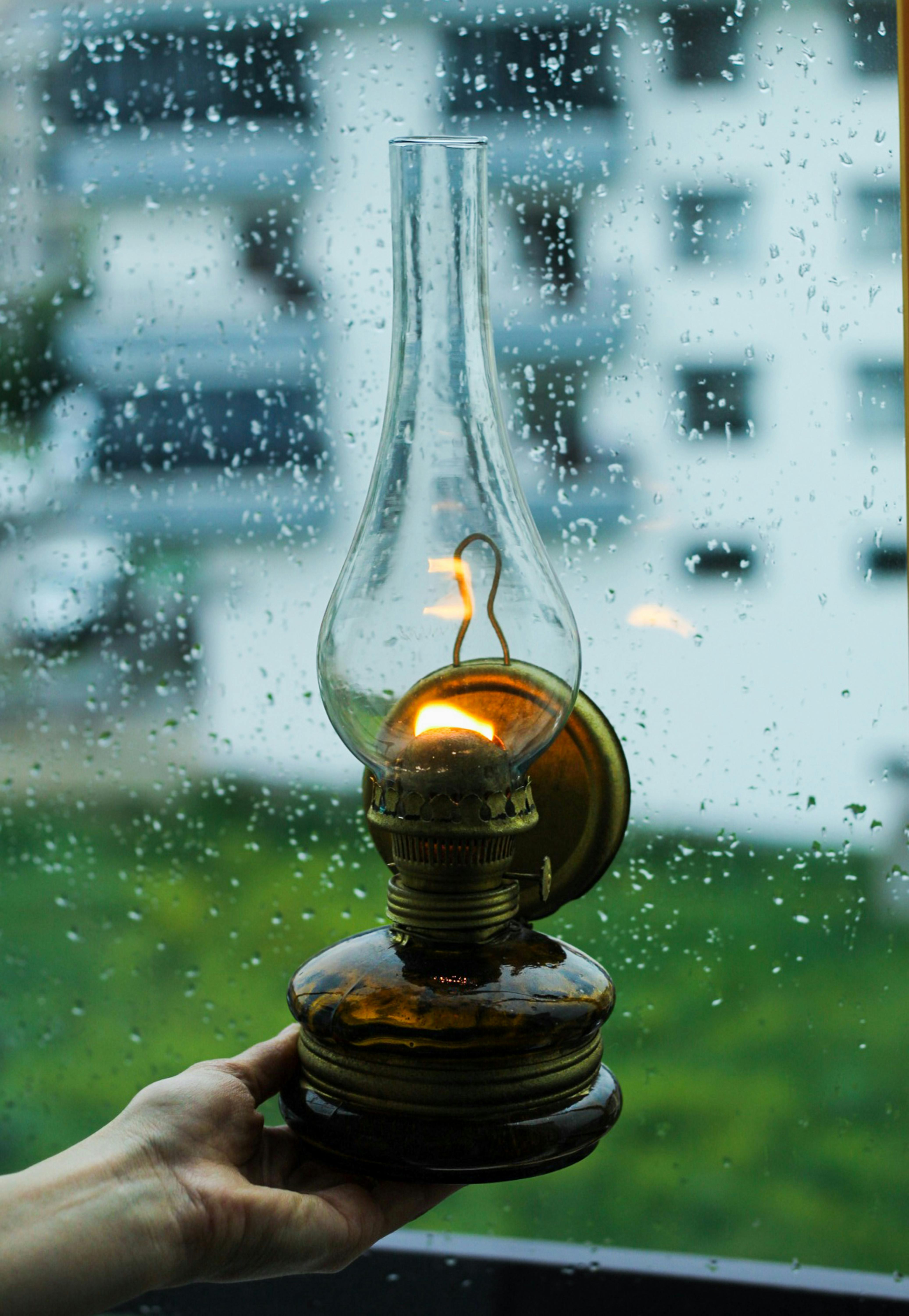
Using a long fireplace match or a candle lighter, carefully light the wick of the lamp. Avoid using regular matches or lighters, as they may not be long enough to reach the wick without risking burns. Once lit, adjust the flame to your desired brightness by turning the wick adjuster knob.
How do I extinguish an oil lamp?
To safely extinguish an oil lamp, follow these steps:
First, turn the wick adjuster knob to its lowest position to minimize the flame. This will help prevent any excess smoke or soot. Wait for a few minutes to allow the lamp to cool down before proceeding.
Next, gently blow on the flame or use a candle snuffer to extinguish it. Avoid blowing too hard, as this can cause the flame to flare up or spread. Once the flame is extinguished, wait for the lamp to cool down completely before handling it or refilling the oil reservoir.
How often should I clean my oil lamp?
Regular cleaning is important to maintain the performance and longevity of your oil lamp. Here are some guidelines:
It is recommended to clean the oil lamp after every 8-10 hours of use or when you notice a buildup of soot or residue. Start by extinguishing the flame and allowing the lamp to cool down completely. Carefully remove the glass chimney and set it aside.
Using a soft cloth or sponge, gently wipe the exterior of the lamp with warm, soapy water. Avoid using abrasive cleaners or scrubbing too hard, as this can damage the finish. Rinse the lamp with clean water and dry it thoroughly before reassembling.
Are there any safety precautions I should keep in mind when using an oil lamp?
Yes, there are some important safety precautions to consider when using an oil lamp:
Always place the lamp on a stable, heat-resistant surface away from flammable materials. Keep the lamp out of the reach of children and pets to prevent accidents. Never leave a burning oil lamp unattended, and always extinguish the flame before leaving the room or going to bed.
Additionally, ensure that the lamp is properly ventilated to prevent the buildup of fumes. Avoid placing the lamp in drafty areas, as this can cause the flame to flicker or become unstable. Lastly, follow the manufacturer’s instructions for proper use and maintenance of your specific oil lamp.
Source: pexels.com
Final Words:
In conclusion, mastering the art of starting an oil lamp is a valuable skill that can bring a touch of nostalgia and warmth to any space. Whether you’re looking to create a cozy ambiance for a romantic dinner or simply enjoy the flickering glow during a power outage, understanding the proper steps is key. By following the guidelines outlined in this article, you’ll be able to confidently begin your journey into the world of oil lamps.
Remember, practice makes perfect. Don’t be discouraged if your first attempts are met with flickers and sputters. With patience and persistence, you’ll soon find yourself effortlessly igniting the wick and basking in the comforting glow of your oil lamp. So gather your supplies, find the perfect spot for your lamp, and let the enchantment of this timeless tradition illuminate your world.

I’m Emily Johnson, an affiliate marketer and blogger focused on lamps and lighting. I share honest reviews, simple buying guides, and practical tips. My goal is to help readers choose the right lamp for their space, style, and budget with confidence.