
Yes, you can use kerosene in an oil lamp. Kerosene is a common and suitable fuel for oil lamps, providing a steady source of light.
When it comes to lighting your home, there are many options to choose from. One traditional option that has stood the test of time is an oil lamp. But what kind of oil should you use? Can you use kerosene in an oil lamp? In this blog post, we will explore whether kerosene is a suitable fuel for oil lamps and discuss the potential benefits and drawbacks of using it.
Whether you’re a collector of antique oil lamps or simply looking for an alternative lighting option, understanding the proper fuel to use is essential. So, let’s shed some light on the topic and find out if kerosene is a viable option for your oil lamp.
Understanding The Basics Of Oil Lamps
Using kerosene in an oil lamp is possible and commonly done, as kerosene is a suitable fuel for these lamps. However, it is important to understand the basics of oil lamps and their maintenance to ensure optimal performance and safety.
What Is An Oil Lamp?
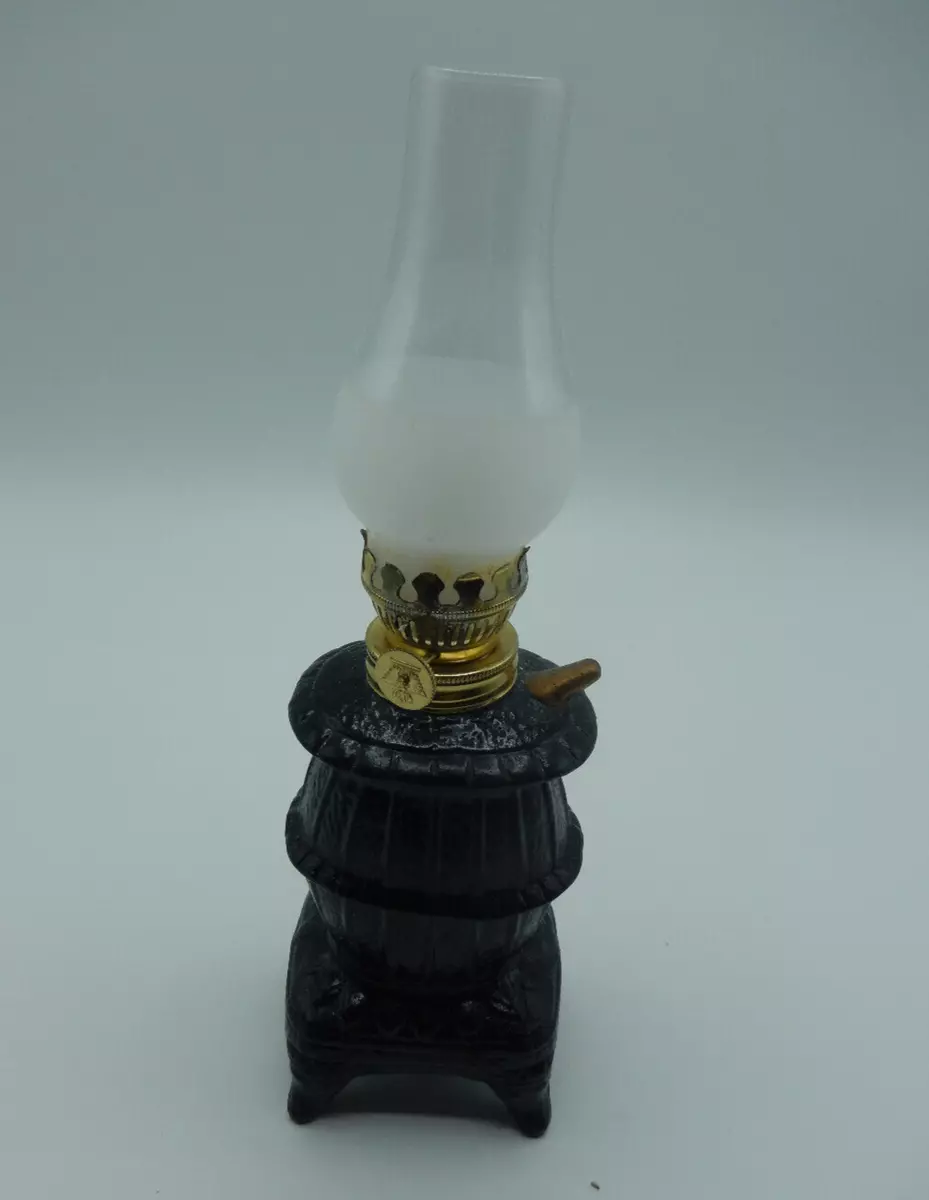
An oil lamp is a simple yet ingenious device that has been used for centuries to provide light in homes, particularly in times when electricity was not available. It consists of a container, known as a font or reservoir, which holds the liquid fuel, and a wick, which draws up the fuel and allows it to burn. Oil lamps come in various styles and sizes, from small portable lamps to larger, more ornate ones used for decorative purposes.
How Does An Oil Lamp Work?
Understanding how an oil lamp works is crucial before attempting to use one. The process is surprisingly straightforward:
- The lamp is filled with a suitable fuel such as kerosene or lamp oil, ensuring not to overfill as it may cause spills or accidents.
- A wick is carefully inserted into the font, ensuring it is straight and positioned correctly.
- Initially, the wick needs to be saturated with fuel for a few moments before lighting it. This can be done by placing the wick in the raised position and allowing it to soak up the fuel.
- Once the wick is sufficiently saturated, it can be ignited using a match or a lighter. It is essential to take proper precautions and ensure there are no flammable materials nearby.
- The flame will start to burn steadily, providing a warm and ambient glow.
- To extinguish the flame, the wick can be gently pushed down into the font, cutting off the oxygen supply. Alternatively, a snuffer can be used to cover the flame.
An important aspect to note is that oil lamps require regular maintenance to ensure optimal performance. The wick should be trimmed regularly to prevent excessive smoking and soot buildup, and the font should be cleaned periodically to remove any residue or impurities that may affect the burning of the fuel.
By understanding the basics of oil lamps, you can not only appreciate their historical significance but also enjoy their charm and practicality in today’s world.
So, whether you are looking to create a cozy ambience during a power outage or simply longing for a touch of nostalgia, an oil lamp can be a versatile and reliable lighting option.

Credit: www.ebay.com
Exploring Different Types Of Oil Lamps
When it comes to lighting up your space with a cozy and nostalgic feel, oil lamps are an excellent choice. These classic light sources add warmth and character to any room, and can even be used during power outages or outdoor activities.
However, with different types of oil lamps available in the market, it can be overwhelming to choose the right one for your needs. In this article, we will explore some of the most popular types of oil lamps, including traditional wick oil lamps, Aladdin lamps, and hurricane lamps.
Traditional Wick Oil Lamps
Traditional wick oil lamps are the epitome of vintage charm. They have been used for centuries and are still widely popular today. These lamps typically consist of a simple glass or ceramic base, a wick, and a chimney that helps to direct the flame and prevent it from flickering. They are known for their simplicity and ease of use.
With a traditional wick oil lamp, you can use a variety of oils such as kerosene, lamp oil, or even vegetable oil. These lamps are versatile and can be used indoors or outdoors, making them a great choice for camping or romantic outdoor dinners under the stars.
It’s important to note that different oils may produce varying levels of odor and smoke, so choosing the right oil for your lamp is key.
Aladdin Lamps
If you’re looking for a more efficient and brighter option, Aladdin lamps are worth considering. These lamps are known for their impressive light output and clean-burning properties. Aladdin lamps utilize a mantle made of special materials that incandesce when heated, producing a much brighter light than traditional wick lamps.
Aladdin lamps are designed to use a specific type of fuel called Aladdin lamp oil or white gas. This specialized fuel burns cleaner and emits less odor and smoke compared to other oils. The combination of the mantle and the high-quality fuel makes Aladdin lamps a popular choice for those who prioritize brightness and efficiency.
Hurricane Lamps
As the name suggests, hurricane lamps are designed to withstand strong winds, making them suitable for outdoor use during stormy weather conditions. These lamps are known for their robust construction and ability to provide a steady and reliable light source even in unfavorable weather.
Hurricane lamps usually come with a built-in glass or metal shield that surrounds the flame, protecting it from the wind. This design feature not only ensures that the flame remains steady but also reduces the risk of accidental fires.
These lamps can be fueled with various types of oils, including kerosene and lamp oil, making them versatile and suitable for both indoor and outdoor use.
In conclusion, when it comes to choosing an oil lamp, there are several options to consider. Traditional wick oil lamps offer a classic and charming aesthetic, while Aladdin lamps provide a brighter and more efficient light.
If you need a lamp that can withstand wind and adverse weather conditions, hurricane lamps are the way to go. Ultimately, the choice depends on your personal preferences and the specific lighting needs of your space.
Alternative Fuel Options For Oil Lamps
When it comes to oil lamps, there are various alternative fuel options available that can be used as a substitute for kerosene.
While kerosene is the most commonly used fuel for oil lamps, there are other options that you can consider, such as lamp oil, vegetable oil, and olive oil. Each of these fuels has its own unique characteristics and benefits.
Kerosene
Kerosene is the traditional fuel choice for oil lamps and is widely available. It is a highly efficient fuel that produces a bright, steady flame. One of the advantages of using kerosene is its long burn time, allowing you to enjoy hours of uninterrupted light.
Additionally, kerosene is relatively inexpensive and can be stored for long periods without deteriorating. However, it is important to handle kerosene with caution and store it in a safe place away from children and heat sources.
Lamp Oil
Lamp oil, also known as paraffin oil or liquid paraffin, is another popular fuel option for oil lamps. It is a clear, odorless, and smokeless fuel that burns cleanly, producing a steady flame. Lamp oil is easy to ignite and provides a soft, warm glow, making it ideal for creating a cozy ambiance.
It is generally more expensive than kerosene but offers a cleaner-burning alternative for those who are sensitive to smells or allergic to kerosene.
Vegetable Oil
For those who prefer a more eco-friendly option, vegetable oil can be used as a substitute fuel for oil lamps. This can include oils such as canola, soybean, or corn oil, which are readily available in most households. Vegetable oil burns with a soft flame and emits a subtle, pleasant aroma.
However, it is important to note that vegetable oil has a higher burn rate compared to kerosene or lamp oil, meaning it may not last as long. Additionally, vegetable oil can produce more soot and residue, requiring more frequent cleaning of the lamp.
Olive Oil
Olive oil, known for its versatility in the kitchen, can also be used as an alternative fuel option for oil lamps. It is a natural, renewable resource that emits a soothing fragrance when burned.
While olive oil may not burn as brightly as kerosene or lamp oil, it can still provide a gentle, flickering light. Keep in mind that olive oil tends to burn faster compared to other fuel options, so you may need to replenish the oil more frequently.
Additionally, extra-virgin olive oil is not recommended for use in oil lamps due to its low smoke point, which can lead to excessive smoke and soot buildup.
When considering alternative fuel options for oil lamps, it is important to choose a fuel that is compatible with your lamp and meets your specific requirements.
Whether you opt for kerosene, lamp oil, vegetable oil, or olive oil, each fuel has its own unique characteristics that can enhance your lighting experience. Experimenting with different fuels can add versatility and personalization to your oil lamp usage.

Credit: www.amazon.com
Can I Use Kerosene In An Oil Lamp?
Oil lamps have been used for centuries to provide lighting in homes, and they continue to be a popular choice today for their charming ambiance. When it comes to fueling an oil lamp, one common question that arises is whether you can use kerosene as a fuel source.
In this article, we will explore the pros and cons of using kerosene in an oil lamp, as well as safety considerations to keep in mind.
Pros And Cons Of Using Kerosene
Using kerosene in an oil lamp has both advantages and disadvantages. Let’s explore some of the key points:
Advantages:
- Kerosene is widely available and relatively inexpensive, making it a cost-effective choice for fueling your oil lamp.
- It has a high energy density, which means it produces a bright and steady flame that can provide ample illumination.
- Due to its low viscosity, kerosene flows easily through the wick and allows for a consistent burn.
Disadvantages:
- Kerosene has a distinct odor and may produce smoke when burned, which can be bothersome to some individuals.
- It can be more difficult to clean up any spills or soot buildup that may occur when using kerosene as opposed to other fuel options.
- While kerosene is generally safe to use, it is a flammable liquid, so proper storage and handling are crucial to prevent accidents.
Safety Considerations When Using Kerosene
When using kerosene in an oil lamp, it is important to prioritize safety to avoid any potential hazards. Here are some essential safety considerations:
- Ensure proper ventilation in the area where the oil lamp is being used to minimize the risk of fumes accumulating.
- Always keep the lamp away from flammable materials and objects.
- Use a designated, approved kerosene container for storage to prevent accidental spills or leaks.
- When refueling the lamp, make sure to allow it to cool down completely before adding more kerosene.
- Regularly inspect and maintain the oil lamp, including checking the wick and burner for any signs of wear or damage.
By adhering to these safety precautions, you can enjoy the warm glow of your oil lamp with peace of mind.
In conclusion, while using kerosene in an oil lamp has its pros and cons, it can be a viable option if approached with caution. Understanding the advantages and disadvantages, as well as implementing proper safety measures, will ensure a pleasant and safe experience when using kerosene in your oil lamp.
Discovering Other Fuel Options For Oil Lamps
If you’ve ever used an oil lamp, you know that lamp oil, also known as kerosene, is the traditional fuel choice. But what if you find yourself in a situation where lamp oil is not readily available? Or maybe you simply want to explore alternative fuel options for your oil lamp.
In this section, we will discuss the advantages and disadvantages of lamp oil, as well as the use of vegetable oil or olive oil as alternatives.
Advantages And Disadvantages Of Lamp Oil
Lamp oil, or kerosene, has been the go-to fuel for oil lamps for a long time. It offers several advantages:
- Long-lasting: Lamp oil provides a steady and long-lasting source of light, perfect for extended periods of use.
- Low cost: Compared to other fuel options, such as candles or battery-powered lights, lamp oil is relatively inexpensive.
- Readily available: Lamp oil is easily found in hardware stores, home improvement centers, and even some grocery stores.
However, lamp oil does have its drawbacks:
- Odor: Lamp oil has a distinct, often unpleasant odor that some find bothersome.
- Fumes: Burning kerosene can release fumes that may irritate the throat and nose.
- Flammable: Lamp oil is highly flammable, requiring caution during use and storage.
Using Vegetable Oil Or Olive Oil As Alternative Fuels
If you find yourself without lamp oil or prefer a more eco-friendly option, vegetable oil or olive oil can be used as alternative fuels for your oil lamp. Here are a few things to consider:
- Readily available: Both vegetable oil and olive oil are commonly found in any kitchen, making them easily accessible substitutes.
- Cost-effective: Using cooking oils as fuel can be a cost-effective solution, as they are usually already present in your pantry.
- Reduced odor: Vegetable oil and olive oil produce less odor when burned compared to lamp oil, resulting in a more pleasant experience.
However, there are a few limitations when using vegetable oil or olive oil:
- Burning time: Cooking oils tend to burn faster than lamp oil, so you may need to refill your oil lamp more frequently.
- Smoke: Vegetable oil and olive oil can create slightly more smoke when burned, potentially leading to a buildup of soot on your lamp’s chimney.
In conclusion, while lamp oil is the traditional and recommended fuel for oil lamps, it’s good to know that alternative options like vegetable oil or olive oil can be used in a pinch. Consider the advantages and disadvantages of each fuel type and choose what best suits your needs.
Credit: www.ebay.com
Frequently Asked Questions On Can I Use Kerosene In An Oil Lamp
Can Kerosene Be Used In An Oil Lamp?
Yes, kerosene can be used in an oil lamp as it provides a long-lasting and bright flame.
Will Using Kerosene Affect The Performance Of My Oil Lamp?
No, using kerosene in an oil lamp will not affect its performance, as long as the lamp is designed to burn kerosene.
Can I Use Other Types Of Fuel In My Oil Lamp Instead Of Kerosene?
It is best to use the type of fuel recommended by the manufacturer of your oil lamp, as using other fuels may damage the lamp or compromise its safety.
Is Kerosene Readily Available For Use In Oil Lamps?
Yes, kerosene is widely available and can be purchased from hardware stores, home improvement centers, and some convenience stores for use in oil lamps.
Conclusion
To sum up, using kerosene in an oil lamp is indeed possible. Kerosene is a common fuel choice for oil lamps as it burns efficiently and provides a steady source of light. However, it is crucial to follow safety precautions and use the right type of oil lamp to ensure proper functioning.
Always read the manufacturer’s guidelines and maintain the lamp for optimal performance. Happy oil lamp lighting!

I’m Emily Johnson, an affiliate marketer and blogger focused on lamps and lighting. I share honest reviews, simple buying guides, and practical tips. My goal is to help readers choose the right lamp for their space, style, and budget with confidence.