
Yes, you can burn alcohol in an oil lamp. An oil lamp is not limited to burning only oil, but can also utilize other flammable liquids like alcohol.
When alcohol is poured into an oil lamp and ignited, it will produce a flame that can provide light and heat. This is especially useful in situations where oil or other traditional lamp fuels may not be readily available.
Burning alcohol in an oil lamp can be a convenient and accessible alternative for illuminating and warming your surroundings.
However, it is important to follow safety precautions and guidelines when handling and using flammable substances.
Understanding Alcohol As Fuel
When it comes to alternative fuel sources for lighting, alcohol is a popular choice. Whether you are a camper, a survivalist, or simply enjoy the cozy ambiance of an oil lamp, using alcohol as fuel can provide you with a reliable and renewable energy source.
But before you start pouring vodka into your oil lamp, it’s important to understand the different types of alcohol that can be used as fuel and the properties and characteristics that make alcohol an effective choice.
Different Types Of Alcohol As Fuel
Not all alcohols are created equal when it comes to serving as fuel for an oil lamp. The most commonly used alcohols for this purpose are ethanol and methanol. Ethanol, which is commonly found in alcoholic beverages, is often referred to as “grain alcohol” and is highly effective as a fuel source.
Methanol, on the other hand, is a simpler alcohol derived from wood or coal and is commonly referred to as “methyl alcohol.” Both of these alcohols can be used interchangeably as fuel, but it’s important to keep in mind that methanol burns at a higher temperature, making it better suited for outdoor use or lamps with a heat-resistant glass chimney.
Properties And Characteristics Of Alcohol As Fuel
Alcohol, whether ethanol or methanol, possesses several properties and characteristics that make it an ideal fuel source for oil lamps. These include:
- High flammability: Alcohol has a low flash point, which means it ignites easily and burns cleanly. This makes it an efficient fuel choice for oil lamps as it produces a bright flame with minimal smoke or soot.
- Renewable and sustainable: Unlike fossil fuels, alcohol is a renewable resource. It can be produced from plants, such as sugarcane or corn, through a process of fermentation and distillation. This makes alcohol a sustainable fuel option that reduces reliance on non-renewable resources.
- Low toxicity: While it is important to handle alcohol carefully and avoid ingestion, it is generally less toxic than other fuel options. Methanol, in particular, should be handled with caution as it can be poisonous if ingested or absorbed through the skin.
- Availability: Alcohol is readily available in various forms, from denatured alcohol available in hardware stores to rubbing alcohol found in pharmacies. This accessibility makes it a convenient choice for those in need of fuel for their oil lamps, particularly in emergency situations.
- Ease of storage and transport: Alcohol can be safely stored and transported without the need for specialized containers. Its low volatility and stability make it a practical option for anyone needing to stock up on fuel for their oil lamps.
In conclusion, alcohol serves as an excellent fuel choice for oil lamps due to its high flammability, renewability, low toxicity, availability, and ease of storage.
By understanding the different types of alcohol that can be used and the properties and characteristics that make alcohol an efficient fuel source, you can confidently utilize alcohol in your oil lamps for a bright and reliable source of light.

Credit: www.amazon.com
The Mechanism Of Burning Alcohol In An Oil Lamp
When it comes to lighting up a room or creating a cozy atmosphere, oil lamps have been a popular choice throughout history. Traditionally, these lamps are filled with lamp oil to create a steady and bright flame. However, did you know that alcohol can also be used as a substitution for traditional lamp oil?
Can You Burn Alcohol in an Oil Lamp?
Alcohol can be burned in an oil lamp as long as the lamp is designed for it. Some stovetop models come with provisions for burning alcohol, but using it incorrectly can be dangerous. Alcohol needs to burn clean at lower temperatures than most traditional lamps, which means you may need to make some adjustments to your lamp’s wick thickness or materials.
Burning alcohol in an oil lamp can be tricky and might cause a fire if not done correctly. It’s key to always follow safety measures when handling fire, use designated lamps or equipment for burning alcohol and never let it unattended.
How Alcohol Combustion Works
Before we dive into the details of using alcohol in an oil lamp, let’s first understand how alcohol combustion works. Combustion is a chemical reaction that occurs when a substance reacts with oxygen, producing heat and light. When alcohol is burned, it undergoes a process called oxidation, where it reacts with oxygen in the air to release energy.
During this reaction, the alcohol molecules break apart, releasing carbon dioxide and water vapor as byproducts. The heat released by combustion causes the alcohol to vaporize, and the vapor mixes with oxygen in the air to create a flammable mixture. When this mixture is ignited, it produces a clean and efficient flame that can be used to illuminate a room.
Alcohol As A Substitution For Traditional Lamp Oil
Now that we understand the mechanism of alcohol combustion, let’s explore why it can be used as a substitution for traditional lamp oil. One of the main advantages of using alcohol in an oil lamp is its availability and affordability.
- Alcohol, such as denatured alcohol or isopropyl alcohol, is readily available in most households or can be easily purchased from stores.
- Compared to lamp oil, alcohol is often more affordable, making it an economical choice for those looking for a budget-friendly option.
- By using alcohol in an oil lamp, you can repurpose common household supplies and reduce your reliance on traditional lamp oil.
Moreover, alcohol burns relatively cleanly and produces minimal soot or smoke, making it a cleaner alternative to traditional lamp oil. This can be particularly beneficial for individuals with respiratory sensitivities or allergies.
In conclusion, the mechanism of burning alcohol in an oil lamp is quite fascinating. Understanding how alcohol combustion works allows us to appreciate this alternative choice for lighting up our homes. So, the next time you find yourself in need of lighting, consider reaching for that bottle of alcohol to create a warm and inviting ambiance.
Benefits And Challenges Of Burning Alcohol In An Oil Lamp
When it comes to choosing a fuel source for your oil lamp, alcohol is a popular option. Burning alcohol in an oil lamp has both benefits and challenges that are worth considering. In this article, we will explore the advantages of using alcohol as fuel in oil lamps, as well as the disadvantages and limitations that come with it.
Advantages Of Using Alcohol In Oil Lamps
- High Availability: Alcohol is readily available in various forms, such as denatured alcohol or rubbing alcohol, making it easy to acquire for fueling oil lamps.
- Safe and Clean Burning: Alcohol burns cleanly without producing harmful fumes or smoke, making it safer for indoor use compared to other fuel sources.
- Less Odor: When burning alcohol in an oil lamp, you can enjoy a reduced odor compared to other fuel types, ensuring a more pleasant ambiance in your living space.
- Adjustable Flame: Alcohol allows you to have control over the size and intensity of the flame by adjusting the wick height or using a burner with a built-in flame regulator.
- Ease of Use: Fueling an oil lamp with alcohol is relatively simple and hassle-free. You can easily pour the alcohol into the lamp, light the wick, and enjoy a steady and reliable source of light.
Disadvantages And Limitations Of Alcohol As Fuel In Lamps
- Lower Heat Output: Compared to other fuel sources like kerosene or lamp oil, alcohol tends to produce less heat, which may make it less effective for warming purposes.
- Shorter Burn Time: Alcohol has a relatively shorter burn time compared to other fuel options. This means you will need to refuel the lamp more frequently, especially if you plan to use it for extended periods.
- Flame Susceptibility: Alcohol is highly flammable, posing a higher risk of accidental fires if not handled with caution. It is essential to take proper safety precautions when burning alcohol in an oil lamp.
- Higher Cost: Depending on your location and the type of alcohol used, the cost of alcohol fuel can be higher compared to other fuel options, which may add to long-term expenses.
- Storage Limitations: Alcohol as a fuel has specific storage requirements due to its flammable nature. It is crucial to store alcohol safely away from sources of heat or ignition to prevent accidents.
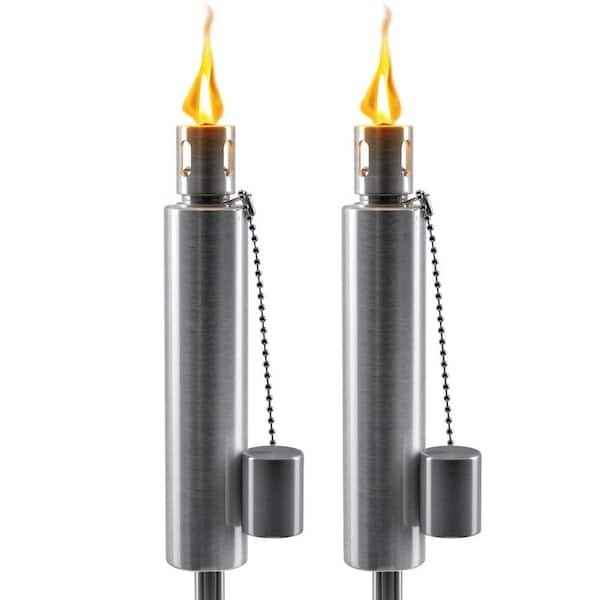
Credit: www.homedepot.com
Exploring Practical Applications And Safety Considerations
Exploring the practical applications and safety considerations of burning alcohol in an oil lamp, including its feasibility, advantages, and precautions to ensure safe usage.
Practical Uses And Scenarios For Alcohol-fueled Oil Lamps
When it comes to alternative lighting options, alcohol-fueled oil lamps have gained popularity due to their simplicity and versatility. These lamps can be an excellent choice for various practical applications, providing a warm, flickering glow that creates a cozy atmosphere. Here are some practical uses and scenarios where alcohol-fueled oil lamps can come in handy:
- Outdoor Entertaining: Whether you’re hosting a backyard dinner party or relaxing on the patio, alcohol-fueled oil lamps can enhance the ambiance and add a touch of elegance to your outdoor space.
- Camping Adventures: When you’re out in the wilderness, having a reliable and portable light source is essential. Alcohol-fueled oil lamps can be a safe and convenient lighting solution, especially in areas where open fires might not be allowed.
- Power Outages: When the power goes out unexpectedly, having an alcohol-fueled oil lamp readily available can ensure that you have reliable and long-lasting illumination until the electricity is restored.
- Decorative Lighting: Alcohol-fueled oil lamps can be a unique and stylish addition to your home decor. They can be placed on tables, mantels, or shelves to create a warm and inviting ambiance.
- Emergency Preparedness: Being prepared for emergencies is crucial, and having an alcohol-fueled oil lamp as part of your emergency kit can provide you with a reliable light source during extended power outages or natural disasters.
Safety Measures And Precautions When Burning Alcohol In An Oil Lamp
While alcohol-fueled oil lamps can be a convenient lighting solution, it’s essential to prioritize safety. Follow these safety measures and precautions to ensure a secure and enjoyable experience:
- Choose a Suitable Lamp: Select an oil lamp specifically designed for burning alcohol. These lamps typically have a secure reservoir and a wick that can handle alcohol-based fuels effectively.
- Use Only Denatured Alcohol: Denatured alcohol is the preferred fuel for oil lamps as it burns more cleanly and reduces the risk of soot buildup. Avoid using rubbing alcohol, which can have a lower flashpoint and may pose a safety risk.
- Keep Flammable Materials Away: When burning alcohol in an oil lamp, make sure to keep flammable materials, such as curtains, paper, and clothing, at a safe distance. This precaution prevents accidental fires or burns.
- Monitor the Flame: Keep an eye on the flame while the lamp is burning. If the flame becomes too high or flickers excessively, it may indicate a problem. Adjust the wick or extinguish the flame if necessary.
- Position the Lamp Properly: Place the lamp on a stable and level surface to prevent tipping or accidental spills. Avoid placing the lamp near highly flammable objects or in areas with strong drafts.
- Extinguish with Caution: When you’re done using the lamp, allow it to cool down before safely extinguishing the flame. Never leave a burning lamp unattended.
Remember, following these safety measures and precautions will ensure that your experience with burning alcohol in an oil lamp remains safe and enjoyable. Keep in mind that additional safety guidelines may apply, depending on the specific lamp model and brand. Always refer to the manufacturer’s instructions for the safest and most effective use of your alcohol-fueled oil lamp.
Frequently Asked Questions For Can You Burn Alcohol In An Oil Lamp
Can You Burn Alcohol In An Oil Lamp?
Yes, it is possible to burn alcohol in an oil lamp. Alcohol burns cleanly, leaving no soot or residue behind.
What Type Of Alcohol Can Be Used In An Oil Lamp?
Denatured alcohol is the recommended type of alcohol to use in an oil lamp. It is specifically designed for burning safely.
Is It Safe To Burn Alcohol In An Oil Lamp?
Burning alcohol in an oil lamp is generally safe as long as the lamp is used according to the manufacturer’s instructions and safety precautions are followed.
How Long Does Alcohol Burn In An Oil Lamp?
The burning time of alcohol in an oil lamp depends on the lamp’s size and the amount of alcohol used. On average, it can burn for several hours before needing to be refilled.
Conclusion
It is indeed possible to burn alcohol in an oil lamp, making it a viable alternative fuel source. However, it is essential to exercise caution and use the appropriate equipment to ensure safety and efficiency.
Whether it’s for emergency situations or outdoor activities, utilizing alcohol in oil lamps can provide a reliable and sustainable lighting solution.
So, give it a try and illuminate your surroundings with this innovative and accessible substitute.

I’m Emily Johnson, an affiliate marketer and blogger focused on lamps and lighting. I share honest reviews, simple buying guides, and practical tips. My goal is to help readers choose the right lamp for their space, style, and budget with confidence.