
To make a clay oil lamp, mold the clay into a bowl shape and create a small spout for the wick. Then, let the clay dry and paint the lamp with oil-resistant paint for a finishing touch.
Creating your own clay oil lamp can be a rewarding and enjoyable craft project. Oil lamps have a long history and are often associated with a warm and cozy ambiance. Making a clay oil lamp is a simple and accessible task that allows you to personalize and customize your lighting source.
Whether you are looking to add a rustic touch to your home decor or create a unique gift, a clay oil lamp can be a creative and practical choice. In this guide, we will walk you through the step-by-step process of making your own clay oil lamp, from molding the clay to adding the finishing touches. So gather your materials and let’s get started!
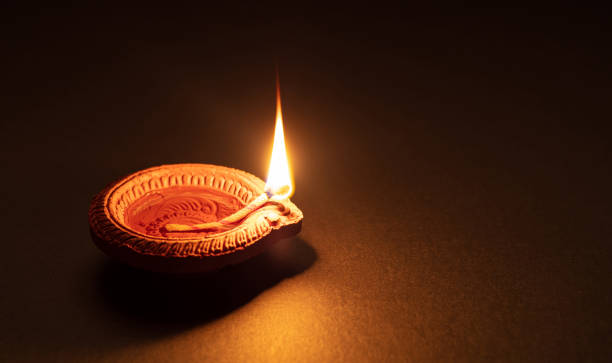
Credit: www.istockphoto.com
How to Make a Clay Oil Lamp? DIY Crafting Guide for Beginners
Embarking on the journey of crafting your own clay oil lamp is not only a delightful artistic endeavor but also a nod to ancient traditions that have illuminated homes for centuries.
In this beginner-friendly DIY guide, we’ll explore the step-by-step process of creating a unique and functional clay oil lamp. From molding the clay to personalizing the design, this project offers a hands-on experience that blends creativity with functionality.
Let’s delve into the world of pottery and light as we learn how to make a clay oil lamp from scratch.
Gathering Materials
Before you can start making a clay oil lamp, you need to gather the necessary materials. Let’s take a closer look at each component and explore how to choose the right clay, select the wick, and optionally incorporate decorative elements.
Choosing The Right Clay
In order to create a durable and functional oil lamp, it’s important to select the right type of clay. Opt for a clay that has high heat resistance and is suitable for firing or baking. Clay with a fine texture and low shrinkage rate is ideal for creating intricate shapes and designs.
Here’s a quick overview of the popular clay options:
| Clay Type | Properties |
|---|---|
| Earthenware clay | Lower firing temperatures, suitable for decorative lamps |
| Stoneware clay | Higher firing temperatures, more durable and functional lamps |
| Pottery clay | Versatile with various firing temperatures, commonly used for lamp making |
Consider your preferences and the desired outcome of your lamp when selecting the clay for your project.
Selecting The Wick
The wick plays a crucial role in the functionality of your clay oil lamp. It should be able to absorb and carry the oil efficiently, providing a steady and reliable flame. Here are some important factors to consider when choosing a wick:
- Material: Cotton wicks are commonly used due to their excellent absorbency and burn rate.
- Size: The wick should fit the size of your lamp’s oil reservoir to prevent excess oil consumption or insufficient wick exposure.
- Thickness: Thicker wicks produce bigger flames while thinner wicks result in smaller, controlled flames.
- Pre-waxed or unwaxed: Pre-waxed wicks are convenient, but if you choose an unwaxed wick, you can apply wax manually for better performance.
Evaluate these factors based on your needs and the type of oil lamp you’re aiming to create.
Optional Decorative Elements
Adding decorative elements to your clay oil lamp can enhance its visual appeal. While not essential for functionality, these elements can make your creation unique and personal. Here are some decorative ideas to consider:
- Carving patterns or symbols onto the lamp’s surface using carving tools or stamps.
- Applying colored slip or glaze to create vibrant designs.
- Embossing the clay with textures or imprints for added texture.
- Attaching clay ornaments or small sculptures to the lamp.
Remember to let your creativity shine and choose elements that reflect your personal style.

Credit: www.ebay.com
Preparing The Clay
When it comes to creating a clay oil lamp, one of the most important steps is preparing the clay. Properly kneading, conditioning, shaping the base, and creating the handle are all pivotal for a successful outcome.
Kneading And Conditioning
Kneading and conditioning the clay is crucial to remove any air bubbles and ensure a smooth texture for your oil lamp. Follow these steps:
- Start by choosing the right clay type for your lamp. Terracotta or earthenware clay is commonly used due to its porous nature.
- Clear a clean working surface and sprinkle some water to prevent the clay from sticking.
- Take a chunk of clay and start kneading it with the heel of your hand. This helps to warm the clay and make it more pliable.
- Continue kneading the clay for a few minutes until it becomes smooth and has an even consistency throughout.
- If the clay feels too dry, add some water incrementally, but be cautious not to make it too wet.
- Once you’ve achieved the desired texture, form the clay into a ball and cover it with a damp cloth to prevent it from drying out.
Shaping The Base
The base of your clay oil lamp sets the foundation for the rest of your design. Here’s how you can shape it:
- Take a portion of the kneaded clay and roll it into a smooth ball.
- Place the ball on your working surface and press it down gently with the palm of your hand to create a flat disc.
- Use your fingers to shape the edges of the disc, creating a shallow basin for the oil to sit in.
- Ensure that the edges are even and smooth.
- At this stage, you can also use a template or mold to achieve a consistent shape if desired.
Creating The Handle
The handle of the clay oil lamp not only adds aesthetic appeal but also practical functionality. Here’s the process of creating a handle:
- Take a small amount of clay and roll it into a thin, long strip.
- Form the strip into a loop, leaving enough space for your fingers to snugly fit through.
- Attach the loop-shaped handle to the side of the base, ensuring it is securely connected.
- Smooth the connection point to ensure there are no visible gaps or weak spots.
- Make sure the handle is positioned in a way that balances the weight of the lamp and provides a comfortable grip.
Constructing The Oil Lamp
Constructing the oil lamp is an exciting part of the process as it brings together the different components and forms a functional and beautiful piece.
In this section, we will guide you through the steps of forming the reservoir, attaching the wick, and adding the final details to your clay oil lamp.
Forming The Reservoir
Forming the reservoir is the first step in creating your clay oil lamp. To begin, roll a small amount of clay into a ball and place it on a clean and flat surface. Use your fingers or a clay tool to gently flatten the clay ball, ensuring that it remains thick enough to hold the oil. It’s important to create a shallow depression in the center of the clay to hold the oil.
Next, use your fingers or a tool to shape the sides of the reservoir, ensuring that it has a smooth and even surface. You can experiment with different shapes and designs to add a personal touch to your lamp. Once you are satisfied with the shape, set aside the reservoir to dry and harden.
Attaching The Wick
Attaching the wick is a crucial step in making your clay oil lamp functional. Once the reservoir is dry, take a cotton wick and carefully insert it into the depression you created earlier. Ensure that the wick reaches the bottom of the reservoir and extends slightly above the surface of the clay.
Press the clay gently around the wick to secure it in place and prevent any oil leakage. You may also choose to add a small clay cover or a decorative knob at the top of the wick to enhance the overall design of your lamp. Allow the clay to dry completely before moving on to the final step.
Adding The Final Details
Now that the essential components are in place, it’s time to add the final details to your clay oil lamp. Start by smoothing out any rough edges or imperfections on the reservoir using sandpaper or a clay tool. This will ensure a polished and professional look.
You can also get creative by adding decorative patterns or carvings to the surface of the clay lamp. Be sure to keep the design simple and avoid adding excessive weight to the lamp.
Once you are satisfied with the final details, set the lamp aside to dry thoroughly. Depending on the type of clay used, the drying time may vary. Once completely dry and hardened, your clay oil lamp is ready to be used and admired.

Credit: www.freepik.com
Curing And Finishing
Once you have molded and shaped your clay oil lamp, it’s time to move on to the crucial steps of curing and finishing. These steps ensure that your lamp is not only durable but also aesthetically pleasing.
In this section, we will guide you through the process of drying the clay, applying a protective finish, and finally, curing the lamp to complete the transformation.
Drying The Clay
The drying process is essential to eliminate any excess moisture in the clay, preventing cracks and deformities from forming during firing. Here’s a step-by-step guide to drying your clay oil lamp:
- Meticulously examine the lamp for any air bubbles or imperfections. Smooth them out using a sponge or your fingertips.
- Place the lamp in a cool, well-ventilated area away from direct sunlight or heat sources. This allows for even and slow drying, minimizing the risk of cracking.
- Rotate the lamp periodically to ensure all sides receive equal air circulation for uniform drying.
- Allow the lamp to air dry for at least 24-48 hours. The drying time may vary depending on the thickness and size of your lamp.
- Use a moisture meter to check if the clay’s moisture content is below your desired level. The ideal moisture content for firing typically ranges between 5% to 10%.
Applying A Protective Finish
To enhance the appearance and longevity of your clay oil lamp, applying a protective finish is crucial. Follow these simple steps:
- Start by gently sanding the lamp’s surface with fine-grit sandpaper to create a smooth texture.
- Wipe away any dust or debris using a clean, damp cloth.
- Apply a thin layer of terracotta sealer to protect the clay against moisture and to enhance its natural color. Ensure a uniform application using a brush or sponge.
- Allow the sealer to dry completely before moving on.
- For added protection and a glossy finish, you can apply a layer of clear varnish. Apply multiple thin coats, allowing each layer to dry before adding the next.
Curing The Lamp
Curing is the final process that makes your clay oil lamp fully functional and ready for use. Follow these steps to complete the curing process:
| Time | Temperature | Action |
|---|---|---|
| First hour | 200°F (93°C) | Dry the lamp slowly and remove any remaining moisture. |
| Second hour | 400°F (204°C) | Continue drying the lamp and further drive out moisture. |
| Third hour | 600°F (316°C) | Intensify the drying process and strengthen the lamp’s structure. |
| Following hours | Gradually increase | Maintain the temperature and allow the lamp to cool down slowly to reduce the risk of thermal shock. |
Remember, always check the specific instructions for curing pottery provided by the manufacturer of your clay to ensure optimal results.
Frequently Asked Questions For How To Make A Clay Oil Lamp
What Materials Do You Need To Make A Clay Oil Lamp?
To make a clay oil lamp, you’ll need clay, water, a bowl for shaping, a needle tool for carving, oil, and a wick.
How Long Does It Take For A Clay Oil Lamp To Dry?
It usually takes around 24 to 48 hours for a clay oil lamp to completely dry, depending on the thickness of the clay and the humidity level.
What Kind Of Oil Should Be Used In A Clay Oil Lamp?
Any type of vegetable oil, such as olive oil or coconut oil, can be used as fuel for a clay oil lamp.
Conclusion
Creating your own clay oil lamp is a rewarding and fulfilling craft. With just a few simple steps, you can bring a piece of ancient history into your home.
By following the methods discussed in this blog post, you can harness your creativity to construct a beautiful and functional clay oil lamp.
So, gather your materials, let your imagination guide you, and soon you’ll have a stunning clay oil lamp to light up your space. Get ready to embrace the art of making clay oil lamps and add a touch of elegance to your surroundings.

I’m Emily Johnson, an affiliate marketer and blogger focused on lamps and lighting. I share honest reviews, simple buying guides, and practical tips. My goal is to help readers choose the right lamp for their space, style, and budget with confidence.