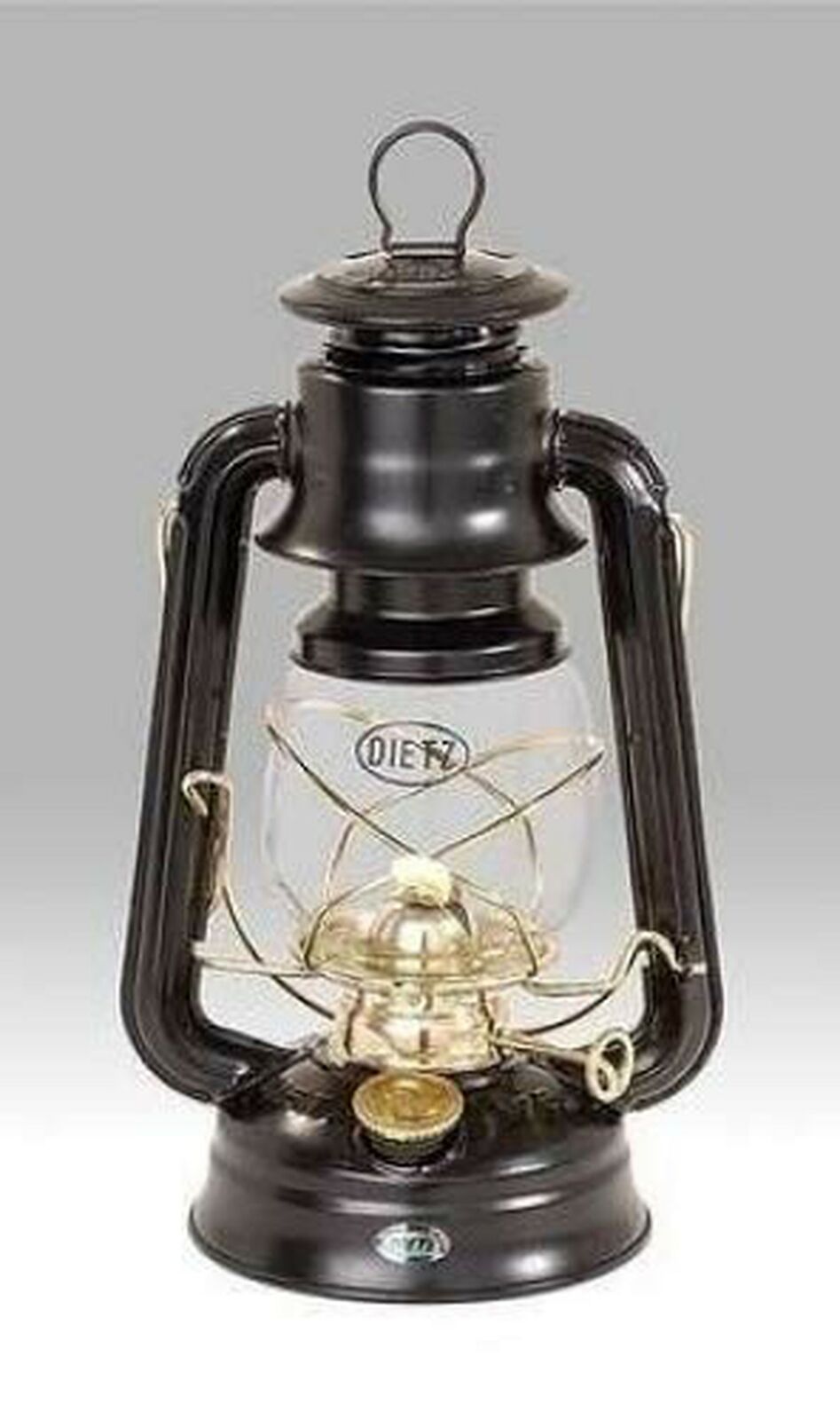
Credit: todayshomeowner.com
Popular Fuel Options for Oil Lamps
There are several popular fuel options available for oil lamps, each with its own set of advantages and disadvantages. Let’s explore some of the most common choices:
-
Kerosene: Kerosene is a widely used fuel for oil lamps due to its affordability and long burn time. It produces a bright flame and provides ample heat. However, kerosene can have a strong odor and emit smoke, which may not be suitable for indoor use.
-
Lamp oil: Lamp oil, also known as liquid paraffin, is a cleaner and more refined alternative to kerosene. It burns with less odor and smoke, making it ideal for indoor use. Lamp oil is slightly more expensive than kerosene but offers a longer burn time and a more pleasant experience.
-
Vegetable oil: For those looking for a more eco-friendly option, vegetable oil can be used in oil lamps. It is readily available and produces a clean-burning flame. However, vegetable oil tends to have a shorter burn time compared to kerosene or lamp oil.
-
Citronella oil: If you’re planning to use your oil lamp outdoors, citronella oil can be a great choice. It not only provides light but also acts as a natural insect repellent, keeping pesky bugs at bay. Citronella oil has a pleasant aroma and is a popular option for outdoor gatherings and camping trips.
Pros and Cons of Different Fuel Types
Each fuel type has its own set of advantages and disadvantages. Let’s take a closer look at the pros and cons of the popular fuel options mentioned earlier:
Kerosene:
- Pros: Affordable, long burn time, bright flame, ample heat.
- Cons: Strong odor, smoke production, not ideal for indoor use.
Lamp oil:
- Pros: Cleaner burn, less odor and smoke, suitable for indoor use.
- Cons: Slightly more expensive, shorter burn time compared to kerosene.
Vegetable oil:
- Pros: Eco-friendly, readily available, clean-burning.
- Cons: Shorter burn time, may require more frequent refilling.
Citronella oil:
- Pros: Acts as an insect repellent, pleasant aroma, suitable for outdoor use.
- Cons: Limited burn time, not ideal for indoor use.
Safety Considerations When Using Different Fuel Types
When using oil lamps, safety should always be a top priority. Regardless of the fuel type you choose, there are some general safety considerations to keep in mind:
-
Always follow the manufacturer’s instructions for your specific lamp model.
-
Use a fuel that is recommended for your lamp.
-
Keep the lamp away from flammable materials and ensure proper ventilation.
-
Never leave a burning lamp unattended.
-
Keep a fire extinguisher or a bucket of sand nearby for emergencies.
-
Store fuel in a cool and well-ventilated area, away from heat sources.
By following these safety guidelines, you can enjoy the warm glow of your oil lamp while minimizing the risk of accidents or injuries.
Tips for Maximizing Efficiency and Burn Time
To get the most out of your oil lamp and enhance its efficiency and burn time, consider the following tips:
-
Trim the wick: Regularly trim the wick to a proper length, usually around 1/4 of an inch. This will ensure a clean and steady flame.
-
Clean the lamp: Keep the lamp clean and free from soot or residue. This can be done by gently wiping the lamp with a soft cloth or using a mild cleaning solution.
-
Use a quality wick: Invest in a high-quality wick that is designed for your specific lamp model. A well-made wick will burn more efficiently and last longer.
-
Avoid overfilling: Follow the recommended fuel level for your lamp. Overfilling can lead to spills, waste of fuel, and potential safety hazards.
-
Adjust the flame: Experiment with different flame heights to find the optimal balance between brightness and fuel consumption.
By implementing these tips, you can maximize the performance and longevity of your oil lamp while minimizing fuel consumption.
How to Properly Store and Handle Fuel for Your Oil Lamp
Proper storage and handling of fuel is crucial to ensure safety and maintain the quality of the fuel. Here are some guidelines to follow:
-
Store fuel in a well-sealed, non-reactive container away from direct sunlight and heat sources.
-
Keep the fuel in a cool and well-ventilated area, away from flammable materials.
-
Label the container with the type of fuel and the date of purchase or refill.
-
Avoid storing excessive amounts of fuel, as it can deteriorate over time.
-
When handling fuel, use a funnel to prevent spills and ensure a clean transfer.
By adhering to these storage and handling practices, you can prolong the shelf life of your fuel and maintain its quality for optimal performance.
Troubleshooting Common Issues with Fuel and Oil Lamps
Despite taking all necessary precautions, issues may still arise with your oil lamp and the fuel you use. Here are some common problems and their potential solutions:
-
Poor wick performance: If the wick is not burning properly or producing a weak flame, it may need to be replaced. Ensure the wick is properly saturated with fuel and trim any charred portions before relighting.
-
Excessive smoke or odor: If your lamp is producing excessive smoke or odor, it may be due to poor-quality fuel or an improperly adjusted wick. Try using a different fuel or adjust the wick height to achieve a cleaner burn.
-
Sooty residue: If your lamp leaves behind a sooty residue, it may be a sign of an incorrectly adjusted wick or poor-quality fuel. Adjust the wick height or switch to a cleaner-burning fuel to minimize soot production.
If these troubleshooting steps do not resolve the issue, consult the manufacturer’s instructions or seek professional assistance to ensure the safe and proper functioning of your oil lamp.
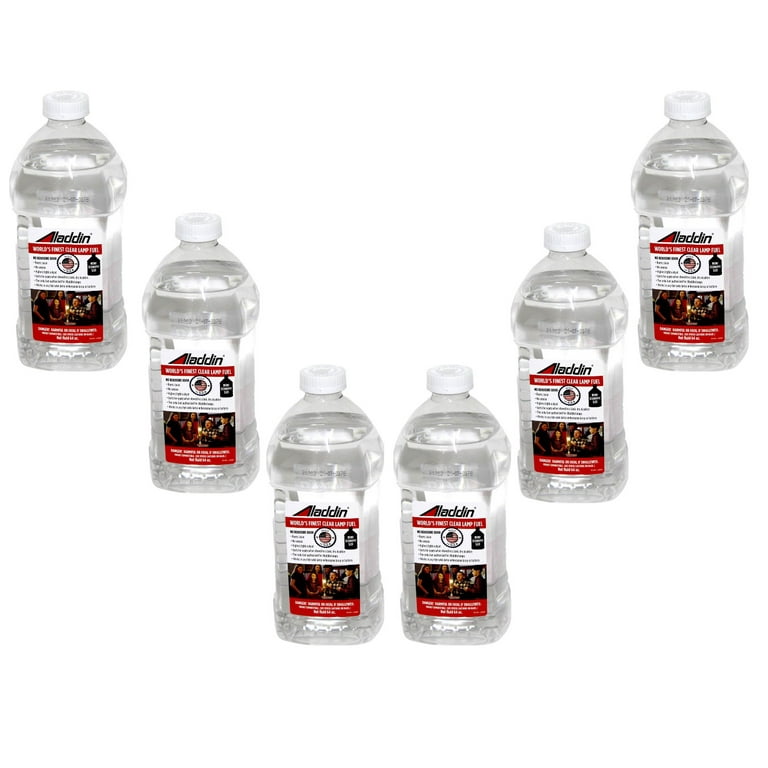
Credit: www.walmart.com
Frequently Asked Questions Of What To Burn In Oil Lamp
What Is The Best Oil To Burn In A Lamp?
Olive oil is the best oil to burn in a lamp because it is renewable, odorless, non-toxic, and smokeless. It is also safe to use indoors and can be found easily.
What Is The Best Fuel For Indoor Oil Lamps?
The best fuel for indoor oil lamps is olive oil. It is renewable, odorless, non-toxic, and smokeless, making it a clean-burning option. Olive oil is easy to find and safe to use for your oil lamp. It can be used alone or mixed with thicker wicks for optimal burning.
What Can I Put In Oil Lamp?
You can burn various types of oils in an oil lamp. Olive oil is a popular choice as it is renewable, odorless, non-toxic, and smokeless. Vegetable oil from your kitchen can also be used, or you can look for lampante oil, a type of olive oil made specifically for burning.
Store-bought lamp oil is typically a mix of kerosene and paraffin, but using vegetable oil is a cheaper and safer option.
Can Olive Oil Be Used In An Oil Lamp?
Yes, olive oil can be used in an oil lamp. It is a renewable, odorless, non-toxic, and smokeless option. However, a lamp may need a thick wick and retrofitting due to olive oil’s low burning point. Lampanate oil, specifically made for burning, is also a safe and eco-friendly choice.
Conclusion:
Selecting the right fuel for your oil lamp is essential for maximum efficiency and burn time. Consider the type of lamp you have, the availability and cost of the fuel, as well as any odor or smoke considerations.
Popular fuel options for oil lamps include kerosene, lamp oil, vegetable oil, and citronella oil. Each fuel type has its own pros and cons, so it’s important to weigh your priorities and choose accordingly.
Remember to prioritize safety when using oil lamps, regardless of the fuel type. Follow the manufacturer’s instructions, keep the lamp away from flammable materials, and store fuel properly.
By following these guidelines and implementing the provided tips, you can enjoy the warm glow of your oil lamp while maximizing its efficiency and burn time.
Olive oil is the best option for burning in an oil lamp as it is renewable, odorless, non-toxic, and smokeless. It is also cheaper and safer to use vegetable oil, such as olive oil, from your kitchen instead of store-bought lamp oil.
If you’re a fan of the warm, cozy glow of an oil lamp, you may be wondering what types of fuel are best to burn. While traditional oil lamps were typically used with kerosene or whale oil, there are now a variety of alternative fuels available that offer different benefits and characteristics.
In this blog post, we’ll explore the options for what to burn in your oil lamp, including kerosene alternatives, vegetable oils, and even scented oils. We’ll discuss the pros and cons of each option and provide tips on how to safely use them in your oil lamp.
So whether you’re a seasoned oil lamp enthusiast or just starting out, this guide will help you make an informed decision about what to burn in your oil lamp.

Credit: www.ebay.com
The importance of choosing the right fuel
Selecting the right fuel for your oil lamp is crucial for several reasons. First and foremost, it directly affects the efficiency of the lamp. The type of fuel you use can determine how long the lamp will burn, how bright the flame will be, and how much heat it will produce.
Additionally, using the wrong fuel can lead to clogged wicks, poor performance, and even safety hazards. By choosing the appropriate fuel, you can ensure optimal performance and extend the lifespan of your oil lamp.
Factors to consider when selecting fuel for your oil lamp
When deciding on the best fuel for your oil lamp, there are several important factors to consider. The first factor is the type of oil your lamp is designed to burn. Different lamps are designed for specific types of fuel, such as kerosene, lamp oil, or vegetable oil. It’s essential to consult the manufacturer’s instructions or research the recommended fuel for your particular lamp model.
Another factor to consider is the availability and cost of the fuel. Some types of oil may be more readily available in your area, while others may be more expensive or harder to find. It’s important to choose a fuel that is easily accessible and affordable for you.
Lastly, consider the odor and smoke produced by the fuel. Some oils, such as kerosene, can emit strong odors and smoke when burned. This may be undesirable if you plan to use the lamp indoors or in a confined space. Look for fuel options that are low in odor and smoke to create a more pleasant and comfortable environment.
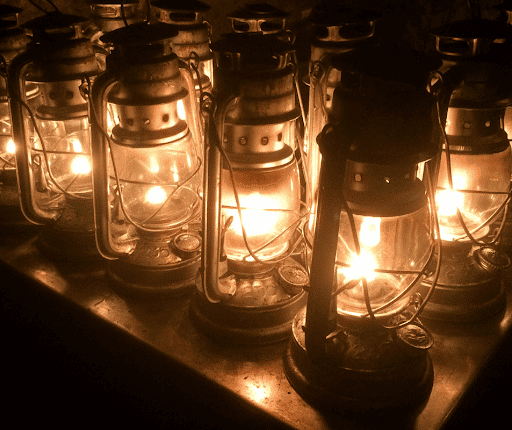
Credit: todayshomeowner.com
Popular Fuel Options for Oil Lamps
There are several popular fuel options available for oil lamps, each with its own set of advantages and disadvantages. Let’s explore some of the most common choices:
-
Kerosene: Kerosene is a widely used fuel for oil lamps due to its affordability and long burn time. It produces a bright flame and provides ample heat. However, kerosene can have a strong odor and emit smoke, which may not be suitable for indoor use.
-
Lamp oil: Lamp oil, also known as liquid paraffin, is a cleaner and more refined alternative to kerosene. It burns with less odor and smoke, making it ideal for indoor use. Lamp oil is slightly more expensive than kerosene but offers a longer burn time and a more pleasant experience.
-
Vegetable oil: For those looking for a more eco-friendly option, vegetable oil can be used in oil lamps. It is readily available and produces a clean-burning flame. However, vegetable oil tends to have a shorter burn time compared to kerosene or lamp oil.
-
Citronella oil: If you’re planning to use your oil lamp outdoors, citronella oil can be a great choice. It not only provides light but also acts as a natural insect repellent, keeping pesky bugs at bay. Citronella oil has a pleasant aroma and is a popular option for outdoor gatherings and camping trips.
Pros and Cons of Different Fuel Types
Each fuel type has its own set of advantages and disadvantages. Let’s take a closer look at the pros and cons of the popular fuel options mentioned earlier:
Kerosene:
- Pros: Affordable, long burn time, bright flame, ample heat.
- Cons: Strong odor, smoke production, not ideal for indoor use.
Lamp oil:
- Pros: Cleaner burn, less odor and smoke, suitable for indoor use.
- Cons: Slightly more expensive, shorter burn time compared to kerosene.
Vegetable oil:
- Pros: Eco-friendly, readily available, clean-burning.
- Cons: Shorter burn time, may require more frequent refilling.
Citronella oil:
- Pros: Acts as an insect repellent, pleasant aroma, suitable for outdoor use.
- Cons: Limited burn time, not ideal for indoor use.
Safety Considerations When Using Different Fuel Types
When using oil lamps, safety should always be a top priority. Regardless of the fuel type you choose, there are some general safety considerations to keep in mind:
-
Always follow the manufacturer’s instructions for your specific lamp model.
-
Use a fuel that is recommended for your lamp.
-
Keep the lamp away from flammable materials and ensure proper ventilation.
-
Never leave a burning lamp unattended.
-
Keep a fire extinguisher or a bucket of sand nearby for emergencies.
-
Store fuel in a cool and well-ventilated area, away from heat sources.
By following these safety guidelines, you can enjoy the warm glow of your oil lamp while minimizing the risk of accidents or injuries.
Tips for Maximizing Efficiency and Burn Time
To get the most out of your oil lamp and enhance its efficiency and burn time, consider the following tips:
-
Trim the wick: Regularly trim the wick to a proper length, usually around 1/4 of an inch. This will ensure a clean and steady flame.
-
Clean the lamp: Keep the lamp clean and free from soot or residue. This can be done by gently wiping the lamp with a soft cloth or using a mild cleaning solution.
-
Use a quality wick: Invest in a high-quality wick that is designed for your specific lamp model. A well-made wick will burn more efficiently and last longer.
-
Avoid overfilling: Follow the recommended fuel level for your lamp. Overfilling can lead to spills, waste of fuel, and potential safety hazards.
-
Adjust the flame: Experiment with different flame heights to find the optimal balance between brightness and fuel consumption.
By implementing these tips, you can maximize the performance and longevity of your oil lamp while minimizing fuel consumption.
How to Properly Store and Handle Fuel for Your Oil Lamp
Proper storage and handling of fuel is crucial to ensure safety and maintain the quality of the fuel. Here are some guidelines to follow:
-
Store fuel in a well-sealed, non-reactive container away from direct sunlight and heat sources.
-
Keep the fuel in a cool and well-ventilated area, away from flammable materials.
-
Label the container with the type of fuel and the date of purchase or refill.
-
Avoid storing excessive amounts of fuel, as it can deteriorate over time.
-
When handling fuel, use a funnel to prevent spills and ensure a clean transfer.
By adhering to these storage and handling practices, you can prolong the shelf life of your fuel and maintain its quality for optimal performance.
Troubleshooting Common Issues with Fuel and Oil Lamps
Despite taking all necessary precautions, issues may still arise with your oil lamp and the fuel you use. Here are some common problems and their potential solutions:
-
Poor wick performance: If the wick is not burning properly or producing a weak flame, it may need to be replaced. Ensure the wick is properly saturated with fuel and trim any charred portions before relighting.
-
Excessive smoke or odor: If your lamp is producing excessive smoke or odor, it may be due to poor-quality fuel or an improperly adjusted wick. Try using a different fuel or adjust the wick height to achieve a cleaner burn.
-
Sooty residue: If your lamp leaves behind a sooty residue, it may be a sign of an incorrectly adjusted wick or poor-quality fuel. Adjust the wick height or switch to a cleaner-burning fuel to minimize soot production.
If these troubleshooting steps do not resolve the issue, consult the manufacturer’s instructions or seek professional assistance to ensure the safe and proper functioning of your oil lamp.
Credit: www.walmart.com
Frequently Asked Questions Of What To Burn In Oil Lamp
What Is The Best Oil To Burn In A Lamp?
Olive oil is the best oil to burn in a lamp because it is renewable, odorless, non-toxic, and smokeless. It is also safe to use indoors and can be found easily.
What Is The Best Fuel For Indoor Oil Lamps?
The best fuel for indoor oil lamps is olive oil. It is renewable, odorless, non-toxic, and smokeless, making it a clean-burning option. Olive oil is easy to find and safe to use for your oil lamp. It can be used alone or mixed with thicker wicks for optimal burning.
What Can I Put In Oil Lamp?
You can burn various types of oils in an oil lamp. Olive oil is a popular choice as it is renewable, odorless, non-toxic, and smokeless. Vegetable oil from your kitchen can also be used, or you can look for lampante oil, a type of olive oil made specifically for burning.
Store-bought lamp oil is typically a mix of kerosene and paraffin, but using vegetable oil is a cheaper and safer option.
Can Olive Oil Be Used In An Oil Lamp?
Yes, olive oil can be used in an oil lamp. It is a renewable, odorless, non-toxic, and smokeless option. However, a lamp may need a thick wick and retrofitting due to olive oil’s low burning point. Lampanate oil, specifically made for burning, is also a safe and eco-friendly choice.
Conclusion:
Selecting the right fuel for your oil lamp is essential for maximum efficiency and burn time. Consider the type of lamp you have, the availability and cost of the fuel, as well as any odor or smoke considerations.
Popular fuel options for oil lamps include kerosene, lamp oil, vegetable oil, and citronella oil. Each fuel type has its own pros and cons, so it’s important to weigh your priorities and choose accordingly.
Remember to prioritize safety when using oil lamps, regardless of the fuel type. Follow the manufacturer’s instructions, keep the lamp away from flammable materials, and store fuel properly.
By following these guidelines and implementing the provided tips, you can enjoy the warm glow of your oil lamp while maximizing its efficiency and burn time.

I’m Emily Johnson, an affiliate marketer and blogger focused on lamps and lighting. I share honest reviews, simple buying guides, and practical tips. My goal is to help readers choose the right lamp for their space, style, and budget with confidence.