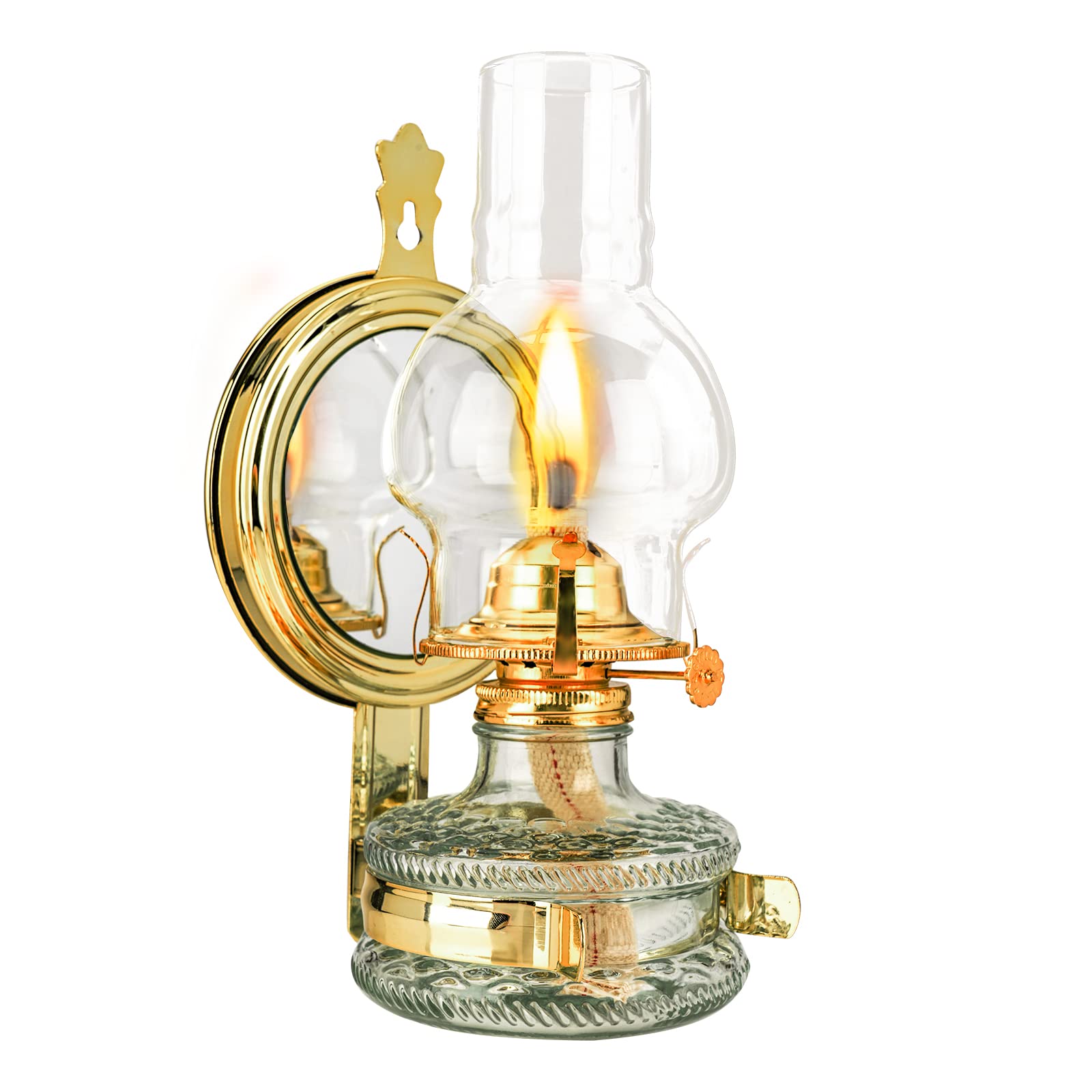
Yes, you can use paraffin oil in a kerosene lamp as a suitable alternative fuel. Paraffin oil, also known as lamp oil or liquid paraffin, has similar properties to kerosene and can be used interchangeably.
When it comes to lighting your kerosene lamp, you may be wondering if you can use paraffin oil as a substitute. After all, both paraffin oil and kerosene are derived from petroleum and have similar properties. In this blog post, we will explore whether or not it is safe and effective to use paraffin oil in a kerosene lamp.
We will discuss the differences between the two fuels, potential risks and considerations, and provide expert advice on the best practices for using your kerosene lamp.
So if you’re looking for answers about using paraffin oil in your kerosene lamp, keep reading to find out more.

Credit: www.ebay.com
Understanding Paraffin Oil And Kerosene
When it comes to lighting options, paraffin oil and kerosene are often mentioned. They are commonly used in lamps, lanterns, and stoves, but many people wonder if they can be used interchangeably. In this article, we will dive deeper into paraffin oil and kerosene, providing you with a clear understanding of their properties, uses, and compatibility.
What Is Paraffin Oil?
Paraffin oil, also known as lamp oil or mineral oil, is derived from petroleum. It is a colorless and odorless liquid that is highly refined and purified. Paraffin oil contains long-chain hydrocarbons and has a high heat content, making it an excellent fuel for lamps and lanterns. Due to its refined nature, paraffin oil burns cleanly and produces minimal smoke and soot. It is commonly used in indoor and outdoor lighting fixtures, providing a steady and reliable source of light.
Paraffin oil has a lower flash point compared to kerosene, which means that it is less likely to ignite at lower temperatures. This makes it a safe option for use in lamps and lanterns, as it reduces the risk of accidental fires. Additionally, paraffin oil has a longer shelf life and does not deteriorate as quickly as kerosene. This makes it suitable for long-term storage without compromising its quality.
What Is Kerosene?
Kerosene, also known as lamp oil or paraffin, is a combustible liquid fuel that is extracted from crude oil. It is commonly used as a fuel for lamps, stoves, and space heaters. Kerosene has a higher flash point than paraffin oil, which means it requires a higher temperature to ignite. However, once ignited, kerosene produces a bright and steady flame that provides effective lighting and heat.
Kerosene has been traditionally used in lamps and lanterns, especially in areas where electricity is limited or unavailable. It is known for its reliability and ability to provide long-lasting illumination. However, it may produce more smoke and soot compared to paraffin oil, requiring more regular maintenance and cleaning of the lamp.

Credit: www.amazon.com
Differences Between Paraffin Oil And Kerosene
When it comes to using a kerosene lamp, there is often confusion regarding which type of fuel to use. Two common options are paraffin oil and kerosene, but what are the differences between the two? In this article, we will explore the chemical composition, flammability, viscosity, and odor of paraffin oil and kerosene in order to help you make an informed decision.
Chemical Composition
The chemical composition of paraffin oil and kerosene is one of the key differences between the two fuels. Paraffin oil, also known as mineral oil or liquid paraffin, is a colorless and odorless liquid derived from petroleum. It is composed primarily of saturated hydrocarbons.
In contrast, kerosene is a flammable hydrocarbon liquid that is also derived from petroleum. It contains a mixture of aliphatic and aromatic hydrocarbons, with a slightly higher carbon content compared to paraffin oil.
Flammability
Flammability is an important aspect to consider when using any fuel in a kerosene lamp. Both paraffin oil and kerosene are highly flammable, but kerosene has a lower flash point, which means it ignites at a lower temperature compared to paraffin oil. This makes kerosene a more suitable choice for lamps that require a quick and easy ignition.
Viscosity
Viscosity refers to the thickness or consistency of a liquid. In terms of viscosity, kerosene is typically thinner compared to paraffin oil. Its lower viscosity allows kerosene to flow more easily through the wick of a kerosene lamp, facilitating a steady and bright flame. Paraffin oil, on the other hand, has a higher viscosity, which may lead to a slightly dimmer flame and reduced control over the lamp’s brightness.
Odor
The odor of fuels is another factor that can influence your choice between paraffin oil and kerosene. Paraffin oil is often preferred for indoor use due to its lack of odor. It burns cleanly and does not produce any noticeable smell, making it ideal for use in enclosed spaces. Kerosene, on the other hand, has a distinctive smell that can be noticeable when used in a confined area. This can be a minor concern for those sensitive to strong odors or those using the lamp indoors.
In conclusion, when deciding between paraffin oil and kerosene for your kerosene lamp, consider the chemical composition, flammability, viscosity, and odor of each fuel. Paraffin oil is odorless and has a higher viscosity, while kerosene has a lower flash point and thinner consistency. Ultimately, the choice depends on your specific needs and preferences.
https://www.youtube.com/watch?v=PMOAJAhvlTs
Using Paraffin Oil In A Kerosene Lamp: Advantages And Disadvantages
When it comes to fueling a kerosene lamp, there are a few different options available. One popular choice is paraffin oil, which can offer both advantages and disadvantages depending on your specific needs and preferences. In this article, we’ll explore the advantages and disadvantages of using paraffin oil in a kerosene lamp, helping you make an informed decision. Let’s dive right in!
Advantages Of Using Paraffin Oil
If you’re considering using paraffin oil as a fuel for your kerosene lamp, you’ll be pleased to discover the following advantages:
- Availability: Paraffin oil is readily available in most locations, making it convenient for anyone who needs to refuel their kerosene lamp frequently.
- Low Odor: Paraffin oil has a relatively low odor compared to other types of fuel, allowing you to enjoy the warm glow of your kerosene lamp without any overwhelming smells.
- Clear and Clean Burn: When used in a kerosene lamp, paraffin oil tends to burn cleaner and produce less soot compared to other types of fuel. This means less maintenance and cleaning for you.
- Longer Burn Time: Paraffin oil has a higher energy density, which means it can provide a longer burn time in your kerosene lamp. You won’t have to worry about constantly refilling the fuel.
Disadvantages Of Using Paraffin Oil
While there are several advantages to using paraffin oil in a kerosene lamp, it’s important to consider the following potential disadvantages:
- Higher Cost: Paraffin oil tends to be more expensive compared to other types of fuel options for kerosene lamps. If you’re on a tight budget, you may want to explore more cost-effective alternatives.
- Lower Heat Output: While paraffin oil may burn cleanly, it tends to provide a lower heat output compared to other fuel options. If you’re looking for a lamp that produces intense heat, paraffin oil may not be the best choice.
- Requires Regular Cleaning: Although paraffin oil burns cleaner, it can still leave residue on the wick and other parts of the kerosene lamp. This means you’ll need to clean and maintain your lamp more frequently to ensure optimal performance.
- Flammable and Care Required: Like any fuel, paraffin oil is highly flammable. Extra care must be taken when handling and storing it. Keep it away from open flames and heat sources to prevent accidents.
Now that you’re aware of the advantages and disadvantages of using paraffin oil in a kerosene lamp, you can make a more informed decision based on your specific needs and circumstances. Whether you prioritize convenience, cleanliness, or cost-effectiveness, there are fuel options available to suit your preferences. Choose wisely and enjoy the cozy ambiance that a kerosene lamp brings to your space.
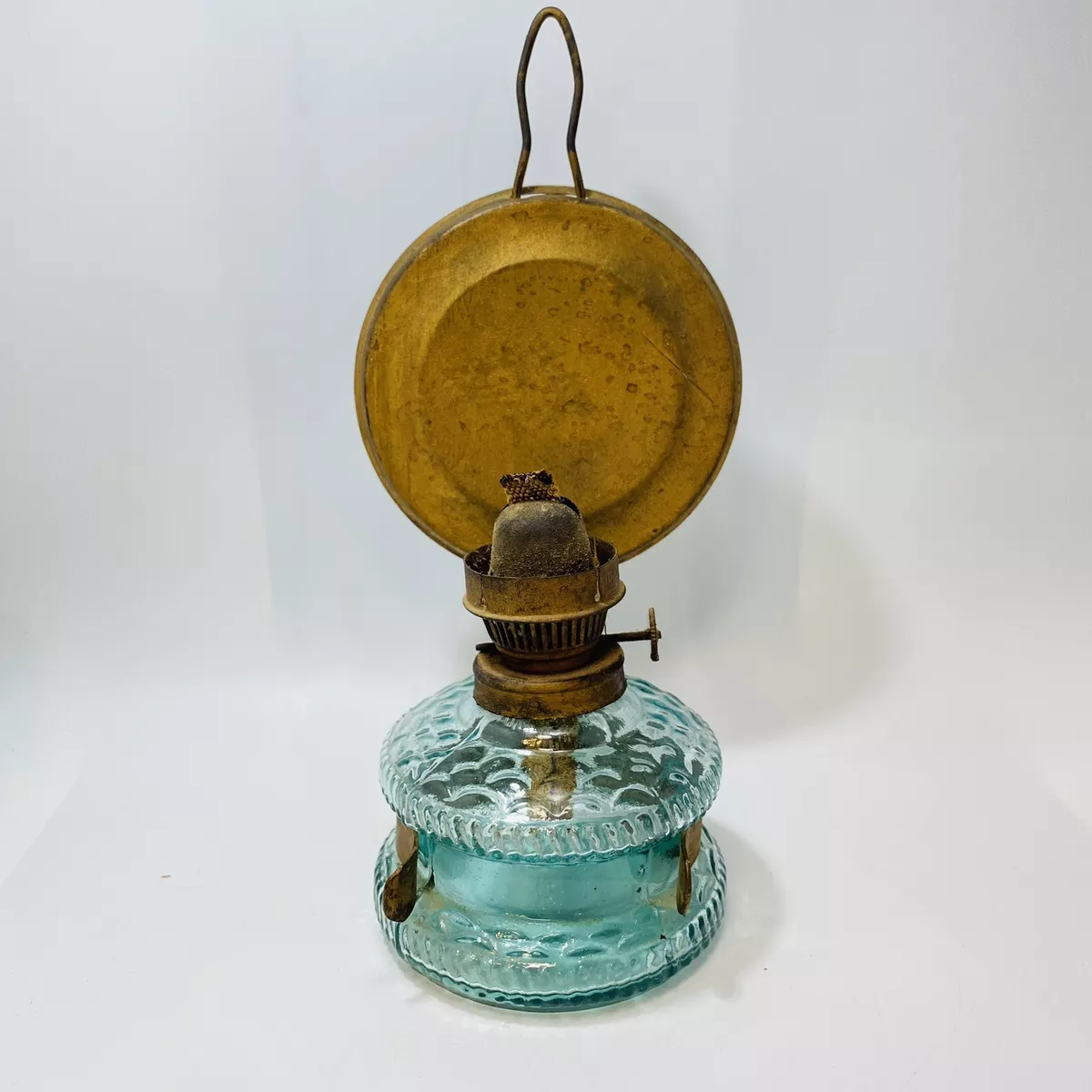
Credit: www.ebay.com
Safety Considerations And Recommendations
Paraffin oil should not be used in a kerosene lamp due to safety considerations, as it can lead to flammable and hazardous situations. It is recommended to use the appropriate fuel for each type of lamp to ensure safety and efficiency.
Safety Precautions
When using a kerosene lamp with paraffin oil, it is important to prioritize safety. Here are some essential safety precautions to keep in mind:
- Always use the lamp in a well-ventilated area to prevent the accumulation of potentially harmful fumes.
- Keep the lamp away from flammable materials such as curtains, paper, or any other combustible items.
- Ensure the lamp is placed on a stable and non-flammable surface to prevent accidents.
- Regularly inspect the lamp for any damages or leaks as they can increase the risk of fire or injuries.
- Never leave the lamp unattended while it is lit to minimize the chances of accidents.
- Keep the lamp out of reach of children and pets to avoid any accidents or injuries.
- Before refilling the lamp, ensure it has cooled down to prevent burns.
- In case of an emergency, always have a fire extinguisher nearby.
Alternative Options
If you are concerned about using paraffin oil in your kerosene lamp due to safety reasons, there are alternative options available that you can consider. These options include:
- Lamp oil: Lamp oil, also known as oil-based lamp fuel or clear paraffin oil, is a safer and cleaner alternative to traditional kerosene. It produces less smoke and odor, making it a popular choice for indoor lighting.
- LED lanterns: LED lanterns provide a safe and energy-efficient option for illumination. They are battery-operated and do not require any fuel, eliminating the risk of fire or fumes.
- Solar lanterns: Solar lanterns utilize solar energy to power the light source. They are environmentally friendly and offer a reliable lighting solution without the need for any fuel or electricity.
- Candle lanterns: Candle lanterns provide a rustic and cozy ambiance. They use candles as a light source and are a great alternative if you prefer a more traditional lighting option.
Frequently Asked Questions Of Can You Use Paraffin Oil In A Kerosene Lamp
Can Paraffin Oil Be Used In A Kerosene Lamp?
Yes, paraffin oil can be used as an alternative fuel in a kerosene lamp.
Is Paraffin Oil The Same As Kerosene?
No, paraffin oil and kerosene are different types of fuels, although they can be used interchangeably in some lamps.
What Are The Advantages Of Using Paraffin Oil In A Kerosene Lamp?
Using paraffin oil in a kerosene lamp is advantageous because it burns cleaner, produces less odor, and is less likely to produce soot.
Are There Any Precautions To Consider When Using Paraffin Oil In A Kerosene Lamp?
Yes, it is important to use the correct type of paraffin oil specified by the lamp manufacturer and to follow proper safety guidelines for fuel usage and lamp maintenance.
Conclusion
Using paraffin oil in a kerosene lamp can offer some advantages such as reduced odor and cleaner burning. However, it is important to note that paraffin oil might not be suitable for all types of kerosene lamps. Before using paraffin oil, it is crucial to consult the lamp’s manufacturer guidelines to ensure compatibility.
Ultimately, using the appropriate fuel for your kerosene lamp will ensure optimal functionality and safety.

I’m Emily Johnson, an affiliate marketer and blogger focused on lamps and lighting. I share honest reviews, simple buying guides, and practical tips. My goal is to help readers choose the right lamp for their space, style, and budget with confidence.