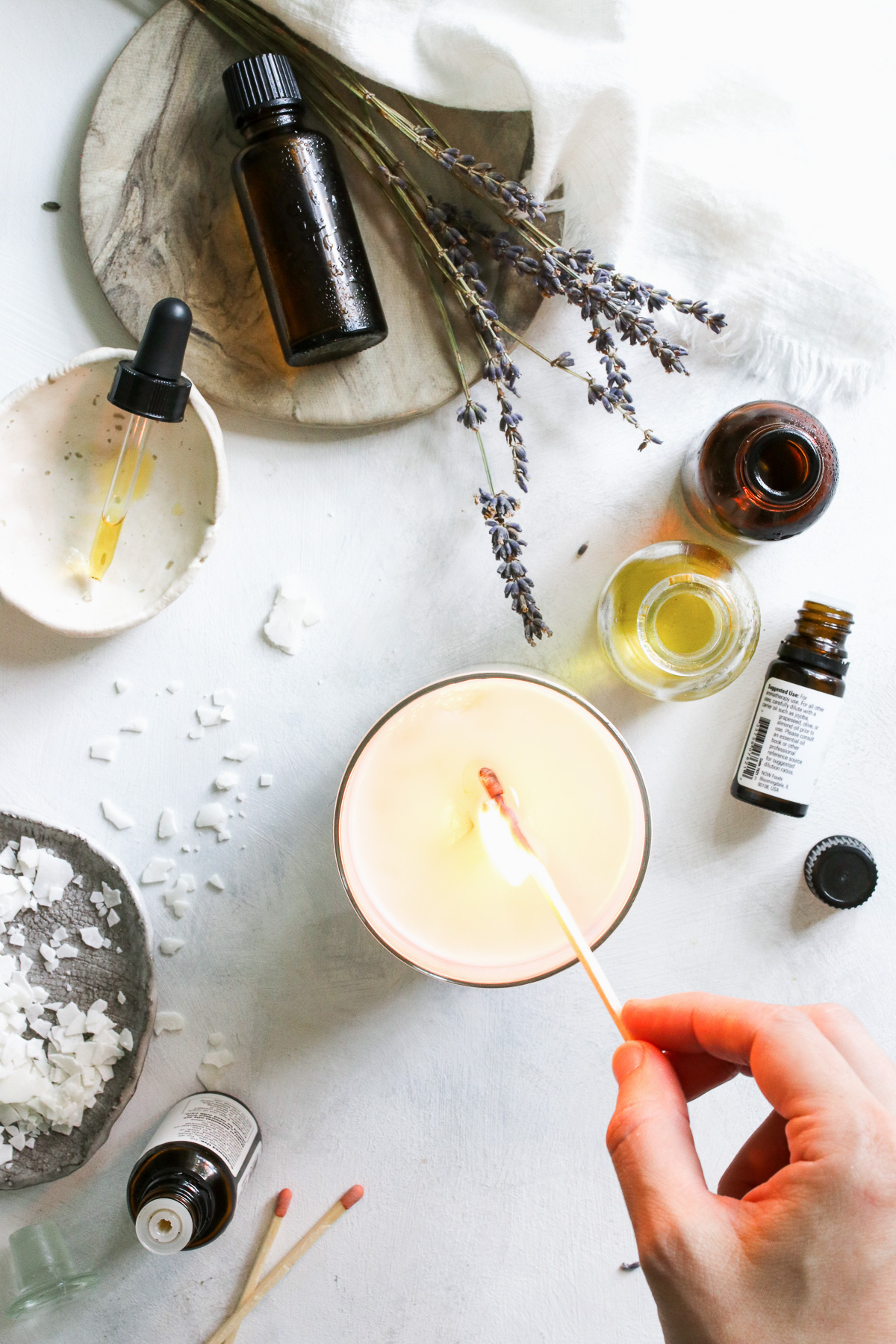
Yes, you can use paraffin in an oil lamp. Paraffin is a commonly used fuel for oil lamps.
Paraffin oil lamps have been used for centuries as a reliable and efficient light source. But can you use paraffin in an oil lamp? In this blog post, we will explore the ins and outs of using paraffin in an oil lamp, including its advantages and considerations. We will also provide helpful tips on properly using and maintaining your oil lamp to ensure optimal performance.
Whether you’re a seasoned oil lamp enthusiast or new to the world of antique lighting, this blog post is a must-read for anyone looking to get the most out of their paraffin oil lamp. So, let’s shed some light on this topic together!
Credit: www.ebay.com
Understanding Paraffin And Oil Lamps
Paraffin can be used in oil lamps, as it is a common fuel option. It provides a reliable and clean burn, making it suitable for lighting purposes.
What Is Paraffin?
In the world of oil lamps, paraffin is a commonly used fuel that can help create a warm and comforting ambiance. But what exactly is paraffin? Paraffin, also known as kerosene or lamp oil, is a highly refined petroleum-based liquid that is used as a fuel source in oil lamps. It is a colorless and odorless liquid, making it ideal for creating a clean and smokeless burn.
How Do Oil Lamps Work?
Oil lamps are not just decorative pieces; they have a fascinating mechanism that allows them to emit a beautiful and calming glow. Understanding how oil lamps work can make it easier to comprehend the compatibility between paraffin and oil lamps.
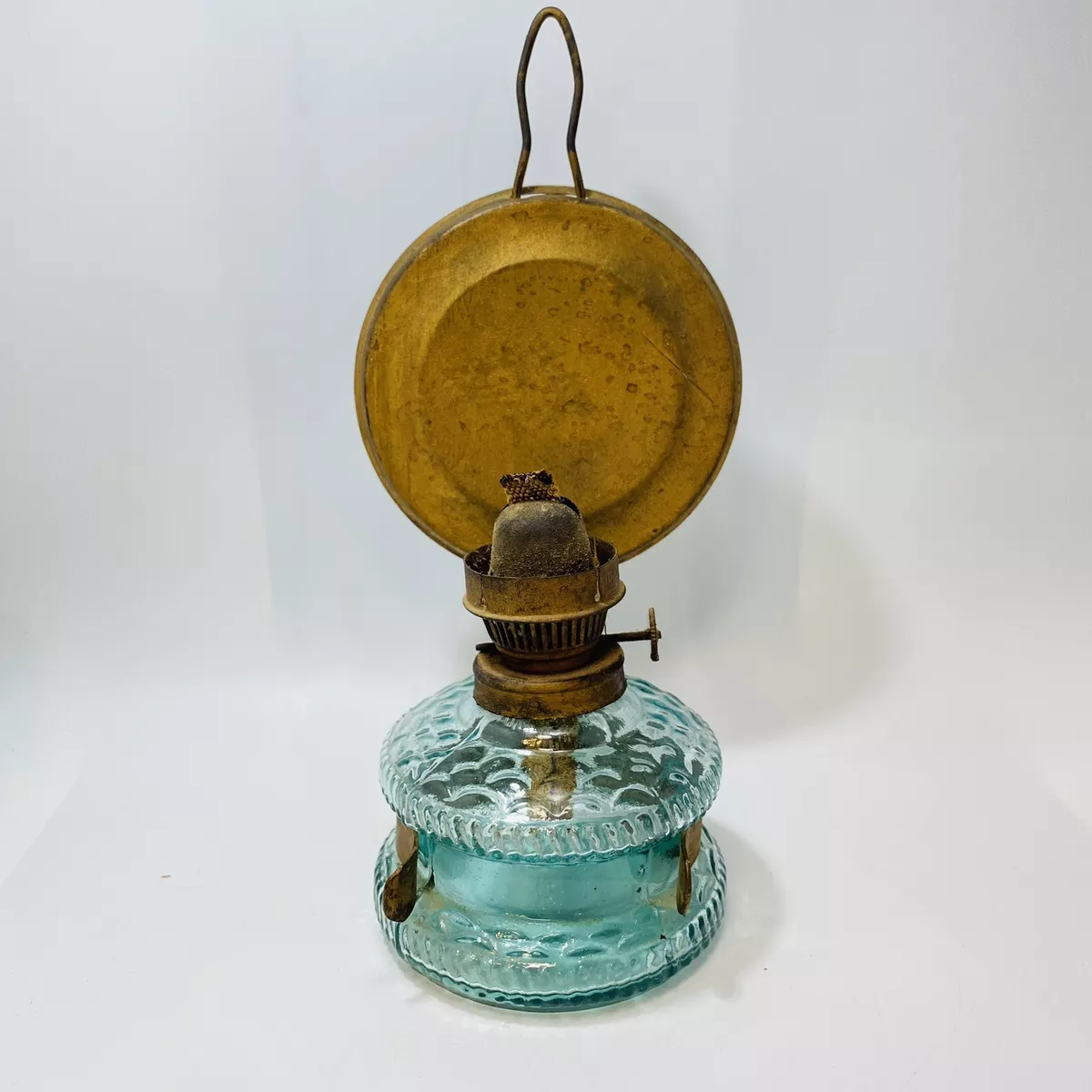
An oil lamp consists of several key components, including a reservoir for holding the fuel, a wick that absorbs the fuel, and a burner assembly that controls the flow of the fuel. When the wick is ignited, the fuel is drawn up through the wick by capillary action. As the fuel reaches the flame, it vaporizes, creating a steady and radiant light.
Compatibility Between Paraffin And Oil Lamps
Now that we have a basic understanding of paraffin and how oil lamps work, let’s delve into the compatibility between the two. Paraffin is the most widely used fuel for oil lamps due to its clean-burning properties and long-lasting burn time. It produces a bright and steady flame, providing a consistent light source.
The compatibility between paraffin and oil lamps is crucial to ensure optimal performance and safety. Using the right type of fuel is essential as improper fuel choices can lead to damage to your oil lamp and potentially hazardous situations.
It is important to note that not all oil lamps are suitable for use with paraffin. Some oil lamps are designed to operate with specific types of fuel, such as kerosene or vegetable oil. Before using paraffin in your oil lamp, it is recommended to check the manufacturer’s instructions or consult an expert to ensure compatibility.
When using paraffin in an oil lamp, it is also important to use a clean and high-quality fuel. Impurities or contaminants in the fuel can clog the wick, affect the fuel flow, and reduce the lamp’s efficiency. Additionally, regular maintenance, such as cleaning the wick and replacing it when necessary, can further enhance the compatibility and performance of paraffin in your oil lamp.
In conclusion, understanding the properties of paraffin and how oil lamps work is vital to ensure the proper compatibility between the two. By using the right type of fuel and maintaining your oil lamp regularly, you can enjoy the warm and inviting glow of a well-functioning oil lamp for years to come.

Credit: www.virginutty.co.uk
Pros And Cons Of Using Paraffin In An Oil Lamp
In lighting an oil lamp, one of the choices you have to make is whether to use paraffin as the fuel. Paraffin, also known as kerosene, is a commonly used fuel for oil lamps due to its affordability and accessibility. However, like any other option, there are both pros and cons to using paraffin in an oil lamp. In this article, we will take a closer look at the advantages and disadvantages of using paraffin as fuel, helping you make an informed decision for your oil lamp.
Advantages Of Using Paraffin
There are several advantages to using paraffin as a fuel for your oil lamp:
- Availability: Paraffin is widely available, making it easy to find in most stores or fuel stations. This accessibility ensures that you can keep your oil lamp fueled without much hassle.
- Affordability: Compared to other fuel options, paraffin is relatively inexpensive. This make it a cost-effective choice, especially if you plan on using your oil lamp frequently or for an extended period of time.
- Stability: Paraffin burns with a steady and consistent flame, providing a reliable source of light. The stability of paraffin as a fuel makes it ideal for long-term use or in situations where a consistent light source is required.
| Advantages of using Paraffin |
|---|
| Availability |
| Affordability |
| Stability |
Disadvantages Of Using Paraffin
While paraffin has its advantages, there are also some drawbacks to consider:
- Odor: Paraffin can produce a noticeable odor when burned, which may be undesirable for some individuals. This can be particularly problematic if you plan on using your oil lamp indoors or in a small enclosed space.
- Soot: Burning paraffin can generate soot, which can accumulate on the chimney or lampshade over time. This can result in the need for regular cleaning and maintenance to keep your oil lamp looking its best.
- Combustibility: Like any flammable fuel, paraffin carries the risk of fire if not handled properly. It is important to exercise caution when refueling your oil lamp to avoid accidents or injuries.
| Disadvantages of using Paraffin |
|---|
| Odor |
| Soot |
| Combustibility |
Considering both the advantages and disadvantages of using paraffin, you can weigh the pros and cons to decide whether it is the right fuel option for your oil lamp. It’s important to consider your personal preferences, the environment you’ll be using the lamp in, and any safety precautions necessary.
Tips For Safely Using Paraffin In An Oil Lamp
When it comes to lighting up your space with an oil lamp, there’s nothing quite like the warm glow and the nostalgic ambiance it creates. Using paraffin oil in an oil lamp is a popular choice due to its availability and affordability. However, it’s essential to prioritize safety when handling and using paraffin in your oil lamp. In this article, we will explore some crucial tips to ensure the safe and efficient use of paraffin in your oil lamp.
Choosing The Right Type Of Paraffin
Choosing the right type of paraffin is the first step in ensuring the safety of your oil lamp. Not all paraffin oils are the same, and it’s crucial to select one specifically designed for oil lamps. Look for paraffin oil that’s been purified and refined for use in indoor oil lamps. This ensures a clean burn without producing excessive soot or smoke.
Additionally, consider opting for odorless paraffin oil if you prefer a neutral or fragrance-free environment. Odorless paraffin oil eliminates any unwanted smells that can come from lower-quality oils.
Understanding Proper Ventilation
Proper ventilation is essential when using paraffin oil in an oil lamp, as it ensures the combustion by-products are safely dispersed. Always place your oil lamp in a well-ventilated area, such as near an open window or a vent. This allows for a continuous supply of fresh air, preventing the build-up of potentially harmful fumes.
If you’re lighting your oil lamp indoors, consider using a small fan or opening multiple windows to maintain good air circulation. This helps to minimize the concentration of combustion by-products in the room.
Preventing Accidents And Hazards
Accidents involving oil lamps can be avoided by following a few simple safety precautions. Here are some important guidelines to keep in mind:
- Keep the lamp away from flammable materials, such as curtains, papers, or furniture. Ensure there is a safe distance of at least one meter between the flame and any objects.
- Always place your oil lamp on a stable, heat-resistant surface to prevent tipping over.
- Use a properly-sized and shaped oil lamp chimney to protect the flame from drafts and help prevent accidental fires.
- Never leave your oil lamp unattended. Always extinguish the flame before leaving the room or going to sleep.
- Keep a fire extinguisher or a bucket of sand nearby for emergencies.
Regular maintenance of your oil lamp is also important to prevent accidents. Keep the wick trimmed to a reasonable length and clean any soot buildup or residue from the lamp and chimney. This allows for a clean burn and reduces the risk of accidents caused by clogged or dirty components.
By adhering to these safety tips, you can enjoy the warm glow of your oil lamp while ensuring the safety of your home and loved ones. Remember, proper ventilation, appropriate paraffin oil selection, and accident prevention are essential in maintaining a safe and enjoyable oil lamp experience.

Credit: www.therosetree.co.uk
Maintenance And Care Of An Oil Lamp That Uses Paraffin
The maintenance and care of an oil lamp that uses paraffin are essential to ensure its longevity and efficient performance. By following some simple steps, you can enjoy the soothing glow of your oil lamp for years to come.
Cleaning And Maintaining The Lamp
Regular cleaning is crucial for an oil lamp that uses paraffin. This not only helps maintain its appearance but also ensures the lamp functions optimally. Here are some steps you can follow to clean and maintain your lamp:
- Start by extinguishing the flame and allowing the lamp to cool down completely.
- Remove the chimney, shade, and any other removable parts of the lamp.
- Using a soft cloth or sponge, gently wipe the exterior of the lamp to remove any dust or grime. If needed, you can use a mild soap solution to clean stubborn stains.
- Be cautious not to get any water or cleaning solution inside the lamp, as it can damage the wick or compromise the quality of paraffin.
- Wipe the removable parts, such as the chimney and shade, separately. Check for any cracks or damage and replace if necessary.
- Allow all parts to dry completely before reassembling the lamp.
Replacing Wicks And Adjusting The Flame
Proper maintenance of the wick and flame is essential for the efficient functioning of your oil lamp. Follow these steps to ensure your wick and flame are in optimal condition:
- Regularly inspect the wick for any signs of wear or damage. If the wick is frayed or has become too short, replace it with a new one.
- Carefully trim the new wick to ensure it is evenly cut and fits properly in the wick holder.
- To adjust the flame, turn the wick adjuster knob or wheel located on the lamp’s base. Gradually increase or decrease the flame height until you achieve the desired brightness.
- Keep an eye on the flame while adjusting it, ensuring it doesn’t get too high or flicker excessively.
- Remember to always trim the wick to the recommended length before each use to prevent excessive smoking and ensure a clean, even burn.
Storing Paraffin And Maintaining Its Quality
Proper storage of paraffin is crucial to maintain its quality and ensure a reliable fuel source for your oil lamp. Follow these steps for storing paraffin:
- Store paraffin in a cool, dry place away from direct sunlight and open flames.
- Keep paraffin containers tightly sealed to prevent evaporation and any contamination.
- When pouring paraffin into the lamp reservoir, use a funnel to minimize spills and ensure a clean transfer.
- Regularly check the paraffin for any signs of degradation, such as an off smell or discoloration. If the paraffin appears compromised, dispose of it properly and replace it with fresh fuel.
- It is recommended to use high-quality paraffin specifically designed for oil lamps, as it burns cleaner and produces less smoke compared to lower-grade alternatives.
Frequently Asked Questions On Can I Use Paraffin In An Oil Lamp
Can I Use Paraffin Oil In An Oil Lamp?
Yes, paraffin oil is commonly used in oil lamps as a clean-burning fuel source.
Is Paraffin Oil Safe To Use In An Oil Lamp?
Absolutely, paraffin oil is known for its safety and low emissions, making it ideal for oil lamps.
Can I Mix Paraffin Oil With Other Fuels In An Oil Lamp?
It’s not recommended to mix paraffin oil with other fuels, as it may affect the lamp’s performance and safety.
Can Paraffin Oil Produce Odors Or Smoke In An Oil Lamp?
No, paraffin oil has minimal to no odor or smoke when used in an oil lamp, ensuring a pleasant and clean-burning experience.
Conclusion
Paraffin is a versatile fuel that can be used in oil lamps. It provides a reliable and steady flame, making it ideal for indoor and outdoor lighting. With its clean-burning properties and long burn time, paraffin offers a convenient and cost-effective solution for illuminating your surroundings.
Whether you are preparing for a power outage or simply looking to create a cozy ambiance, using paraffin in your oil lamp is a safe and practical choice. So don’t hesitate to embrace the benefits of paraffin fuel for your lighting needs!

I’m Emily Johnson, an affiliate marketer and blogger focused on lamps and lighting. I share honest reviews, simple buying guides, and practical tips. My goal is to help readers choose the right lamp for their space, style, and budget with confidence.