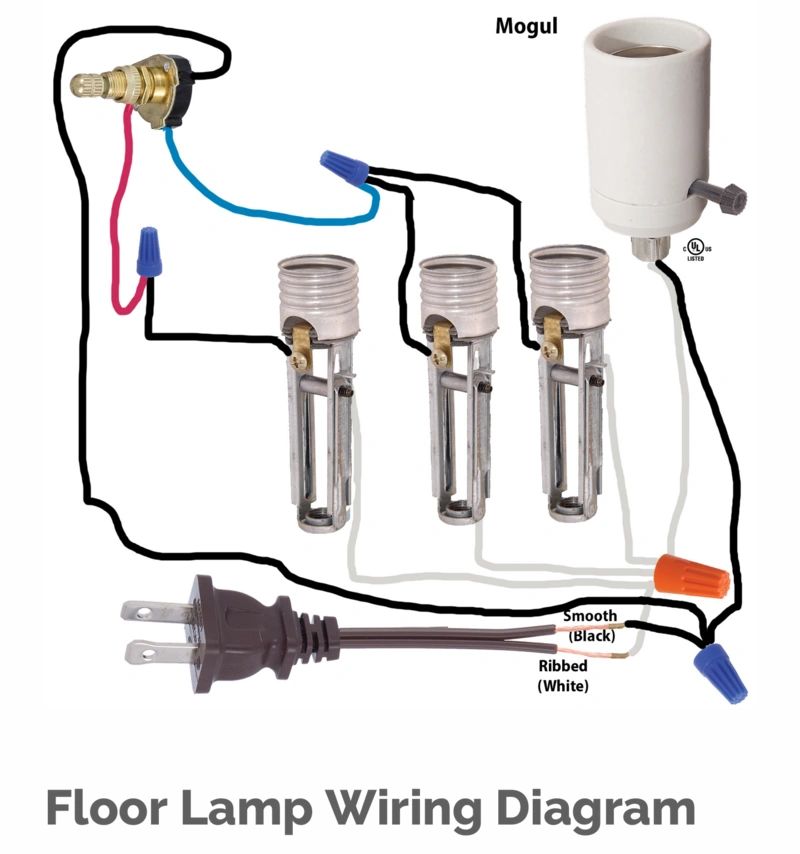
There’s a certain charm in vintage floor lamps that’s hard to replicate with modern designs. Rewiring one not only breathes new life into the fixture but also preserves a piece of history. But how do you ensure safety while maintaining authenticity?
To start, understanding the wiring system used in vintage lamps is crucial. Often, these lamps come with cloth-covered wires, which need replacing to meet today’s safety standards. Statistics indicate that old electrical wiring can be a fire hazard, making updating both essential and beneficial.
- Unplug the lamp and gather safety gear, such as gloves and goggles.
- Disassemble the lamp carefully while noting the order of parts.
- Remove old wiring using wire cutters and pliers.
- Thread new wiring through the lamp body and secure it to socket terminals.
- Reassemble the lamp, ensuring all connections are tight and components are in place.
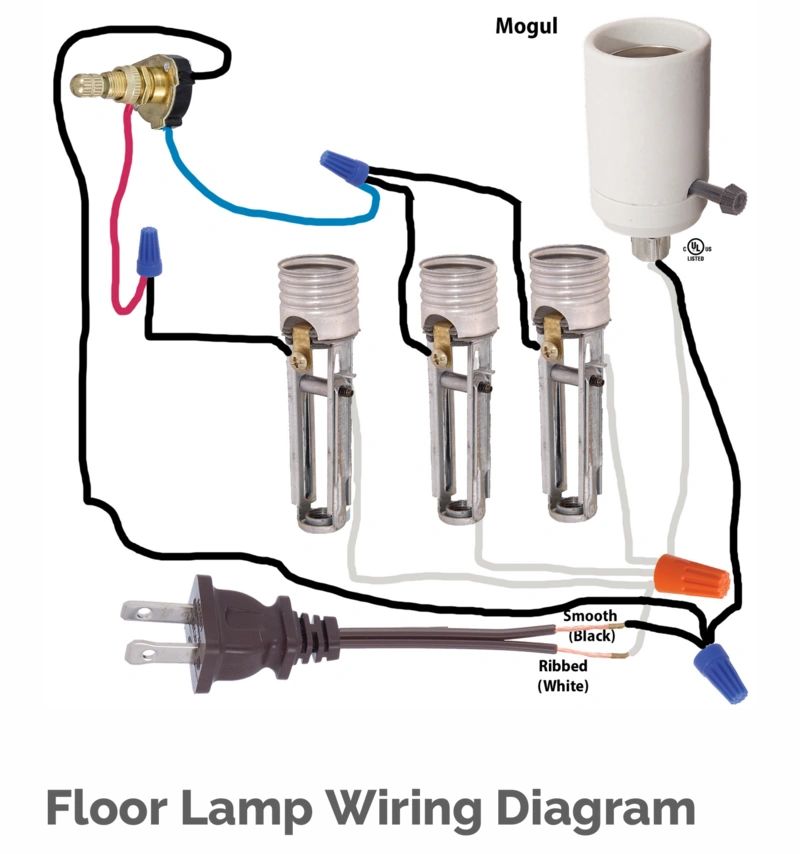
How to Rewire a Vintage Floor Lamp
Rewiring a vintage floor lamp starts with gathering the necessary tools and ensuring safety precautions. Tools you might need include a wire cutter, stripper, and new wiring. According to this article, turning off the power and unplugging the lamp is essential. Wearing protective gloves can prevent accidents. It’s important to have a well-lit workspace.
Next, disassemble the lamp carefully, noting the order of components. Using your notes, it’s easier to reassemble later. Removing the old wiring is usually the trickiest part. This may involve unscrewing parts and removing sockets. Be patient to prevent damage to the lamp.
When installing new wiring, thread it through the lamp’s body. Make sure the wire is secure and won’t move around. Follow general wire installation guidelines for connections. Double-check everything for safety. You might need to replace the socket or switch if they are old.
Finally, reassemble the lamp in the reverse order you took it apart. Test the lamp to ensure it works properly. If you face any difficulty, seeking professional help is a good idea. For complex tasks, here is the article that could help. Always prioritize safety and accuracy in each step.
Step 1: Safety Precautions and Tools Preparation
Before starting any rewiring project, ensure your safety first. Unplug the lamp to avoid any electric shock. Make sure your workspace is clean and well-lit. Wear protective gloves to prevent cuts from sharp edges. It’s crucial to use safety goggles to shield your eyes.
Next, gather the necessary tools for the job. You will need wire cutters, wire strippers, and a screwdriver. Keep a voltage tester on hand to check for any remaining electrical current. It’s helpful to have electrical tape for securing connections. An organized workspace makes the process smoother.
Use the correct type of wire for your vintage lamp. According to this post, thin electric wire is often recommended for vintage lamps. This ensures the lamp stays true to its original design. Refer to the lamp’s manual for any specific wiring requirements. If unsure, consult with an expert.
Here’s a quick checklist for safety and tools preparation:
- Unplug the lamp
- Ensure good lighting
- Wear gloves and goggles
- Gather wire cutters, strippers, and a screwdriver
- Have a voltage tester ready
- Use appropriate wiring
- Keep electrical tape close
Step 2: Disassembling the Lamp
To begin disassembling the lamp, make sure it’s unplugged and free of any electrical current. Start by removing the lampshade if it’s attached. Carefully unscrew any visible parts, keeping track of all screws and small pieces. You might need a screwdriver for this task. Place each component in a safe spot to avoid losing them.
Next, remove the harp, which is the metal frame holding the lampshade. This part usually slides off once the finial, or top screw, is removed. Afterward, unscrew the socket cover to reveal the internal wiring. Be gentle to avoid damaging the socket. Note the order of these parts for easier reassembly later.
Disconnect the old wiring from the socket terminals. You may need pliers to help with this step. If the wires are covered in tape, carefully peel it off. Write down or take a picture of the wiring configuration. This will serve as a reference when you wire the lamp later.
Here’s a quick list to remember while disassembling:
- Remove lampshade and unscrew parts
- Detach the harp and unscrew the finial
- Open the socket cover
- Disconnect old wiring
- Label and safely store all components
Step 3: Removal of Old Wiring
Removing old wiring from a vintage floor lamp requires care and attention. First, ensure the lamp is unplugged to avoid any electrical hazards. Using wire cutters, snip the wire close to the socket terminals. Gently pull the wiring out from the lamp’s base. If the wiring is stuck, you might need to tug it out in sections.
Inspect the removed wiring to understand its condition. Old wires may be frayed or covered in brittle insulation. Handling these wires gently prevents bits of insulation from scattering. If the lamp has multiple sections, remove the wires from each part separately. This step ensures that no old wiring remains inside the lamp.
For tricky areas, a pair of needle-nose pliers can be handy. Carefully grip the wire and pull it out while twisting slightly. This technique helps in tight spots where the wire may be lodged. Remember to note any specific routes the wires take for reassembly. Keeping track of these details is helpful for the next steps.
If the wires are tightly secured with old tape or clips, remove those as well. Be cautious not to damage any part of the lamp while doing this. Once all old wiring is out, the lamp’s body should be ready for new wires. Proper removal sets the stage for a smooth rewiring process. Here’s a checklist to keep you on track:
- Unplug lamp and use wire cutters
- Gently pull wiring out
- Inspect removed wiring
- Use pliers for tricky spots
- Remove old tape and clips
- Verify no old wiring remains
Step 4: Installing New Wiring
Installing new wiring in a vintage floor lamp starts by selecting the right wire. Make sure it matches the lamp’s original specifications. Slip the wire through the lamp’s base and guide it up to the socket. This ensures a clean pathway free of any obstructions. Use a wire puller if necessary to help thread the wire.
Next, strip the ends of the wire using wire strippers. This exposes the copper ends needed for connections. Attach one end to the socket terminals, securing it tightly with screws. Ensure there are no loose strands. Repeat the process for any additional wires if your lamp design requires it.
To keep the wiring secure, you may need to use electrical tape. Wrap the tape around areas where the wire might rub against the metal frame. This prevents damage to the wire insulation. A small amount of electrical tape can go a long way in ensuring safety. Keep an eye out for any potential friction points.
Here’s a quick list to remember while installing new wiring:
- Choose appropriate wire and guide it through the base
- Strip wire ends and attach to socket terminals
- Ensure connections are secure
- Use electrical tape to prevent damage
- Double-check for any loose strands
Finally, test the wiring by plugging the lamp in and turning it on. If it works correctly, proceed with reassembling the lamp. This confirms that the wiring has been installed properly. If there are issues, recheck your connections to ensure they are secure. A well-wired lamp will light up without flickering or issues.
Step 5: Reassembling the Lamp
Reassembling the lamp begins with retracing your disassembly steps. Start by attaching the socket to the top of the lamp. Secure it with screws and ensure it’s firmly in place. Reattach the harp, if your lamp has one, by sliding it back onto the lamp base. Next, screw on the finial to hold everything together.
With the main structure back in place, it’s time to organize the internal components. Tuck the new wiring neatly inside the lamp’s body. Ensure there are no kinks or tangles. It’s crucial to avoid pinching the wires with metal parts. Double-check that all connections are tight.
Next, replace the lampshade and secure it. Confirm that the lampshade fits well and doesn’t wobble. If it feels loose, double-check the harp and finial. A stable lampshade adds to the lamp’s overall safety and appearance. Make sure everything aligns correctly for a polished finish.
Here’s a brief checklist for reassembling the lamp:
- Reconnect and secure the socket
- Attach the harp and screw on the finial
- Neatly arrange the internal wiring
- Replace and secure the lampshade
- Verify there are no loose components
After reassembling, test the lamp by plugging it in and turning it on. Ensure it lights up properly without any flickering. If everything works, your vintage lamp is now safely rewired and ready for use. Always keep an eye on the lamp for the first few uses to make sure everything remains intact. Enjoy the renewed charm of your vintage floor lamp!
The Importance of Rewiring Vintage Lamps
Rewiring vintage lamps is essential for ensuring electrical safety. Old wiring can become frayed and brittle, posing a fire hazard. Modern wiring materials are safer and more durable. By replacing old wires, you’re reducing the risk of electrical malfunctions. This step is critical for maintaining a safe home environment.
Aside from safety, rewiring enhances the lamp’s functionality. New wires allow the lamp to operate reliably, without flickering or short circuits. It also makes it easier to install modern bulbs. Functional improvements bring peace of mind and convenience to everyday use. Additionally, updated components can improve energy efficiency.
The aesthetic value of vintage lamps remains intact with proper rewiring. Keeping the original design while upgrading internal parts blends old-world charm with new-world practicality. This approach also preserves the lamp’s historical significance. Collectors and enthusiasts often seek these well-maintained items.
A quick glance at why rewiring is important:
- Ensures electrical safety
- Improves functionality
- Makes it compatible with modern bulbs
- Maintains aesthetic value
- Preserves historical significance
In the long run, rewiring prolongs the lifespan of your vintage lamp. This means you can enjoy its beauty and utility for many years to come. Investing in quality rewiring prevents frequent repairs down the line. Overall, it’s a wise choice for both safety and sustainability.
Dealing with Complex Lamp Rewiring
Complex lamp rewiring often involves intricate designs and multiple electrical components. Begin by carefully studying the lamp’s structure and wiring layout. You might find it useful to take detailed notes or photos during disassembly. The more information you gather, the easier the rewiring process will be. Patience is your best ally in such situations.
Some vintage lamps have multiple bulb sockets. Each socket may have its own set of wires that need replacing. Label each wire as you disconnect it. This will help you remember how to reconnect everything. Additionally, using different colored wires for each socket can simplify the process.
Over time, parts like sockets and switches might degrade. It’s often necessary to replace these components alongside the wiring. High-quality replacements ensure reliable performance. Double-check that new parts are compatible with the lamp’s design. This helps maintain both functionality and aesthetic appeal.
Here are some tips to handle complex rewiring:
- Take detailed notes and photos during disassembly
- Label each wire as you disconnect it
- Use different colored wires for multiple sockets
- Replace degraded sockets and switches
- Ensure new parts are compatible with the lamp
Seek professional help if you’re uncertain about any step. Electricians have the expertise to handle complicated rewiring. This ensures the job is done safely and correctly. It’s better to invest in professional assistance than risk damaging your vintage lamp. Plus, it offers peace of mind knowing your lamp is in good hands.
The Cost of Rewiring a Vintage Lamp
The cost of rewiring a vintage lamp can vary based on several factors. Simple rewiring jobs may only require basic materials and tools. However, more complex lamps or those needing special parts can increase the expense. Buying high-quality materials ensures safety but might cost more. It’s essential to budget for both materials and any professional help.
For a DIY approach, expect to spend on tools like wire strippers, cutters, and electrical tape. Replacement wires and sockets are also necessary. The costs can range from $20 to $50 for basic supplies. Keep in mind that investing in better-quality items can save money in the long run. Cheap materials might not last as long or be as safe.
If you prefer hiring a professional, labor costs should be considered. Electricians can charge differently based on their experience and complexity of the job. On average, professional rewiring can range from $50 to $150. This price often includes both labor and materials. It’s a worthy investment for those apprehensive about DIY rewiring.
Here’s a cost breakdown for rewiring a vintage lamp:
| Item | Cost Range |
|---|---|
| Basic Tools (wire strippers, cutters) | $10 – $30 |
| Replacement Wires and Sockets | $10 – $20 |
| Electrical Tape | $5 – $10 |
| Professional Labor | $50 – $150 |
Overall, the cost can be affordable, especially for DIY enthusiasts. Weighing the benefits of a professional service can also be valuable. Safety and quality should always be prioritized. Whether you do it yourself or hire a pro, rewiring your vintage lamp is a meaningful investment.
When to Seek Professional Help for Lamp Rewiring
Knowing when to seek professional help for lamp rewiring can save time and ensure safety. If the lamp has a complex design or multiple sockets, it might be best to consult an electrician. Professionals have the expertise to handle intricate wiring systems. Attempting a complex job without experience might cause more harm than good. It’s essential to assess the difficulty of the task before proceeding.
Another reason to seek professional help is if you don’t have the necessary tools. Proper rewiring requires specific equipment like wire strippers, voltage testers, and electrical tape. Buying these tools for a one-time job might not be cost-effective. A professional already has the right tools and knows how to use them. This ensures that the job is done correctly and efficiently.
Health and safety are paramount when dealing with electricity. If you’re inexperienced with electrical work, the risk of injury is higher. Professionals follow strict safety guidelines to prevent accidents. They also ensure that the lamp meets current electrical standards. This makes the lamp safer to use and reduces the risk of electrical fires.
Here’s a list of situations when seeking professional help is advisable:
- Complex lamp design or multiple sockets
- Lack of necessary tools and equipment
- Limited experience with electrical work
- Concerns about meeting safety standards
- Desire for long-term reliability and safety
Lastly, consider the time factor. If you lack the time to properly disassemble, rewire, and reassemble the lamp, a professional can complete the task more quickly. This allows you to enjoy your vintage lamp sooner. In cases where the lamp holds sentimental or high monetary value, professional help ensures it’s treated with care. Your peace of mind is worth the investment.
Frequently Asked Questions
Welcome to our FAQs section about rewiring vintage floor lamps. Here, we address the most common queries to help you better understand the process and ensure safety.
1. What tools do I need for rewiring a vintage floor lamp?
You will need essential tools like wire cutters, wire strippers, electrical tape, and screwdrivers. A voltage tester is also useful to ensure there is no residual electrical current before starting your work.
Some additional helpful items include protective gloves and goggles for safety reasons. Depending on the complexity of your lamp, you might also need needle-nose pliers and a wire puller to make the job easier.
2. How long does it take to rewire a vintage floor lamp?
The time required can vary depending on the complexity of the lamp design and your familiarity with electric work. Generally, it may take anywhere from one to three hours for a basic rewiring job.
If your lamp has multiple sockets or intricate parts, expect it to take longer as more careful disassembly and reassembly will be necessary. Preparation is key for efficient work.
3. Is rewiring a vintage floor lamp safe?
Yes, rewiring a vintage floor lamp can be safe if you follow proper guidelines and safety measures. Always unplug the lamp before starting and use appropriate protective gear such as gloves and goggles.
If you’re unsure about any step in the process or dealing with complex wiring, seeking professional help is advisable. Safety should always be your top priority when handling electrical components.
4. Can I keep the original parts while rewiring my vintage lamp?
You can often keep many of the original parts like the lampshade, frame, and base while updating worn-out wiring and sockets. This ensures that the aesthetic value of your vintage lamp remains intact while making it safer to use.
However, replace any visibly damaged parts such as cracked sockets or frayed cords with high-quality modern replacements. Balancing original elements with new components ensures both functionality and preservation of charm.
5. Where can I find replacement parts for my vintage floor lamp?
You can find replacement parts at hardware stores, specialty lighting shops, or online retailers offering extensive selections for various types of lamps including vintage ones. Websites dedicated to DIY projects often provide both recommendations and user reviews which can be very helpful.
If you’re struggling to find specific items locally, consider looking up niche websites that specialize in antique or retro lighting parts as they tend to have rare components you might need for an authentic restoration.
Conclusion
Rewiring a vintage floor lamp not only ensures safety but also preserves a valuable piece of history. With the right tools and careful attention to detail, you can successfully update your lamp. Always prioritize safety by following proper guidelines and using appropriate protective gear.
Whether you choose a DIY approach or seek professional help, understanding the basics of lamp rewiring is beneficial. Balancing the original charm with modern functionality can breathe new life into your vintage pieces. Enjoy the renewed elegance and safety of your beautifully restored lamp.

I’m Emily Johnson, an affiliate marketer and blogger focused on lamps and lighting. I share honest reviews, simple buying guides, and practical tips. My goal is to help readers choose the right lamp for their space, style, and budget with confidence.