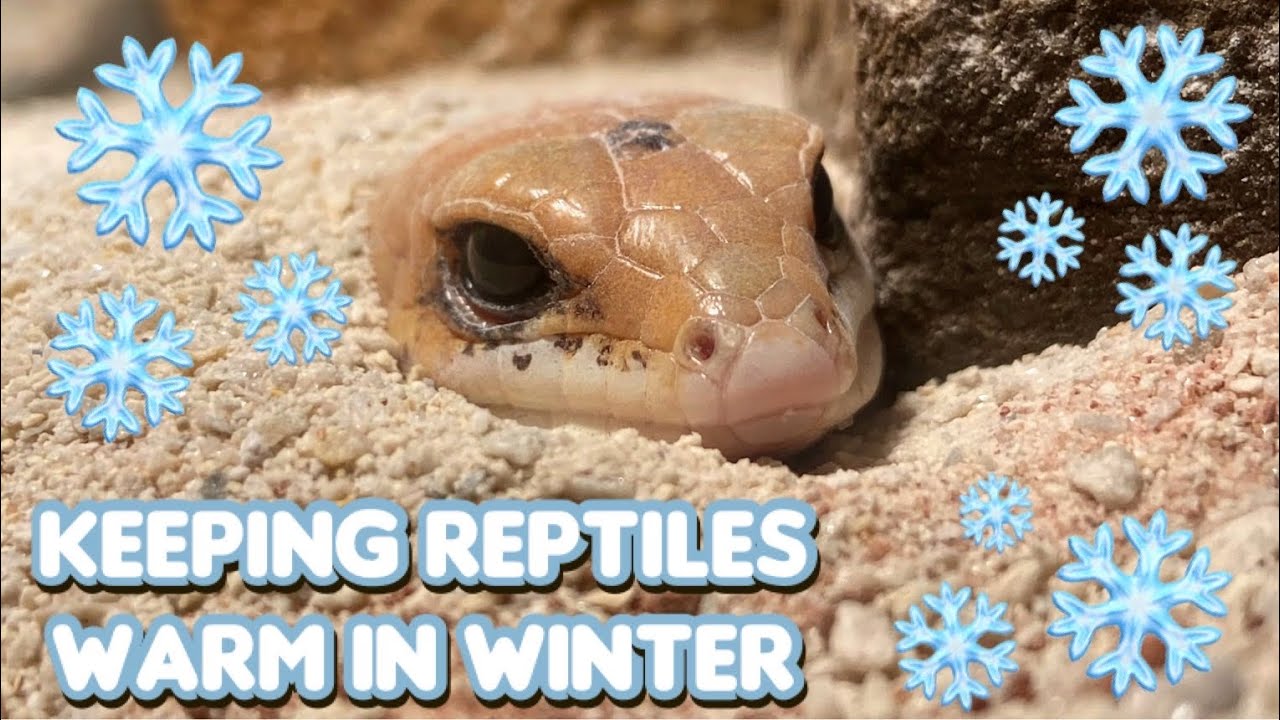
A lizard’s metabolic process relies significantly on its external environment to regulate body temperature. Surprisingly, just a few degrees drop in temperature can cause severe lethargy, appetite loss, or even death. Maintaining an optimal heat balance is critical for their well-being.
The practice of using heat lamps and under-tank heaters dates back to early herpetologists who studied reptiles’ behavioral thermoregulation. Modern advancements suggest that up to 75% of captive reptile mortality is linked to improper temperature management. Utilizing UVB lighting alongside a reliable thermostat can significantly reduce health risks for lizards, ensuring they thrive in captivity.
- Use a heat lamp to create a basking spot around 90-100°F.
- Install an under-tank heater to provide consistent warmth from below.
- Create a thermal gradient with cooler areas around 70-80°F.
- Utilize UVB lighting to support calcium absorption and overall health.
- Monitor temperatures with digital thermometers placed at different spots in the enclosure.

How to Keep a Lizard Warm
Keeping a lizard warm is crucial for its overall health and well-being. A lizard’s body cannot generate its own heat, making external heat sources essential. Using heat lamps is a common method for maintaining proper temperature. Additionally, you can use under-tank heaters to provide warmth from beneath. Each heat source has its own advantages.
Creating a thermal gradient is important to allow the lizard to regulate its body temperature. By setting up warm and cool areas, the lizard can choose where it feels most comfortable. Many pet owners use thermostats to ensure the temperature stays within a safe range. Here is the article that can help you learn more about this technique. Maintaining a balanced environment helps in mimicking their natural habitat.
The role of UVB lighting can’t be ignored when keeping lizards. UVB light aids in calcium absorption, preventing metabolic bone disease. Many modern setups combine heat and UVB sources in one bulb. This setup simplifies the process and maximizes space in the enclosure. Proper lighting solutions can be found in various specialty pet stores.
Monitoring and adjusting the heat levels regularly is also vital. Changes in room temperature can affect the lizard’s habitat. Using digital thermometers and hygrometers ensures accuracy. Regularly checking these devices helps you maintain the ideal environment. According to this post, monitoring tools are highly recommended for every lizard owner.
Step 1: Understanding a Lizard’s Thermal Needs
Lizards are ectothermic creatures, meaning they rely on external sources to regulate their body temperature. Their optimal temperature range varies depending on the species. For instance, bearded dragons thrive between 95-105°F, while chameleons prefer a range of 70-85°F. Providing the correct temperature is vital for their metabolism and digestion. If temperatures drop too low, lizards can become lethargic and ill.
Temperature control is key to a lizard’s health. Using a combination of heat lamps, under-tank heaters, and ceramic heat emitters helps maintain this balance. Each type of heating device has its pros and cons. Heat lamps are effective for creating basking spots while under-tank heaters provide a consistent warmth. Understanding the specific needs of your lizard will guide you in choosing the right equipment.
Creating a thermal gradient within the enclosure allows the lizard to self-regulate its temperature. This means setting up warm and cool zones in the habitat. Lizards will move between these zones to adjust their body heat. It’s crucial to measure the temperatures at different spots in the enclosure. Thermometers placed at various points can help ensure the right temperature gradient.
Regular checks and adjustments are necessary because environmental conditions can change. According to the this expert opinion, even a power outage can significantly impact your lizard’s habitat. Keeping backup heating solutions can prevent temperature drops during unexpected situations. This proactive step can save your lizard from potential health issues.
Step 2: Selecting Proper Heating Equipment
Choosing the right heating equipment is crucial for your lizard’s health. Heat lamps are one of the most commonly used tools. They simulate the natural heat and light sources your lizard would find in the wild. Different types of heat lamps include incandescent, mercury vapor, and ceramic bulbs. Each type offers distinct benefits and functionalities.
Under-tank heaters provide consistent warmth from below. These heaters are especially useful for lizards that spend a lot of time on the substrate. Under-tank heaters can be combined with heat lamps for optimal results. A thermostat should always be used with these heaters to prevent overheating. This creates a safe environment for your lizard.
For distributing heat evenly, ceramic heat emitters are an excellent choice. Unlike traditional heat lamps, ceramic emitters do not produce light, making them ideal for nighttime use. Here is a table showing the key features of various heating equipment:
| Heating Equipment | Key Features |
|---|---|
| Heat Lamps | Provides light and heat, various types available |
| Under-Tank Heaters | Consistent warmth from below, great for specific areas |
| Ceramic Heat Emitters | No light, ideal for nighttime use |
To ensure the effectiveness of your heating equipment, regular adjustments and checks are necessary. Digital thermometers and hygrometers help monitor temperature and humidity levels. Setting up multiple thermometers at different locations can offer a more accurate reading. This comprehensive approach guarantees a well-regulated habitat for your lizard.
Step 3: Regulating Temperature
Regulating temperature in a lizard’s habitat is crucial for maintaining its health. Using a thermostat ensures that the temperature stays within the desired range. This device automatically adjusts the heat output based on the current temperature. It helps prevent overheating and underheating. A well-calibrated thermostat is essential for a stable environment.
Digital thermometers provide accurate readings of the habitat’s temperature. Placing thermometers at different points in the enclosure helps monitor the thermal gradient. This ensures that both the basking area and cooler zones are at appropriate temperatures. Consistent monitoring can prevent health issues caused by incorrect temperatures. Proper positioning of thermometers is key to precise regulation.
In addition to thermometers, using hygrometers to measure humidity is also important. Lizards often require specific humidity levels to stay healthy. Too much or too little humidity can lead to respiratory problems and dehydration. Here is a simple list of tools for regulating temperature and humidity:
- Thermostats
- Digital thermometers
- Hygrometers
Using these tools together creates an optimal environment for your lizard.
The placement of heating equipment affects temperature regulation. For example, heat lamps should be positioned over the basking area. Under-tank heaters should cover only a portion of the substrate to create a warm spot. Adjusting the positioning of these devices helps create the perfect balance. Regularly checking and tweaking these placements leads to better results.
Seasonal changes also impact the habitat’s temperature. During summer, the room may naturally be warmer, requiring less external heating. Conversely, winter may need additional heating resources. Adapting to seasonal variations ensures that your lizard remains in a comfortable and healthy environment year-round. Regular updates to your setup can make a big difference.
Emergency situations, such as power outages, require preparedness. Having battery-operated heating options can be a lifesaver. According to this resource, maintaining a backup plan can prevent sudden temperature drops. Being well-prepared for emergencies ensures your lizard’s comfort and safety. Backup options are an essential part of comprehensive temperature regulation.
Step 4: Creating a Thermal Gradient
Creating a thermal gradient in a lizard’s habitat is essential for their ability to thermoregulate. This involves setting up a range of temperatures within the enclosure. One side should be warmer, known as the basking area, and the other cooler. This allows the lizard to move between zones to regulate its body temperature. A thermal gradient mimics their natural environment.
To create this gradient, place a heat lamp over one end of the enclosure. This will serve as the basking spot where the lizard can soak up heat. The other end should remain cooler, with a temperature that’s comfortable but not too cold. Under-tank heaters can be used to provide consistent warmth. A good setup will have both a basking area and a cool zone.
Monitoring the temperatures in both zones is crucial. Digital thermometers can be placed at various points within the enclosure to check the thermal gradient. Ensure the warm side reaches about 90-100°F for most lizard species. The cooler side should stay around 70-80°F. Proper monitoring helps in maintaining the right temperature balance.
Creating hiding spots in both warm and cool areas enriches the habitat. This allows the lizard to feel secure while choosing the right temperature zone. Use items like rocks, logs, and plants to create these spaces. Here’s a basic setup for creating a thermal gradient:
- Place heat lamp over the basking area
- Use under-tank heaters for additional warmth
- Include hiding spots in both zones
Providing these elements gives your lizard a more natural and comfortable environment.
Adjustments may be needed based on room temperature and seasonal changes. During winter, you may need to increase the wattage of the heat lamp or add additional heating equipment. Summer may require less heating. Regularly check and adjust your setup to ensure the gradient remains effective. Seasonal tweaks are important for year-round comfort.
Creating a proper thermal gradient ensures your lizard stays healthy and active. It prevents issues related to improper temperature regulation, such as metabolic bone disease or respiratory problems. By offering a range of temperatures, you allow your lizard to self-regulate, leading to a happier, healthier pet. Investing time in setting up an effective thermal gradient is well worth the effort.
Step 5: Regularly Monitoring and Adjusting Heat Levels
Regular monitoring and adjusting of heat levels are vital for your lizard’s health. Temperatures within the enclosure can fluctuate, requiring frequent checks. Digital thermometers provide accurate readings and should be placed in both the warm and cool zones. This helps ensure the thermal gradient remains consistent. Consistent monitoring can catch any unexpected changes quickly.
Using thermostats helps maintain stable temperatures. Thermostats automatically adjust the heating equipment based on the current temperature. This prevents overheating or underheating, creating a safer environment. It’s important to calibrate the thermostat accurately. Regular checks ensure it’s functioning properly.
External factors like room temperature and seasonal changes affect the heat levels in the enclosure. During summer, the room may naturally get warmer, requiring adjustments to the heating setup. In winter, additional heat sources might be necessary. Monitoring these changes helps maintain a consistent environment. Adaptability is key to keeping your lizard comfortable.
Setting up multiple thermometers across different areas provides a comprehensive view of the enclosure’s temperatures. This allows you to adjust the placement of heating equipment if needed. Frequent checks and adjustments ensure the thermal gradient remains effective. It’s a proactive way to manage your lizard’s habitat.
Regular maintenance of heating equipment is also essential. Dust and debris can affect the performance of heat lamps and under-tank heaters. Cleaning these devices ensures they work efficiently. Inspecting them for wear and tear can prevent failures. Maintenance routines contribute to consistent heat levels.
Keeping a log of temperature readings can be useful. Recording daily temperatures helps you notice patterns or irregularities. This data can guide adjustments and improvements. A temperature log is a simple yet effective tool to ensure a well-regulated environment for your lizard.
Significance of UVB Lighting in Lizard Enclosures
UVB lighting is essential for the health and well-being of lizards kept in captivity. Ultraviolet B (UVB) light aids in the synthesis of vitamin D3, which is crucial for calcium absorption. Without adequate UVB exposure, lizards are at risk of developing metabolic bone disease. This disease causes weakened bones and other health issues. Providing proper UVB lighting prevents such conditions.
The placement and type of UVB bulb are significant factors to consider. Fluorescent tubes and compact bulbs are common choices for delivering UVB light. Positioning the bulb correctly ensures even distribution of light across the enclosure. The bulb should be placed close enough to provide effective radiation but not too close to cause harm. Regularly replacing bulbs also maintains optimal light levels.
Lizards need a balance between UVB exposure and rest periods to mimic natural sunlight patterns. A 12-hour cycle is often recommended, with 12 hours of light followed by 12 hours of darkness. This simulates their natural environment where they would bask in the sun during the day and rest at night. Proper cycling supports their biological rhythms and overall health.
Different species have varying UVB requirements, making it important to research your specific lizard’s needs. For example, desert-dwelling species like bearded dragons require higher UVB levels compared to rainforest species like chameleons. Adjusting the strength and duration of UVB exposure based on species-specific needs is critical for their well-being.
| Lizard Type | Recommended UVB Level |
|---|---|
| Bearded Dragon | High – 10-12% UVB |
| Crested Gecko | Low – 2-5% UVB |
| Chameleon | Moderate – 5-8% UVB |
The quality and intensity of the UVB light deteriorate over time, necessitating regular replacements every six months to a year, depending on usage and manufacturer guidelines. Monitoring devices like UV meters can help gauge whether your bulb still emits sufficient radiation. Regular checks and replacements ensure that your lizard receives consistent benefits from its lighting setup.
Common Mistakes in Heating Lizard Habitats
One common mistake in heating lizard habitats is relying solely on one type of heating device. Many owners use only a heat lamp and neglect other options like under-tank heaters or ceramic emitters. This can create uneven temperatures and discomfort for the lizard. Using multiple heating sources helps achieve a balanced environment. Proper equipment placement is essential for effectiveness.
Another frequent error is not monitoring the habitat’s temperature regularly. Without accurate temperature readings, it’s challenging to ensure your lizard is kept in optimal conditions. Digital thermometers and thermostats should be used to maintain appropriate heat levels. Inconsistent temperatures can lead to health problems. Regular checks are crucial for lizard well-being.
Improper lighting cycles can also impact a lizard’s health. Keeping the lights on for too long or not providing enough darkness disrupts their natural rhythms. A 12-hour light and 12-hour dark cycle mimics natural conditions. Here’s a simple setup to follow:
- 12 hours of light during the day
- 12 hours of darkness at night
Maintaining a proper cycle supports stress-free living for your pet.
Failing to create a thermal gradient is another issue. Lizards need both hot and cool areas within their enclosure to regulate their body temperature. When only a single heat source is used, it’s difficult to establish this range. Placing heat lamps and under-tank heaters strategically can solve this problem. This setup allows the lizard to move between different temperature zones as needed.
Neglecting to replace old heating equipment is another significant mistake. Over time, the efficiency of heat lamps, under-tank heaters, and ceramic emitters can decrease. Using outdated equipment can lead to inadequate heating. Regularly inspecting and replacing these devices ensures consistent heat levels. Newer equipment often has improved safety features, adding another layer of protection for your lizard.
Environmental and seasonal changes can also be overlooked. As room temperatures fluctuate with the seasons, the heating requirements of your lizard’s habitat may change. In summer, you might need to reduce the wattage of your heating devices. Conversely, winter may require additional heat sources. Adjusting your setup based on seasonal variations keeps your lizard comfortable year-round.
The Role of Dietary and Hydration in Lizard Thermoregulation
Diet and hydration play significant roles in a lizard’s ability to regulate its body temperature. A balanced diet provides the energy required for metabolism, which in turn produces heat. Nutrient-rich foods like insects, leafy greens, and fruits help maintain this energy balance. Providing a variety of foods ensures that the lizard gets all necessary nutrients. Proper nutrition supports their overall health and thermoregulation.
Hydration is equally important for lizards. Water is essential for digestion, waste elimination, and maintaining overall cellular function. Dehydration can impair a lizard’s ability to thermoregulate effectively. Ensuring your lizard has constant access to fresh water is crucial. Misting the enclosure can also help keep humidity levels appropriate. A well-hydrated lizard is more capable of regulating its body temperature.
Certain foods have higher water content and can aid in keeping your lizard hydrated. For example, fruits like melons and cucumbers are not only nutritious but also hydrating. Including these types of food in their diet can supplement their water intake. Here is a list of hydrating foods for lizards:
- Melons
- Cucumbers
- Leafy greens
- Oranges (in moderation)
Offering these foods alongside regular water access helps meet their hydration needs.
Balancing calcium and phosphorus in their diet also impacts thermoregulation. A proper ratio supports bone health and metabolic functions. Foods high in calcium, like kale and collard greens, should be staples. Additionally, calcium supplements can be dusted over insects before feeding. This ensures that dietary needs are met.
Monitoring your lizard’s feeding and drinking habits provides valuable insights into their health. Changes in appetite or water consumption can indicate underlying issues affecting thermoregulation. Regularly observing these habits allows for timely interventions. Keeping a log of dietary intake and hydration can be beneficial for long-term health management.
Seasonal changes and varying activity levels may also impact dietary and hydration needs. During warmer months, lizards may require more water and slightly different foods. Conversely, in cooler months, their metabolism may slow down, changing how they process food and water. Adjusting their diet and hydration based on seasonal shifts ensures they continue to regulate temperature effectively.
Tips for Ensuring Lizard Thermal Comfort in Different Seasons
Maintaining your lizard’s thermal comfort in varied seasons requires some adjustments. During summer, ambient temperatures may naturally rise, reducing the need for additional heating. You can lower the wattage of heat lamps or increase the ventilation in the enclosure to prevent overheating. Shade structures within the habitat can offer cooler spots. Monitoring the temperature regularly helps keep it within a suitable range.
Winter months present different challenges, often requiring extra heating equipment. Increasing the wattage of your current heat lamps or adding secondary heat sources like ceramic emitters can be effective. Ensuring your lizard’s habitat is well-insulated will help retain heat. Additional substrate or warm hides can provide extra warmth. Keeping a close eye on night temperatures is crucial during this time.
Adjusting the photoperiod, or light cycle, according to the seasons can also help maintain thermal comfort. Longer daylight hours in the summer can mimic their natural environment. In winter, reducing the light cycle to shorter days can be beneficial. Here’s a seasonal light cycle guide:
- Summer: 14 hours of light, 10 hours of darkness
- Winter: 10 hours of light, 14 hours of darkness
Adjusting these cycles can support their natural rhythms.
Using a programmable thermostat can automate temperature adjustments, making seasonal transitions smoother. This device can be set to change temperatures according to the needs of the season. For instance, it can lower the heat output during summer days and increase it during cold winter nights. Such automation ensures consistent thermal comfort year-round. It’s a convenient and effective solution.
Ensuring hydration is another key factor, especially in different seasons. Summer heat may cause faster water evaporation, making constant access to fresh water essential. In winter, the air can get very dry, so misting the enclosure might be necessary to maintain humidity levels. Seasonal changes in diet can also help maintain hydration and thermal comfort. Keeping your lizard hydrated supports their overall well-being.
Finally, regular inspections and adjustments based on seasonal weather forecasts can keep your lizard’s habitat in optimal condition. Checking weather patterns ahead of time allows you to prepare for sudden temperature changes. By making proactive adjustments, you can ensure your lizard remains comfortable regardless of the season. This planning makes it easier to manage their environment effectively.
Frequently Asked Questions
Keeping a lizard healthy and comfortable requires proper care, especially with temperature management. Below are some common questions and helpful answers on this topic.
1 What types of heat lamps are best for lizards?
Heat lamps come in various types, each serving different needs. Incandescent bulbs provide both heat and visible light, making them great for daytime use. However, they can be less energy-efficient compared to other options. Ceramic heat emitters offer consistent warmth without emitting light, ideal for nighttime heating.
Mercury vapor bulbs combine UVB and heat in one lamp, providing a comprehensive solution. These bulbs support healthy bone growth by aiding vitamin D3 synthesis while keeping the enclosure warm. It’s essential to choose high-quality lamps and regularly check their output to ensure your lizard receives adequate warmth and UVB exposure.
2 How often should I change the UVB bulb in my lizard’s enclosure?
The effectiveness of UVB bulbs diminishes over time even if the light is still visibly working. Typically, UVB bulbs should be replaced every six months to a year, depending on the manufacturer’s guidelines. Neglecting timely replacement can lead to insufficient UVB radiation for your lizard.
A UV meter can help measure the bulb’s output and determine when it needs replacement. Always follow manufacturer instructions for optimal performance. Regularly replacing your UVB bulb ensures your lizard continues receiving the benefits of proper lighting.
3 Can I use household heating devices for my lizard’s habitat?
While it might seem convenient, household heating devices like space heaters or electric blankets are not recommended for reptile enclosures. These devices lack proper regulation meant for reptiles and can create uneven heating or pose safety hazards like fire risks.
Specialized reptile heating equipment is designed to maintain consistent temperatures safely. Products such as under-tank heaters, ceramic emitters, and specific reptile heat lamps are tailored to meet your pet’s needs efficiently.
4 Why is creating a thermal gradient important in a lizard habitat?
A thermal gradient mirrors a lizard’s natural environment where they experience varying temperatures throughout their habitat. This setup allows them to move between warmer basking areas and cooler zones as needed to regulate their body temperature effectively.
This thermoregulation is crucial for processes such as digestion and metabolism. Without a gradient, your lizard could end up too hot or too cold, leading to stress or health problems.
5 What symptoms indicate my lizard isn’t getting enough heat?
Lethargy is one common sign that your lizard isn’t warm enough; they may become less active than usual. A lack of appetite can also indicate issues with inadequate heat levels since proper warmth aids in digestion.
If you observe these symptoms along with slow movement or excessive hiding, check the temperatures within the enclosure immediately using a digital thermometer. Consult with a veterinarian if symptoms persist despite adjustments in heating.
Conclusion
Ensuring your lizard stays warm is crucial for its health and vitality. By understanding their thermal needs and providing the right heating equipment, you can create a comfortable habitat. Regular monitoring and adjustments help maintain the ideal environment.
Paying attention to UVB lighting, diet, and hydration also supports effective thermoregulation. Avoid common mistakes and be prepared for seasonal changes to ensure your lizard thrives. Taking these steps will lead to a happier, healthier pet.

I’m Emily Johnson, an affiliate marketer and blogger focused on lamps and lighting. I share honest reviews, simple buying guides, and practical tips. My goal is to help readers choose the right lamp for their space, style, and budget with confidence.