Revisiting the 1960s, an era of profound cultural and technological shifts, one might recall the emergence of an icon – the lava lamp. A quintessential symbol of that era’s aesthetic, vintage lava lamps mesmerized with their slow-moving psychedelic bubbles, embodying a blend of art and science. But how can we differentiate these vintage treasures from more modern replicas?
Identifying a vintage lava lamp often hinges on its brand and production marks. Original models, like those from the cresting wave of the 1960s, often bear markings or signature features unique to manufacturers such as Mathmos or Lava Lite. Historical context is essential; for instance, early versions have glass globes hand-blown with a distinctive flow and composition, setting them apart from their contemporary counterparts.
- Check the brand, looking for logos like Mathmos or Lava Lite.
- Examine the globe and base for thicker glass and unique designs.
- Observe the color and flow of the lava, noting smooth, slower movements.
- Assess the light bulb and wiring for older, cloth-covered wires.
- Look for production marks and patent information on the lamp.

How to Identify Vintage Lava Lamp
Identifying a vintage lava lamp starts with examining the brand. Brands like Mathmos and Lava Lite produced iconic lamps in the 1960s and 1970s. Look for their logos or markings often found on the base or cap. Rare models from these brands are highly sought after. According to this post, checking for these details can confirm authenticity.
Next, observe the globe and the base. Older models typically have a thicker, heavier glass. The metal bases often feature unique designs and sturdy materials. Comparing modern and vintage bases, you will notice that vintage ones were more intricately crafted. Thus, a detailed base can be a clear indicator of age and value.
Another aspect is the color and flow of the lava. Vintage lamps generally have a slower and smoother lava flow. They use specific wax and liquids that aren’t found in newer models. The colors may also appear more muted and natural. Those slight variations suggest an older, perhaps more valuable lamp.
The light bulb and wiring also tell a story. Vintage lava lamps often use incandescent bulbs, which generate the right amount of heat for proper lava movement. The wiring might appear aged, with cloth-covered wires or older plug designs. Evaluating these components can help identify and confirm the vintage nature of a lava lamp.
Step 1: Check the Brand of the Lava Lamp
When identifying a vintage lava lamp, checking the brand is essential. Well-known brands like Mathmos and Lava Lite were pioneers in the lava lamp industry. These companies left their distinctive marks on their products, typically found on the base or cap. Recognizing these logos can provide immediate authenticity. According to this post, brand marks are reliable indicators of a lamp’s age and origin.
It’s helpful to know the history of the brand. Mathmos, for instance, started producing lava lamps in the 1960s in the UK. Their lamps are often revered for their quality and unique designs. Lava Lite, an American company, also began in the 1960s and introduced the world to mesmerizing lava flows. These historical roots make their lamps highly collectible.
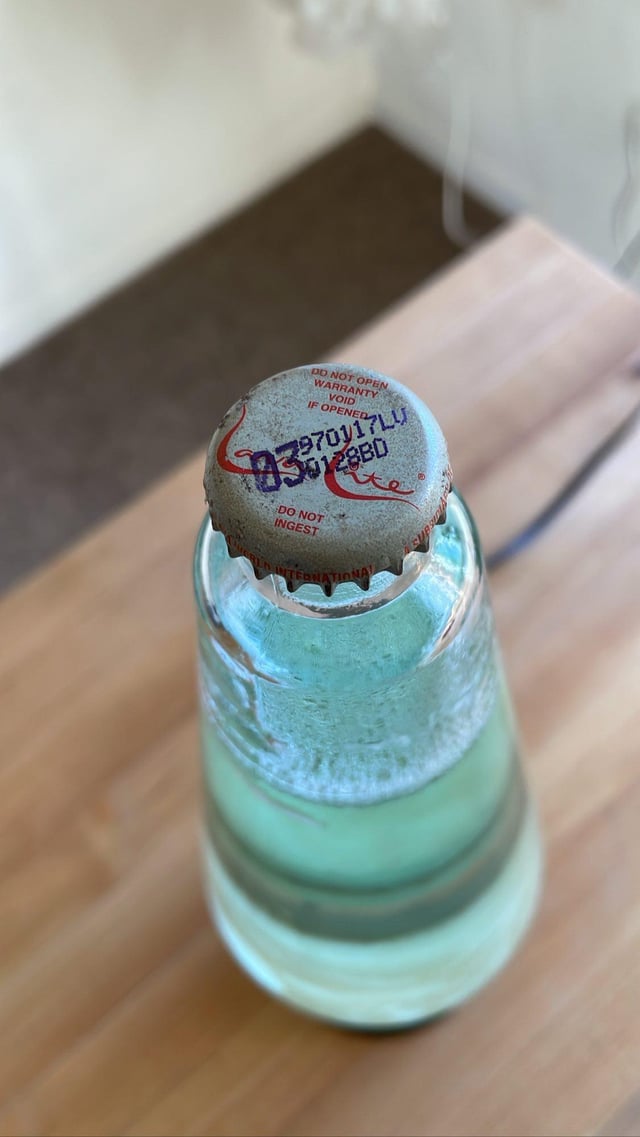
Look for production marks that indicate older manufacturing dates. Vintage lamps might have specific model numbers or patent information. These details are usually etched or printed on a metal plate or the glass itself. Carefully examining these elements can give valuable clues about the lamp’s authenticity and age.
Sometimes, the packaging can also be a telltale sign. If you find a lamp in its original box, examine it closely for brand logos, production dates, and other identifying marks. Original packaging often includes additional information about the lamp’s production period. Therefore, keeping an eye out for branded packaging is another way to verify a lamp’s vintage status.
Step 2: Examine the Globe and the Base
After checking the brand, examining the globe and base of the lava lamp is crucial. Vintage globes are usually made of thicker, high-quality glass. They often have a heavier feel and a noticeable clarity. The glass should be free of major blemishes and cracks. These features can signal the lamp’s authenticity and age.
The base of a vintage lava lamp often features distinctive designs. Older models showcase artistic and intricate craftsmanship. It’s common to find bases with detailed patterns or unique metallic finishes. The materials used, such as heavy metals, indicate the era they were made in. Comparing these to modern counterparts can reveal significant differences.
Inspect the seams and joints where the glass globe meets the base. In vintage models, these areas are typically well-made and seamless. Any sign of rough edges or sloppy craftsmanship might suggest a newer or counterfeit item. Paying close attention to these details helps in identifying genuine vintage lamps.
Sometimes, vintage lava lamps have additional features like labels or tags. These might include manufacturing dates or other identifying information. Look for these subtle markers, as they can provide further validation. Remember, every small detail counts when evaluating the globe and base.
Step 3: Observe the Color and Flow of the Lava
One of the most telling aspects of a vintage lava lamp is the color and flow of the lava. Vintage lamps often have colors that are more muted and natural compared to newer models. These colors were achieved using specific formulas that are no longer in use today. So, if you notice the lava has a unique, soft hue, it might be an older lamp. Additionally, the fluid inside should be clear and free of turbidity.
The flow of the lava in vintage lamps is usually slower and more hypnotic. Modern lamps might have a quicker or more erratic flow due to different wax and liquid formulations. Observing the lava as it moves can give clues about the lamp’s age. Vintage lamps produce smoother, more predictable movements. This is because of their well-balanced chemistry.
Consider how long it takes for the lamp to warm up and start flowing. Older lamps typically require more time to reach optimal flow. This longer warm-up period can be a distinguishing characteristic. The lava should form into large, slow-moving blobs. These graceful movements are often more mesmerizing than those in modern lamps.
Take note of how the lava reacts to the heat source. In vintage models, the lava maintains its shape better as it rises and falls. Overheating is less common in older lamps. If the lava breaks up too much or fails to move smoothly, it might be a modern reproduction. Understanding these differences is key to identifying a genuine vintage lamp.
Another detail to observe is the condition of the wax over time. Vintage lava tends to age gracefully, maintaining its flow and color longer. Modern wax might degrade faster, losing its smooth motion and vibrancy. If the lava retains its original qualities despite its age, it’s likely a genuine vintage piece.
Step 4: Assess the Light Bulb and Wiring
Evaluating the light bulb and wiring is essential when identifying a vintage lava lamp. Older models often use incandescent bulbs, which generate the right amount of heat for the lava to flow properly. Observing the type and condition of the bulb can give clues about the lamp’s age. Vintage lamps might also have non-standard bulb sizes or shapes. Comparing these to modern equivalents can help confirm authenticity.
Inspecting the wiring is another crucial step. Vintage lava lamps frequently use cloth-covered wires, distinguishing them from modern, plastic-covered wiring. This older wiring might appear more worn but is a hallmark of genuine vintage lamps. Ensuring the wiring is intact and free from damage is important for both safety and verification. The plug might also have a unique, older design.
If possible, check for any labeling or markings on the wiring and bulb sockets. These details can sometimes indicate the manufacturing date or provide brand information. Such indicators are often small but can be very telling. Even slight differences in the socket design can signify an older model. Paying attention to these details enhances your ability to identify a true vintage lamp.
Another aspect to consider is the overall condition of the electrical components. Vintage lava lamps may show signs of wear but should still be functional. Testing the lamp to ensure it lights up and the lava moves as expected is a good idea. If the lamp has been rewired or uses a modern bulb, this could impact its vintage status. Authentic vintage lamps often maintain their original wiring and bulb setups.
Sometimes, the lamp’s electrical components might include replaceable parts like fuses. Checking for these can provide more insight into the lamp’s age and construction. Modern reproductions might not have these older-style components. This level of detail helps in differentiating between genuine vintage pieces and newer replicas. Paying careful attention here is vital.
Step 5: Look for Production Marks and Patent Information
Checking for production marks and patent information can be invaluable when verifying a vintage lava lamp. Many original manufacturers included these details to protect their designs and brands. Look for markings such as serial numbers, model numbers, or patent dates. These are often etched or printed on the base or the glass globe. Finding these marks can instantly give you an idea about the lamp’s authenticity and age.
Patent information can provide specific clues about production periods. A patent number or date is usually a good indicator of when the lamp was made. This detail not only confirms its vintage status but may also narrow down the exact manufacturing era. Patent information is often located on a small metal plate or directly on the lamp’s body. Checking these details is crucial for proper identification.
Production marks might also include the country of manufacture. For instance, many vintage lava lamps were made in the USA or the UK. Seeing a mark that indicates this can be a positive sign of its age. Modern reproductions might lack these specific details or have them in different formats. Country-of-origin marks can therefore help to distinguish between vintage and newer lamps.
Labels and stickers can also serve as identifiers. Original packaging or decals with manufacturer information add credibility to the lamp’s vintage status. These labels often contain rich details, like the year of production or the exact model name. Preserved labels can be a gold mine of information, confirming the lamp’s authenticity. Carefully examining these can yield valuable insights.
If possible, cross-reference the found information with known databases or collector resources. There are websites and forums where enthusiasts share detailed records of production marks and dates. You could find pictures and descriptions that match your lamp precisely. Comparing your findings with these resources can solidify your understanding of the lamp’s origin.
Common Brands of Vintage Lava Lamps
Several brands are well-known for producing vintage lava lamps that are treasured today. One of the most iconic brands is Mathmos, originally called Crestworth, based in the UK. Their lamps, especially from the 1960s and 1970s, are highly collectible. They are known for their distinct craftsmanship and unique designs. Mathmos is often credited with creating some of the first-ever lava lamps.
Lava Lite is another significant brand in the history of lava lamps. Founded in America, they introduced their first model in 1965 under the name “Lava Lite Lamp.” Over the years, they produced a variety of designs and sizes. Their brand became synonymous with the groovy décor of the 1960s and 1970s. Collectors value Lava Lite lamps for their originality and nostalgic appeal.
Rocky Mountain Oil Company (RMOC) is also notable. While not as widely recognized as Mathmos or Lava Lite, RMOC made a name for itself by producing high-quality lava lamps during the same era. Their designs were innovative and varied, contributing to their desirability among vintage lamp enthusiasts. RMOC’s lesser-known status can make finding one of their lamps an exciting discovery.
There’s also Heritage Lamps, which specialized in making decorative lighting including lava lamps. While not exclusively producing lava lamps, their models from mid-20th century often catch collectors’ eyes due to unique features and premium materials used at that time. Heritage Lamps contributed interesting variations to the market.