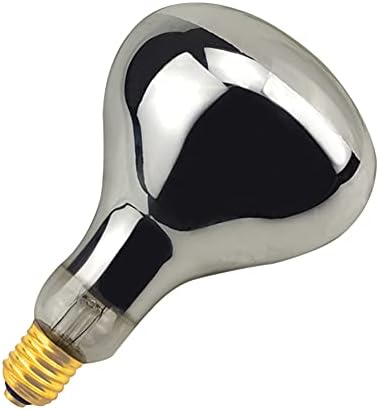
It’s fascinating to note that selecting the correct heat lamp wattage can drastically impact energy consumption and overall efficacy. For professional environments, the right choice often balances between operational costs and the desired heat output. A 125w heat lamp, for instance, is a go-to option for smaller enclosures and tasks that require lower heat intensity.
Historically, the 250w heat lamp has been the standard for larger applications, offering robust heat levels necessary for spacious areas. Even though the 250w lamp provides greater heat output, it results in higher energy consumptions, prompting experts to sometimes opt for the 125w version. The trade-off between wattages depends heavily on the specific heating needs and cost-efficiency goals of a project.
| Feature | 125w Heat Lamp | 250w Heat Lamp |
|---|---|---|
| Heat Output | Moderate heat for small spaces | High heat for large areas |
| Energy Efficiency | Uses less electricity | Higher electricity consumption |
| Lifespan | Longer lifespan | Shorter lifespan due to higher power use |
| Cost | Lower initial and operational costs | Higher initial and operational costs |
| Usability | Easy to install and maintain | More complex installation |

Overview of 125w and 250w Heat Lamps
Heat lamps are useful for keeping spaces warm. Two common types are the 125-watt and 250-watt heat lamps. Let’s dive into each to understand them better.
Overview of 125w Heat Lamp
A 125-watt heat lamp is ideal for smaller spaces. It offers enough warmth for tiny rooms or small animal enclosures. This wattage is energy-efficient, saving power while providing necessary heat.
The 125w heat lamp has a lower heat output, making it safer for delicate environments. It’s commonly used in incubators and small terrariums. Because it uses less energy, it’s also a cost-effective option.
Another benefit is its ability to maintain a controlled temperature. This helps in settings where precise heating is crucial. The 125w lamp is perfect for tasks that don’t need overwhelming heat.
Its compact size makes it easy to install. Users appreciate its simplicity and reliability. The 125-watt lamp is a versatile tool in many indoor settings.
Despite its lower wattage, it’s still effective. Professionals often choose it for its balance of efficiency and performance. It’s a small but powerful heating solution.
Overview of 250w Heat Lamp
The 250-watt heat lamp is a powerhouse for larger areas. It delivers substantial heat, ideal for big rooms or larger animal enclosures. If you need high heat output, this is the one to go for.
This lamp is perfect for environments requiring robust heating. It’s often used in barns, greenhouses, and larger terrariums. With its high energy consumption, it’s best suited for spaces needing more intense heat.
While it uses more energy, it can heat large areas quickly. This makes it great for short-term but high-heat needs. Users should balance the higher utility costs with its heating benefits.
Installation can be more complex due to its size and power. However, it’s highly effective once set up properly. It’s built to handle the demands of larger applications.
The 250w lamp is durable and reliable. Professionals prefer it when significant heat is needed quickly. It’s a go-to option for heavy-duty heating tasks.
Key Features Compared
Let’s break down and compare the key features of 125w and 250w heat lamps. This will help us understand which one is better for specific needs.
Heat Output
Heat output is the first thing to consider. A 125-watt lamp provides lower heat, suitable for small spaces. In contrast, a 250-watt lamp emits much more heat.
The 250w lamp can quickly warm up large areas. This makes it perfect for barns or greenhouses. Meanwhile, the 125w lamp is better for smaller settings like an incubator.
Choosing the right one depends on your space size. You don’t want to overheat a small area. Likewise, you need enough heat for a large room.
Professionals often use the 125w lamp for targeted tasks. The 250w lamp is favored for broad applications. Knowing this helps make a smart choice.
Energy Efficiency
Energy efficiency is very important. A 125w lamp uses less electricity. This means lower utility bills.
A 250w lamp uses more power. It’s great for quick heating but can be costly over time. Smaller spaces benefit more from the energy efficiency of the 125w lamp.
For eco-friendly projects, the 125w lamp is the way to go. It’s a smart choice where energy-saving matters. On the other hand, sometimes the 250w lamp’s higher power is necessary.
According to this post, choosing the right wattage can save money and energy. Whichever you choose, knowledge about energy use is key.
Lifespan
Lifespan is another big factor. Generally, 125w lamps last longer. This is because they use less power.
The 250w lamps can burn out quicker due to higher energy use. Replacing bulbs often can be annoying. Longer-lasting lamps save time and money.
So, for longer usage without frequent changing, go with the 125w lamp. The 250w lamp needs more frequent replacements. However, always keep spare bulbs on hand for both types.
Cost
Cost includes both purchase price and running costs. The 125w lamp usually costs less upfront. It’s also cheaper to operate over time.
The 250w lamp can be pricier to buy. It also uses more electricity, raising your bills. For budget-conscious users, the 125w lamp is easier on the wallet.
Both types have their uses, and sometimes you get what you pay for. Assess what fits your budget best. Professionals often weigh the initial cost against long-term benefits.
Usability
Usability covers how easy the lamp is to set up and maintain. The 125w lamp is generally simpler to install. It’s smaller and less cumbersome.
The 250w lamp might need more installation steps. Larger setups can be more complex. But it’s worth it when strong heating is needed.
For quick, easy setups, the 125w is ideal. The 250w lamp requires a bit more effort but delivers greater heat. Choose based on your project’s complexity.
Feature Comparison Between 125w vs 250w Heat Lamp
Comparing the features of 125w and 250w heat lamps can help professionals decide which one fits their needs best. Below is a table that highlights their main differences.
| Feature | 125w Heat Lamp | 250w Heat Lamp |
|---|---|---|
| Heat Output | Moderate heat, suitable for small spaces | High heat, ideal for large areas |
| Energy Efficiency | Uses less electricity | Higher electricity consumption |
| Lifespan | Longer lifespan | Shorter lifespan due to higher power use |
| Cost | Lower initial and operational costs | Higher initial and operational costs |
| Usability | Easy to install and maintain | More complex installation |
| Application | Best for small animal enclosures and small rooms | Best for barns, greenhouses, and large terrariums |
| Safety | Safer for delicate environments | Requires careful usage in sensitive areas |
| Temperature Control | Easy to maintain controlled temperature | Can cause overheating in small spaces |
| Warm-Up Time | Slower warm-up time | Faster warm-up time |
| Physical Size | Compact and easy to fit | Larger, may need more installation space |
The Good and The Bad of Each Wattage
When choosing between a 125w and 250w heat lamp, it’s important to weigh the pros and cons. Below is a table that captures the good and bad points of each wattage.
| 125w Heat Lamp | 250w Heat Lamp |
|---|---|
| Good: Lower electricity bills | Good: Provides more intense heat |
| Good: Longer lifespan | Good: Heats large areas quickly |
| Good: Easier to install | Good: Ideal for outdoor and large spaces |
| Bad: Slower warm-up time | Bad: Higher electricity bills |
| Bad: Limited to small spaces | Bad: Shorter lifespan |
Price Comparison Between Types
The cost of heat lamps varies based on their wattage. Comparing the prices of 125w and 250w heat lamps helps to choose the best option for your budget.
| 125w Heat Lamp | 250w Heat Lamp |
|---|---|
| Initial Purchase Cost: Lower | Initial Purchase Cost: Higher |
| Electricity Use: Low | Electricity Use: High |
| Lifespan: Longer | Lifespan: Shorter |
| Replacement Frequency: Less often | Replacement Frequency: More often |
| Overall Running Cost: Lower | Overall Running Cost: Higher |
Deciding on Which Is Better, 125W or 250W?
Choosing between a 125w and a 250w heat lamp depends on your needs. Both lamps have their benefits and drawbacks. The decision should consider the size of the area you want to heat, energy consumption, and cost.
If you need to heat a small space, such as a tiny room or a small animal enclosure, a 125w heat lamp may be perfect. Its lower energy use makes it more efficient for smaller areas. Plus, it’s safer and easier to install.
On the other hand, if you need to warm a large area like a barn or a greenhouse, the 250w lamp is the way to go. It provides strong heat that can quickly warm up big spaces. However, it will consume more electricity and may cost more to run.
Considering all factors, here’s why the 250w heat lamp might be a better choice for larger applications:
- Provides consistent and robust heat needed for larger spaces.
- Heats up the area quickly, making it efficient for tasks needing immediate warmth.
- More suitable for outdoor or commercial use where powerful heating is necessary.
Frequently Asked Questions
Choosing the right heat lamp involves understanding their unique characteristics and applications. Here are some common questions professionals often ask about 125w and 250w heat lamps.
What are the primary uses for a 125w heat lamp?
A 125w heat lamp is typically used for smaller spaces where intense heat is not necessary. It’s ideal for small animal enclosures, incubators, and specific industrial applications requiring controlled heat.
Due to its lower heat output, the 125w lamp is energy-efficient and cost-effective. It’s a popular choice for household and small commercial setups where maintaining a stable temperature is critical.
When should I choose a 250w heat lamp?
A 250w heat lamp is best for larger spaces that need substantial heat. It’s commonly used in barns, greenhouses, and large animal enclosures that require high temperatures quickly.
Its robust heat output makes it suitable for applications where rapid warming is essential. However, it consumes more electricity, so it’s crucial to balance power needs with utility costs.
How does the lifespan of 125w and 250w heat lamps compare?
Generally, 125w heat lamps have a longer lifespan compared to 250w lamps. Since they use less electrical power, they endure less stress and thus tend to last longer.
250w lamps often have shorter lifespans due to the higher power requirements and increased heat output. Frequent usage can lead to quicker burnout and more frequent replacements.
Which heat lamp is more cost-effective over time?
The 125w heat lamp is more cost-effective over time due to its lower electricity consumption and longer lifespan. Initial and operational costs are typically lower, making it a budget-friendly option for continuous use.
Conversely, the 250w heat lamp, while powerful, incurs higher running costs. It is more expensive upfront and during its operational life due to increased energy consumption and shorter lifespan.
Are there installation differences between 125w and 250w heat lamps?
Installation of a 125w heat lamp is generally simpler and quicker due to its lower wattage and smaller size. It’s less cumbersome and can fit easily into tight spaces or readily available fixtures.
On the other hand, a 250w heat lamp might require more complex installation due to its larger size and higher power needs. Proper fixtures and possibly reinforced wiring are necessary to accommodate the increased heat output.
Best Near Infrared Heat Lamps Tested!
Final Thoughts
Choosing between a 125w and a 250w heat lamp depends on your specific heating needs. For smaller, energy-efficient applications, the 125w lamp offers a cost-effective and reliable solution. Meanwhile, the 250w lamp is ideal for larger spaces requiring robust, quick heating.
Both types have their unique advantages and potential drawbacks. Understanding the key features and applications can guide you in making an informed decision. Whether it’s for professional or personal use, selecting the right heat lamp ensures optimal performance and efficiency.

I’m Emily Johnson, an affiliate marketer and blogger focused on lamps and lighting. I share honest reviews, simple buying guides, and practical tips. My goal is to help readers choose the right lamp for their space, style, and budget with confidence.