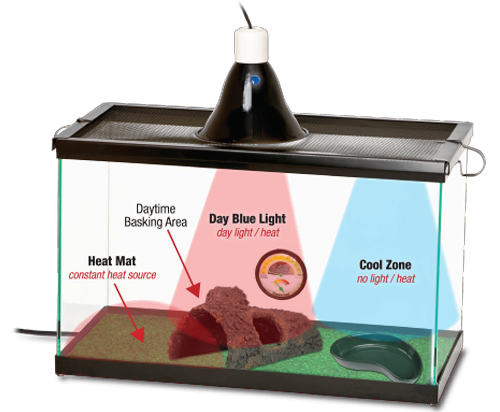
For reptile enthusiasts maintaining optimal pet health, the distinction between UVB light and a heat lamp is crucial. A staggering 85% of reptiles suffer premature illness due to inadequate lighting and heating, emphasizing this importance. But, how do these tools uniquely contribute to your reptilian friend’s well-being?
Historically, UVB lights have been vital for vitamin D synthesis in reptiles, crucial for calcium absorption and bone health. In contrast, heat lamps primarily mimic the reptile’s natural basking environment, crucial for regulating their body temperature. Approximately 70% of successfully bred reptiles thrive with a balanced combination, underscoring the indispensable roles both lights play.
| Feature | UVB Light | Heat Lamp |
|---|---|---|
| Primary Function | Produces ultraviolet B rays for vitamin D synthesis | Emits infrared heat for temperature regulation |
| Light Spectrum | Ultraviolet light | Infrared light |
| Energy Consumption | Lower energy usage | Higher energy usage |
| Replacement Frequency | Every 6 to 12 months | Every 1 to 2 years |
| Health Impact | Essential for bone health and vitamin D production | Crucial for digestion and overall activity |
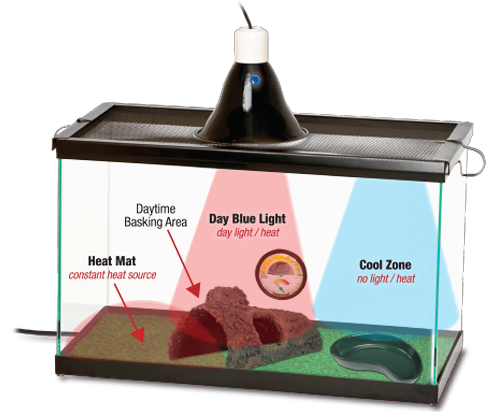
Overview of UVB Light and Heat Lamp
UVB light and heat lamps are essential tools for reptile care. Each serves a unique purpose, ensuring reptiles stay healthy and happy. Let’s explore their functions and importance in more detail.
Overview of UVB Light
UVB light is crucial for reptiles because it helps them produce vitamin D. Without enough vitamin D, reptiles can’t absorb calcium properly, leading to weak bones. This special light mimics sunlight, giving pets the same benefits they would get from being outdoors.
There are different types of UVB lights available, each with varying intensities. Some are stronger than others, so it’s important to choose the right one for your reptile. Knowing your pet’s needs is key to selecting the best light.
UVB lights need to be replaced regularly to stay effective. Over time, they lose their ability to produce UVB rays, even if they still emit visible light. Regularly checking and replacing bulbs will keep your reptile healthy.
It’s essential to position the UVB light correctly in the enclosure. Too far away and your pet won’t get the benefits; too close and it might get too hot. Always follow the manufacturer’s instructions for optimal placement.
Besides vitamin D production, UVB light also plays a role in regulating other bodily functions. It helps with the reptile’s overall metabolism and activity levels. A well-lit habitat ensures a thriving pet.
Overview of Heat Lamp
Heat lamps are necessary for regulating a reptile’s body temperature. Unlike mammals, reptiles rely on external heat sources to warm up. A heat lamp replicates the warmth of the sun, helping them stay comfortable.
There are various types of heat lamps, such as incandescent bulbs and ceramic heaters. Each type serves different purposes and produces different amounts of heat. Selecting the appropriate heat source is crucial for your reptile’s comfort.
Placement of the heat lamp is very important. It should be positioned so that your reptile can move closer to warm up or move away to cool down. This allows them to regulate their body temperature effectively.
Heat lamps should be monitored to prevent overheating. It’s important to use a thermostat or timer to control the heat output. This ensures a safe and stable environment for your pet.
Properly using a heat lamp can significantly improve your reptile’s health and well-being. It helps them digest food better and remain active. A warm habitat is essential for a happy, healthy reptile.
Key Features Compared
Comparing UVB lights and heat lamps helps understand their unique benefits for reptile care. Each has specific features that are essential for your pet’s health. Let’s take a closer look at these.
Light Production
UVB lights are designed to produce ultraviolet B rays. These rays help reptiles produce vitamin D, which is vital for their bone health. On the other hand, heat lamps mainly produce infrared light, which is less visible but crucial for providing heat.
While UVB lights emit rays beneficial for health, heat lamps focus on generating warmth. This difference is key, as UVB rays don’t produce much heat. According to this expert opinion, UVB light doesn’t count as a primary heat source.
UVB lights typically produce a specific range of ultraviolet light. This range closely mimics natural sunlight on a clear day. Heat lamps, however, produce a broader spectrum of light that prioritizes infrared rays for heating.
Unlike heat lamps, UVB lights need to be replaced more frequently. Heat lamps, on the other hand, tend to last longer, though they can burn out suddenly. Keeping track of both types of lights ensures your reptile’s environment is always ideal.
While both offer essential lighting, their primary functions make them unique. UVB lights benefit health through ultraviolet exposure, whereas heat lamps ensure warmth. Combining the two can create an optimal habitat.
Energy Efficiency
Energy efficiency is a vital consideration for both UVB lights and heat lamps. UVB lights often use less energy because they focus on emitting ultraviolet rays. These lights are designed to replicate sunlight efficiently.
Heat lamps, however, may consume more energy. Producing enough infrared heat requires higher wattage. This higher energy usage can lead to increased electricity bills over time.
UVB lights generally use fluorescent or compact bulbs. These types of bulbs are known for being energy-efficient. Heat lamps may use incandescent or ceramic bulbs, which can be less efficient.
Monitoring energy usage is important to avoid high costs. Choosing energy-efficient models of both types can help manage expenses. This consideration is crucial for long-term reptile care.
Balancing energy efficiency with the needs of your reptile is key. Both UVB lights and heat lamps offer unique benefits and should be selected carefully. Prioritizing efficient models ensures effective care without excessive energy consumption.
Lifespan and Replacement
Lifespan varies between UVB lights and heat lamps. UVB lights generally have a shorter lifespan. They need replacement every 6 to 12 months to maintain effectiveness.
Heat lamps tend to last longer. Their lifespan can range from 1 to 2 years, depending on usage. Regular checks are essential to avoid sudden burnouts.
UVB lights may continue to emit visible light even after their UVB output declines. This feature can be misleading, requiring close monitoring. Heat lamps, however, usually stop working entirely when they burn out.
Consistent replacement of UVB lights ensures reptiles get the necessary ultraviolet exposure. One approach involves marking the date of installation on the bulbs. This habit helps remember when it’s time for a replacement.
Choosing durable and reliable brands for both types of lights can maximize their lifespan. Quality products often offer better performance and longevity. This choice contributes to the overall well-being of your reptile.
Cost
The cost of UVB lights and heat lamps can vary widely. UVB lights are often more expensive initially. This higher cost reflects their specialized design to emit ultraviolet rays.
Heat lamps generally have a lower upfront cost. However, they may require more frequent replacement. This factor can affect the total cost over time.
Although UVB lights are pricier, they provide essential health benefits. Reptiles need these lights for proper vitamin D production. Investing in quality UVB lights ensures long-term health benefits.
Heat lamps are crucial for maintaining the right temperature. Despite their lower initial cost, choosing efficient models can reduce energy expenses. Investing in both types of lights is important for comprehensive reptile care.
The total cost includes both initial investment and ongoing expenses. Balancing these costs with the needs of your reptile is crucial. Careful selection based on quality and longevity can minimize overall expenses.
Health Impact
UVB lights significantly impact reptile health. These lights help reptiles produce vitamin D3. This vitamin is essential for calcium absorption and bone health.
Without UVB exposure, reptiles can develop conditions like metabolic bone disease. This disease causes weak and deformed bones. Regular exposure to UVB lights prevents such health issues.
Heat lamps are crucial for regulating body temperature. Reptiles rely on external heat sources to stay warm. Proper temperature regulation helps with digestion, activity, and overall well-being.
Balancing UVB exposure and heat is vital for a healthy reptile. Both are necessary to mimic the natural environment of the reptile. Providing both types of lights fosters a holistic approach to pet care.
The combined use of UVB lights and heat lamps ensures comprehensive care. Each type of light plays a distinct role in maintaining optimal health. This balanced approach supports a thriving and happy reptile.
UVB light vs Heat Lamp: Feature Comparison
Comparing the features of UVB lights and heat lamps offers a clear understanding of their roles in reptile care. Each has unique benefits vital to a reptile’s health and well-being. This table highlights the key differences and similarities.
| Feature | UVB Light | Heat Lamp |
|---|---|---|
| Primary Function | Produces ultraviolet B rays for vitamin D | Emits infrared heat for temperature regulation |
| Light Spectrum | Ultraviolet light | Infrared light |
| Energy Consumption | Lower energy usage | Higher energy usage |
| Replacement Frequency | Every 6 to 12 months | Every 1 to 2 years |
| Health Impact | Essential for bone health and vitamin D production | Crucial for digestion and overall activity |
| Installation Position | Needs to be positioned correctly for UV exposure | Should allow for basking and cooling zones |
| Cost | Generally higher initial cost | Lower initial cost |
| Durability | Less durable, needs frequent replacement | More durable, lasts longer |
| Effect on Behavior | Encourages natural daylight behaviors | Helps regulate daily activity patterns |
| Usage in Habitat | Replicates natural sunlight | Mimics warm basking spots |
The Good and The Bad
Both UVB lights and heat lamps have their advantages and drawbacks. Understanding these can help you make the best choice for your reptile’s needs. Here is a comprehensive look at the pros and cons.
| Pros | Cons |
|---|---|
| UVB lights help in producing vitamin D for reptiles. | UVB lights require frequent replacement. |
| Heat lamps provide essential warmth for reptiles. | Heat lamps consume more energy. |
| UVB lights replicate natural sunlight for reptiles. | Heat lamps can become too hot if not managed well. |
| Heat lamps help regulate reptiles’ activity patterns. | UVB light bulbs are generally more expensive. |
| UVB lights improve overall reptile health. | Heat lamps may need a thermostat to prevent overheating. |
Price Comparison
Comparing the prices of UVB lights and heat lamps can help you decide which is best for your reptile’s needs and your budget. Here is a detailed look at the cost differences.
| UVB Light | Heat Lamp |
|---|---|
| $20 – $50 per bulb | $10 – $30 per bulb |
| Higher initial cost | Lower initial cost |
| Needs frequent replacement (6-12 months) | Lasts longer (1-2 years) |
| Specialized brands often more expensive | Common brands available at lower prices |
| Includes energy-efficient options | May increase electricity bill |
Which Is Better?
Deciding between UVB light and a heat lamp can be tricky, as both are crucial for reptile care. Understanding their unique benefits helps choose the best option for your pet. Each type of light serves a different, yet complementary function in keeping reptiles healthy.
UVB lights are essential for maintaining a reptile’s bone health. They help produce vitamin D, which is necessary for calcium absorption. Without it, reptiles are at risk of developing metabolic bone disease, affecting their overall health and mobility.
Heat lamps, on the other hand, are vital for regulating body temperature. Reptiles depend on external heat sources to stay warm. Proper temperature regulation aids in digestion, activity levels, and overall comfort.
While both types of lights offer essential benefits, they work best when used together. However, if you must choose one, the UVB light edges out slightly due to its critical role in sustaining bone health. Ensuring reptiles get sufficient UVB exposure can prevent serious health problems over time.
Reasons to Choose UVB Light:
- Essential for vitamin D production.
- Prevents metabolic bone disease.
- Improves overall health and growth.
Frequently Asked Questions
Understanding the differences between UVB light and heat lamps can be crucial for reptile owners. Here are some commonly asked questions to provide clarity and guidance on this topic.
What are the primary functions of UVB lights and heat lamps?
UVB lights are primarily used for producing ultraviolet B rays, essential for a reptile’s vitamin D synthesis. This is critical for calcium absorption, which ensures healthy bone growth and prevents metabolic bone disease.
Heat lamps, on the other hand, provide infrared heat crucial for regulating a reptile’s body temperature. Reptiles, being ectothermic, need external heat sources to stay warm, aiding in digestion and daily activity.
How often should UVB lights and heat lamps be replaced?
UVB lights generally need to be replaced every 6 to 12 months. Even if they still emit visible light, their ultraviolet output diminishes over time, making regular replacement essential for effective reptile care.
Heat lamps tend to last longer, often between 1 to 2 years, depending on usage. It’s important to monitor their performance, as a sudden burnout can leave your reptile without the necessary heat.
Are there energy efficiency differences between UVB lights and heat lamps?
Yes, UVB lights usually consume less energy since their primary function is to emit ultraviolet rays rather than heat. They often use fluorescent or compact fluorescent bulbs, known for their energy efficiency.
Heat lamps generally require more energy due to their need to produce sufficient infrared heat. These lamps typically use incandescent or ceramic bulbs, which are less energy-efficient than UVB light bulbs.
What are the cost implications of using UVB lights and heat lamps?
UVB lights often have a higher initial cost due to their specialized design for emitting ultraviolet rays. However, their health benefits for reptiles, such as preventing metabolic bone disease, can justify the investment.
Heat lamps tend to have a lower initial cost but may increase electricity bills over time due to higher energy consumption. They also need careful monitoring and potential additional expenses for thermostats to regulate temperature.
Can UVB lights and heat lamps be used together?
Yes, using both UVB lights and heat lamps together can provide comprehensive care for reptiles. UVB lights ensure the reptile receives the necessary ultraviolet exposure for health, while heat lamps maintain the proper temperature.
Using both allows you to mimic the reptile’s natural environment more accurately, promoting overall well-being. It’s important to properly set up and maintain both light sources to create an optimal habitat for your reptile.
What Wattage Heat Lamp Do You Need For Reptiles!
Conclusion
Both UVB lights and heat lamps play crucial roles in reptile care. While UVB lights are vital for vitamin D production and bone health, heat lamps regulate body temperature and aid digestion. Using both together creates the best environment for your reptile.
Understanding their individual functions helps in making an informed choice for your pet’s well-being. Balancing UVB exposure and heat ensures a healthy and thriving reptile. Prioritizing the right equipment can lead to happier, healthier pets.

I’m Emily Johnson, an affiliate marketer and blogger focused on lamps and lighting. I share honest reviews, simple buying guides, and practical tips. My goal is to help readers choose the right lamp for their space, style, and budget with confidence.