
Oil lamps are used to provide light, typically in areas with limited or no electricity.
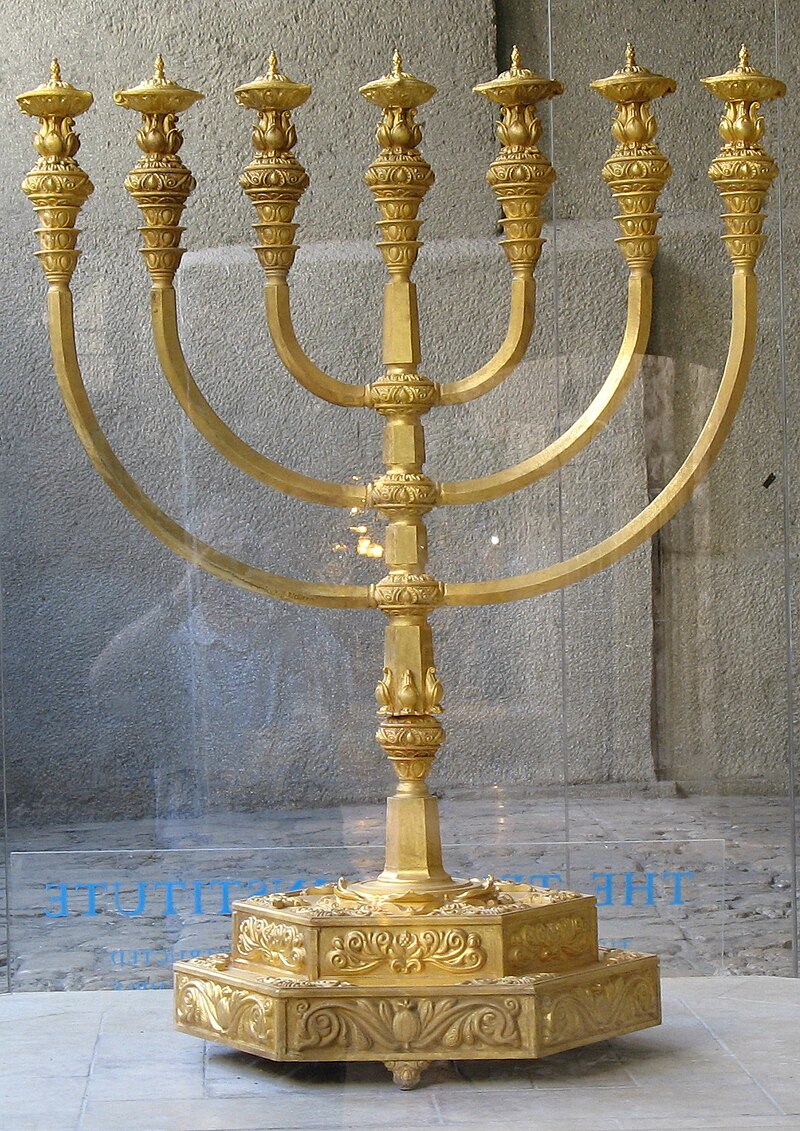
Credit: en.wikipedia.org
History of Oil Lamps
Oil lamps have been used for thousands of years as a source of light and warmth. These ancient devices, which were originally filled with various oil substances, have played a significant role in human history. Understanding the history of oil lamps provides valuable insights into how these lamps have evolved over time.
Early Origins Of Oil Lamps
The early origins of oil lamps can be traced back to the ancient civilizations of Mesopotamia and Egypt. These early lamps were simple in design, typically consisting of a hollowed-out stone or pottery vessel filled with animal fat or vegetable oil, with a wick made from fibrous materials such as flax or reeds.
The use of oil lamps quickly spread across other regions such as Greece and Rome, where more advanced versions were developed. In Greece, clay lamps called aryballos became popular, featuring a shallow bowl-shaped body and a narrow spout. Roman lamps, known as terra cotta lamps, had a wide range of designs and often featured intricate decorations.
Development and Spread of Oil Lamps
The development and spread of oil lamps continued throughout the Middle Ages and into the Renaissance. During this time, the design and functionality of oil lamps further improved. Metal lamps with multiple wicks, such as the Byzantine hanging lamps, became more widespread, allowing for brighter and more widespread illumination.
The popularity of oil lamps continued into the 19th century with the development of the Argand lamp, which featured a glass chimney and a circular wick, resulting in an even brighter and more efficient light source. Oil lamps were widely used in households, workshops, and even street lighting until the gradual introduction of electric lighting in the late 19th and early 20th centuries.
Today, oil lamps are primarily used for decorative and nostalgic purposes rather than as a primary source of light. They serve as a reminder of the ingenuity and resourcefulness of our ancestors, who relied on these simple yet effective devices to light their way in the darkness.
Design and Components of Oil Lamps
When it comes to illuminating the darkness in a magical and nostalgic manner, few things can compare to the soft, soothing glow of an oil lamp. Whether used for practical purposes during power outages or simply to create a cozy ambiance, oil lamps have been a timeless source of light for centuries. Understanding the design and components of oil lamps provides a deeper appreciation for their historical significance and functionality.
Materials and Construction
The materials and construction of oil lamps play a crucial role in their design and functionality. Traditionally, oil lamps were crafted using various materials such as clay, brass, bronze, or glass. Each material contributed unique characteristics to the lamp’s overall design. For instance, clay lamps, shaped by skilled artisans, offered a rustic charm while glass lamps showcased an elegant and delicate appearance.
Modern oil lamps often feature a combination of materials, combining the durability of metal with the aesthetic appeal of glass. The base of the lamp, known as the font, holds the fuel, while the chimney or glass globe protects the flame. The font may also incorporate intricate engravings or decorative handles, adding a touch of style to the lamp.
Shape and Size
The shape and size of an oil lamp not only impacts its aesthetics but also influences its practicality. Oil lamps come in a wide array of shapes, from classic cylindrical designs to intricately designed lamps with sculpted bases and detailed engravings. These variations in shape allow individuals to select a lamp that complements their home decor or personal style preferences.
The size of an oil lamp can also vary, with options ranging from small, portable lamps to larger, more extravagant pieces. Smaller lamps provide convenience and portability, making them ideal for outdoor activities or emergency lighting. On the other hand, larger oil lamps tend to have a more commanding presence, making them perfect for creating a focal point in a room or enhancing the ambiance of a space.
Wicks and Fuel
The wick and fuel are essential components that make oil lamps functional. The wick is responsible for drawing the fuel upward, allowing it to burn and generate light. Traditional wicks were made from natural fibers such as cotton or linen, while modern wicks now utilize synthetic materials. These wicks are designed to be long-lasting and efficient, ensuring the flame burns consistently and without smoky odors.
The fuel used in oil lamps has evolved over time. Historically, lamps were fueled by animal fats, vegetable oils, or even whale oil. However, in modern times, most oil lamps are powered by liquid paraffin or kerosene. These fuels, known for their clean-burning properties, create a steady and bright flame without leaving behind unpleasant residues or smells.
In conclusion, the design and components of oil lamps contribute to their overall charm and functionality. By understanding the materials and construction, as well as considering the shape and size, individuals can select oil lamps that suit their preferences and needs. Additionally, the importance of wicks and modern fuel choices ensures a clean and reliable source of light. So, whether you are using an oil lamp for practical purposes or to create a captivating atmosphere, these factors come together to enhance the timeless allure of these exquisite lighting fixtures.
Uses of Oil Lamps
In the world of lighting, oil lamps have a long history and have been used for various purposes throughout time. From ancient civilizations to religious practices, and even practical applications, oil lamps have played a significant role. In this section, we will delve into the different uses of oil lamps and explore the fascinating ways in which they have been utilized.
Illumination In Ancient Times
In ancient times, oil lamps served as the primary source of light for early civilizations. These lamps were crafted from various materials such as clay, bronze, or even stone. They were filled with oil, typically olive oil, and had a wick that would provide a steady, flickering flame. The gentle glow of an oil lamp illuminated the darkness, serving as a crucial source of light for indoor spaces and outdoor environments alike.
Religious And Ritualistic Purposes
- Temple ceremonies: Oil lamps have held immense significance in religious and ritualistic practices for centuries. In many cultures and religions, oil lamps are used as a form of devotion during temple ceremonies. The flickering flame represents the divine presence and is often believed to bring blessings and good fortune to those who light them.
- Candlelit vigils: Oil lamps are also commonly used in candlelit vigils and religious processions. Their soft glow creates an atmosphere of serenity and spirituality, enhancing the sense of unity and solemnity during these events.
- Offerings and prayers: Oil lamps are frequently used to offer prayers and make devotional offerings to deities or ancestors. Lighting a lamp symbolizes reverence and serves as a physical representation of one’s spiritual intentions.
Practical and Functional Applications
- Outdoor lighting: In earlier times, before the advent of electricity, oil lamps were commonly utilized for outdoor lighting. Whether it was lighting the streets, walkways, or even ships navigating through the night, the practicality and reliability of oil lamps made them an essential lighting solution.
- Emergency lighting: Even in modern times, oil lamps continue to serve as a reliable backup for emergency situations when power outages occur. Their simplicity and portability make them a practical choice for providing light when electricity is unavailable.
- Ambiance and decor: Oil lamps add a touch of warmth and nostalgia to any space. They can be used as decorative pieces, creating a cozy and inviting atmosphere in homes, restaurants, or even outdoor events.
From ancient times to the present day, oil lamps have proven their versatility and usefulness. Whether it is for illumination, religious and ritualistic practices, or practical applications, these timeless lighting fixtures continue to hold a special place in our hearts and homes.

Credit: www.eatmy.news
Legacy of Oil Lamps
The legacy of oil lamps is a fascinating journey that takes us back to ancient times when these simple yet ingenious devices lit the way for centuries. Oil lamps have played a crucial role in human history, not only as a source of light but also as a symbol of warmth, comfort, and ancient craftsmanship. Let’s explore the enduring legacy of oil lamps and discover their influence on modern lighting.
Influence On Modern Lighting
The influence of oil lamps on modern lighting cannot be underestimated. These ancient lamps were a significant stepping stone in the development of lighting technology and design that we see today. Oil lamps serve as the foundation for the creation of more efficient and safer lighting solutions. The principles behind oil lamps, such as controlling the flame and using different materials for the wick, have been adapted and improved upon to create modern lighting fixtures.
Thanks to the legacy of oil lamps, we now have a wide variety of lighting options, ranging from incandescent bulbs to LED lights. The innovation of oil lamps paved the way for the industrial revolution, where oil-based lighting systems were used to illuminate factories, streets, and homes. It was during this time that gas lamps and eventually electric lights came into existence, completely transforming the way we light our surroundings.
Collecting and Preserving Ancient Oil Lamps
Collecting ancient oil lamps has become a popular hobby among history enthusiasts and archaeology lovers. These tangible pieces of history hold immense value in terms of both their significance and aesthetics. Owning an ancient oil lamp allows one to have a physical connection to the past, to hold a piece of human ingenuity and craftsmanship.
Preserving these oil lamps requires delicate care and attention. Many collectors take great pride in cleaning and restoring these artifacts to their former glory. Some even display their collections in museums or private galleries to share the legacy of oil lamps with others. By doing so, they ensure that the memory of these ancient devices lives on for generations to come.

Credit: www.nps.gov
Frequently Asked Questions For What Are Oil Lamps Used For
What Are Oil Lamps Used For?
Oil lamps are used to provide light in areas without electricity or during power outages. They are also used as decorative pieces and for creating a cozy ambiance.
How Do Oil Lamps Work?
Oil lamps work by burning oil, usually made from vegetable or mineral sources, as fuel. The oil is drawn up into a wick, which is then ignited, producing a steady flame that provides light.
Can Oil Lamps Be Used For Emergencies?
Yes, oil lamps are great for emergencies as they provide a reliable source of light when other forms of electricity are unavailable. It is important to have extra oil and wicks on hand for extended use.
Are Oil Lamps Safe To Use Indoors?
When used responsibly and following safety guidelines, oil lamps are safe to use indoors. It is important to keep them away from flammable materials, supervise them while lit, and ensure proper ventilation in the room.
Conclusion
To sum up, oil lamps have been used for centuries as a reliable and convenient source of light. From their historical significance to their practical applications in modern times, these lamps continue to serve a variety of purposes. Whether it’s for emergency situations, creating a cozy ambiance, or adding a touch of vintage charm to your home, oil lamps offer a timeless beauty that is hard to match.
So, consider adding an oil lamp to your collection and experience the enchantment they bring.

I’m Emily Johnson, an affiliate marketer and blogger focused on lamps and lighting. I share honest reviews, simple buying guides, and practical tips. My goal is to help readers choose the right lamp for their space, style, and budget with confidence.