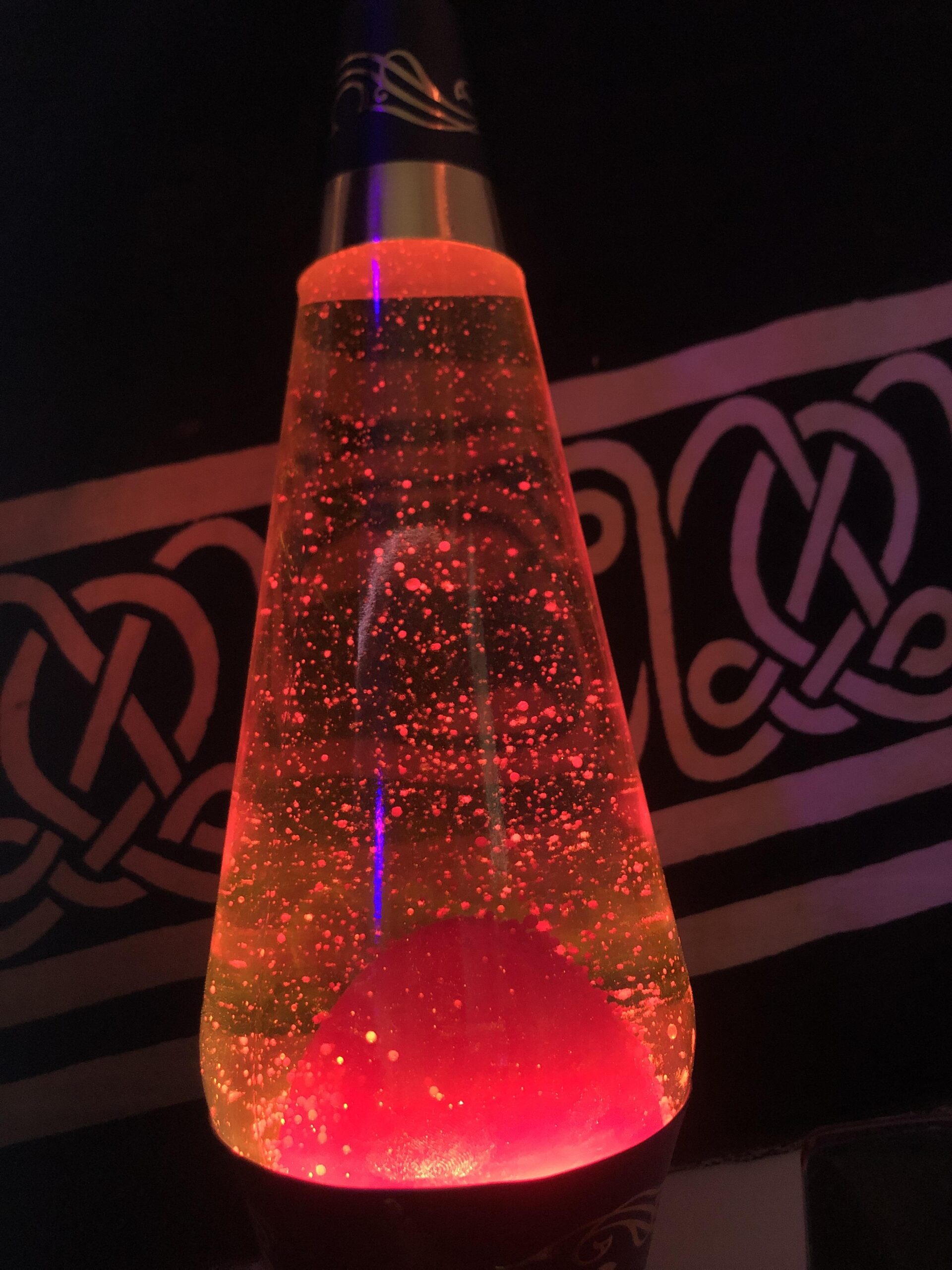
Ever wondered why a seemingly peaceful lava lamp turns into a foamy disaster after being shaken? This notorious reaction often leaves lava lamp enthusiasts puzzled and frustrated. The good news is, with a bit of patience and the right approach, your lamp can regain its mesmerizing flow.
Lava lamps have been fascinating us since the 1960s, but their delicate ecosystem can be disrupted by a simple shake. To rectify this, experts suggest turning off the lamp and letting it sit undisturbed for 24 hours. This waiting period allows the wax to settle at the bottom, restoring its original lava-like motion once reheated.
- Turn off the lava lamp and let it sit undisturbed for 24 hours to allow the wax to settle.
- After the waiting period, turn the lamp back on to slowly melt the wax and restore its flow.
- If necessary, repeat steps of heating, cooling, and waiting until normal operation returns.
Source:
How to Fix a Lava Lamp After Shaking It
If your lava lamp has been shaken, the first step is to turn it off and let everything settle. This can take 24 hours or even longer. During this time, the wax will eventually separate from the liquid again. According to this post, patience is key to restoring your lamp. Avoid shaking it during this period.
Once the lamp has settled, you can turn it back on. The heat will help to slowly melt the wax, allowing it to rise and fall as it should. It might take a couple of cycles to regain its original flow. If the lamp still isn’t working, let it cool down and try again. Persistent shaking can disrupt the wax, so avoid moving the lamp unnecessarily.
Repeated heating and cooling might be necessary if the lamp’s flow doesn’t normalize. Give it time and monitor its progress. In some cases, it may take a few days of cycling the lamp on and off. Ensure you are using the correct wattage bulb for optimal performance. Incorrect wattage can affect the lamp’s functionality.
Protecting your lava lamp from getting shaken can save such troubleshooting efforts. Place it in a stable area where it won’t be disturbed. Preventive measures always help in maintaining the lamp’s longevity. Proper care and placement will keep your lava lamp glowing beautifully for years. According to the article, these simple steps can aid in preserving its unique motion.
Step 1: Give It Time to Settle
If you accidentally shake your lava lamp, the first and most important step is to turn it off and let it settle. This waiting period is crucial for the wax and liquid to separate again. Generally, this can take at least 24 hours, but sometimes longer. According to this expert opinion, patience is essential during this stage. Resist the urge to turn it on prematurely.
During the settlement phase, place the lamp in a location where it won’t be disturbed. Movement can further disrupt the wax, making the process take even longer. Choose a steady surface, like a table or a shelf, away from any busy areas. Once you’ve set the lamp in a secure spot, leave it there undisturbed. This ensures the wax has the best chance to regroup.
Monitoring the progress can be frustrating, but it’s necessary. Periodically check the lamp to see if the wax has settled at the bottom. This means no more bubbles or foam should be visible. Once everything looks calm, you can proceed to the next step. Remember, turning it on too soon can ruin the wax composition.
If after 24 hours the wax still isn’t settling, give it more time. In some cases, it may take a couple of days or repeated attempts. Your patience will pay off once the lamp starts its mesmerizing flow again. By following these steps, you’ll save your lava lamp from unnecessary damage and extend its life.
Step 2: Light It Up
After giving your lava lamp ample time to settle, it’s time to turn on the light. The heat from the bulb will gradually warm the wax. This process encourages the wax to rise and fall in a mesmerizing pattern. Make sure to use the correct wattage bulb as specified by the manufacturer. Too much or too little heat can affect the lamp’s performance.
Once you turn on the lamp, observe it closely for the first couple of hours. The wax might not start moving immediately; it needs time to heat up fully. If after a few hours the wax hasn’t started to flow, turn off the lamp and let it cool. Repeat this cycle of turning it on and off to help encourage the wax to move. Patience is key during this phase.
Proper lighting is crucial for optimal performance. For best results, ensure the room temperature is not too cold and place the lamp in a draft-free area. Any sudden changes in temperature can hinder the wax’s ability to move properly. An ideal room temperature will aid in achieving the desired flow. This step is essential for restoring your lava lamp back to its original beauty.
Using a timer can help regulate the lamp’s operation. For example, set the timer to run the lamp for a few hours and then turn it off. This prevents overheating and also saves energy. Regularly following this cycle can help maintain the lamp’s functionality. By lighting it up correctly, you’ll enjoy the dynamic motion your lava lamp is known for.
Step 3: Repeat the Process if Necessary
If your lava lamp doesn’t return to its original state after the first attempt, don’t worry. Sometimes, it takes multiple cycles of turning the lamp on and off before the wax fully regains its flow. This is especially true if the lamp was shaken vigorously. Giving it time between cycles helps the wax restore its unique movement pattern.
When repeating the process, make sure to let the lamp cool completely before turning it on again. This ensures the wax has settled well and won’t overheat. Overheating can cause the wax to become cloudy or form bubbles. Allowing sufficient cooling time between cycles is crucial. Keep the lamp in a stable environment for best results.
Observe the wax closely during each cycle. If you notice improvements, it means you’re on the right track. However, if the wax doesn’t settle or show signs of improvement, consider checking if the bulb wattage is appropriate. Additionally, make sure the lamp is in a temperature-controlled room without sudden changes.
It’s helpful to document each cycle’s progress. You can keep a simple journal noting the times and any changes observed. This helps you track which combinations of heating and cooling times work best. If improvements are seen over time, keep repeating the steps accordingly. Consistency is key in this process.
Using a timer can be beneficial at this stage as well. Set specific on and off periods to ensure consistent cycles. This will help prevent overheating and also allow you to automate the process. Automated cycles can expedite the wax’s return to its original motion. Proper timing and patience will yield the best results.
If after several attempts the lamp still doesn’t function properly, you may need to consult the manufacturer. Some lava lamps might require professional cleaning or replacement parts. It’s a less common scenario but worth considering. By following these steps, you’ll maximize your efforts to restore the flowing beauty of your lava lamp.
Understanding the Science Behind a Lava Lamp
Lava lamps are not just decorative; they also showcase interesting scientific principles. The movement inside a lava lamp is based on the concepts of density and temperature. The wax inside the lamp has a different density than the liquid surrounding it. When heated by the light bulb at the bottom, the wax becomes less dense and rises. As it cools, it sinks back down, creating a mesmerizing cycle.
Two main components are crucial for this process: wax and liquid. The wax is usually made from paraffin, while the liquid can be a mixture of water, alcohol, or mineral oil. These materials are chosen because they do not mix, similar to oil and water. The entire process relies on the heat source, which in most cases is a plain light bulb. Without the bulb, the wax remains hard and stationary.
The role of temperature is fundamental to a lava lamp’s function. The heat from the bulb creates a temperature gradient, causing the wax to expand and become less dense. This buoyancy force makes the wax rise. When it reaches the top, it cools down and becomes denser again, causing it to fall. This constant change in state and density is what drives the lamp’s soothing motion.
Lava lamps also highlight principles like thermal expansion and convection. Thermal expansion occurs when the wax heats up, expands, and becomes less dense. Convection plays a role as the heated wax moves upwards and cooler wax sinks. This natural circulation is similar to what happens in Earth’s atmosphere and oceans.
Another fascinating aspect is the specific gravity of the materials involved. When creating a lava lamp, the liquid and wax are carefully selected so that they have similar densities. The setup ensures that one will float while the other sinks at just the right temperatures. This balance is essential for the lamp to function correctly and is a testament to the detailed science behind it.
What Happens When a Lava Lamp Gets Shaken?
Shaking a lava lamp disrupts its internal balance, mixing the wax with the surrounding liquid. This causes the once clear liquid to become cloudy and full of bubbles. The wax, which normally flows smoothly, becomes fragmented and uneven. As a result, the lamp loses its mesmerizing effect and appears chaotic. This misconception of floating and sinking pieces can be quite disappointing.
When the wax and liquid mix, the heat distribution inside the lava lamp changes. The wax may heat unevenly, failing to create the rising and falling motion that makes these lamps so appealing. Instead, you might see clumps of wax stuck together or scattered inconsistently throughout the liquid. The temperature gradient essential for proper function gets disrupted, leading to inefficient performance.
The microscopic air bubbles trapped in the wax further complicate the situation. These bubbles hinder the wax’s buoyancy, preventing it from floating smoothly. As these bubbles rise to the top, they often burst, creating additional turbulence within the lamp. This ongoing disruption makes it hard for the wax to settle back into its original state, requiring intervention to fix the issue.
To mitigate the effects of shaking, the best solution is to let the lamp sit undisturbed for an extended period. Over time, the wax and liquid will separate again, although this process can take many hours or even days. Patience is crucial during this period to allow the lamp to restore its balance. Avoid moving or shaking the lamp further as it settles.
In some cases, repeated shaking or improper handling can permanently damage the lamp. The wax might never fully recover, leading to a permanently cloudy appearance. Proper care and cautious handling are vital to maintaining a lava lamp’s functionality. By understanding what happens when a lava lamp gets shaken, you can take steps to prevent it and preserve its beautiful flow.
Tips to Prevent Damaging Your Lava Lamp
To keep your lava lamp in optimal condition, it’s important to handle it with care. Never shake or move it abruptly. This can disrupt the balance between the wax and the liquid inside. Always place your lamp on a stable surface where it’s less likely to be disturbed. Stability helps maintain its mesmerizing flow and prevents internal damage.
Keep the lamp away from direct sunlight or extreme temperatures. Sunlight can cause the colors to fade, while heat or cold can affect the wax’s consistency. The ideal room temperature for a lava lamp is between 68-75°F (20-24°C). Rapid changes in temperature can cause the liquid to contract or expand, which could crack the glass. Consistent temperatures are better for long-term performance.
Using an appropriate wattage bulb is another crucial aspect of maintenance. Check the manufacturer’s guidelines for bulb specifications. An incorrect wattage can either overheat or underheat the wax, affecting its fluid movement. If you need to replace a bulb, ensure it’s identical to the original one that came with your lamp.
- Avoid using lamp as a nightlight for extended hours
- Follow proper cooling intervals between usage
- Clean exterior gently without shaking it
Avoid turning on your lava lamp immediately after moving it. Give it some time to settle first if you’ve relocated it recently. It’s good practice to let it sit undisturbed for a few hours before use again. This precaution allows any mixed contents to separate naturally.
If you notice any issues with your lava lamp, such as cloudiness or uneven flow, address them promptly but carefully. Following these preventative measures will extend your lava lamp’s life and keep it looking beautiful. Regular care ensures you enjoy countless hours of soothing motion and vibrant light.
Frequently Asked Questions
Lava lamps are fascinating and relaxing, but sometimes problems arise. Here are some common questions and their answers about maintaining and troubleshooting your lava lamp.
1. Why isn’t my lava lamp flowing properly?
If your lava lamp isn’t flowing, the problem might be with the bulb. Check if it’s the correct wattage for your lamp. Using an incorrect bulb can cause inadequate heating, which prevents the wax from rising and falling as it should.
Another reason could be that the wax has aged or degraded over time. This can change its properties, making it less responsive to heat. In such cases, you may need to replace either the wax or the entire lamp to restore proper functionality.
2. How long should a lava lamp be left on?
A lava lamp should generally be operated for no more than 8-10 hours at a time. Prolonged use can cause overheating and potentially damage both the liquid and wax inside the lamp. Always follow manufacturer recommendations regarding usage times.
After turning off the lamp, allow it to cool completely before turning it back on again. This cooldown period helps prolong its lifespan by preventing overheating and ensuring consistent performance over time.
3. Can I replace the liquid in a lava lamp?
Replacing the liquid in a lava lamp is not typically recommended by manufacturers. The original liquid is specially formulated for optimal performance with specific types of wax used in these lamps. Any substitution could disrupt its balance and ruin its function.
If your lamp’s liquid becomes cloudy or discolored, try fixing it with suggested maintenance steps first before considering a replacement. It’s best to consult with professionals if you suspect a serious problem requiring you to replace the liquid.
Conclusion
Fixing a lava lamp after it has been shaken involves a few simple yet crucial steps. Giving it time to settle, reheating it properly, and patience are key. By following these guidelines, you’ll restore its mesmerizing flow and extend its lifespan.
Understanding the science behind how a lava lamp works can also help troubleshoot issues effectively. Proper care and maintenance, as outlined, will prevent potential problems. Enjoy the hypnotic motion of your lava lamp with these expert-backed solutions.

I’m Emily Johnson, an affiliate marketer and blogger focused on lamps and lighting. I share honest reviews, simple buying guides, and practical tips. My goal is to help readers choose the right lamp for their space, style, and budget with confidence.