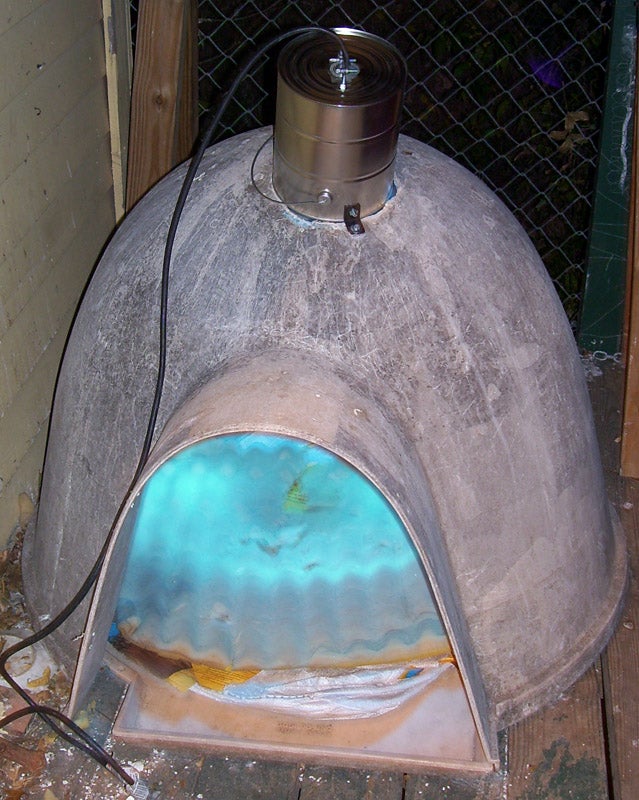
The cold winter months can be particularly harsh for our canine companions, and ensuring their warmth is paramount. Quoting a study from the American Veterinary Medical Association, nearly 25% of outside dogs suffer from hypothermia when temperatures drop unexpectedly. Installing a heat lamp in a dog house is not just a convenience; it’s a necessity that can make a significant difference in your dog’s well-being.
Historically, dog owners relied on straw bedding and insulated dog houses for warmth. However, with the advent of electrical heating solutions, offering a constant and safe heat source has become the norm. A heat lamp is an efficient and relatively easy solution, often providing consistent warmth even in the most frigid conditions.
- Select an appropriate heat lamp suitable for your dog house size and materials.
- Prepare the installation area by clearing away any flammable materials.
- Mount the heat lamp securely using brackets and screws on the ceiling or wall.
- Run the power cord along edges, securing it with zip ties to keep it out of reach.
- Plug in the lamp and test its functionality, ensuring even heat distribution.
- Educate family members about safety measures and perform regular maintenance checks.

Source: instructables.com
How to Install a Heat Lamp in a Dog House
Installing a heat lamp in a dog house begins with selecting the right lamp. It’s crucial to pick a lamp that provides enough warmth without posing safety risks. Most experts recommend ceramic heat emitters as they do not produce light, only heat. According to this post, it’s important to ensure the lamp is weatherproof if the dog house is outdoors. Double-check the wattage and the coverage area to match your dog house dimensions.
Once you have the right lamp, preparation is key. Ensure there are no flammable materials like straw or bedding near the area where the lamp will be installed. A metal guard around the lamp can prevent your dog from getting too close. Drill a hole to run the power cord safely out of the dog’s way. You can use zip ties to secure the cord along the walls of the dog house.
With everything prepped, it’s time to install the lamp. Attach the lamp securely to the ceiling of the dog house using screws and brackets. Make sure it is positioned to provide even warmth to the entire space. According to the article, testing the lamp before you allow your dog to use the dog house is vital. This step ensures that the lamp is working correctly and that there are no immediate hazards.
Finally, it’s essential to understand and educate others about safety measures. Make sure family members and visitors know not to tamper with the heat lamp. Regularly check the lamp and its fittings to ensure they are still in good condition. Consider using a thermostat to regulate the temperature, ensuring it’s never too hot. To explore more safety tips, you can read here is the article.
Step 1: Selecting the Right Heat Lamp for Your Dog House
Choosing the optimal heat lamp for your dog house requires considering several factors. You need to ensure the lamp provides enough warmth, but not too much to cause any harm. Ceramic heat emitters are a popular choice because they produce heat without light. LED heat lamps are also energy-efficient and provide consistent warmth. According to this post, it’s vital to consider your dog’s size and the dog house dimensions when selecting a lamp.
Wattage is another crucial aspect to consider. For small dog houses, a lamp with lower wattage is usually sufficient. On the other hand, larger dog houses may require a higher wattage lamp to provide adequate heat. Make sure to check the manufacturer’s guidelines for recommended wattage based on the space you need to warm. This ensures that you use the right amount of heat without wasting energy.
Safety features are equally important when selecting a heat lamp. Look for lamps that have a built-in guard to prevent accidental burns. Some lamps come with an automatic shut-off feature if they overheat, which adds an extra layer of protection. Another good feature is a weatherproof design, especially if the dog house is outdoors. This prevents moisture from damaging the lamp and ensures continuous operation.
Finally, consider the ease of installation. Wall-mounted or ceiling-mounted lamps are generally preferred as they keep the heat source out of your dog’s reach. Some models come with adjustable brackets, making it easier to position the lamp for optimal heat distribution. Make sure to read reviews and comparisons to find a lamp that suits your needs. This expert opinion highlights the importance of reading user experiences before making a final decision.
Step 2: Preparing The Installation Area
Before installing the heat lamp, ensure the dog house is clean and free from clutter. Remove any debris, old bedding, and especially flammable materials. This reduces the risk of fire once the lamp is turned on. A well-organized space also allows for better heat distribution. Doing this prep work will make the installation process smoother.
Next, decide on the best location for the heat lamp. It should be placed where it can provide maximum warmth without being easily accessed by your dog. Ideally, mounting it on the ceiling keeps it out of reach. Make sure that the spot chosen for installation is close to a power source to avoid long, loose cords. A secure placement is key for safety.
Consider using heat-resistant materials around the installation area. This adds an extra layer of protection against potential fires. For example, a metal backing on the wall where the lamp is mounted can be beneficial. Installing the lamp on a heat-resistant surface ensures the safety of both the lamp and your pet. This simple step can prevent many hazards.
Finally, gather all necessary tools and equipment before beginning the installation. You might need a drill, screws, brackets, and zip ties. Having everything ready will save time and frustration. Double-check that you have the correct size screws and brackets for mounting. Once all prep work is complete, you’ll be ready for the actual installation.
Step 3: Installing the Heat Lamp
Now that the installation area is prepared, it’s time to install the heat lamp. Begin by attaching the mounting bracket to the ceiling or wall of the dog house. Use screws and a drill to secure it firmly. Double-check that the bracket can support the weight of the lamp. A secure mount ensures the lamp stays in place.
Next, attach the heat lamp to the bracket. Follow the manufacturer’s instructions carefully for this step. Make sure the lamp is tightly secured to avoid any movement. Adjust the angle of the lamp so that it points towards the center of the dog house. This helps in distributing heat evenly.
After attaching the lamp, run the power cord along the edges of the dog house. Use zip ties to secure the cord and keep it out of your dog’s reach. It’s crucial to prevent the cord from becoming a tripping hazard. If the cord is too long, use a cord organizer to manage the extra length. Keep safety in mind at all times during this step.
Once the lamp is installed and the cord is secured, plug it into a nearby power source. Turn the lamp on and check that it is working correctly. Feel the temperature near the lamp to ensure it’s providing adequate warmth. This is also a good time to test any built-in safety features like automatic shut-off. Make sure everything is functioning as expected.
It’s a good idea to let the lamp run for a short period before introducing your dog to the area. Monitor the temperature inside the dog house to ensure it remains consistent. If you notice any issues, address them immediately. This trial period helps you make necessary adjustments for optimal comfort. Regular monitoring will ensure long-term success with the heat lamp installation.
Step 4: Testing the Installed Lamp
Testing the installed lamp is crucial for ensuring your dog’s safety and comfort. Start by turning on the heat lamp and letting it run for a while. Check for any unusual noises or smells, as these could indicate a problem with the installation. Make sure the lamp is securely mounted and not wobbling. A stable lamp means a safer environment for your pet.
Next, use a thermometer to measure the temperature inside the dog house. Place the thermometer in different areas to ensure even heat distribution. The ideal temperature should be warm but not too hot, generally between 68°F and 75°F. If the temperature is too high, you may need to adjust the lamp’s position or wattage. Maintaining a consistent temperature is essential for your dog’s comfort.
Observe your dog’s behavior when you first introduce them to the newly heated dog house. If they seem uncomfortable or avoid the area, it could indicate that the heat is too intense. Sometimes, dogs may take a while to adjust to the new setup. Offering some treats or placing familiar items inside can help them feel more at ease. Pay close attention to their response.
It’s also wise to test the lamp’s safety features. For example, if your lamp has an automatic shut-off in case of overheating, verify that it works correctly. Unplug the lamp and then plug it back in to ensure it powers back up without issues. Safety checks should be done periodically to keep the setup reliable. This proactive approach helps avoid future problems.
Finally, conduct regular maintenance checks. Dust and debris can accumulate on the lamp, reducing its efficiency. Wipe the lamp clean and check for any signs of wear or damage. Regular upkeep ensures the lamp continues to function effectively. Keeping everything in top condition is key to a long-lasting heat solution for your dog.
Step 5: Educating Family/Visitors about Safety Measures
Educating family members and visitors about the heat lamp is crucial for maintaining safety. Start by explaining the importance of the heat lamp and why it was installed. Make sure everyone understands not to touch or move the lamp without proper knowledge. Highlight the potential risks and what could go wrong if mishandled. This helps set clear boundaries for everyone.
Provide clear instructions on what to do if there are any issues with the lamp. For example, if the lamp appears to be overheating or if there is any unusual smell, knowing how to safely turn it off is essential. Make sure to also explain the placement of the fire extinguisher and how to use it. Being prepared for emergencies can save a lot of trouble. Safety drills can reinforce these practices.
It’s also beneficial to create a list of dos and don’ts related to the heat lamp. This can be posted near the dog house for easy reference. Simple reminders like “Do not place flammable objects near the lamp” can be very effective. Here are some key points to include:
- Do not move the lamp without adult supervision.
- Keep the area around the lamp clear of any debris.
- Regularly check the lamp for any signs of wear or damage.
- Unplug the lamp when not in use.
Constant reminders and consistent checks will help make these practices a habit. Encourage family members to report anything unusual immediately. Open communication ensures that everyone is on the same page regarding safety measures. When everyone understands their role, the heat lamp can be a safe and effective tool for keeping your dog warm.
The Importance of Regulating Heat in a Dog House
Regulating heat in a dog house is essential for your pet’s health and comfort. Extreme temperatures can be harmful, leading to issues like hypothermia or overheating. Maintaining a steady temperature inside the dog house helps keep your furry friend safe. It’s not just about warmth but ensuring a stable environment. Consistent temperatures mean less stress for your dog.
A thermostat can be an excellent tool for regulating heat. It allows you to set a specific temperature that suits your dog’s needs. When the temperature fluctuates, the thermostat will automatically adjust the heat lamp to maintain the desired level. This technology ensures that the dog house remains comfortable at all times. Thermostats are widely available and easy to install.
Proper insulation also plays a crucial role in regulating heat. Insulated walls and roofing materials help retain warmth during winter and keep it cooler during summer. Combined with a well-placed heat lamp, insulation contributes significantly to maintaining an optimal temperature inside the dog house. Here are some common insulation materials:
- Foam board insulation
- Reflective bubble foil
- Recycled denim/materials
Monitoring humidity levels is another aspect of regulating heat. Excess humidity can lead to mold growth, which poses health risks for your dog. Ventilation is key to avoiding this problem while retaining warmth during colder months. Regularly check both temperature and humidity levels using appropriate sensors. This proactive approach provides a safer living space for your pet.
In sum, regulated heat helps improve your dog’s overall well-being by preventing illness and discomfort stemming from extreme temperatures or poor air quality within their living quarters.
Potential Risks of Using a Heat Lamp in a Dog House
Using a heat lamp in a dog house comes with several risks that need to be managed carefully. One of the most significant dangers is the risk of fire. If the heat lamp is not installed correctly or comes into contact with flammable materials, it could ignite a fire. Regular inspections and ensuring proper installation can mitigate this risk. Always use heat lamps designed for pet environments.
Another concern is the possibility of overheating. If the lamp generates too much heat, it can make the dog house unbearably hot for your pet. This can lead to heat stress or even heat stroke, which are serious health concerns. Installing a thermostat can help regulate the temperature. Keeping an eye on the temperature can prevent these issues.
Electrical hazards are also a potential risk when using heat lamps. Faulty wiring or damaged cords can cause electrical shocks, posing a threat to both pets and humans. Ensure that all electrical components are in good condition and properly insulated. Use outdoor-rated cords if the dog house is outside. Regularly check for signs of wear and tear.
Poor ventilation can accumulate excess heat and humidity within the dog house, creating an unhealthy environment. Excessive humidity can lead to mold growth, which is harmful to your dog’s health. Proper ventilation systems help maintain a balance of heat and air quality. Regularly check vents and make sure they are not blocked.
In summary, while heat lamps can provide essential warmth, understanding and managing these risks can create a safer environment for your pet. Preventive measures and regular maintenance are key to minimizing these hazards and ensuring your dog’s comfort and safety.
Alternative Heating Options for Dog Houses
While heat lamps are popular for warming dog houses, there are other effective heating options to consider. Heated dog beds are a great alternative, providing direct warmth to your pet. These beds usually come with built-in heating elements and are designed to be safe for animals. They are easy to use and can be placed directly inside the dog house. Heated beds offer a cozy and comfortable environment for your dog.
Electric heating pads are another option worth exploring. These pads can be placed on the floor of the dog house and offer consistent warmth. Many models come with adjustable settings to control the temperature. Electric heating pads are often designed to be chew-resistant, making them a safe choice for pets. Ensure the pad is suitable for the size of your dog and the dimensions of the dog house.
Insulation is a passive yet effective way to retain heat. Proper insulation materials like foam boards or reflective bubble foil can significantly increase the warmth inside a dog house without needing electricity. Insulated walls, floors, and ceilings create a more stable environment. Combined with other heating methods, insulation can make a big difference. Investing in good insulation can provide long-term benefits.
Solar-powered heaters are an eco-friendly option for dog houses. These systems use solar panels to capture sunlight and convert it into heat. Solar heaters are efficient, sustainable, and cost-effective in the long run. They require an initial investment but save money on electricity bills. Solar-powered heaters are ideal for dog houses located in sunny areas.
Chemical heating pads are another alternative. These pads generate heat through a chemical reaction and are often reusable. They can be a temporary solution for providing warmth during unexpected cold snaps. However, they are less sustainable for long-term use. It’s good to have a few on hand for emergencies or travel situations.
Proper Maintenance Tips for Heat Lamps
Proper maintenance of heat lamps is crucial for ensuring safety and efficiency. Regularly inspect the lamp and its components for signs of wear and tear. Check the cord for any fraying or damage and replace it if necessary. Dust can accumulate on the lamp’s surface, reducing its effectiveness. Cleaning the lamp periodically helps maintain optimal performance.
It’s important to ensure that the heat lamp is securely mounted. Over time, screws and brackets may loosen due to vibrations or movements. Tighten any loose screws and ensure the lamp is still firmly attached to its mounting bracket. A stable installation reduces the risk of the lamp falling and causing injury or fire. Regular checks can prevent accidents.
When it comes to cleaning, always unplug the heat lamp before starting. Use a dry or slightly damp cloth to wipe the lamp and remove dust. Avoid using harsh chemicals that could damage the lamp or pose a risk to your pet. For hard-to-reach areas, a can of compressed air can be useful. Keeping the lamp clean ensures consistent heat output.
Monitor the temperature inside the dog house regularly. Invest in a thermometer to keep track of the heat levels. If you notice fluctuations or if the lamp is not providing sufficient warmth, it may be time to replace the bulb or the entire unit. Consistent monitoring helps you catch potential issues early. This proactive approach ensures your dog’s comfort.
Finally, educate all family members on the importance of maintaining the heat lamp. Provide instructions on what to do if they notice any signs of malfunction. Regular maintenance checks should be part of your routine. Keeping everyone informed helps maintain a safe environment. A well-maintained heat lamp can provide years of reliable service.
Frequently Asked Questions
Installing a heat lamp in a dog house can raise many questions. Here are some common queries and their answers to help you through the process.
1. What type of heat lamp is best for a dog house?
The best type of heat lamp for a dog house is typically a ceramic or infrared heat emitter. These lamps provide warmth without light, reducing any stress that could be caused by constant illumination.
Ceramic heat emitters are particularly recommended because they offer steady heat and have built-in safety features. However, always check the manufacturer’s guidelines to ensure suitability for your specific needs.
2. How do I ensure my dog stays safe with a heat lamp?
To keep your dog safe, mount the heat lamp securely out of reach and use protective guards if available. Make sure all wires are safely tucked away to prevent chewing or tripping hazards.
Regularly inspect the installation for wear and tear, and never leave the lamp unattended for extended periods. A thermostat can also help regulate temperature to prevent overheating.
3. Can I use a regular light bulb as a heat source?
No, regular light bulbs are not designed to provide sufficient or safe heating for a dog house. They lack the necessary safeguards against overheating and do not produce enough consistent heat.
Safety should be your top priority; thus, it’s important to use lamps specifically designed for heating purposes in animal enclosures.
4. How often should I check on the installed heat lamp?
You should perform weekly checks on the installed heat lamp to ensure it’s functioning correctly. Regular inspections will help identify any potential issues early on, such as frayed cords or malfunctioning components.
A more thorough monthly inspection is also advised to assess overall durability and performance. Routine maintenance will extend the lifespan of your heating setup while keeping your pet safe.
5. Are there energy-efficient options for heating a dog house?
Yes, there are several energy-efficient heating options available like solar-powered heaters and insulated materials that require less power to maintain warmth inside the dog’s house.
You can also opt for energy-efficient electric blankets or pads specifically designed for pets. Combining these options with proper insulation can significantly reduce energy costs while keeping your pet warm and cozy.
Conclusion
Installing a heat lamp in a dog house is a practical solution for keeping your pet warm during colder months. By following the steps, selecting the right equipment, and prioritizing safety, you can ensure a cozy environment for your dog. Regular maintenance is key to the longevity of the setup and your pet’s comfort.
Diversifying your heating options with alternatives like heated beds or solar heaters can further enhance your dog’s comfort. Staying informed and vigilant about potential risks and best practices will keep your pet safe and happy. Balancing efficiency and safety ensures a wholesome, warm habitat for your furry friend.

I’m Emily Johnson, an affiliate marketer and blogger focused on lamps and lighting. I share honest reviews, simple buying guides, and practical tips. My goal is to help readers choose the right lamp for their space, style, and budget with confidence.