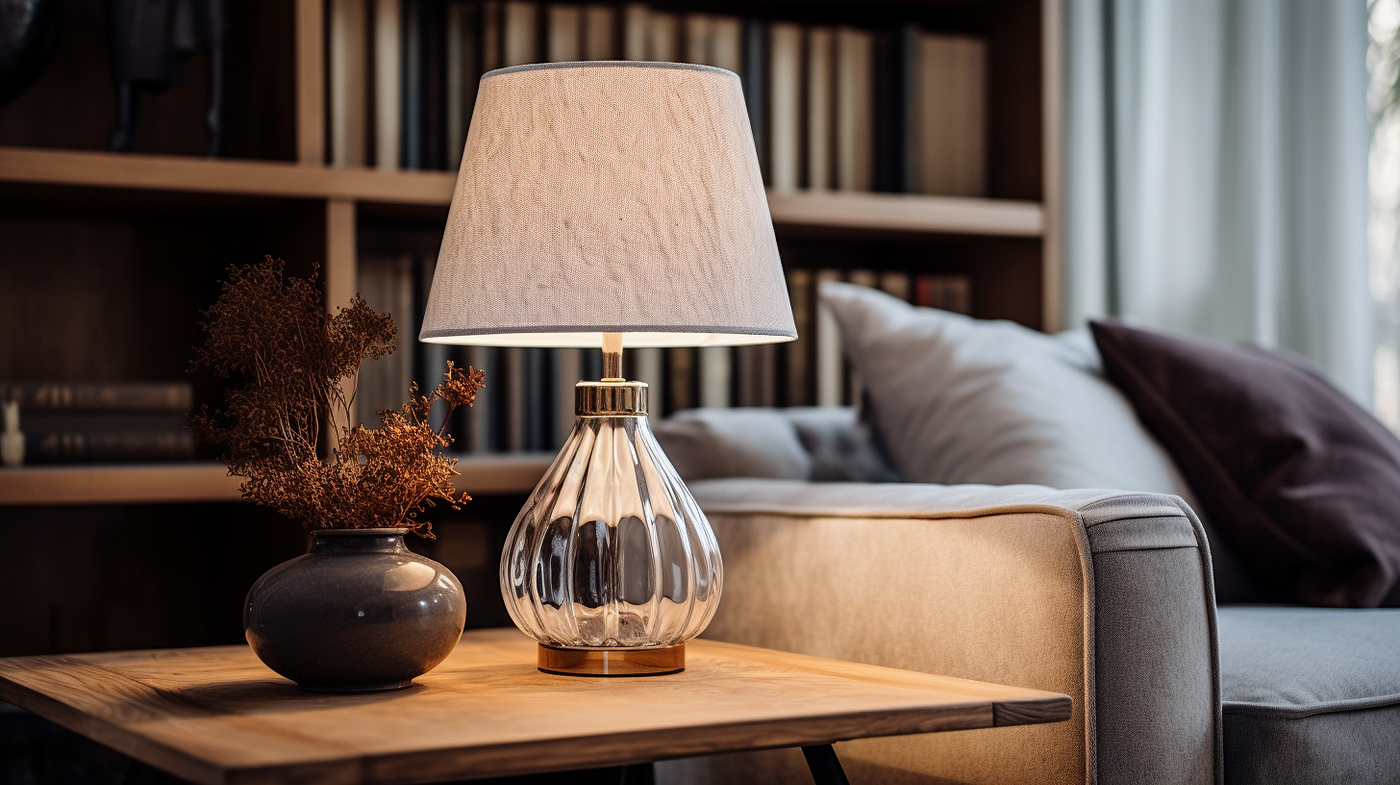
To use a table lamp effectively, position it so that the bottom of the lampshade is at eye level when seated, ensuring the light is directed downward for optimal illumination. In addition to providing light for reading or tasks, table lamps can also be used to highlight artwork or decorative elements in a living room.
When placing a desk lamp, consider placing it on the right side if you are right-handed, and vice versa, to minimize shadows while working. For reading lamps, position the light on the opposite side of the hand you use to hold the book to prevent shadows on the reading material.
It’s important to follow these guidelines to maximize the functionality and visual appeal of your table lamp.
Credit: www.drivenbydecor.com
1. Understanding Proper Lighting For Table Lamps
Table lamps are not just decorative pieces but also serve the purpose of providing proper lighting to your space. Understanding the importance of proper lighting, factors to consider, and different types of table lamps can help you make the most out of your table lamp and create the desired ambiance in your room.
1.1 Importance Of Proper Lighting
Proper lighting plays a crucial role in setting the mood and enhancing the functionality of a space. Whether you want a cozy and relaxing atmosphere or a bright and focused light for reading or working, having the right lighting is key. Table lamps offer a convenient and versatile lighting solution that can be easily adjusted and positioned to suit your specific needs.
1.2 Factors To Consider For Proper Lighting
When choosing a table lamp, there are several factors to consider to ensure proper lighting:
- Brightness & Color Temperature: Determine the desired level of brightness and color temperature (warm or cool) based on the activities carried out in the space.
- Quality of Light: Consider the type of light source, such as LED, incandescent, or fluorescent, and opt for lamps that provide a pleasant and consistent light with minimal glare.
- Adjustability: Look for table lamps that offer adjustable features, such as adjustable height or tilt, to direct the light where it is needed the most.
- Size: Consider the size of the table lamp in proportion to the table or surface it will be placed on, ensuring it fits well and complements the overall aesthetics of the space.
- Ease of Operation: Choose table lamps with user-friendly controls, such as switches or dimmers, for effortless operation and convenience.
- Additional Features: Explore lamps with additional features like USB charging ports or wireless charging capabilities, providing added functionality.
1.3 Different Types Of Table Lamps And Their Benefits
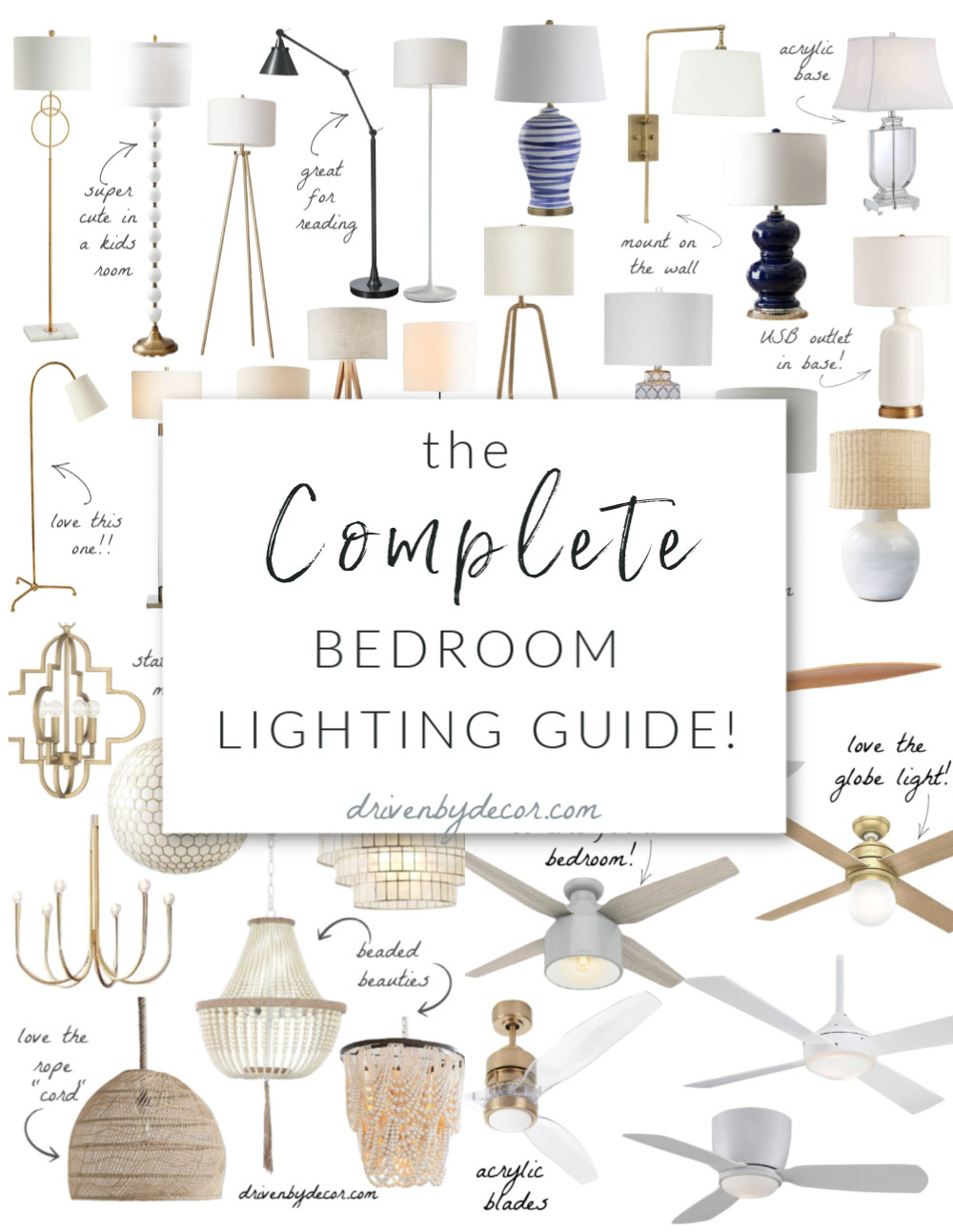
Table lamps come in various styles and designs, each with its own benefits and advantages. Here are some popular types of table lamps:
| Table Lamp Type | Benefits |
|---|---|
| Task Lamps | Provide focused and adjustable light for tasks such as reading, writing, or working on a specific area. |
| Ambient Lamps | Create a warm and inviting atmosphere by diffusing light and reducing harsh shadows. |
| Accent Lamps | Highlight and draw attention to specific objects or areas, such as artworks or decorative elements. |
| Bedside Lamps | Offer convenient lighting for nighttime reading or as a soothing light source for a calming sleep environment. |
Understanding the different types of table lamps can help you choose the right one based on your specific lighting needs and desired aesthetic appeal.
Credit: www.benq.com
2. Placement And Positioning Of Table Lamps
Proper placement and positioning of table lamps are essential to ensure optimal lighting in your space. The right location and height can significantly enhance the ambiance and functionality of the room. In this section, we’ll discuss the best practices for placing table lamps and offer some helpful tips for different rooms and workspaces.
2.1 Proper Height And Eye Level Placement
When it comes to positioning your table lamp, a general rule of thumb is to place the bottom of the lampshade at eye level when you are seated. This ensures that the light is directed downward and provides optimal illumination for reading or doing other tasks.
Proper height placement not only ensures better lighting but also adds balance and symmetry to the overall aesthetic of the room. Make sure to adjust the lamp’s position to avoid any glare or shadows on your work surface.
2.2 Best Placement For Different Rooms
The placement of table lamps can vary depending on the room you are decorating. Here are some tips for placing table lamps in different rooms:
- Living room: Place table lamps on side tables or end tables to create a warm and inviting atmosphere. Position them strategically to highlight artwork, decorative elements, or corners you want to emphasize.
- Bedroom: Bedside table lamps are a popular choice for the bedroom. Ensure they are placed within reach so you can easily turn them on and off from bed. Consider symmetry for a balanced look if you have nightstands on both sides of the bed.
- Home office/study: Position your table lamp on your desk at a suitable distance from your work area. This will provide focused lighting for reading, writing, or working on your computer.
2.3 Desk Lamp Placement For Optimal Lighting During Work
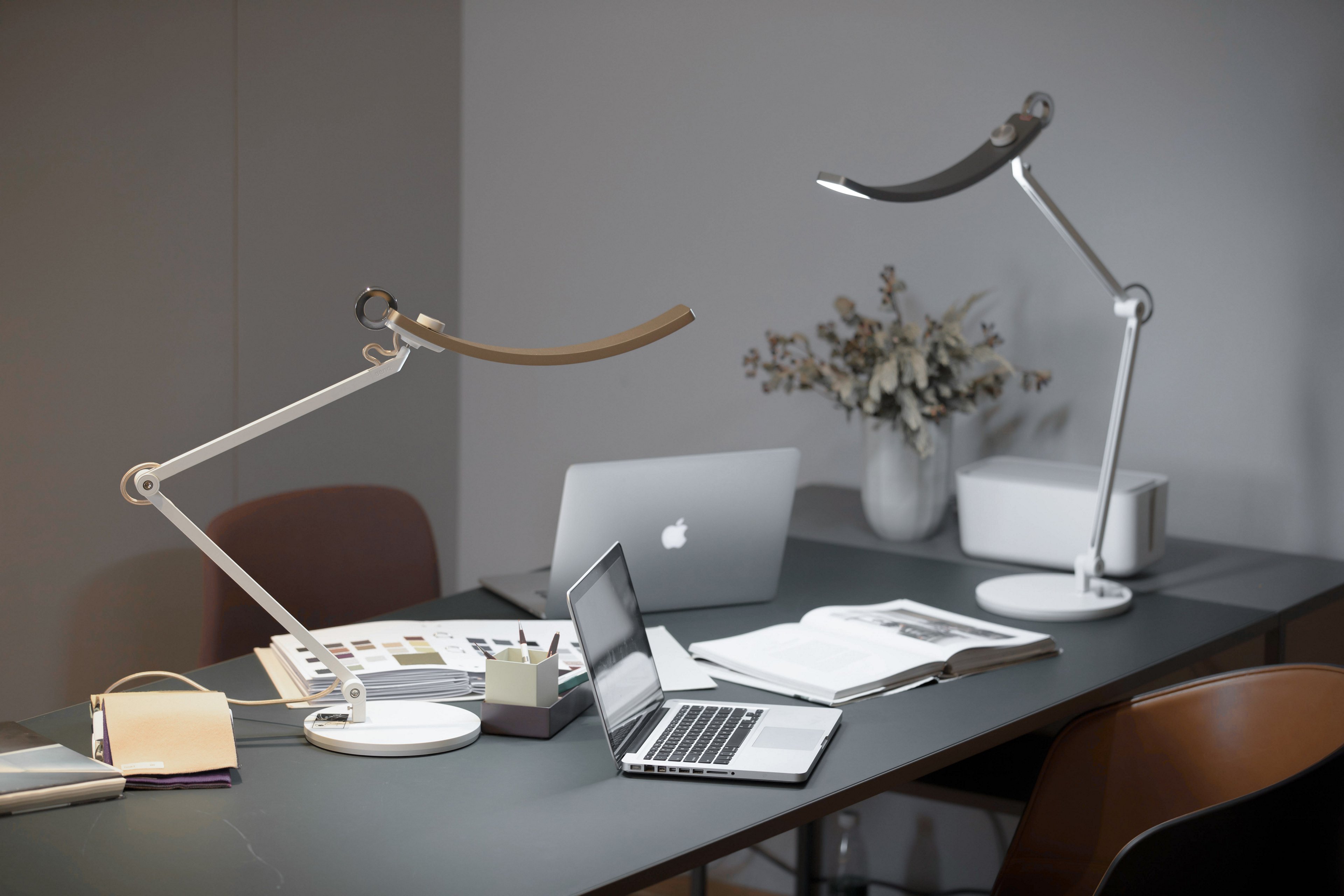
Optimal lighting is crucial when working at a desk. Proper placement of your desk lamp can help minimize eye strain and improve productivity. Here are some tips for desk lamp placement:
- Right side placement: If you are right-handed, place your desk lamp on the right side of your workspace. This will help avoid casting shadows while writing or using your dominant hand. Vice versa for left-handed individuals.
- Angle and direction: Angle the lamp’s light source towards your workspace. This will provide direct illumination on the area where you need it the most.
- Adjustability: Choose a desk lamp with adjustable features like a flexible neck or pivot arm. This allows you to position and direct the light exactly where you need it.
How to Use a Table Lamp Correctly? Tips For Using Table Lamps For Specific Purposes
Table lamps are not just a decorative element in your living space, but they also serve specific purposes. Whether you want to create a cozy reading nook or need adequate lighting for studying or showcasing artwork, here are some tips to help you make the most out of your table lamp.
3.1 Using A Table Lamp For Reading
When it comes to reading, the right lighting is crucial to avoid straining your eyes. Follow these tips to optimize your reading experience:
- Choose a table lamp with a shade that directs light downwards, focusing it onto your reading material.
- Position the lamp at a height where the bottom of the lampshade is at eye level when you are seated.
- Ensure that the light source is not too harsh or dim; a warm white or soft light bulb is ideal for creating a cozy reading ambiance.
- Avoid glares and shadows by placing the lamp on your non-dominant side, so the light falls over your shoulder onto the page.
3.2 Using A Table Lamp For Studying
When it comes to studying, a well-lit workspace can improve focus and productivity. Consider the following tips:
- Choose a table lamp with an adjustable arm or neck, allowing you to direct the light exactly where you need it.
- Opt for a lamp with a bright, cool white light bulb to mimic daylight and reduce eye strain.
- Position the lamp at a height that prevents shadows from being cast over your study materials.
- If using multiple light sources, ensure that they are evenly distributed to eliminate any harsh contrasts or shadows on your desk.
3.3 Using A Table Lamp For Highlighting Artwork Or Decor
Table lamps can also be used as a focal point to enhance the aesthetic appeal of your living space. Here’s how you can showcase artwork or decor using a table lamp:
- Choose a table lamp with a stylish base or unique design that complements the overall theme or style of the room.
- Position the lamp in a way that it casts a subtle, accentuating light on the artwork or decorative piece.
- Experiment with different angles and distances to achieve the desired effect and create visual interest.
- Consider using a lamp with a dimmer switch to adjust the brightness according to the time of day or your mood.
By following these tips, you can make the most of your table lamp and ensure it serves its specific purpose effectively. Whether you’re reading, studying, or highlighting artwork, the right table lamp can enhance your overall experience and bring a cozy ambiance to your living space.

Credit: www.designcafe.com
Frequently Asked Questions Of How To Use Table Lamp
How Do You Position A Lamp On A Table?
To position a lamp on a table, follow these guidelines: The bottom of the lampshade should be at eye level when seated. This ensures proper lighting for reading or tasks. Place the lamp on the right side if you’re right-handed, or on the left if you’re left-handed, to avoid shadows while working.
For reading, position the light on your non-dominant side and avoid casting shadows on the reading material.
What Side Should Desk Lamp Be On?
To avoid shadows, place your desk lamp on the side opposite to your dominant hand. For right-handed people, the lamp should be on the left, and for left-handed people, it should be on the right. This ensures optimal lighting while working.
How Do You Use A Reading Lamp?
To use a reading lamp, position it on a table next to where you’ll be sitting. Make sure the bottom of the lampshade is at eye level when you’re seated so the light is directed downward. Avoid casting shadows by placing the lamp on the opposite side of your dominant hand.
This helps prevent shadows on the reading material. Also, avoid reading in bed or with a book in your lap without changing positions.
What Is The Rule Of Thumb For Table Lamps?
The rule of thumb for table lamps is to position the bottom of the lampshade at eye level when you are seated. This ensures that the light is directed downward and provides optimal illumination for reading or other tasks. Table lamps can also be used to highlight artwork or other decorative elements in your living room.
Conclusion
To make the most out of your table lamp, remember to position it properly. Place it on the side of your dominant hand for optimal lighting without casting shadows. When using it for reading, position the light hitting the text on the opposite side of your writing hand to avoid shadows.
Additionally, choose a lamp with a dark opaque shade for focused task lighting. By following these tips, you can enhance the functionality and ambiance of your space with a table lamp.

I’m Emily Johnson, an affiliate marketer and blogger focused on lamps and lighting. I share honest reviews, simple buying guides, and practical tips. My goal is to help readers choose the right lamp for their space, style, and budget with confidence.