
To design a table lamp, gather the necessary tools and materials, such as a bulb holder, cardboard, cement, sand, and a lampshade. Follow the step-by-step instructions provided by various resources like instructional videos and DIY websites to create the lamp base and assemble the components, including connecting the circuit and attaching the cable to the light socket.
Take into consideration the size and style of the lamp, making sure to choose a lampshade that matches the height and diameter of the base, and complements the overall decor of the room. Experiment with different designs and materials to create a unique and personalized table lamp.

Credit: www.youtube.com
Materials Needed
Learn how to design a table lamp with these easy steps. Discover the materials needed and the tools required to create your own unique table lamp design.
When it comes to designing a table lamp, you will need a few key materials. These materials will not only help you create a functional and stylish lamp but also allow you to let your creativity shine. In this section, we will discuss the materials you need to get started on your table lamp design project.
Tools
Before we dive into the materials, let’s take a look at the essential tools you will need to bring your table lamp design to life. These tools will help you in the assembly, wiring, and finishing process of your lamp. Here are the tools you should have on hand:
- Screwdriver
- Pliers
- Wire cutters/strippers
- Hot glue gun
- Soldering iron (optional)
Materials
Now that you have your tools ready, let’s move on to the materials. These materials will serve as the building blocks of your table lamp. Here are the essential materials you will need:
- Lamp base
- Lampshade
- Lamp socket
- Lamp cord
- Lightbulb
- Decorative elements (optional)
To create a unique and personalized table lamp, you can choose a lamp base in materials such as wood, metal, or ceramic. The lampshade can be made of fabric, glass, or even a DIY option like paper or cardboard. The lamp socket and cord will provide the electrical connection, so be sure to choose ones that are safe and compatible with your design. Lastly, don’t forget to select a lightbulb that suits your needs in terms of brightness and energy efficiency.
Optional Accessories
If you want to take your table lamp design to the next level, you can consider adding some optional accessories. These accessories will enhance the functionality or aesthetics of your lamp. Here are a few ideas:
- Decorative finials
- Lamp harp
- Lampshade adapter
- Dimmer switch
These accessories can add a touch of elegance, allow you to adjust the lighting intensity, or provide alternative options for lampshades. However, keep in mind that these accessories are not essential and can be omitted if they do not align with your design vision.
Step-by-step Guide
Step-by-Step Guide: How to Design a Table Lamp
Designing and creating your own table lamp can be a rewarding experience and a unique way to bring a personal touch to your home decor. In this step-by-step guide, we will take you through the process of designing and constructing a table lamp, from designing the lampshade to wiring and circuit connection, and finally assembling the lamp.
Designing The Lampshade
Designing the lampshade is the first step in creating your own table lamp. Follow these steps:
- Choose the shape and material for your lampshade. Consider factors such as the style of your room and the amount of light you want to emit.
- Measure the dimensions of the lamp base and determine the appropriate size for your lampshade.
- Sketch out your design on paper, taking into account the shape and pattern you want to create.
- Select the appropriate fabric or material for your lampshade and cut it according to your design.
- Attach the fabric to a lampshade frame using adhesive or sewing techniques, ensuring a snug fit.
Wiring And Circuit Connection
Ensuring proper wiring and circuit connection is crucial for the safe and effective functioning of your table lamp. Follow these steps:
- Gather the necessary tools and materials, including a lamp cord, socket, plug, and switch.
- Carefully strip the insulation from the wires of the lamp cord, exposing the copper wire.
- Connect the wires of the lamp cord to the corresponding terminals on the socket, following the manufacturer’s instructions.
- Secure the wiring using wire nuts or electrical tape, ensuring a tight and secure connection.
- Attach the plug to the other end of the lamp cord, following the appropriate wiring diagram.
- Install a switch in the circuit, allowing you to easily turn the lamp on and off.
Assembling The Lamp
Once you have designed the lampshade and wired the circuit, it’s time to assemble your table lamp. Follow these steps:
- Attach the lampshade to the lamp base, ensuring a secure and stable fit.
- Place the lamp socket inside the lampshade, aligning it with the center of the lamp.
- Insert the light bulb into the socket, choosing the appropriate wattage for your lamp.
- Secure the lampshade to the lamp base using screws or other fastening methods.
- Plug in the lamp and test it to ensure everything is working as expected.
Tips For Designing A Table Lamp
Designing a table lamp is an exciting opportunity to add both functionality and aesthetics to any space. Whether you’re looking to create a unique piece of decor or simply enhance the lighting in a room, these tips will guide you in designing a table lamp that meets your needs and complements your style.
Choosing The Right Size
When it comes to designing a table lamp, size matters. The dimensions of your lamp should be determined by the size of the table it will be placed on, as well as the proportion of the room. Here are some considerations when selecting the right size for your table lamp:
- The height of the lamp base should be in proportion to the height of the table. A general rule of thumb is that the lamp should be tall enough to provide ample light, but not so tall that it overwhelms the table.
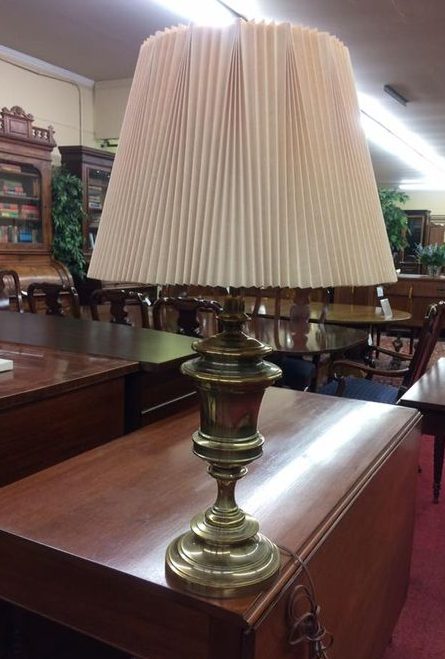
- The width of the lampshade should be roughly equal to the height of the lamp base. This creates a balanced and visually pleasing look.
- The lampshade should be wider than the widest part of the lamp base for a harmonious and cohesive design.
Matching Lamp And Decor Style
In order to create a cohesive and visually appealing design, it’s important to match the lamp style with the overall decor of the room. Here are some tips for achieving a harmonious look:
- Consider the overall style of the room. Is it modern, traditional, eclectic, or minimalist? Choose a lamp style that complements the existing decor.
- Pay attention to materials and finishes. If the room has predominantly metallic accents, a lamp with a metal finish will seamlessly blend in.
- Take color into account. Opt for a lampshade color that complements the color scheme of the room.
Balancing Functionality And Aesthetics
When designing a table lamp, it’s important to strike a balance between functionality and aesthetics. Here’s how you can achieve both:
- Ensure the lamp provides sufficient lighting for the intended purpose. Choose a bulb with the appropriate wattage and consider adding a dimmer switch for adjustable brightness.
- Pay attention to the lamp’s functionality. Does it have a built-in USB port for charging devices or a touch sensor for easy operation?
- Don’t compromise on style. Select a lamp design that speaks to your personal taste and enhances the overall aesthetics of the space.
By following these tips, you can design a table lamp that not only illuminates your space but also adds beauty and charm to your decor.
Credit: www.ebohemians.com
Frequently Asked Questions Of How To Design A Table Lamp
How Do You Make A Table Lamp?
To make a table lamp, you will need materials like cardboard, sand, cement, a bulb holder, a LED filament bulb, and tools like a pipe, cable, light socket, and strain relief fitting. Follow step-by-step instructions to create the lampshade, connect the circuit, and feed the cable through the pipe.
Then, connect the cable to the light socket.
How Do You Style A Table Lamp?
To style a table lamp, start with a grand mirror as a reflective backdrop. Balance the lamp’s height with a stone statuette, and place them as bookends for a tray in the middle. Fill empty spaces with smaller accents, like candles or miniature ginger jars, for a polished look.
How Big Should A Lamp Be On A Table?
A lamp on a table should have a shade with a width equal to the height of the lamp base and a shade height that is two-thirds the height of the base. The shade should be wider than the widest part of the base.
How Do You Pick The Right Shade For A Table Lamp?
Pick the right shade for a table lamp by following these three guidelines:
- The width of the lampshade should match the diameter at the bottom of the lamp base.
- The height of the lampshade should be about two-thirds the height of the lamp base.
- The lampshade should be wider than the widest part of the lamp base.
Conclusion
To design a table lamp, follow these simple steps and create a unique statement piece for your home. Begin by gathering the necessary materials and tools, such as cardboard or waste materials. Then, assemble the lampshade and connect the circuit.
Finally, finish by feeding the cable through the pipe and connecting it to the light socket. With these guidelines, you can easily create a one-of-a-kind table lamp that reflects your personal style and adds a touch of elegance to any space.
Get creative and enjoy the process of designing your own table lamp!

I’m Emily Johnson, an affiliate marketer and blogger focused on lamps and lighting. I share honest reviews, simple buying guides, and practical tips. My goal is to help readers choose the right lamp for their space, style, and budget with confidence.