
A table lamp typically uses less electricity than a room light due to its lower wattage. This lower wattage allows table lamps to cost less to run.
Table lamps are a popular choice for providing ambient lighting and creating a cozy atmosphere in homes and offices. However, many people wonder about the electricity consumption of these lamps. Understanding how much electricity a table lamp uses is important for both energy efficiency and cost-saving purposes.
We will explore the electricity usage of table lamps and how it compares to room lights. By the end, you’ll have a clear idea of how much energy your table lamp consumes and whether it’s a more cost-effective option than other lighting alternatives.

Credit: www.pinterest.com
Understanding Power Consumption Of A Table Lamp
Table lamps are a popular choice for adding ambiance and illumination to a room. However, many people wonder: how much electricity does a table lamp actually use? Understanding the power consumption of a table lamp can help you manage your energy usage more efficiently and potentially save on your electricity bills.
Factors Affecting The Power Consumption Of A Table Lamp
Several factors come into play when determining the power consumption of a table lamp:
- The wattage of the light bulb
- The number of hours the lamp is used per day
- The efficiency of the bulb
- Additional features such as dimming capabilities or energy-saving modes
Calculating The Power Consumption Of A Table Lamp
Calculating the power consumption of a table lamp is relatively simple. By knowing the wattage of the light bulb and the number of hours the lamp is used per day, you can estimate the electricity usage. Here’s a basic formula:
Power consumption (in kilowatt-hours) = Wattage of the bulb (in watts) x Number of hours used per day / 1000For example, if you have a 60-watt bulb and you use the table lamp for 4 hours per day:
Power consumption = 60 watts x 4 hours / 1000 = 0.24 kilowatt-hoursKeep in mind that this is a rough estimate and individual results may vary. Additionally, if your table lamp has additional features like dimming capabilities or energy-saving modes, the power consumption may differ.
Understanding the power consumption of a table lamp can help you make informed decisions about your energy usage. By choosing energy-efficient bulbs and being mindful of how long you keep your table lamp on, you can reduce your overall electricity consumption.
Comparing Power Consumption Of Table Lamps And Ceiling Lights
When it comes to choosing the right lighting option for your space, it’s important to consider its power consumption. Table lamps and ceiling lights are two popular choices, each with its own advantages and energy usage. Let’s take a closer look at how these lighting options compare in terms of power consumption.
Advantages Of Using Table Lamps Over Ceiling Lights
If you’re looking for a versatile lighting option that allows you to create a cozy and intimate atmosphere, table lamps can be an excellent choice. Here are some advantages of using table lamps over ceiling lights:
- Flexibility: Table lamps can be easily moved and placed wherever you need them, providing targeted lighting where it’s needed the most. Whether you want to illuminate a specific area for reading or create a warm ambiance in a corner of your room, table lamps give you the flexibility to do so.
- Ambiance: Table lamps often come with different shade options, allowing you to control the level of light and create a desired ambiance in your space. From soft, diffused lighting for a relaxing evening to a brighter light when you need to focus on a task, table lamps offer versatility in setting the mood.
Power Consumption Comparison Between Table Lamps And Ceiling Lights
When it comes to power consumption, table lamps generally use less electricity compared to ceiling lights. This is due to their lower wattage and the fact that they are intended for close-up use rather than illuminating an entire space.
Let’s look at a power consumption comparison between table lamps and ceiling lights:
| Table Lamp | Ceiling Light | |
|---|---|---|
| Power Consumption | Lower wattage, typically around 10-60 watts | Higher wattage, typically around 60-100 watts |
| Area Coverage | Provides localized lighting for specific tasks or areas | Illuminates a larger area, such as an entire room |
| Focused Lighting | Allows for targeted lighting and control over light direction | Offers a dispersed light source without concentrated focus |
By using table lamps instead of ceiling lights, you can potentially save on your electricity bill. The lower wattage of table lamps means they consume less energy while still providing adequate lighting for specific tasks or areas.
However, it’s worth noting that if you rely solely on table lamps for overall room illumination, you may need to use multiple lamps to achieve the desired level of brightness. In such cases, it’s essential to consider the combined wattage of the table lamps to ensure sufficient lighting for the space.
Safety Considerations Of Leaving A Table Lamp On
Leaving a table lamp on overnight can have various safety implications that should not be overlooked. It is important to be aware of the potential effects and risks associated with leaving a table lamp on for an extended period of time.
Effects Of Leaving A Table Lamp On All Night
Leaving a table lamp on for an extended period, such as overnight, can have several effects worth considering.
While the impact may vary depending on the lamp and bulb used, one significant effect is excess energy consumption. Even though table lamps generally use less electricity than ceiling lights, leaving them on all night can still result in unnecessary energy usage and increased electricity bills.
Furthermore, leaving a table lamp on all night can also disturb your sleep. The light emitted by the lamp can interfere with your melatonin production, making it harder for you to fall asleep and affecting the overall quality of your sleep. It is recommended to turn off your table lamp before going to bed to ensure a restful night’s sleep.
Fire Hazard Risks Associated With Leaving A Lamp On Overnight
Leaving a table lamp on overnight poses fire hazard risks that should not be underestimated. Although modern lamps are designed with safety features in mind, there is always a potential risk of overheating.
If the lamp is left on for an extended period, the heat generated by the bulb can cause the lampshade, furniture, or other nearby objects to catch fire.
Additionally, if the lamp is positioned in a way that obstructs proper ventilation or is placed on flammable surfaces such as curtains or carpets, the risk of fire becomes even greater.
It is crucial to ensure that your table lamp is placed on a stable and non-flammable surface, and that there is adequate airflow around the lamp to prevent overheating.
| Effects of Leaving a Table Lamp On | Fire Hazard Risks Associated with Leaving a Lamp On Overnight |
|---|---|
|
|
Considering these safety considerations, it is advisable to develop a habit of turning off your table lamp when not in use or before going to bed. This simple precaution can help mitigate the risks associated with leaving a table lamp on and ensure the safety of your home.
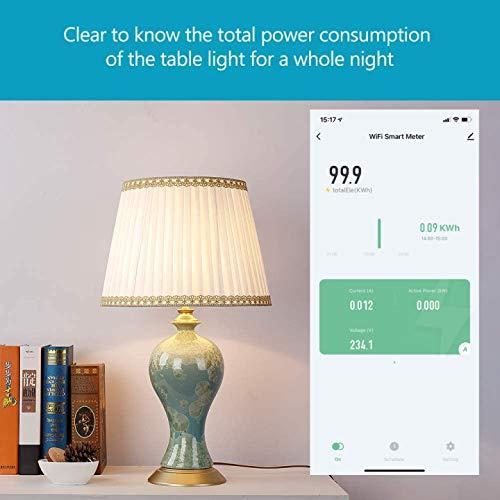
Credit: expo.tuya.com
Tips For Reducing Electricity Usage Of Table Lamps
To reduce electricity usage of table lamps, try using energy-efficient LED bulbs instead of traditional incandescent bulbs, as they consume less wattage. Additionally, remember to turn off lamps when not in use and utilize natural lighting during the day to further save energy.
Choosing Energy-efficient Light Bulbs For Table Lamps
One of the most effective ways to reduce the electricity usage of table lamps is by choosing energy-efficient light bulbs. Traditional incandescent bulbs consume a significant amount of energy and generate heat, resulting in higher electricity bills. By switching to energy-efficient options like LED or CFL bulbs, you can significantly decrease your table lamp’s electricity consumption.
LED (Light Emitting Diode) bulbs are particularly popular due to their long lifespan and low energy consumption. They use up to 80% less energy compared to incandescent bulbs, which means you can enjoy the same level of brightness while reducing your electricity costs. Additionally, LED bulbs produce less heat, making them safer to use for extended periods.
CFL (Compact Fluorescent Lamp) bulbs are another energy-efficient option. They consume around 70% less energy than incandescent bulbs and have a lifespan of up to 10,000 hours. CFL bulbs are available in various brightness levels and color temperatures, allowing you to choose the perfect lighting for your table lamp.
Using Timers And Motion Sensors To Control Table Lamp Usage
Another useful tip for reducing the electricity usage of table lamps is to utilize timers and motion sensors. These devices can help regulate when your table lamp is turned on and off, ensuring it’s only in use when necessary. By automating the lamp’s operation, you can avoid accidentally leaving it on for extended periods, consuming unnecessary energy.
A timer can be easily installed between the table lamp and the power source. You can set the timer to turn on the lamp during specific hours, such as when you typically use the lamp for reading or working.
Additionally, you can program the timer to turn off the lamp during times when it’s unlikely to be in use, such as during the night or when you’re away from home.
Motion sensors are another effective way to control table lamp usage. These sensors are designed to detect movement in the room and automatically turn on the lamp when someone enters the space.
Once the motion is no longer detected, the sensor will turn off the lamp after a specified period of inactivity. This eliminates the need for manually turning the lamp on and off and ensures that it’s only consuming electricity when someone is present in the room.

Credit: www.amazon.com
Frequently Asked Questions For How Much Electricity Does A Table Lamp Use
Do Table Lamps Use A Lot Of Electricity?
Table lamps typically use less electricity than room lights due to their lower wattage. They are designed for close-up use and are intended to be more energy-efficient. Using lamps instead of ceiling lights can help save on energy costs.
Is It Cheaper To Use A Lamp Or Main Light?
According to energy expert Ben Gallizzi, lamps use less electricity and are cheaper to run because they have lower wattage compared to ceiling lights.
How Much Electricity Does A Lamp Use Per Hour?
A lamp typically uses a certain amount of electricity per hour, which is measured in watts. The exact amount depends on the wattage of the lamp.
Is It Safe To Leave A Table Lamp On All Night?
Leaving a table lamp on all night is generally safe, but it depends on the lamp and bulb used. To check if it’s safe, leave the lamp switched on for an hour and touch the bulb. If it’s not very warm, it’s fine.
However, if it’s too hot to touch, there may be a risk of overheating or fire hazard.
Conclusion
Table lamps generally use less electricity compared to ceiling lights due to their lower wattage. This means that using a lamp can be a cost-effective option for providing light in a room.
However, it’s important to note that leaving a lamp on all night can potentially pose a fire hazard, so it’s recommended to exercise caution and regularly check the lamp’s temperature.
By understanding the electricity consumption of table lamps, you can make informed decisions to optimize energy usage and save money.

I’m Emily Johnson, an affiliate marketer and blogger focused on lamps and lighting. I share honest reviews, simple buying guides, and practical tips. My goal is to help readers choose the right lamp for their space, style, and budget with confidence.