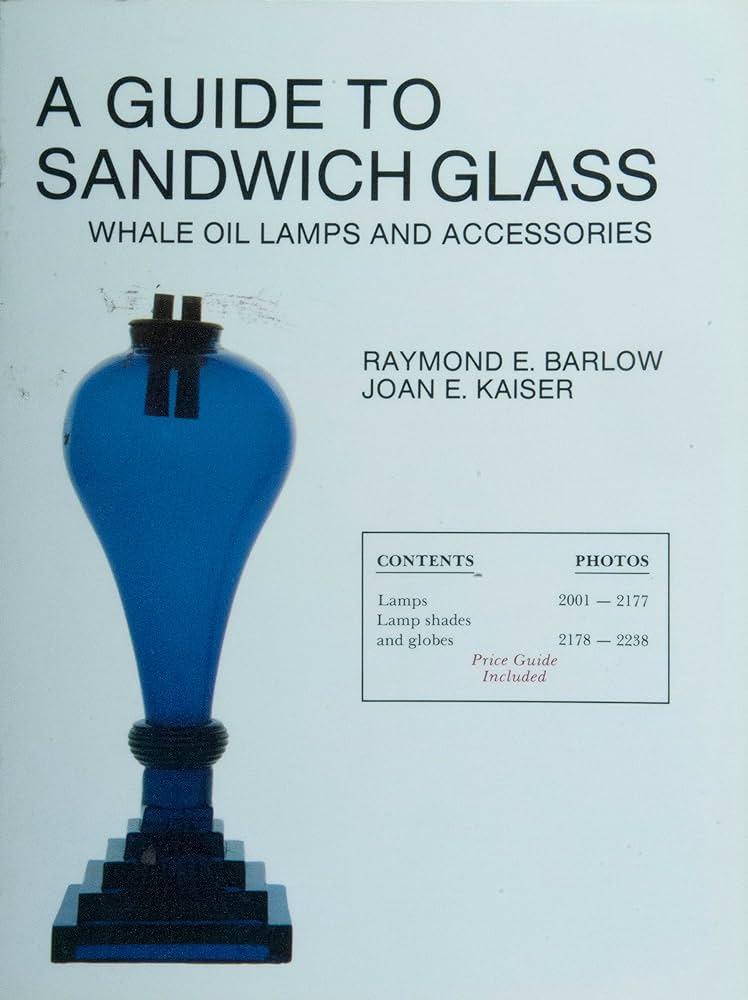
Use clear lamp oil with a high flash point for oil lamps. Choosing the right oil for your oil lamp is crucial to ensure proper functionality and safety.
Clear lamp oil with a high flash point, such as kerosene or ultra-pure paraffin oil, is the recommended choice. These oils produce a clean, efficient, and odorless burn. Avoid using vegetable oils or other flammable liquids, as they may produce excessive smoke or offensive odors and can be hazardous.
Clear lamp oil not only provides a consistent and long-lasting flame but also minimizes the risk of soot buildup and clogging, ensuring an enjoyable and hassle-free experience. Be sure to use oil designed specifically for oil lamps to ensure optimal performance and safety.

Credit: www.ebay.com
Understanding Oil Lamp Fuels
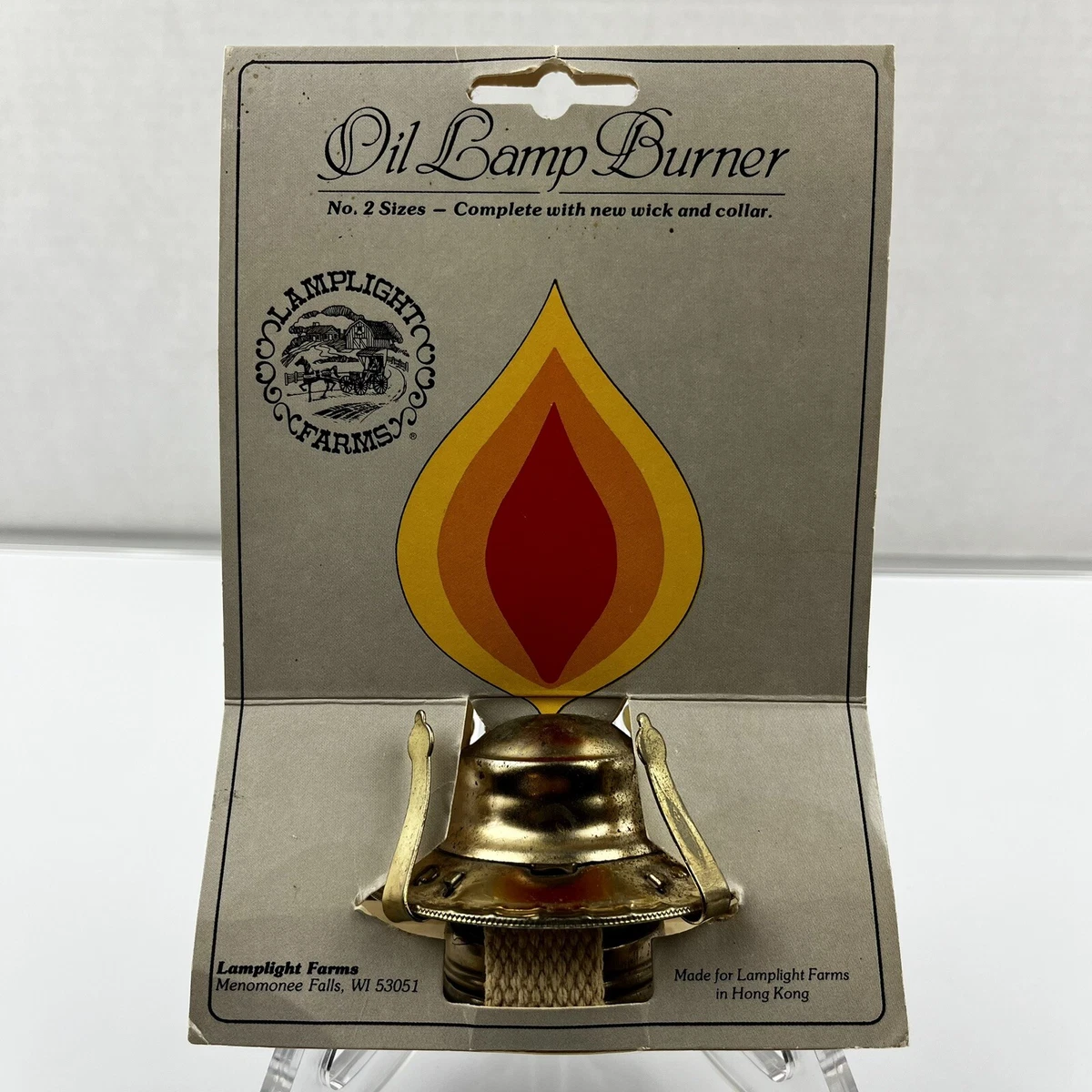
When it comes to lighting up a space, an oil lamp can create a warm and nostalgic ambiance. But choosing the right oil for your lamp can be confusing. Understanding oil lamp fuels is essential for ensuring optimal performance and safety. In this article, we’ll explore the different types of oil lamp fuels and important considerations to keep in mind when choosing the right one for your lamp.
Credit: www.ebay.com
Popular Oil Lamp Fuel Options
When it comes to selecting the right oil for your oil lamp, you have a variety of options available. Each type of oil fuel has its own unique qualities and advantages. In this article, we will explore some of the most popular oil lamp fuels, including kerosene, lamp oil, citronella oil, olive oil, and vegetable oil.
Kerosene
Kerosene is a commonly used fuel for oil lamps. It is a refined petroleum product, known for its bright and steady flame. Kerosene is readily available and relatively inexpensive, making it a popular choice for those who use oil lamps frequently.
Key features of kerosene include:
- High energy content
- Low volatility
- Long burn time
- Minimal smoke and soot
Lamp Oil
Lamp oil, also known as liquid paraffin, is another popular choice for oil lamps. It is a clear, odorless, and clean-burning fuel that provides a steady flame. Lamp oil is often preferred for indoor use due to its low odor and minimal smoke output.
Advantages of lamp oil include:
- Low odor
- Low smoke
- Long burning hours
- Wide availability
Citronella Oil
Citronella oil, derived from the leaves of the citronella plant, is well-known for its insect-repellent properties. While primarily used for outdoor lamps, it can also be used indoors. Citronella oil not only provides a pleasant aroma but also helps to deter mosquitoes and other flying insects.
Benefits of using citronella oil include:
- Natural insect repellent
- Pleasant fragrance
- Environmentally friendly
- Easily accessible
Olive Oil
Olive oil is a versatile option that can be used as a fuel for oil lamps in a pinch. It is readily available in most kitchens and can produce a soft and ambient light. However, it is important to note that olive oil has a lower energy content compared to other lamp oils, which may result in a shorter burn time.
Advantages of using olive oil as a lamp fuel:
- Readily available
- Natural and non-toxic
- Produces a warm and gentle glow
Vegetable Oil
Vegetable oil, such as canola or soybean oil, can also be used as an emergency fuel for oil lamps. While it may not be the most efficient option, it can still provide a moderate light source. It is important to note that vegetable oil may create more smoke and soot compared to other lamp fuels.
Key features of using vegetable oil as a lamp fuel:
- Easy accessibility
- Emergency fuel option
- May produce more smoke and soot
Factors To Consider When Choosing Oil For Oil Lamps
Choosing the right oil for your oil lamp is crucial to ensure optimal performance and a pleasant experience. With so many options available in the market, it can be overwhelming to determine which oil is the best fit for your needs. In this section, we will discuss the key factors to consider when selecting oil for oil lamps, including odor, smoke, burn time, availability, and cost.
Odor
One important factor to consider when choosing oil for your oil lamp is the odor it emits. Some oils can have a strong and unpleasant smell, which can be off-putting in certain environments. Opting for odorless or low-odor oils is ideal, especially if you plan to use the oil lamp indoors or in close proximity to living spaces. Look for oils specifically marketed as “odorless” or “low-odor” to ensure a pleasant ambiance without any unwanted scents.
Smoke
Smoke production is another crucial consideration when selecting oil for your oil lamp. Certain oils tend to produce more smoke when burned, which can lead to soot build-up on your lamp and surrounding surfaces. This not only creates a mess but can also affect air quality.
To minimize smoke production, choose oils that are labeled as “clean-burning” or “smokeless.” These oils are formulated to have a lower smoke output, providing a cleaner and healthier burn.
Burn Time
The burn time of the oil is an essential factor to consider, especially if you plan to use your oil lamp for extended periods. Different oils have varying burn times, which determine how long the oil will last before needing to be refilled.
Opt for oils that offer a longer burn time if you desire a continuous and uninterrupted lighting experience. Look for oils labeled as “long-lasting” or check the burn time specifications on the product label.
Availability
Availability of the oil is an important practical factor to bear in mind. Ensure that the oil you choose is readily available in your area or can be easily purchased online. It can be frustrating to invest in an oil lamp only to struggle to find the appropriate oil to fuel it. Check with local hardware stores, online retailers, or lamp specialty shops to ensure a steady supply of oil for your lamp.
Cost
The cost of the oil is a significant consideration for most individuals. While it is tempting to opt for the most affordable option, it is important to balance cost with quality and performance. Cheaper oils may not burn as efficiently or produce as much light as higher-quality oils.
Take into account the cost per ounce or liter and compare it to the burn time to determine the most cost-effective options. Remember that a slightly higher upfront cost may result in longer-lasting oil and a better overall experience.
By considering these factors, you can confidently select the most suitable oil for your oil lamp, ensuring optimal performance, a pleasant ambiance, and a longer burn time. Taking the time to make an informed decision will enhance your enjoyment and satisfaction with your oil lamp’s lighting experience.
Proper Maintenance And Safety Precautions
Proper maintenance and safety precautions are crucial when it comes to using oil lamps. These measures not only ensure the longevity and functionality of your lamp but also play a significant role in preventing accidents and ensuring the safety of your household.
In this section, we will discuss three crucial aspects of oil lamp care: cleaning the oil lamp, storing oil lamp fuel, and adhering to safety measures.
Cleaning The Oil Lamp
To maintain the efficiency of your oil lamp and avoid any potential hazards, regular cleaning is essential. Follow these steps to clean your oil lamp effectively:
- Before cleaning the lamp, make sure it has cooled down completely to avoid any burns or accidents.
- Remove the burner and chimney from the lamp, and gently empty any remaining oil.
- Using a soft cloth or sponge, wipe the lamp’s exterior with a mild cleaning solution. Avoid using abrasive materials that may damage the lamp’s surface.
- Clean the burner and chimney separately by washing them in warm soapy water. Use a small brush or cotton swab to remove any residue or buildup.
- Dry all the components thoroughly before reassembling the lamp. Ensure that all parts fit securely, and there are no loose connections.
- Once clean, fill the lamp with fresh oil, following the manufacturer’s instructions.
Storing Oil Lamp Fuel
Proper storage of oil lamp fuel is essential to prevent accidents and maintain its quality for future use. Follow these guidelines for safely storing your oil lamp fuel:
- Store the fuel in a well-ventilated area away from children, pets, and open flames.
- Use dedicated containers made of non-reactive materials, such as metal or glass, to store the fuel. Avoid using plastic containers that may degrade or leak.
- Label the container clearly to avoid any confusion or accidental ingestion.
- Keep the fuel away from direct sunlight and extreme temperatures, as these conditions can affect its quality.
- Regularly inspect the fuel containers for any signs of damage or leaks. If you notice any issues, transfer the fuel to a new container using a funnel.
Safety Measures
Adhering to safety measures is vital to ensure you use your oil lamp without any incidents. Follow these precautions to enhance safety:
- Always keep the lamp out of reach of children and pets.
- Never leave the lamp unattended while it is lit. Extinguish the flame before leaving the room or going to bed.
- Place the lamp on a stable surface, away from flammable objects and materials that may catch fire.
- Avoid overfilling the lamp with oil to prevent spills and excessive flames.
- Regularly check the wick for any signs of fraying or damage. Replace it if necessary to maintain optimal performance.
- When lighting the lamp, use a long-handled lighter or matches to prevent any burns.
By following these maintenance and safety precautions, you can enjoy the tranquil glow of your oil lamp while ensuring the well-being of your household. Implement these guidelines into your oil lamp care routine for a safe and delightful lighting experience.

Credit: www.fleurfinebooks.com
Frequently Asked Questions For What Oil To Use For Oil Lamp
What Type Of Oil Is Suitable For An Oil Lamp?
The most common type of oil used for oil lamps is lamp oil, also known as paraffin oil or kerosene.
Can I Use Vegetable Oil In An Oil Lamp?
Using vegetable oil in an oil lamp is not recommended as it can produce excessive smoke, odors, and soot.
Is It Safe To Use Olive Oil In An Oil Lamp?
While olive oil can be used in emergency situations, it is not ideal for regular use in oil lamps as it can produce a strong odor and smoke.
What Is The Best Oil For An Antique Oil Lamp?
For antique oil lamps, it is recommended to use a special liquid paraffin lamp oil that is low in sulfur and has added additives for better performance.
Conclusion
Choosing the right oil for your oil lamp is essential for optimal performance and safety. By understanding the different types of oils available, such as kerosene, lamp oil, and vegetable oil, you can make an informed decision based on your specific needs and preferences.
Remember to prioritize safety, efficiency, and the longevity of your oil lamp to enjoy its warm and inviting glow for years to come. Happy oil lamp lighting!

I’m Emily Johnson, an affiliate marketer and blogger focused on lamps and lighting. I share honest reviews, simple buying guides, and practical tips. My goal is to help readers choose the right lamp for their space, style, and budget with confidence.