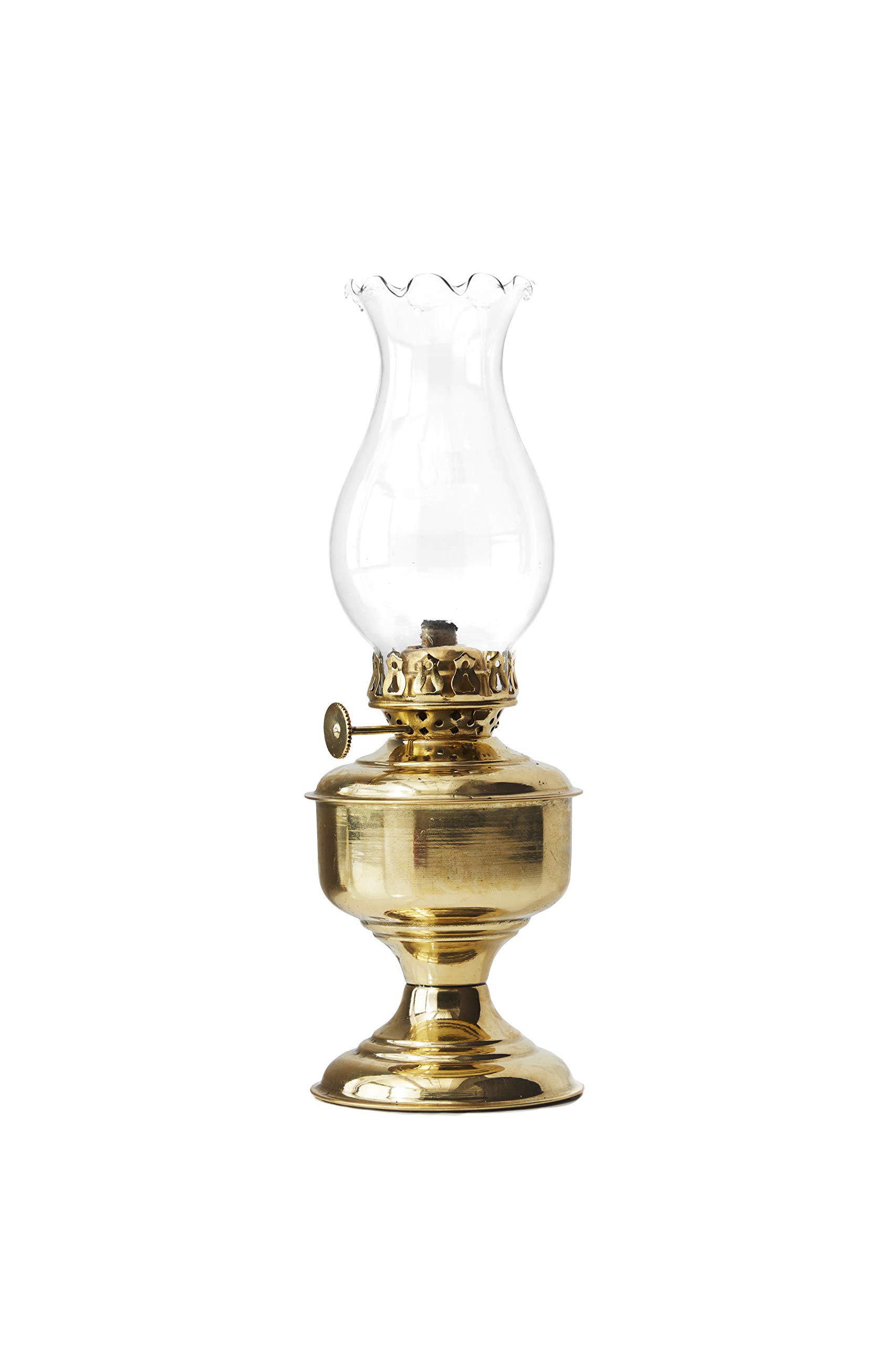
Oil lamps can have value depending on their age, condition, rarity, and historical significance.
Oil lamps have been used for centuries as a source of light and warmth. But are they worth anything in today’s modern world? In this blog post, we will explore the value of oil lamps and whether or not they hold any significance in today’s market. We will discuss factors that can affect their worth, such as age, condition, and rarity.
Whether you’re a collector or simply curious about the history and value of oil lamps, this article will provide you with valuable insights.
So, let’s shed some light on the topic and discover if oil lamps are worth anything in today’s day and age.
Credit: alampandfixture.com
Determining The Value
Are oil lamps worth anything? If you’re a collector, seller, or simply curious about the value of oil lamps, determining their worth can be an intriguing task. Several factors come into play when it comes to determining the value of an oil lamp, including its age, rarity, condition, and the materials used in its creation.
In this article, we will delve into these factors and explore the various methods for identifying and appraising valuable oil lamps.
Factors Affecting The Value Of Oil Lamps
Several key factors can significantly affect the value of an oil lamp. Understanding these factors is crucial in determining whether your oil lamp is worth anything.
- Age: The age of an oil lamp can greatly influence its value. Generally, older lamps tend to be more valuable due to their historical significance and scarcity.
- Rarity: The rarity of an oil lamp is another important factor. Lamps that were produced in limited quantities or those with unique designs are often considered highly valuable.
- Condition: The condition of the oil lamp plays a vital role in its value. Lamps in excellent condition, with minimal damage or restoration, are generally more valuable than those with significant wear and tear.
- Materials: The materials used in the creation of the oil lamp can significantly impact its value. Lamps made from high-quality materials such as crystal, porcelain, or brass are typically valued higher than those made from common materials like glass or pottery.
Identifying Valuable Oil Lamps
Identifying valuable oil lamps requires a keen eye and some knowledge about lamp styles and manufacturers. Here are a few key indicators to look for:
- Maker’s Mark: Look for a manufacturer’s mark or signature on the lamp, which can help identify its origin and potentially increase its value.
- Style and Design: Familiarize yourself with different lamp styles and designs from various periods to recognize valuable characteristics.
- Unusual Features: Pay attention to any unique or unusual features on the lamp, as these often indicate a rare and valuable piece.
- Historical Significance: Research the historical context of the lamp. If the lamp has any historical significance, such as being associated with a notable event or person, its value may be higher.
Appraisal Methods For Oil Lamps
When determining the value of an oil lamp, seeking professional appraisal is highly recommended. Appraisers specializing in antique lamps can provide an accurate assessment based on their expertise and knowledge. Common appraisal methods for oil lamps include:
- Comparative Market Analysis: An appraiser will examine similar lamps sold in recent auctions or sales to determine the lamp’s current market value.
- Reference Guides: Experts use reference guides and literature on antique lamps to identify and assess the lamp in question.
- Specialist Opinion: Consulting with a lamp specialist can offer valuable insights into the lamp’s worth and authenticity.
In conclusion, determining the value of oil lamps involves considering several crucial factors, including age, rarity, condition, and materials used. By familiarizing yourself with lamp styles, identifying valuable characteristics, and seeking professional appraisal if needed, you can gain a clear understanding of the worth of your oil lamp.
Credit: www.ikea.com
Types Of Valuable Oil Lamps
Valuable oil lamps come in various types and can hold worth for collectors. These antique pieces provide historical value and can be worthwhile investments.
When it comes to oil lamps, there is a wide variety to choose from. However, if you are an avid collector or simply looking to invest in something unique and valuable, it is important to keep an eye out for certain types of oil lamps that hold significant worth.
In this section, we will explore the three main categories of valuable oil lamps that you should be aware of:
Antique Oil Lamps
Antique oil lamps have a timeless charm and historical value that makes them highly sought after by collectors and enthusiasts. These lamps, dating back several centuries, were often crafted by skilled artisans and exhibit intricate designs and craftsmanship.
From ornate Victorian lamps featuring delicate glass shades to simple yet elegant brass oil lamps, antique oil lamps can fetch a handsome price on the market. Their scarcity and the nostalgia they evoke make antique oil lamps a valuable addition to any collection.
Rare And Limited Edition Oil Lamps
For those looking for something truly exceptional, rare and limited edition oil lamps present an enticing opportunity. These lamps are often produced in small quantities and are designed to stand out. Whether it’s a vintage Art Nouveau lamp with a unique shape or a hand-painted lamp from a renowned manufacturer, these pieces are highly coveted by collectors.
Due to their limited availability and distinctive features, rare and limited edition oil lamps can command high prices in the market. Investing in these lamps can be a rewarding endeavor, both aesthetically and financially.
Designer Oil Lamps
For individuals with a taste for contemporary design, designer oil lamps offer a blend of functionality and artistic flair. Created by renowned designers, these lamps cater to the modern aesthetic while incorporating innovative materials and techniques. Designer oil lamps often showcase sleek lines, bold colors, and avant-garde shapes, making them a statement piece in any room.
The combination of artistry and functionality makes these lamps not only visually appealing but also valuable collectibles. Whether you choose a lamp designed by a famous name or a rising star in the design world, designer oil lamps can add a touch of elegance and sophistication to any space.
Where To Find Oil Lamps
If you’re an oil lamp enthusiast or are simply curious about collecting them, you may be wondering where you can find these intriguing pieces. Here are a few places to start your hunt for oil lamps:
Auction Houses And Antique Stores
If you’re looking for a wide selection of oil lamps and want to immerse yourself in the world of antiques, auction houses and antique stores are excellent places to visit. These establishments often have knowledgeable staff who can provide valuable insights into the history and value of oil lamps. Auctions, in particular, can be a thrilling experience as you compete with other collectors to secure the perfect piece for your collection. Keep an eye out for upcoming auctions and browse through the antique stores in your area to find unique and precious oil lamps.
Online Platforms
The internet has made it easier than ever to find and purchase oil lamps from the comfort of your own home. Various online platforms cater to antique enthusiasts, offering an extensive range of oil lamps. One popular online marketplace is eBay, where you can find an array of new and antique oil lamps listed by sellers around the world.
Online forums and collectors’ groups dedicated to oil lamps are also great sources of information and can help you connect with fellow enthusiasts who may be looking to sell or trade their lamps.
Thrift Stores And Flea Markets
Thrift stores and flea markets are treasure troves for those on a budget or those who enjoy the thrill of uncovering hidden gems. These venues often have a rotating inventory of items, making each visit a unique experience.
While finding oil lamps in these places may require some patience and persistence, the hunt can be incredibly rewarding. Exploring thrift stores and flea markets allows you to stumble upon unexpected discoveries and potentially find valuable oil lamps at affordable prices.
Whether you choose to visit auction houses and antique stores, explore online platforms, or venture into thrift stores and flea markets, these places offer exciting opportunities to find oil lamps that could become cherished additions to your collection. Just remember to do your research, ask questions, and trust your instincts when searching for the perfect oil lamp.
Caring For And Preserving Oil Lamps
Oil lamps have a certain nostalgic charm that has captivated collectors and enthusiasts alike. Whether you have inherited an oil lamp or stumbled upon one at a flea market, knowing how to care for and preserve these unique pieces is crucial.
With the right cleaning techniques, proper storage methods, and avoiding common preservation mistakes, you can ensure that your oil lamps stay in top-notch condition and retain their value.
In this section, we’ll explore essential tips and guidelines to help you keep your oil lamps in pristine condition.
Cleaning And Maintenance Tips
Proper cleaning and regular maintenance are key to preserving the beauty and functionality of your oil lamps. Here are some important tips to keep in mind:
- Always handle oil lamps with clean hands to prevent any dirt or oils from transferring onto the lamp’s surface.
- Start by removing the lamp’s chimney and burner before cleaning. Carefully clean these components with a mild, non-abrasive cleaner and a soft cloth. Avoid immersing them in water or using harsh chemicals that may damage the metal or glass.
- Gently wipe the lamp’s base and body with a soft cloth dampened with warm water and a mild soap. Avoid excessive moisture to prevent damage to the lamp’s finish or any decorative elements.
- Use a soft brush or cotton swab to clean hard-to-reach areas and remove any stubborn residue or soot that may have accumulated over time.
- After cleaning, ensure that all components are thoroughly dried before reassembling the lamp. This will prevent mold or corrosion from developing.
- Regularly check the oil level, and if necessary, replace the oil to maintain a steady and flicker-free flame.
Proper Storage Methods
Proper storage plays a vital role in preserving the condition of your oil lamps during periods of non-use or when they are not displayed. Follow these guidelines to ensure your oil lamps are stored correctly:
- Before storing, make sure the lamp is thoroughly cleaned and dry to prevent the growth of mold or the presence of any residual oils that may attract insects.
- Wrap the lamp in a soft cloth or acid-free tissue to protect it from dust, scratches, and other physical damage.
- Store the wrapped lamp in a cool, dry place away from direct sunlight and extreme temperature changes. Exposure to sunlight and heat can cause discoloration and other irreversible damage to the lamp’s materials.
- Avoid storing oil lamps in damp basements or attics. These areas are prone to high humidity levels, which can lead to corrosion and deterioration of the lamp’s metal components.
Common Preservation Mistakes To Avoid
When it comes to preserving oil lamps, it’s vital to avoid common mistakes that can decrease their value or cause irreversible damage. Be mindful of the following:
- Do not use abrasive cleaners or scrub brushes that may scratch or damage the lamp’s surface.
- Avoid using strong chemical cleaners, as they can corrode or discolor the lamp’s metal parts.
- Refrain from over-polishing the lamp, as excessive polishing can remove valuable patina or decorative details.
- Never store oil lamps in damp or excessively humid areas, as moisture can cause rust, mold growth, and deterioration of the lamp’s materials.
- Do not display oil lamps near open windows or in areas with significant temperature fluctuations, as this can damage the glass components due to thermal stress.

Credit: www.amazon.com
Frequently Asked Questions For Are Oil Lamps Worth Anything
Are Oil Lamps Worth Anything In Today’s Market?
Oil lamps can have value as collectibles and antiques, with prices varying depending on factors such as age, condition, and rarity.
How Can I Determine The Value Of An Oil Lamp?
To determine the value of an oil lamp, you can consult antique dealers, auction houses, or use online resources that specialize in lamp appraisals.
What Factors Affect The Value Of An Oil Lamp?
Factors that affect the value of an oil lamp include the lamp’s age, condition, craftsmanship, design, and any historical or artistic significance it may hold.
Where Can I Find Antique Oil Lamps For Sale?
You can find antique oil lamps for sale at antique stores, auction houses, online marketplaces, and even through private collectors or estate sales.
Conclusion
Oil lamps have both sentimental and monetary value. While their practical use has diminished with the advent of modern lighting, antique oil lamps are highly sought after by collectors and enthusiasts. Their intricate designs and historical significance make them a valuable addition to any collection.
Whether you are looking to sell or simply appreciate their beauty, oil lamps are undoubtedly worth something. So next time you come across one, consider its potential worth beyond its nostalgic charm.

I’m Emily Johnson, an affiliate marketer and blogger focused on lamps and lighting. I share honest reviews, simple buying guides, and practical tips. My goal is to help readers choose the right lamp for their space, style, and budget with confidence.