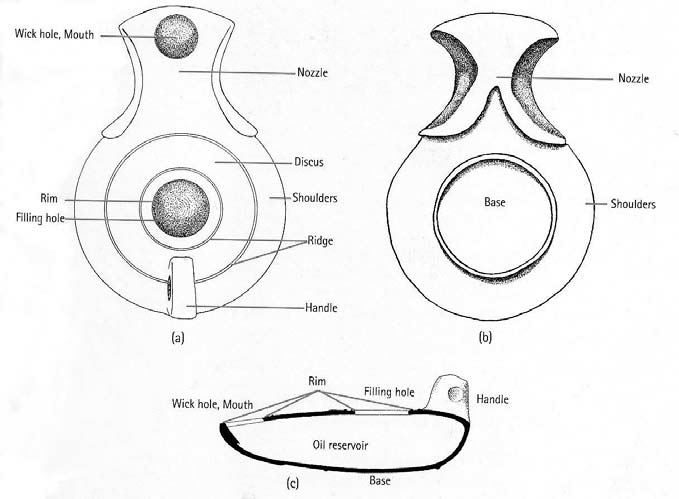
Ancient oil lamps worked by using a wick to draw fuel, such as olive oil or animal fat, up to the surface where it could be ignited. These lamps were commonly made of clay or metal and provided both light and heat.
The wick was typically made of a thick absorbent material, such as cotton, which absorbed the fuel and allowed it to burn slowly. As the fuel burned, the wick would need to be adjusted and trimmed to maintain a steady flame.
These lamps were an essential source of light in ancient times and were used in households, temples, and other public spaces. Today, these ancient oil lamps provide valuable insights into the daily life and culture of past civilizations.

Credit: en.wikipedia.org
Illumination In Ancient Times
In ancient times, the importance of light cannot be overstated. The absence of artificial lighting sources like electricity forced people to rely on natural light during the day and various innovative methods to illuminate their surroundings at night. With limited options available, ancient societies faced numerous challenges to overcome the darkness. However, through the invention and evolution of ancient oil lamps, they were able to harness the power of fire to bring light into their lives. Let’s explore further the significance of light in ancient societies, the challenges they encountered, and the fascinating journey of ancient oil lamps.
The Importance Of Light In Ancient Societies
Light held immense importance in various aspects of ancient societies’ lives. Here are some key reasons why:
- Practical Purposes: Light was essential for performing daily tasks and activities, such as cooking, working, reading, and various crafts.
- Safety and Security: Illumination played a crucial role in ensuring personal safety, preventing accidents, and protecting against potential threats during the night.
- Religious and Ceremonial Significance: Light held symbolic significance in religious practices, rituals, and ceremonies of ancient societies. It was often associated with divine presence, purity, and enlightenment.
- Social Gatherings: Gathering around the light during the night provided an opportunity for people to come together, share stories, and foster a sense of community.
Challenges Of Illumination In Ancient Times
Ancient societies faced numerous challenges when it came to illumination. Here are some of the main difficulties they encountered:
- Limited Natural Light: With no electricity, reliance on sunlight during the day posed limitations as buildings, narrow streets, and other structures often obstructed sunlight from reaching interiors.
- Shortened Working Hours: The absence of artificial lighting meant that working hours were significantly reduced, limiting productivity and affecting various industries.
- Inadequate Fire-based Light Sources: Before the invention of advanced lighting devices, early attempts to illuminate indoor spaces were often inefficient, resulting in dim and smoky environments.
- Expensive Alternative Light Sources: While alternatives like candles and torches offered some illumination, they were expensive, produced uneven light, had safety concerns, and required continuous maintenance.
Invention And Evolution Of Ancient Oil Lamps
To overcome the challenges of illumination, ancient civilizations invented and continually refined a significant lighting source – oil lamps. These lamps, predominantly fueled by olive oil, provided a more practical and dependable form of light. Here’s a brief overview of their evolution:
| Period | Innovation |
|---|---|
| Ancient Mesopotamia | Earliest known oil lamps with simple clay constructions and wick designs. |
| Ancient Egypt | Developed more advanced terracotta oil lamps with intricate decorations and improvements in wick design. |
| Ancient Greece and Rome | Introduced a wider variety of materials like bronze, silver, and glass for lamp production. Optimal designs for controlling the intensity of the flame were also developed. |
| Byzantine Empire | Gave rise to Christian iconography on oil lamps, with religious motifs and scenes depicted on the lamp bodies. |
The invention and evolution of ancient oil lamps revolutionized illumination, providing a more efficient and controllable source of light. They paved the way for further advancements, leading to the development of modern lighting systems that we enjoy today.
Design And Functionality Of Ancient Oil Lamps
Ancient oil lamps played a crucial role in providing light and illumination in civilizations long before the advent of electricity. These lamps were ingeniously crafted, featuring a unique design and functionality that allowed for the controlled burning of oil. Understanding the materials, construction, components, features, as well as the overall functionality and usage of these lamps gives us valuable insights into the ingenuity of ancient civilizations. Let’s delve deeper into the amazing world of ancient oil lamps.
Materials And Construction
Ancient oil lamps were typically crafted from a variety of materials. The most common material used was clay or terracotta due to its abundance and ease of shaping. Clay lamps were molded by hand or using rudimentary tools, creating a shallow bowl-like shape with a spout or nozzle for the wick to emerge.
The construction of these lamps involved the skilled hands of ancient artisans. The clay was expertly molded, ensuring a flat base for stability and an ergonomic handle to hold and transport the lamp. Ventilation holes were strategically placed to allow air circulation and regulate the flame. Additionally, decoration in the form of intricate patterns, symbols, or scenes was often added, displaying the artistic flair of the civilization.
Components And Features
The components of ancient oil lamps were fairly simple yet effective. The main components included the oil reservoir, the wick, and the handle. The oil reservoir, also known as the font, housed the oil that fueled the flame. It was designed with a concave or shallow cavity that held the oil securely. The wick, usually made of twisted flax or linen, extended from the oil reservoir and protruded through the spout or nozzle, ready to be ignited.
The functionality of ancient oil lamps was based on the principle of capillary action. The wick absorbed the oil, slowly drawing it up to the burning tip, providing a steady, controlled flame. The flame produced a dim but reliable source of light, essential for various activities such as reading, cooking, or religious ceremonies.
Ancient oil lamps were used in a variety of settings, both indoors and outdoors. From household use to communal gatherings, these lamps provided illumination and served as a vital source of light once the sun had set. They were typically placed on a flat surface or hung from a hook, ensuring stability and safety.
In conclusion, the design and functionality of ancient oil lamps showcased the ingenuity and craftsmanship of ancient civilizations. The careful selection of materials, the intricate construction, and the practical features enabled these lamps to illuminate the lives of people thousands of years ago. By understanding the design and functionality of these remarkable artifacts, we gain a deeper appreciation for the advancements made by our ancestors in bringing light to the darkness.
Cultural Significance Of Ancient Oil Lamps
Ancient oil lamps played a significant role in culture, providing light and symbolizing hope and spirituality. Using oil and a wick, these lamps illuminated homes, temples, and rituals, reflecting the ancient world’s ingenuity and reliance on simple yet effective technologies.
Ancient oil lamps hold a significant place in the cultural history of civilizations across the world. These lamps were not simply practical objects used for illumination, but they held deep cultural and symbolic meanings. They played a crucial role in religious ceremonies and rituals, domestic and daily life, as well as in expressing symbolism and decorative elements.
Religious Ceremonies And Rituals
Ancient oil lamps were frequently utilized in various religious ceremonies and rituals. They were considered essential tools for illuminating sacred spaces and creating a spiritual ambiance. The gentle flickering light cast by these lamps added an ethereal quality to religious gatherings and ceremonies.
The lighting of oil lamps carried spiritual significance, symbolizing the triumph of light over darkness and the presence of divine forces. In some cultures, the lamps were lit in temples and shrines as offerings to gods and goddesses. This act was believed to invoke divine blessings and protection.
Oil lamps were also used in funerary rituals, representing a guiding light for the departed soul. These lamps were lit at burial sites or placed alongside tombs to help guide the deceased to the afterlife.
Domestic And Daily Use
Ancient oil lamps were not limited to religious events but also played a significant role in the daily lives of people. They were an essential source of light in households, especially after sunset. These lamps were used in various areas of the home, such as living spaces, kitchens, and bedrooms.
Oil lamps were made in different sizes and shapes to cater to different household needs. They were generally fueled by olive oil or animal fat, providing a steady and reliable source of light. The amount of light emitted from the lamps could be adjusted by modifying the wick and the amount of oil used.
These lamps were not only functional but also served as decorative objects. They were often intricately designed and adorned with patterns, motifs, and symbols that reflected the artistic aesthetics of the era and the region.
Symbolism And Decorative Elements
Ancient oil lamps were symbolic objects, often representing various cultural beliefs and values. They were adorned with decorative elements, such as engravings, carvings, and intricate designs, which added a touch of beauty to their functionality.
The designs found on these lamps varied across different cultures. They featured symbols related to deities, nature, animals, and geometric patterns. These symbols carried deeper meanings, reflecting the spiritual beliefs and cultural identity of the society in which the lamps were created.
In addition to symbols, the lamps were often designed with handles and spouts that were shaped in ways that held special significance. These elements could resemble religious figures, creatures, or mythological beings, further infusing the lamps with cultural and symbolic value.
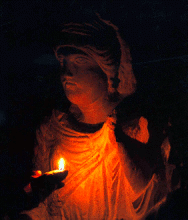
Credit: www.epalladioartworkshop.com
Art And Craftsmanship Of Ancient Oil Lamps
Ancient oil lamps were not just functional objects for providing light, but they were also works of art that showcased the skill and creativity of ancient lamp makers. These craftsmen took great care in creating lamps that were not only aesthetically pleasing but also functional. The art and craftsmanship of ancient oil lamps encompassed a variety of designs and styles, demonstrated the skill and techniques of lamp makers, and even influenced artistic expression of the time.
Variety Of Designs And Styles
Ancient oil lamps were available in a wide array of designs and styles, reflecting the cultural diversity and influences of their respective time periods. From the simple and utilitarian lamps of earlier centuries to the more elaborate and decorative lamps of later periods, lamp makers experimented with various shapes, patterns, and embellishments. The designs ranged from plain and unadorned to intricately detailed and ornate, often incorporating motifs of the ancient world such as animals, mythological figures, and religious symbols. These diverse designs and styles reflected the preferences and artistic trends of their respective civilizations, allowing individuals to not only illuminate their surroundings but to also express their unique tastes and cultural identities through the choice of their oil lamps.
Skills And Techniques Of Lamp Makers
The creation of ancient oil lamps required a high level of skill and craftsmanship. Lamp makers had to be adept at working with different materials such as clay, terracotta, bronze, and glass, each offering its own set of challenges. They employed a variety of techniques such as molding, carving, and painting to bring their designs to life. The lamps were meticulously crafted, with attention given to details like the placement of the handle, the shape and positioning of the spout, and the method of filling and burning the oil. These skilled craftsmen honed their techniques over generations, constantly innovating and refining their artistry to create lamps that were not only functional but also visually appealing.
Influence Of Ancient Oil Lamps On Artistic Expression
Ancient oil lamps had a profound impact on the artistic expression of their time. As ancient civilizations valued both light and beauty, artists drew inspiration from the visual allure of oil lamps and incorporated lamp motifs into their artwork. The lamps became a popular subject matter in various forms of artistic expression, including pottery, frescoes, and even jewelry. The delicate curves, elegant shapes, and intricate designs of oil lamps became a source of inspiration for other artisans, lending their aesthetic appeal to a wide range of artistic endeavors. This influence can still be seen today in the depictions of ancient oil lamps in museums and art galleries around the world.
Archaeological Discoveries And Insights From Ancient Oil Lamps
Exploring the history of ancient civilizations can often be like opening a time capsule. Each artifact unearthed provides glimpses into the lives of those who lived centuries ago. One such fascinating artifact is the ancient oil lamp. These humble yet remarkable objects have been discovered in various excavation sites, shedding light on how people in antiquity harnessed the power of fire for light and warmth.
Excavation Sites And Findings
Archaeological excavations have uncovered a wealth of ancient oil lamps throughout the years. One notable site is the Roman city of Pompeii, which was famously preserved by the volcanic ash of Mount Vesuvius in 79 AD. Here, archaeologists unearthed numerous oil lamps that were used by the ancient Romans. These artifacts provide valuable insights into the daily life and customs of this ancient civilization.
A similar wealth of information has been gleaned from the ruins of ancient cities such as Athens, Alexandria, and Jerusalem. Excavations in these sites have yielded a diverse range of oil lamps, each with its own unique design and craftsmanship. From the simple, utilitarian lamps used by the common people to the more ornate and elaborate ones used by the elite, these artifacts tell stories of social hierarchy and cultural practices.
Historical And Societal Information
Ancient oil lamps not only provide insights into the daily lives of individuals but also offer valuable historical and societal information. For instance, through the study of these lamps, archaeologists have been able to determine the trade routes and connections between different civilizations. The presence of lamps crafted in specific styles or using particular materials can indicate cultural exchanges and commercial interactions.
Furthermore, the examination of the fuel residues inside these lamps can provide clues about the types of oil used in ancient times. This knowledge can shed light on the availability of resources, trade networks, and even the economic status of different communities. By analyzing the designs, motifs, and inscriptions on these lamps, historians can glean information about religious beliefs, mythologies, and the artistry of the era.
What Ancient Oil Lamps Can Reveal About The Past
Ancient oil lamps hold significant value in unraveling the mysteries of the past. They offer us a window into the daily lives, social structures, and cultural practices of ancient civilizations. From the way they were crafted to the materials used, these lamps can reveal information about the technological advancements, artistic expressions, and religious beliefs of their time.
Studying ancient oil lamps is like piecing together a puzzle, with each new discovery adding to our understanding of history. These humble artifacts continue to fascinate and inform, reminding us of the ingenuity and resilience of our ancestors.
Credit: www.historyoflamps.com
Frequently Asked Questions Of How Did Ancient Oil Lamps Work
How Were Ancient Oil Lamps Fueled?
Ancient oil lamps were fueled using various materials such as olive oil or animal fat.
What Were The Different Types Of Ancient Oil Lamps?
There were several types of ancient oil lamps, including the wheel-shaped, the hanging, and the open-bowled lamps.
How Did Ancient Oil Lamps Provide Light?
Ancient oil lamps had a wick that was soaked in fuel and then lit, providing a steady and controlled source of light.
Were Ancient Oil Lamps Safe To Use?
Ancient oil lamps were generally safe to use, but precautions were taken to avoid accidents, such as placing them on stable surfaces and keeping them away from flammable materials.
Conclusion
The fascinating world of ancient oil lamps has been unveiled, shedding light on the ingenious mechanisms behind their functionality. These ancient devices, with their simple yet efficient designs, utilized wicks soaked in oil to provide a steady source of illumination.
Through meticulous craftsmanship and innovative engineering, these lamps offered a glimpse into the ingenuity of our ancestors. Delving into their intriguing history has not only deepened our appreciation for the past but also sparked curiosity about the limitless potential of human creativity.
As we reflect on these ancient artifacts, we are reminded of the timeless quest for enlightenment that transcends time and technology.

I’m Emily Johnson, an affiliate marketer and blogger focused on lamps and lighting. I share honest reviews, simple buying guides, and practical tips. My goal is to help readers choose the right lamp for their space, style, and budget with confidence.