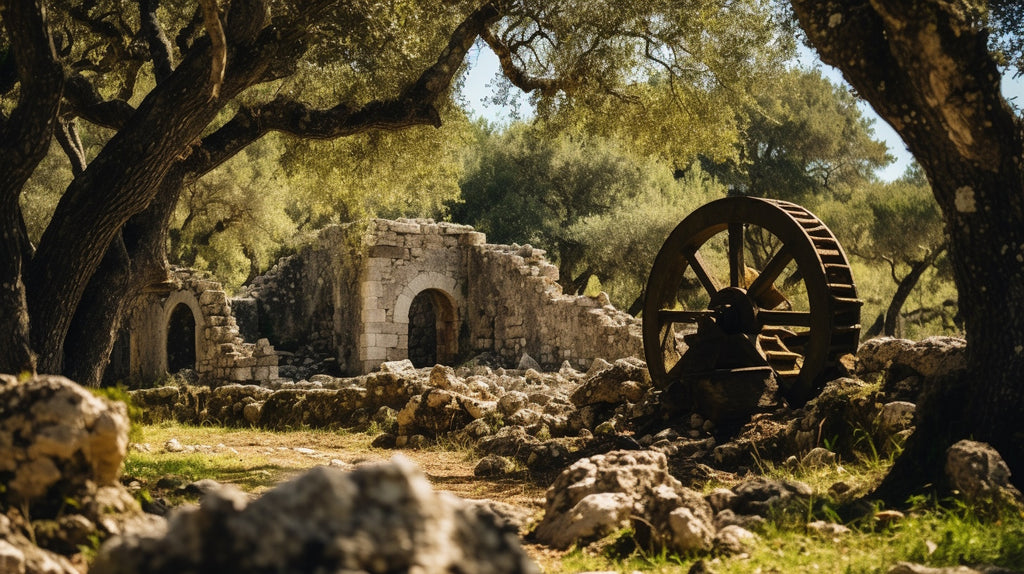
Oil lamps were used for thousands of years, dating back to ancient civilizations. They were a common source of artificial lighting before the invention of candles.
In medieval times, oil lamps, along with candles, were considered luxurious items due to their high cost. However, with the advancements in technology, the availability and affordability of oil lamps increased. The history of oil lamps can be traced back to ancient cultures such as the Greeks and Romans, who used them to illuminate statues of the gods and for religious ceremonies.
Throughout the years, oil lamps have evolved in design and fuel sources, but their basic function of providing light remains the same.

Credit: www.cnn.com
Ancient Oil Lamps: Early Innovations
Oil lamps have been used for thousands of years, dating back to ancient civilizations. These early innovations in lighting played a crucial role in illuminating homes, temples, and public spaces during a time when electricity was yet to be discovered. In this article, we will explore the fascinating world of ancient oil lamps, focusing on their early evidence, materials and designs, as well as their various uses and functions.
Early Evidence of Oil Lamps
Ancient evidence of oil lamps can be traced back to as early as the 4th millennium BCE. Archaeological discoveries have unearthed clay lamps from various ancient civilizations such as the Mesopotamians, Egyptians, and Greeks. These early lamps consisted of a simple design, typically made from clay or terracotta, and featured a spout for pouring oil, a wick holder, and a shallow oil reservoir.
Materials and Design
Ancient oil lamps were crafted using a variety of materials, including clay, terracotta, bronze, and even precious metals such as gold and silver. The choice of material often depended on the wealth and social status of the owner. For instance, lamps made of gold or silver were considered luxurious and were typically owned by the elite.
The design of ancient oil lamps also evolved over time. While early lamps were simplistic in nature, later innovations introduced intricate patterns and motifs. Some lamps featured decorative handles or spouts shaped like animals or human figures, adding an artistic touch to these functional objects. The evolution of oil lamp design reflects the cultural and artistic influences of each civilization.
Uses and Functions
Ancient oil lamps served a range of purposes beyond providing light. They were used in religious ceremonies, both in homes and in temples, as a way to honor and worship deities. Oil lamps were also an essential tool for daily tasks such as cooking, reading, and crafting, especially in regions where natural light was scarce or unreliable.
Additionally, oil lamps played a significant role in social gatherings and celebrations, providing a warm and inviting atmosphere. They were often used to create a cozy ambiance during festive occasions, bringing communities together.
In conclusion, ancient oil lamps were early innovations that revolutionized the way humans illuminated their surroundings. From the simple clay lamps of ancient civilizations to the ornate designs of later periods, these lamps not only provided light but also reflected the cultural, artistic, and social aspects of their time.
Understanding the history and significance of these ancient oil lamps allows us to appreciate the ingenuity and creativity of our ancestors.

Credit: madainproject.com
Oil Lamps In Different Civilizations
Oil lamps have been an essential source of light for various civilizations throughout history. From ancient Egyptians to the Greeks and Romans, and even into medieval times, oil lamps played a vital role in providing illumination. In this section, we will explore the use of oil lamps in different civilizations.
Egyptian Oil Lamps
When it comes to the use of oil lamps, the ancient Egyptians were early innovators. They crafted intricate oil lamps made from clay, adorned with beautiful designs and motifs. These lamps were typically filled with olive oil and used a wick made from linen or papyrus.
Egyptian oil lamps were not only functional but were also considered works of art, showcasing the creativity and skill of the craftsmen.
Greek and Roman Oil Lamps
The Greeks and Romans further developed the use of oil lamps, incorporating advanced designs and techniques. Greek oil lamps are often made from terracotta and feature decorative patterns and scenes from Greek mythology.
The Romans, on the other hand, preferred metal oil lamps, such as bronze or silver, which were highly prized possessions. These lamps often depicted figures and scenes from Roman history and religion.
Medieval Oil Lamps
In medieval times, lighting was a luxury, and oil lamps were no exception. Candles, oils, and oil lamps were expensive items, only affordable to the wealthy. However, as technology advanced, so did the availability of lighting options. Medieval oil lamps were typically made from materials like bronze or pottery, and they utilized tallow or vegetable oil as fuel. These lamps helped illuminate castles, churches, and homes during the Middle Ages.
Overall, oil lamps have played a significant role in the history of various civilizations, providing a much-needed source of light. From the intricate designs of Egyptian lamps to the artistic depictions on Greek and Roman lamps, and even the luxury of medieval oil lamps, these artifacts reflect the ingenuity and creativity of our ancestors.
The Influence Of Oil Lamps On Society
Oil lamps have been used by various societies throughout history, dating back to ancient civilizations. They provided a reliable source of light before the invention of electricity.
Social and Cultural Implications
The use of oil lamps throughout history has had significant social and cultural implications. These lamps played a crucial role in society, providing much-needed light during the evening hours and transforming the way people lived and interacted. The introduction of oil lamps had a profound impact on various aspects of society, shaping everything from daily routines to social gatherings and religious practices.
Oil lamps became an integral part of social gatherings and events, creating an atmospheric ambience that enhanced the overall experience. Whether it was a dinner party, a religious ceremony, or a community gathering, the soft and flickering light of oil lamps created a warm and inviting atmosphere, bringing people together and fostering social connections.
Moreover, the use of oil lamps in religious rituals became a symbol of devotion and spirituality. In ancient civilizations, oil lamps were widely used in temples and shrines to illuminate statues of gods, creating an ethereal atmosphere and facilitating worship. The act of lighting an oil lamp before prayers became a deeply meaningful and sacred practice, reflecting the importance of light in various spiritual traditions.
Economic Impact
The adoption of oil lamps also had a significant economic impact. Prior to the invention of oil lamps, various sources of light, such as candles and torches, were expensive and limited in availability. The invention of oil lamps revolutionized the lighting industry by providing a more affordable and sustainable alternative.
The widespread use of oil lamps has led to a growing demand for lamp oil, creating new economic opportunities for individuals and businesses involved in oil production and trade. This increased demand not only contributed to the growth of the oil industry but also stimulated economic activity in related sectors.
Furthermore, the affordability and accessibility of oil lamps allowed a larger portion of the population to have access to artificial light, improving productivity and extending working hours. This had a profound impact on various industries, such as manufacturing and agriculture, as it enabled workers to continue their tasks even after sunset, leading to increased productivity and economic growth.
Technological Advancements
The development and widespread use of oil lamps marked a significant technological advancement in artificial lighting. Compared to earlier lighting methods, such as animal fat lamps or torches, oil lamps offered a more efficient and long-lasting source of light.
Oil lamps consisted of a container for the oil, a wick that absorbed the oil, and a flame produced by the burning of the oil-soaked wick. This innovative design allowed for a controlled and steady source of light, unlike the flickering and unpredictable flames of earlier lighting methods.
Over time, advancements were made to improve the efficiency and design of oil lamps. For example, new materials, such as improved glass and metal components, were introduced to increase durability and enhance the aesthetic appeal of the lamps.
These technological advancements not only improved the functionality of oil lamps but also contributed to their popularity and widespread use in society.
Legacy and Influence of Oil Lamps
Oil lamps have a rich legacy and have greatly influenced our history and culture. These ancient sources of light have not only provided illumination but have also played significant roles in various aspects of human life. From their invention in ancient times to their modern-day applications, oil lamps continue to captivate us with their timeless beauty and functionality.
Modern-day Applications
In today’s world, oil lamps might not be as commonly used for everyday lighting as they were in the past. However, they have found their place in various modern-day applications:
- Decorative purposes: With its antique charm and warm glow, oil lamps have become popular decorative items for homes and events, adding a touch of nostalgia and elegance to any setting.
- Religious ceremonies: Oil lamps hold great significance in many religious traditions, symbolizing light, spirituality, and divine presence. They are often used in churches, temples, and other places of worship for ceremonial lighting.
- Outdoor activities: Oil lamps are useful during camping trips, outdoor gatherings, or when enjoying a relaxing evening in the garden. Their soft and ambient light creates a cozy atmosphere.
Collecting and Preserving Oil Lamps
For enthusiasts and collectors, oil lamps have become valuable and sought-after items:
- Historical artifacts: Antique oil lamps provide fascinating insights into ancient civilizations and are highly prized by history buffs and museums. Collectors often meticulously restore and showcase these unique pieces.
- Investment value: Rare and well-preserved oil lamps can hold significant value in the collector’s market, making them a worthwhile investment for those passionate about historical artifacts.
- Preserving cultural heritage: By collecting and preserving oil lamps, we ensure that these cultural treasures are not forgotten and continue to be appreciated by future generations.
Symbolism and Artistic Representations
The enchanting beauty and symbolic significance of oil lamps have inspired artists and craftsmen throughout history:
- Literature and poetry: Oil lamps have been romanticized in countless poems, stories, and novels as symbols of hope, enlightenment, and love.
- Visual arts: Oil lamps have been portrayed in various art forms, including paintings, sculptures, and ceramics, capturing their allure and historical importance.
- Traditional ceremonies and rituals: Many cultures incorporate oil lamps into their festive celebrations and rituals, reflecting their cultural heritage and spirituality.
The legacy and influence of oil lamps continue to thrive in our modern world, reminding us of our shared history and the invaluable role these timeless creations have played in shaping human civilization.
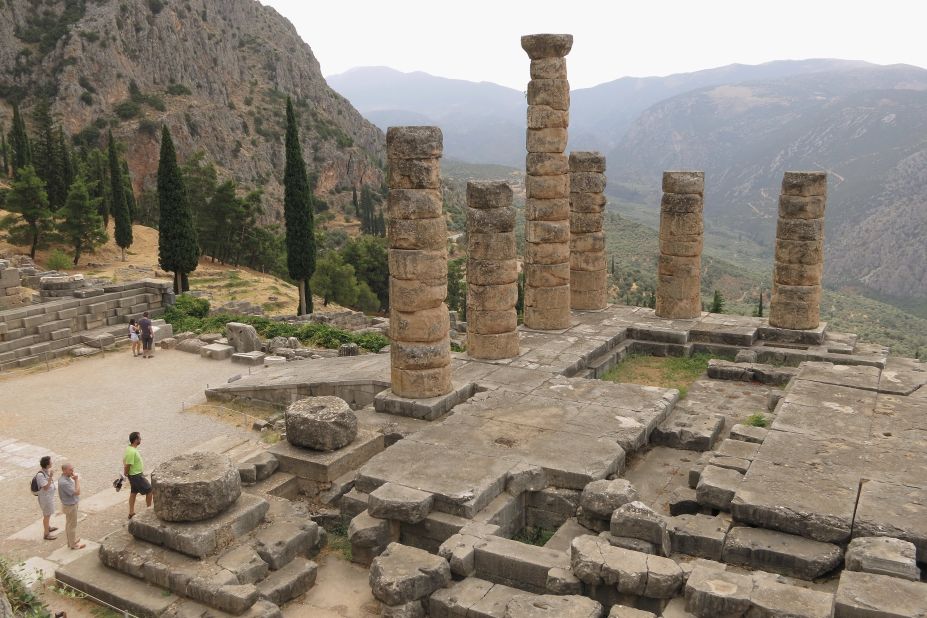
Credit: www.cnn.com
Frequently Asked Questions Of When Were Oil Lamps Used
When Was The Modern Oil Lamp Invented?
The modern oil lamp was invented in the 18th century.
What Were the Oil Lamps In The 1700s?
Oil lamps in the 1700s were used for lighting and were commonly fueled with olive oil or other types of oil. These lamps were expensive and considered a luxurious item during that time. Oil lamps have been used for thousands of years, dating back to ancient civilizations.
When Was Oil First Used For Light?
Oil lamps were first used for light thousands of years ago, dating back to ancient civilizations.
Do They Have Oil Lamps In Medieval Times?
Yes, oil lamps were used in medieval times, although they were considered luxurious and expensive. They were one of the forms of artificial lighting available during that period, along with candles and other types of lamps.
Conclusion
In the world of lighting, oil lamps have a long and fascinating history. Dating back to ancient civilizations, these lamps were not only a source of light but also a symbol of luxury. From the Greeks to the Romans, oil lamps played a significant role in their daily lives.
As technology advanced, so did the design and functionality of oil lamps. Today, we can appreciate the beauty and historical significance of these lamps as timeless artifacts. Let us remember the rich heritage of oil lamps and their contribution to the evolution of lighting.

I’m Emily Johnson, an affiliate marketer and blogger focused on lamps and lighting. I share honest reviews, simple buying guides, and practical tips. My goal is to help readers choose the right lamp for their space, style, and budget with confidence.