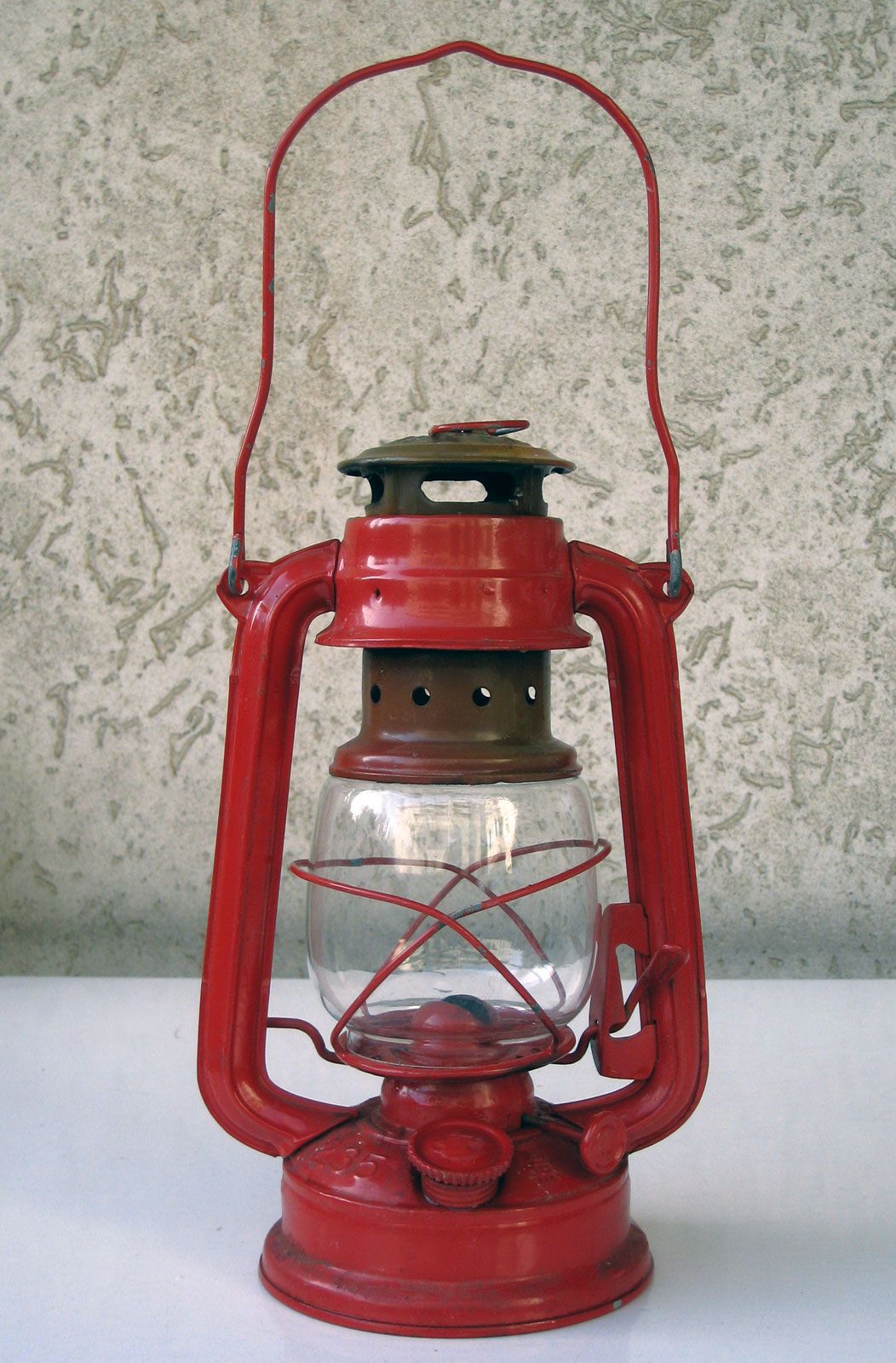
An oil lamp is a continuous light source that uses oil-based fuel and has been used for thousands of years. Its use is less common nowadays but still exists.
Oil lamps have been used for centuries as a source of light, and they continue to be popular today for their unique charm and practicality. But what exactly is an oil lamp?
In this blog post, we will explore the history and mechanics of oil lamps, as well as their modern-day applications. From the different types of fuel to the various designs available, we will provide a comprehensive overview of everything you need to know about oil lamps.
So whether you’re a collector, an antique enthusiast, or simply curious about these fascinating artifacts, this blog is for you. Get ready to illuminate your knowledge on oil lamps!

Credit: en.wikipedia.org
1. History And Significance Of Oil Lamps
An oil lamp is a lamp that uses oil-based fuel to produce continuous light for a period of time. These lamps have been used for thousands of years and are still in use today, although they are less common in modern times.
1.1 Ancient Origins Of Oil Lamps
The use of oil lamps dates back thousands of years, with ancient origins that can be traced back to various civilizations. These lamps were essential in providing light in homes, temples, and other structures before electricity was invented.
The earliest oil lamps originated in ancient Mesopotamia, around 2500 BCE, where clay lamps with a spout for the wick and a reservoir for the oil were used. These lamps were fueled with various oils, such as animal fat or vegetable oil.
In ancient Egypt, oil lamps played a significant role in religious rituals and ceremonies. These lamps were often made from materials such as pottery, metal, or stone and were shaped like animals, deities, or other symbolic figures.
Ancient Greeks and Romans also used oil lamps extensively. Greek oil lamps were typically made of clay, while Roman lamps evolved to incorporate more elaborate designs and decorations.
1.2 Cultural Significance Of Oil Lamps
Oil lamps hold significant cultural and religious symbolism in various civilizations. In Hinduism, the diya oil lamp is used during festivals and ceremonies as a symbol of light, knowledge, and prosperity.
In Judaism, the menorah, a seven-branched oil lamp, symbolizes the miracle of the oil that burned for eight days in the ancient temple.
Oil lamps are also an integral part of Christian traditions, especially during the celebration of Christmas. The Advent wreath, for example, includes candles that represent the light of Christ, often accompanied by an oil lamp.
1.3 Modern Uses And Appreciation
While oil lamps are less commonly used today due to the advent of electricity, they still hold a special place in aesthetics and nostalgic appreciation.
In interior design, oil lamps are often used as decorative pieces, adding a touch of vintage charm to a space. People appreciate the warm and soft glow they emit, creating an inviting and cozy atmosphere.
Collectors and enthusiasts value antique oil lamps for their historical and artistic significance. These lamps serve as tangible remnants of the past and provide insight into the craftsmanship and cultural influences of different time periods.
Furthermore, oil lamps can be used practically during power outages or in outdoor settings where electricity is limited or unavailable. Their portability and reliability make them a handy alternative light source.
To this day, the history and significance of oil lamps continue to captivate individuals, making them more than just functional objects, but also pieces of art and cultural heritage.
Credit: www.britannica.com
2. How To Use And Maintain An Oil Lamp
An oil lamp is a lighting device that uses oil as a fuel source to produce continuous light. It has been used for thousands of years and is still occasionally used today.
2.1 Choosing And Filling The Lamp
Choosing the right oil and properly filling the lamp are crucial steps in using and maintaining an oil lamp. When selecting fuel for your lamp, opt for the highest quality, purest lamp oil without color or perfumes to prevent harmful smoke and paraffin residue. Fill the lamp carefully, being mindful not to spill any oil. To fill the lamp, follow these steps:
- Place a funnel in the opening of the lamp.
- Gently pour the oil into the funnel, being cautious not to overfill.
- Remove the funnel and wipe away any spilled oil.
- Insert the glass chimney securely, ensuring a tight fit.
2.2 Lighting And Extinguishing Techniques
Properly lighting and extinguishing an oil lamp ensures safe usage and effective illumination. Follow these techniques: Lighting the Oil Lamp:
- Carefully remove the glass chimney.
- Take a long fireplace match or a long-reach lighter.
- Hold the flame close to the wick while simultaneously turning the wick up slightly.
- Once the flame catches on the wick, you can slowly adjust the wick height for desired brightness.
- Slide the glass chimney back onto the lamp.
Extinguishing the Oil Lamp:
- Make sure the glass chimney is cool to touch before proceeding.
- Turn the wick down gradually until the flame goes out.
- Wait for the lamp to cool down completely before handling or cleaning.
2.3 Safety Precautions And Maintenance Tips
Safety precautions and regular maintenance are essential for the optimal performance and longevity of an oil lamp. Here are some valuable tips:
- Always place the lamp on a stable surface away from flammable materials.
- Keep the lamp out of reach of children and pets.
- Trim the wick regularly to avoid excessive smoke and ensure a clean flame.
- Inspect the lamp periodically for any damage or loose parts.
- Clean the glass chimney and lamp body with a gentle glass cleaner and a soft cloth.
- Store the lamp in a cool, dry place when not in use.
By following these guidelines on choosing and filling the lamp, lighting and extinguishing techniques, and adhering to safety precautions and maintenance tips, you can confidently enjoy the warmth and gentle glow of an oil lamp while keeping your surroundings safe and well-maintained.
3. Different Types And Styles Of Oil Lamps
An oil lamp is a versatile and charming lighting solution that has a rich history and continues to captivate us with its warm glow. From traditional designs to contemporary styles, there is a wide range of oil lamps available to suit every taste and decor. Let’s explore the different types and styles of oil lamps:
3.1 Traditional Oil Lamps
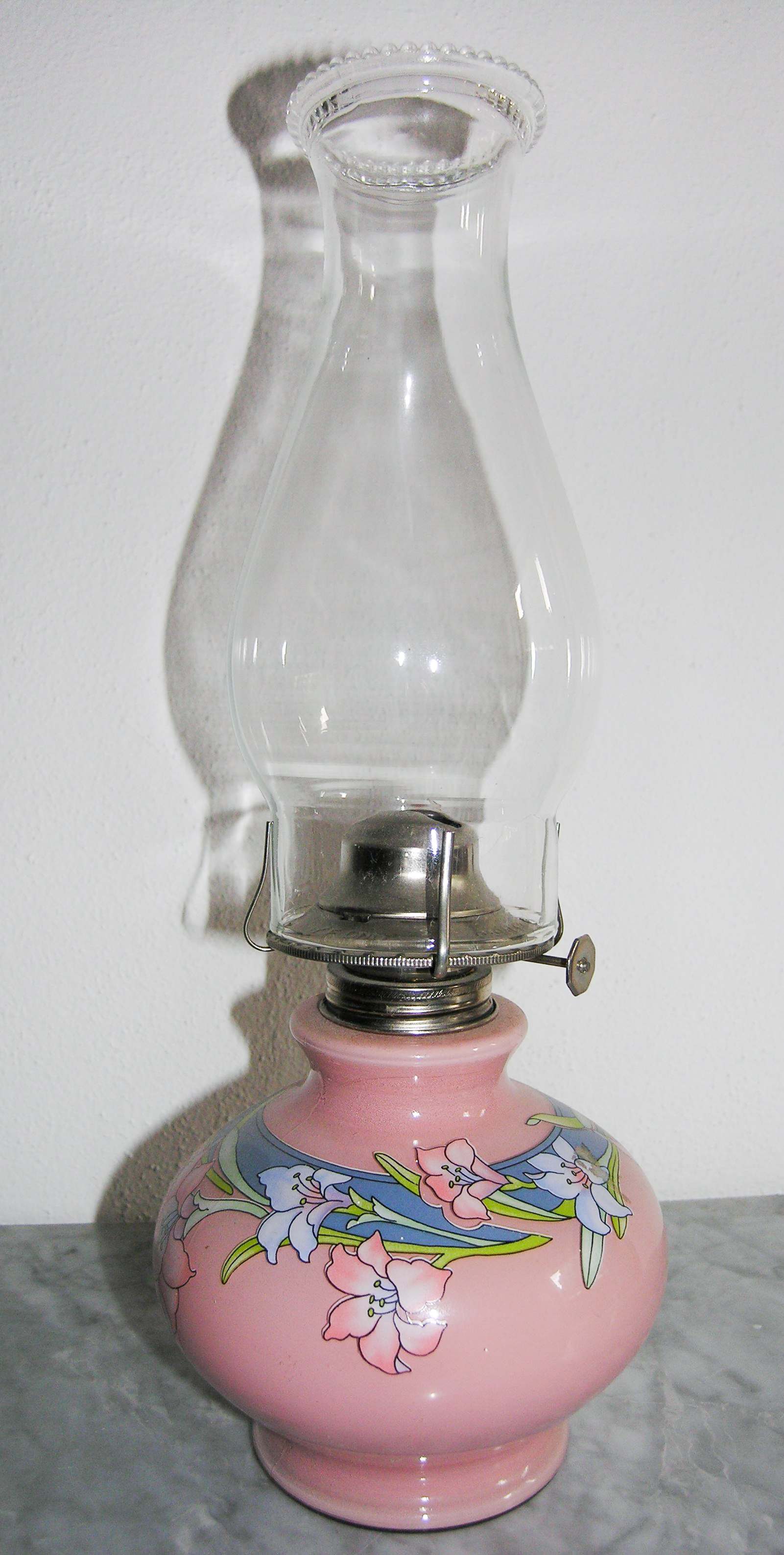
Traditional oil lamps are characterized by their classic designs and timeless charm. These lamps often feature a glass or metal base, a removable oil reservoir, and a chimney or shade for controlling the brightness of the light.
They evoke a sense of nostalgia and are perfect for adding a vintage touch to any space. Traditional oil lamps are often used for decorative purposes, but they can also provide a reliable light source during power outages or outdoor events.
3.2 Handheld Lanterns And Portable Lighting
Handheld lanterns and portable oil lamps are designed for convenience and mobility. These lamps are compact, lightweight, and easy to carry, making them ideal for camping trips, outdoor adventures, or emergency situations.
They are usually equipped with a handle or strap for easy transportation, and some models even have a built-in windproof feature. Handheld lanterns provide a bright and steady light, ensuring visibility in dark environments. They are a practical and reliable lighting option for those who value flexibility and portability.
3.3 Contemporary Designs And Decorative Options
In addition to traditional and portable oil lamps, there is also a wide selection of contemporary designs and decorative options available. These lamps blend modern aesthetics with the functionality of an oil lamp, creating an eye-catching and unique lighting solution.
From sleek and minimalist designs to intricate and artistic creations, contemporary oil lamps can be a statement piece in any room.
They come in various shapes, sizes, and materials, allowing you to find the perfect lamp that complements your personal style and enhances your home decor.
Whether you prefer the timeless elegance of traditional oil lamps, the practicality of handheld lanterns, or the modern allure of contemporary designs, there is an oil lamp that suits your needs and preferences.
Explore the different types and styles, and discover the beauty and versatility of oil lamps as a source of ambient lighting and decorative accent in your home.
4. Comparison: Oil Lamps Vs. Kerosene Lamps
When it comes to portable lighting, both oil lamps and kerosene lamps have been popular choices throughout history. These lamps have provided a reliable source of light for centuries, but how do they compare?
In this section, we will explore the differences between oil lamps and kerosene lamps in terms of fuel sources and efficiency, lighting performance and duration, as well as the advantages and disadvantages of each.
4.1 Fuel Sources And Efficiency
Oil lamps typically use vegetable oil, olive oil, or another type of plant-based oil as fuel. These oils are easily accessible and affordable, making them a convenient choice for many. On the other hand, kerosene lamps use kerosene as fuel.
Kerosene is a petroleum-based fuel that provides a brighter and more efficient flame compared to oil lamps.
4.2 Lighting Performance And Duration
In terms of lighting performance, kerosene lamps generally produce a brighter and more powerful flame than oil lamps. This makes them ideal for outdoor activities or situations where strong illumination is required. Kerosene lamps also tend to have a longer burn time, thanks to the higher energy content of kerosene fuel.
On the other hand, oil lamps may provide a softer and more atmospheric glow, creating a cozy ambiance.
4.3 Advantages And Disadvantages Of Each
| Oil Lamps | Kerosene Lamps |
|---|---|
|
|
|
|
5. Oil Lamp Shopping Guide: Factors To Consider
In need of a shopping guide for oil lamps? Look no further! Discover the important factors to consider when choosing an oil lamp and find the perfect one for your needs. Shop now for a wide selection of oil lamps and enhance your home’s ambiance.
5.1 Types Of Oil And Wick Compatibility
Choosing the right type of oil and wick compatibility is crucial when shopping for an oil lamp. Different oil lamps may require specific types of oil and wicks to function optimally.
It is essential to ensure that the oil you choose is compatible with the lamp you have or plan to purchase. Using the wrong type of oil or wick can result in poor performance, smoke, or even damage to the lamp.
5.2 Burner And Chimney Materials
The materials used for the burner and chimney of an oil lamp can greatly impact its durability and performance. When looking for an oil lamp, consider the materials used for the burner and chimney.
High-quality materials, such as brass or stainless steel, are often preferred for their durability and resistance to corrosion. These materials also help in providing a stable and regulated flame.
5.3 Price Range And Available Brands
When it comes to purchasing an oil lamp, it is important to consider the price range and the available brands. Oil lamps can range in price from budget-friendly options to high-end, decorative pieces. Determine your budget and explore the different price ranges available.
Additionally, familiarize yourself with reputable brands known for their quality oil lamps. Researching and reading reviews about different brands can provide insight into their reliability and customer satisfaction.
To help you compare different factors when shopping for an oil lamp, here is a handy table:
| Factors to Consider | Types of Oil and Wick Compatibility | Burner and Chimney Materials | Price Range and Available Brands |
|---|---|---|---|
| Importance | Crucial | Important | Important |
| Description | Ensure the oil and wick are compatible with the lamp | Consider materials that provide durability and stable flame | Evaluate price range and reputable brands |
By considering these factors during your oil lamp shopping journey, you can make an informed decision and choose an oil lamp that meets your needs and preferences.
Credit: en.wikipedia.org
Frequently Asked Questions For What Is A Oil Lamp
What Was The Purpose Of The Oil Lamp?
The purpose of the oil lamp is to provide continuous light using an oil-based fuel source. It has been used for thousands of years, although it is less common in modern times.
What Were Oil Lamps In The Olden Days?
An oil lamp is a lamp that uses oil as its fuel source to produce continuous light. It has been used for thousands of years, but is less common now.
How Did Biblical Oil Lamps Work?
Biblical oil lamps worked by using a pottery vessel or shell filled with olive oil and a linen wick. The flame was started by lighting the wick.
Are Oil Lamps Safe Indoors?
Oil lamps are safe indoors when used correctly. Use high-quality lamp oil without color or perfumes to prevent harmful smoke and particles. Make sure it is rated as indoor safe and use it in a well-ventilated area. Keep extinguishers nearby for safety.
Conclusion
An oil lamp is a timeless lighting device that has been used for centuries. It utilizes an oil-based fuel source to produce continuous light, making it a reliable and long-lasting option. Although less common in modern times, oil lamps hold significant historical and cultural significance.
It is important to handle them with care and use the highest quality, safest lamp oil to ensure indoor safety. Whether for practical or decorative purposes, oil lamps continue to be cherished by many.

I’m Emily Johnson, an affiliate marketer and blogger focused on lamps and lighting. I share honest reviews, simple buying guides, and practical tips. My goal is to help readers choose the right lamp for their space, style, and budget with confidence.