
Oil lamps have a timeless beauty and charm that can create a warm and inviting atmosphere in any space. If you’ve recently acquired an oil lamp or are considering adding one to your home decor, you may be wondering how to properly light and maintain it. In this blog post, we will provide step-by-step instructions on how to safely and efficiently light an oil lamp.
We’ll also offer tips on choosing the right type of oil for your lamp and how to clean and maintain it for optimal performance. So, if you’re ready to bring the cozy glow of an oil lamp into your home, keep reading for all the information you need to get started.
How to Light an Oil Lamp
- Prepare your oil lamp by filling the reservoir with lamp oil.
- Place the wick into the wick holder, ensuring it is properly positioned.
- Use a match or a lighter to ignite the wick.
- Adjust the flame by turning the knob or wheel on the lamp.
- Ensure proper ventilation to prevent the buildup of fumes.
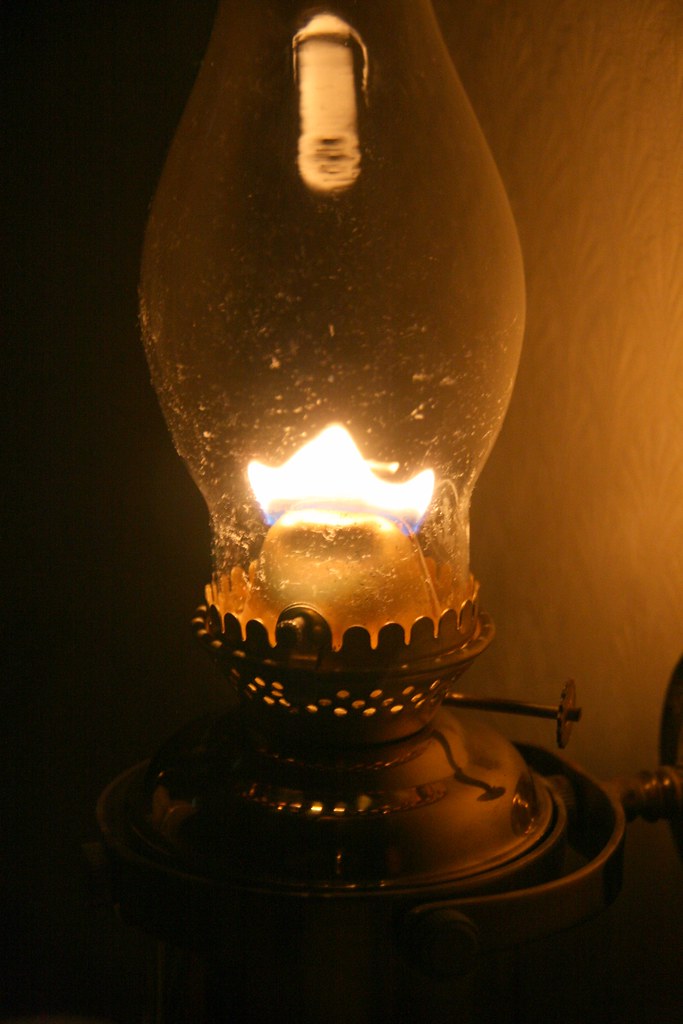
Source: staticflickr.com
Understanding the Components of an Oil Lamp
Before diving into the lighting process, it’s important to familiarize yourself with the various components of an oil lamp. The main parts include the reservoir, burner, wick, and chimney. The reservoir holds the oil, which is drawn up through the wick and burned by the flame produced by the burner. The chimney helps to draw air into the lamp, allowing for a steady and efficient burn.
Preparing the Oil Lamp for Lighting
Before lighting your oil lamp, it’s essential to ensure that it is clean and free from any debris or leftover oil. Start by carefully removing the chimney and burner from the lamp. Clean them thoroughly with warm soapy water, ensuring that all residue is removed. Once dry, reassemble the lamp, making sure all parts fit securely. Now, you’re ready to add oil to the reservoir.
Choosing the Right Oil for Your Lamp
Selecting the right oil is crucial for a successful oil lamp lighting experience. Avoid using any oil other than lamp oil or kerosene, as they have been specifically formulated for use in oil lamps. These oils burn cleaner and produce less smoke and odor compared to alternatives such as vegetable oil or motor oil. Additionally, lamp oil and kerosene have a higher flash point, making them safer to use.
When choosing lamp oil, consider the scent you prefer. Some oils are unscented, while others come in a variety of fragrances, such as lavender or citrus. Experiment with different scents to find the one that best suits your space and personal taste. Ensure that the oil you choose is specifically labeled for use in oil lamps.
How to Light an Oil Lamp? A Step-by-Step Lighting Guide
-
Place your oil lamp on a stable surface away from any flammable materials.
-
Remove the chimney and burner from the lamp.
-
Fill the reservoir with the chosen lamp oil, ensuring not to overfill.
-
Replace the burner and chimney, making sure they are securely attached.
-
Trim the wick to approximately 1/4 inch above the burner.
-
Using a long-reach lighter or match, carefully ignite the wick.
-
Allow the flame to burn for a few seconds, then adjust the wick height to control the intensity of the flame.
-
Enjoy the warm and inviting glow of your oil lamp.
Safety Tips When Using Oil Lamps
While oil lamps can create a beautiful atmosphere, it’s essential to prioritize safety when using them. Here are some important safety tips to keep in mind:
-
Never leave a burning oil lamp unattended.
-
Keep the lamp away from flammable materials, such as curtains or paper.
-
Place the lamp on a stable surface to prevent tipping.
-
Keep children and pets away from the lamp when it’s lit.
-
Store lamp oil in a cool, dry place away from direct sunlight.
-
Avoid overfilling the reservoir to prevent spills and accidents.
-
Always extinguish the flame before refilling the lamp.
Troubleshooting Common Issues with Oil Lamps
Despite their simplicity, oil lamps can sometimes encounter issues. Here are some common problems and their solutions:
-
Dim Flame: Check if the wick needs trimming or replacing. Adjust the wick height to increase the flame’s intensity.
-
Excessive Smoke: Ensure that the chimney is clean and free from soot. Trim the wick if necessary.
-
Flickering Flame: This may be caused by a draft. Move the lamp to a less windy location or use a draft shield.
-
Difficulty Lighting the Wick: If the wick is dry, it may take longer to light. Allow the oil to soak into the wick for a few minutes before attempting to light it.
Cleaning and Maintaining Your Oil Lamp
Regular cleaning and maintenance are essential to keep your oil lamp in optimal condition. Follow these steps to clean your lamp:
-
Disassemble the lamp by removing the chimney and burner.
-
Clean all parts with warm soapy water, ensuring to remove any residue or soot.
-
Dry the parts thoroughly before reassembling the lamp.
-
Trim the wick regularly to prevent excessive smoking and ensure a clean burn.
-
Store the lamp in a dust-free area when not in use.
Alternative Lighting Options for Different Spaces
While oil lamps offer a unique and charming lighting option, it’s worth exploring alternative options for different spaces. Consider the following alternatives:
-
Candles: Candles provide a similar warm glow and come in various sizes and scents.
-
LED Flameless Candles: These mimic the look of a real flame without the fire hazard.
-
Solar-Powered Lights: Ideal for outdoor spaces, these lights harness the power of the sun to provide illumination.
Frequently Asked Questions
Here are some commonly asked questions about how to light an oil lamp:
What type of oil should I use to light an oil lamp?
When lighting an oil lamp, it is recommended to use lamp oil or kerosene. These fuels are specifically designed for oil lamps and provide a clean and efficient burn. Avoid using gasoline or other flammable liquids as they can be dangerous and produce excessive smoke or odor.
It is important to check the label on the oil container to ensure it is suitable for oil lamps. Using the correct type of oil will not only enhance the performance of your lamp but also prolong its lifespan.
How do I prepare the oil lamp for lighting?
Before lighting an oil lamp, ensure that the wick is properly trimmed. Trim the wick to approximately 1/4 inch in length, removing any charred or uneven portions. This will promote a clean and even flame. Additionally, make sure the oil reservoir is filled to the appropriate level, leaving enough space for the expansion of the oil as it heats up.
It is also a good practice to clean the lamp regularly to remove any soot or residue that may accumulate. This can be done by wiping the exterior with a soft cloth and using a small brush to clean the wick holder. Keeping the lamp clean will help maintain its efficiency and prevent any blockages in the wick.
How do I safely light an oil lamp?
To safely light an oil lamp, start by placing it on a stable, non-flammable surface away from any flammable materials or drafts. Ensure that the lamp is well-balanced and cannot be easily tipped over. Open the oil reservoir and soak the wick in the oil for a few minutes to allow it to saturate.
Using a long-reach lighter or a match, carefully ignite the tip of the wick. Avoid touching the flame to prevent burns. Once the wick is lit, adjust the flame height by raising or lowering the wick using the lamp’s mechanism. It is important to keep an eye on the lit lamp and never leave it unattended.
How do I extinguish an oil lamp?
When it comes to extinguishing an oil lamp, it is important to follow proper safety precautions. First, lower the flame by turning the wick down, reducing the amount of fuel being burned. Allow the flame to burn out naturally and never blow it out, as this can cause hot embers or sparks to fly.
Once the flame is extinguished, let the lamp cool down for a few minutes before handling it. Avoid touching the glass chimney or any other hot surfaces. If necessary, use a snuffer or a non-flammable object to gently press the wick into the oil to fully extinguish it. Always remember to store the lamp safely and away from any flammable materials after use.
How do I maintain an oil lamp?
Regular maintenance is key to keeping your oil lamp in optimal condition. Clean the lamp thoroughly by removing any soot, dust, or residue that may accumulate on the glass chimney, the oil reservoir, or the wick holder. Use a soft cloth and a small brush to carefully wipe and brush away any debris.
Additionally, trim the wick regularly to ensure a clean and efficient burn. Trim off any charred portions and adjust the wick height as needed. If the wick becomes too short or worn out, replace it with a new one. Lastly, check the oil reservoir and refill it as needed, ensuring that the oil level is never completely depleted to avoid damage to the wick or the lamp itself.

Source: staticflickr.com
Final Words:
In conclusion, mastering the art of lighting an oil lamp is not only a practical skill but also a delightful journey that connects us to a time-honored tradition. By following the simple steps and precautions outlined in this guide, you can bring warmth and charm to any space with the flicker of a flame.
Remember, patience and practice are key to achieving a steady and reliable light source. So, whether you are seeking a nostalgic ambiance or a reliable backup during power outages, lighting an oil lamp can be a rewarding and fulfilling experience.
As you embark on your journey with oil lamps, take a moment to appreciate the simplicity and beauty of this ancient lighting method. The soft glow of an oil lamp can create a cozy and intimate atmosphere, transporting us to a bygone era. So, why not embrace the tranquility and elegance of lighting an oil lamp?
Allow yourself to be captivated by the gentle dance of the flame and the comforting aroma of burning oil. With a little practice and dedication, you can master the art of lighting an oil lamp and enjoy its timeless charm for years to come.

I’m Emily Johnson, an affiliate marketer and blogger focused on lamps and lighting. I share honest reviews, simple buying guides, and practical tips. My goal is to help readers choose the right lamp for their space, style, and budget with confidence.