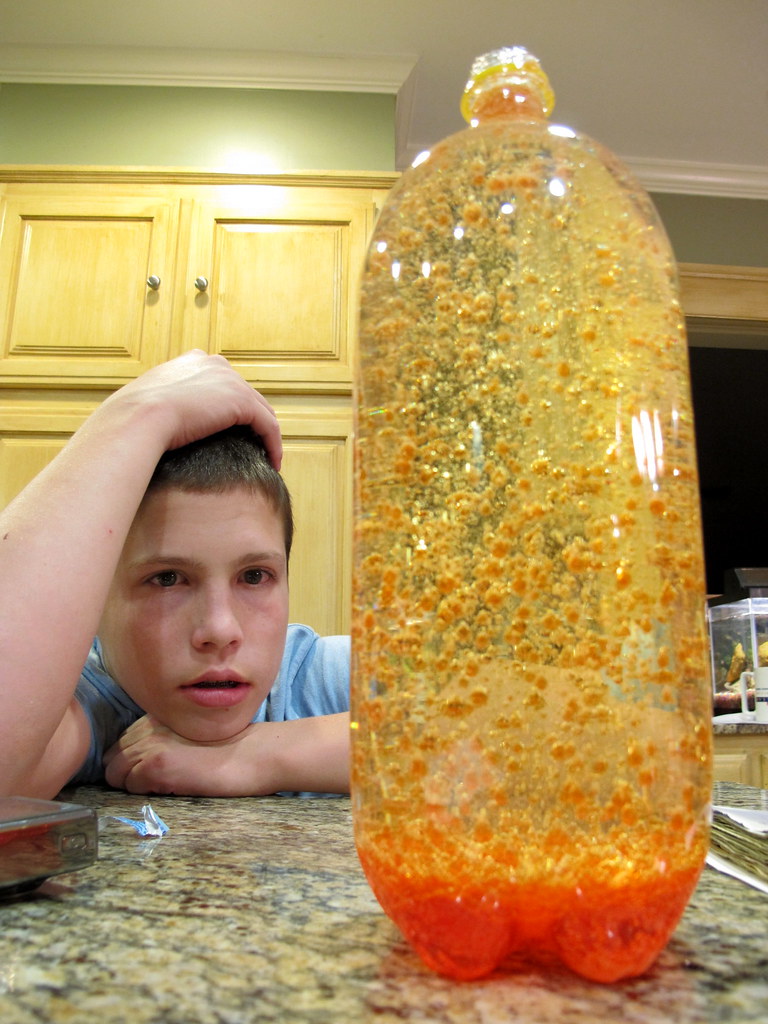
Are you ready to embark on a mesmerizing journey of creating your very own lava lamp? Look no further! In this guide, we will unveil the secrets behind crafting a lava lamp using just oil and water. Brace yourself for a captivating experiment that will not only ignite your curiosity but also leave you in awe of the mesmerizing patterns and colors that come to life before your very eyes.
Imagine the thrill of witnessing vibrant blobs of lava-like liquid gracefully dance and swirl within a glass container, creating a captivating display of colors and movement.
This timeless and iconic invention has fascinated generations, and now, you have the opportunity to become the mastermind behind your own unique lava lamp creation. With a few simple ingredients and a dash of creativity, you’ll be able to bring this captivating piece of retro décor to life in the comfort of your own home.
Get ready to uncover the mesmerizing science behind the interaction of oil and water, as you embark on a journey to create a lava lamp that will leave your friends and family in awe.
How to Make a Lava Lamp with Oil and Water:
- Fill a clear bottle about three-quarters full with water.
- Add a few drops of food coloring to the water.
- Pour vegetable oil into the bottle, leaving some space at the top.
- Add an effervescent tablet or Alka-Seltzer to the mixture.
- Watch as the oil and water separate, creating a mesmerizing lava lamp effect.

Source: staticflickr.com
How to Make a Lava Lamp with Oil and Water
In this step-by-step guide, we will show you how to create your very own lava lamp using simple ingredients like oil and water. This fun and mesmerizing project is perfect for science experiments or just as a cool decorative piece for your home. Follow along as we walk you through the process of creating your own lava lamp.
Materials Needed:
Before we begin, gather the following materials:
- A clear glass bottle or jar
- Vegetable oil
- Water
- Food coloring
- An effervescent tablet (such as Alka-Seltzer)
- A flashlight (optional)
Step 1: Filling the Bottle
Start by filling the clear glass bottle or jar about three-fourths full with vegetable oil. Make sure to leave some space at the top for the water and bubbling effect. The oil will be the base of your lava lamp.
Next, slowly pour water into the bottle, stopping about an inch from the top. The water will sink to the bottom of the bottle due to its higher density compared to the oil. Allow the oil and water to settle and separate completely.
Step 2: Adding Color
To give your lava lamp that vibrant and mesmerizing effect, it’s time to add some color. Choose your desired food coloring and carefully drop a few drops into the bottle. Start with just a few drops, as you can always add more later if needed. Watch as the food coloring sinks through the water and settles at the bottom.
Feel free to experiment with different colors or even create a gradient effect by using multiple colors in the same bottle. Remember, the more drops you add, the more intense the color will be.
Step 3: Creating the Lava Effect
Now comes the fun part! Break an effervescent tablet, such as Alka-Seltzer, into a few small pieces. Drop one piece at a time into the bottle and watch as it reacts with the water and oil.
The effervescent tablet will create carbon dioxide bubbles that rise through the oil, carrying droplets of colored water with them. This creates the mesmerizing lava lamp effect. You can control the speed of the bubbling by adding more or fewer tablet pieces.
Step 4: Enjoying Your Lava Lamp
Once you’re satisfied with the bubbling effect, you can turn off the lights and use a flashlight to enhance the visual experience. Shine the flashlight underneath the bottle, and watch as the colorful blobs move and dance within the oil.
Remember, the lava lamp effect is temporary and will eventually settle. If you want to restart the bubbling, simply add another piece of the effervescent tablet.
Step 5: Safety Precautions
While this project is safe and fun, it’s essential to take a few precautions. Avoid ingesting any of the materials, and keep the lava lamp out of reach of young children or pets. Additionally, always handle the glass bottle with care to prevent any accidents or breakage.
Now that you know how to make a lava lamp with oil and water, unleash your creativity and enjoy the mesmerizing effects of your homemade lava lamp!
Frequently Asked Questions
Here are some commonly asked questions about how to make a lava lamp with oil and water.
What materials do I need to make a lava lamp with oil and water?
To make a lava lamp with oil and water, you will need the following materials:
– A clear container, such as a glass or plastic bottle
– Water
– Vegetable oil
– Food coloring
– Alka-Seltzer tablets
– A flashlight (optional, for added effect)
How do I assemble the lava lamp?
To assemble the lava lamp, follow these steps:
1. Fill the clear container about three-quarters full with vegetable oil.
2. Fill the remaining quarter of the container with water, leaving a small gap at the top.
3. Add a few drops of food coloring to the mixture, choosing a color you like.
4. Break an Alka-Seltzer tablet into smaller pieces and drop them into the container.
5. Turn off the lights and use a flashlight to shine light through the bottom of the container for a more vibrant effect.
Why does the lava lamp work?
The lava lamp works based on the principle of density. Oil and water do not mix because oil is less dense than water. When you add the Alka-Seltzer tablet, it creates carbon dioxide gas bubbles that attach to the colored water.
These bubbles rise to the top of the container, carrying the colored water with them. When the bubbles reach the top, they pop, and the colored water sinks back down due to its higher density. This continuous rise and fall of the colored water creates the mesmerizing lava lamp effect.
Can I reuse the lava lamp mixture?
Yes, you can reuse the lava lamp mixture. After the bubbles have settled and the mixture has become still, you can carefully pour out the oil and water back into their respective containers. You can then add a new Alka-Seltzer tablet when you want to use the lava lamp again.
However, over time, the mixture may become cloudy or the colors may fade, so you may need to replace the oil, water, and food coloring if desired.
Is the lava lamp safe for children?
The lava lamp experiment is generally safe for children, but adult supervision is recommended. The oil and water mixture can be messy if spilled, so it’s important to conduct the experiment in a controlled area.
Additionally, the Alka-Seltzer tablets should be handled with care and kept out of reach of young children, as they can be harmful if ingested. Ensure that children do not drink or touch the mixture and wash hands thoroughly after handling the materials.

Source: staticflickr.com
Final Words:
In conclusion, creating a lava lamp with oil and water is not only a fun and engaging activity, but it also provides a wonderful opportunity to explore the fascinating world of science. By understanding the principles of density and polarity, we can witness the mesmerizing dance of colored blobs, reminiscent of the fiery lava in a volcano.
This hands-on experiment not only sparks curiosity but also encourages creativity as we experiment with different color combinations and techniques to create unique lava lamp designs.
Moreover, making a lava lamp with oil and water allows us to delve into the realm of sustainability. By using common household materials and reusing them in a creative way, we contribute to reducing waste and promoting eco-friendly practices. This activity serves as a reminder that science does not always have to be confined to the classroom; it can be experienced and enjoyed in the comfort of our own homes.
So, why not gather your materials and embark on this exciting journey of creating your very own lava lamp? Let the colorful blobs of liquid transport you to a world where science and creativity collide!

I’m Emily Johnson, an affiliate marketer and blogger focused on lamps and lighting. I share honest reviews, simple buying guides, and practical tips. My goal is to help readers choose the right lamp for their space, style, and budget with confidence.