
Have you ever wondered what life was like in ancient times? How did people light their homes before electricity? One answer lies in the ancient oil lamp. These simple yet ingenious devices were used to provide light and warmth in households thousands of years ago. In this blog post, we’ll take a step back in time and explore how to use an ancient oil lamp.
From choosing the right fuel to lighting techniques, we’ll guide you through the process of experiencing a piece of history firsthand. So grab your imagination and get ready for an enlightening journey into the past!
History of Ancient Oil Lamps
The history of ancient oil lamps can be traced back to the Neolithic period, around 10,000 B.C. The earliest lamps were simple vessels made from clay or stone, filled with animal fat or vegetable oil that served as fuel.
As civilizations advanced, so did the design and craftsmanship of these lamps. The ancient Greeks, for example, introduced the concept of the wick, which improved the lamp’s efficiency and made it easier to control the flame.
During the Roman era, oil lamps reached their peak in terms of both functionality and aesthetics. They were made from a variety of materials, including bronze, terracotta, and even precious metals like silver and gold.
These lamps were often adorned with intricate engravings, depicting scenes from mythology or everyday life. The Romans also introduced the use of glass lamps, which allowed for a more controlled and focused light.
Why use an Ancient Oil Lamp?
In today’s modern world, with electricity readily available, one might wonder why anyone would choose to use an ancient oil lamp. The truth is, there are several compelling reasons to do so. Firstly, the warm and soft glow emitted by an oil lamp creates a cozy and intimate ambiance that cannot be replicated by electric lights.
Whether you’re looking to set the mood for a romantic dinner or create a peaceful atmosphere for relaxation, an ancient oil lamp can provide the perfect lighting.
Secondly, using an ancient oil lamp allows us to connect with our past and appreciate the ingenuity of our ancestors. These lamps were essential tools for daily life in ancient times, and by using them today, we can gain a deeper understanding of our history and culture.
Finally, there is a certain elegance and charm to using an ancient oil lamp. The flickering flame and the gentle scent of burning oil add a touch of sophistication to any setting, making it a unique conversation piece and a beautiful addition to your home decor.
The Art and Science of Operating an Ancient Oil Lamp
Operating an ancient oil lamp effectively requires a delicate balance of art and science. Understanding the mechanics of the lamp and the properties of the fuel are crucial for achieving optimal performance.
Firstly, it is important to choose the right type of fuel for your lamp. Traditionally, olive oil was the preferred choice due to its clean-burning properties and pleasant aroma. However, other oils such as vegetable oil or lamp oil can also be used.
Once you have chosen the fuel, it is time to prepare the lamp for lighting. Start by cleaning the lamp and removing any residue or debris. Next, insert the wick into the designated slot, ensuring that it is properly positioned and will be in contact with the fuel.
It is recommended to use a cotton wick, as it provides a steady and even flame. Before lighting the lamp, trim the wick to a suitable length, leaving about half an inch exposed.
To light the lamp, carefully apply a flame to the exposed end of the wick, allowing it to catch fire. Once the flame is established, adjust the wick height to control the intensity of the light. Lowering the wick will dim the flame, while raising it will make it brighter.
It is important to monitor the lamp while it is burning and ensure that the flame remains steady and the fuel level is sufficient. Remember to extinguish the flame by blowing it out gently or using a snuffer before leaving the lamp unattended.
How to Use an Ancient Oil Lamp Effectively
Using an ancient oil lamp can be a fascinating experience that takes you back in time. These lamps were used in ancient civilizations for both practical and decorative purposes. If you have recently acquired an ancient oil lamp or are simply curious about how they were used, this guide will provide you with step-by-step instructions on how to use one. By following these instructions, you can safely and effectively use an ancient oil lamp to create a warm and cozy ambiance in your home.
Step 1: Preparing the Oil Lamp
Before using an ancient oil lamp, it is essential to ensure that it is clean and in good working condition. Start by carefully examining the lamp for any cracks or damage.
If you notice any significant damage, it is best to consult a professional before attempting to use the lamp. Once you have determined that the lamp is safe to use, remove any dust or debris by gently wiping it with a soft cloth.
Next, unscrew the lid or remove the cap to access the oil reservoir. Fill the reservoir with a high-quality lamp oil, making sure not to overfill it. Finally, securely replace the lid or cap to ensure a proper seal.
Step 2: Lighting the Oil Lamp
Now that your ancient oil lamp is prepared, it’s time to light it. Find a safe and stable surface to place the lamp on, away from any flammable materials. Keep in mind that ancient oil lamps can get hot, so it is important to choose a location where it won’t accidentally be knocked over. Once the lamp is in a suitable position, use a long match or a long-reach lighter to ignite the wick.
Carefully hold the flame to the wick until it catches fire. Be cautious during this process, as the flame can be unpredictable. Once the wick is lit, you can adjust the brightness by trimming it to your desired length.
Step 3: Extinguishing and Maintaining the Oil Lamp
When you are ready to extinguish the ancient oil lamp, simply blow out the flame or use a snuffer if one is available. Make sure the flame is fully extinguished before leaving the lamp unattended.
To keep your lamp in good condition, it is important to clean it regularly. After each use, allow the lamp to cool down completely before handling it. Once cooled, remove any leftover oil and residue from the reservoir using a cotton swab or a soft cloth.
This will help prevent any buildup that could affect the lamp’s performance. Additionally, check the condition of the wick regularly and replace it if it becomes worn or damaged.
Step 4: Enjoying the Ancient Oil Lamp
Using an ancient oil lamp can provide a unique and nostalgic ambiance to any space. Whether you are using it for a special occasion or as a regular part of your home decor, take the time to appreciate the beauty and history behind this ancient artifact.
Light your ancient oil lamp in the evening, dim the lights, and allow its soft glow to create a tranquil atmosphere. Remember to always supervise the lamp while it is lit and never leave it unattended. By following these steps, you can safely and effectively use an ancient oil lamp and enjoy its timeless charm.
Types of Ancient Oil Lamps
Ancient oil lamps come in a variety of shapes and designs, each with its own unique charm. Let’s take a closer look at some of the most popular types:
1. The Clay Lamp: As one of the oldest forms of oil lamps, clay lamps have been used for centuries across different cultures. These lamps are typically handmade and feature intricate patterns or carvings on their surfaces.
2. The Terra Cotta Lamp: Made from fired clay, terra cotta lamps were commonly used in ancient Greece and Rome. They often had a round body with spouts for multiple wicks, allowing for brighter light.
3. The Bronze Lamp: Known for their durability and elegance, bronze oil lamps were favored by wealthier individuals in ancient times. They were often adorned with intricate engravings or decorative handles.
4. The Glass Lamp: Glassblowing techniques allowed for the creation of delicate and ornate glass oil lamps that emitted a soft glow when lit. These lamps were especially popular during the Roman period.
5. The Alabaster Lamp: Crafted from translucent alabaster stone, these lamps radiated a warm, inviting light that added an enchanting ambiance to any space.
Each type of lamp brings its own unique beauty to any setting, whether it be as part of historical reenactments or as eye-catching decor pieces in modern homes today

Image Source: FreeImages
Creative Uses for Modern Day Decor
Ancient oil lamps may have originated in a different era, but they can still find a place in modern day decor. These unique artifacts can add a touch of nostalgia and elegance to any room. Here are some creative ways you can incorporate ancient oil lamps into your home decor.
1. Table Centerpieces:
Transform your dining table or coffee table into a captivating display by placing an ancient oil lamp as the centerpiece. Its graceful curves and warm glow will instantly create an inviting atmosphere.
2. Wall Decor:
Hang multiple oil lamps on a wall to create an eye-catching arrangement. This not only adds visual interest but also serves as functional lighting for the space.
3. Outdoor Lighting:
Take advantage of the durability of ancient oil lamps and use them to illuminate your outdoor areas such as patios or gardens during gatherings or intimate evenings under the stars.
4. Bookends:
Add a touch of antiquity to your bookshelf by using small-sized ancient oil lamps as decorative bookends. They will keep your books upright while adding character to the shelf.
5. Candle Holders:
Convert an ancient oil lamp into a candle holder by simply replacing the wick with a taper candle or tealight. This allows you to enjoy both the historic charm and soft, flickering light at once.
6. Rustic Vignettes:
Create rustic vignettes throughout your home by incorporating ancient oil lamps alongside other vintage items like old books, maps, and aged photographs.
7. Conversation Starters:
Displaying these intriguing relics in prominent places within your home is bound to spark conversations with guests about history and culture!
Remember that creativity knows no bounds when it comes to integrating these timeless pieces into modern day decor! So go ahead and let your imagination run wild as you find new ways to showcase these beautiful pieces from our past.
Safety Measures When Using an Ancient Oil Lamp
While ancient oil lamps can provide a unique and enchanting lighting experience, it is important to prioritize safety when using them. Here are some essential safety measures to keep in mind:
- Always place the lamp on a stable and non-flammable surface to prevent accidental tipping.
- Keep the lamp away from flammable materials such as curtains, papers, or fabrics.
- Never leave the lamp unattended while it is burning.
- Keep children and pets away from the lamp to prevent accidents.
- Use a snuffer or blow gently to extinguish the flame, avoiding the use of water.
- Allow the lamp to cool down completely before handling or refilling.
- Store the lamp and fuel in a cool and dry place, away from direct sunlight or heat sources.
- Follow the manufacturer’s instructions and recommendations for safe use.
By following these safety measures, you can enjoy the beauty of an ancient oil lamp while ensuring the well-being of yourself and your surroundings.
Where to Purchase Authentic Ancient Oil Lamps
If you are interested in owning an authentic ancient oil lamp, there are several reputable sources where you can find them. Antique stores, auction houses, and online marketplaces specializing in antiquities are good places to start your search. It is important to do thorough research and seek expert advice to ensure the authenticity and quality of the lamp.
When purchasing an ancient oil lamp, consider the style, material, and condition of the lamp. Look for lamps that are well-preserved and free from major damage or restoration. It is also advisable to inquire about the lamp’s provenance and history, as this adds to its value and authenticity.
Remember that acquiring an ancient oil lamp is not just about owning a piece of history, but also about appreciating and preserving our cultural heritage. Treat your lamp with care and respect, and it will continue to illuminate your life for generations to come.
Frequently Asked Questions
Here are some common questions about how to use an ancient oil lamp:
How do I fill an ancient oil lamp with oil?
To fill an ancient oil lamp with oil, first, ensure that the lamp is clean and free from any debris. Then, unscrew or remove the lid or cap of the lamp’s reservoir. Using a small funnel or a steady hand, slowly pour the oil into the reservoir, being careful not to overfill it.
It is important to use the correct type of oil, such as olive oil or lamp oil, which burns cleanly without producing excessive smoke or odor. Once the lamp is filled, replace the lid or cap securely before lighting it.
It is recommended to fill the lamp with enough oil to last for the desired duration of use, but not to the point of overflowing. Regularly check the oil level during use and refill the lamp as needed to ensure a steady and uninterrupted light source.
How do I light an ancient oil lamp?
To light an ancient oil lamp, start by ensuring that the wick is properly positioned in the wick holder or nozzle. Trim the wick to a suitable length, usually no more than half an inch, to prevent excessive smoke and soot.
Next, carefully soak the wick in the oil by holding it against the side of the reservoir or dipping it into the oil for a few moments. Once the wick is saturated, place it back in the wick holder or nozzle.
Using a long matchstick or a lighter, ignite the tip of the wick. As the flame catches, adjust the height of the wick to control the size and intensity of the flame. Be cautious when handling the lit lamp, as the reservoir and the metal parts may become hot during use.
How do I extinguish an ancient oil lamp?
To safely extinguish an ancient oil lamp, carefully use a snuffer or a designated tool to cover the flame and cut off the oxygen supply. This will cause the flame to go out.
Avoid blowing on the flame or attempting to smother it with your hand, as this can lead to accidents or burns. Once the flame is extinguished, allow the lamp to cool down before handling it or refilling it with oil.
It is important to note that ancient oil lamps should always be placed on a stable and fire-resistant surface while in use to prevent accidental fires or damage to surrounding objects.
How do I clean an ancient oil lamp?
To clean an ancient oil lamp, start by removing any remaining oil from the reservoir. Use a clean cloth or paper towel to wipe away the excess oil. For more thorough cleaning, mix a mild detergent with warm water and use a soft brush or cloth to gently scrub the inside and outside of the lamp, including the reservoir, wick holder, and nozzle. Rinse the lamp with clean water to remove any residue from the detergent.
Allow the lamp to air dry completely before refilling it with oil or storing it. Avoid using abrasive materials or harsh chemicals, as they can damage the lamp’s surface or remove any patina that has developed over time, which may decrease its historical value.
Can I use an ancient oil lamp for decoration purposes only?
Absolutely! Ancient oil lamps make beautiful decorative pieces and can add a touch of history and charm to any space. However, if you wish to use the lamp for its original purpose of providing light, it is important to ensure that it is in good working condition and that you follow the proper safety precautions.
Regularly inspect the lamp for any signs of damage or deterioration before use, and always place it on a stable and fire-resistant surface away from flammable materials.
Whether used as a decorative item or for functional purposes, ancient oil lamps should be handled with care and displayed in a way that highlights their beauty and historical significance.
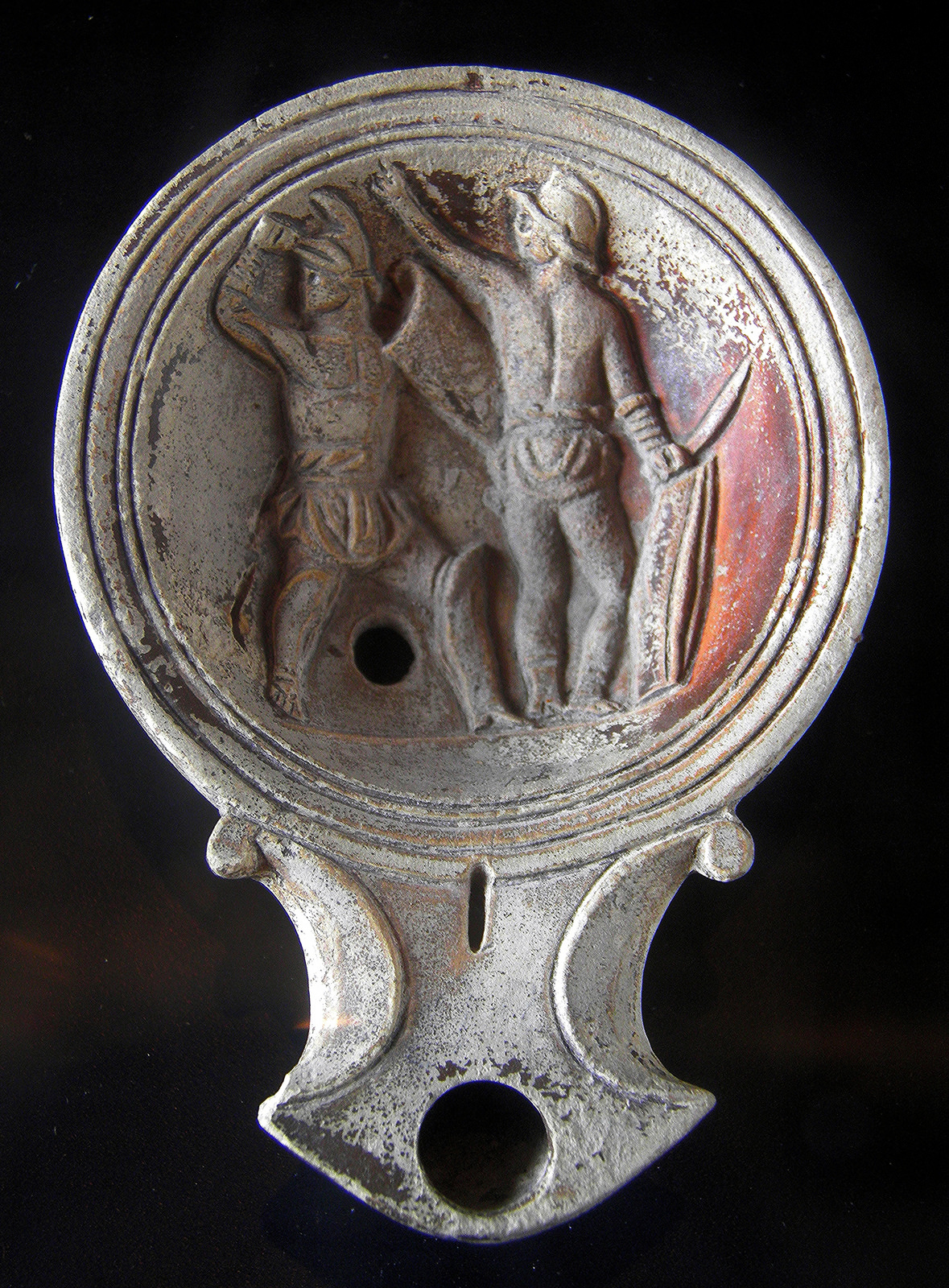
Source: worldhistory.org
Final Words:
In conclusion, learning how to use an ancient oil lamp can be an enlightening experience that connects us to our past and offers a glimpse into the lives of those who came before us. By understanding the intricate process of lighting and maintaining these lamps, we can appreciate the ingenuity and resourcefulness of our ancestors. Moreover, incorporating the use of an ancient oil lamp into our modern lives can bring a touch of nostalgia and a sense of grounding, reminding us of the simplicity and beauty that can be found in the most basic of tools.
As we delve into the art of using an ancient oil lamp, we are also reminded of the value of slowing down and being present in the moment. In a world driven by technology and instant gratification, taking the time to light an oil lamp and watch its warm glow can be a meditative experience, encouraging mindfulness and tranquility. Additionally, by embracing the use of an ancient oil lamp, we become part of a larger narrative, honoring the traditions and customs of past civilizations, and preserving their legacy for future generations.
In conclusion, the knowledge and practice of using an ancient oil lamp not only provide us with practical skills but also offer a deeper understanding and appreciation of our shared human history. By embracing this ancient tool, we can tap into a sense of connection, mindfulness, and tradition that can enrich our lives in profound ways. So, let us embark on this journey of rediscovery, and may the flickering flame of the oil lamp guide us towards a greater appreciation of our past and a more meaningful present.

I’m Emily Johnson, an affiliate marketer and blogger focused on lamps and lighting. I share honest reviews, simple buying guides, and practical tips. My goal is to help readers choose the right lamp for their space, style, and budget with confidence.