
A lamp is a device that produces illumination using a wick soaked in combustible material or other light-producing instruments such as gas and electric lamps. It provides artificial light and is widely used for various lighting purposes.
Originally consisting of a vessel, a lamp now refers to a light fixture or luminaire containing an electric lamp that emits light when electricity is supplied. Lamps come in different types, including ultraviolet lamps, safety lamps, cruse lamps, and electric discharge lamps.
They are essential in homes, offices, and public spaces, serving both functional and decorative purposes. With the advancement of technology, lamps have evolved to include LED lamps and smart lighting systems, offering energy efficiency and innovative features.
Understanding The Concept Of A Lamp
A lamp is a device that produces illumination, typically containing a light bulb or other light-producing instruments. It has evolved from a vessel with a wick soaked in combustible material to modern gas and electric lamps.
Definition And Purpose Of A Lamp
A lamp, in its simplest form, is a device that produces illumination. It is typically made up of a container that holds a wick soaked in combustible material, along with other light-producing instruments such as gas or electric lamps. The purpose of a lamp is to provide artificial light in various settings and fulfill the need for visibility in the absence of natural light sources.
Evolution Of Lamp Technology
Lamps have come a long way from their humble beginnings. In ancient times, lamps were primarily fueled by oil or gas. They were designed to be portable and versatile, lighting up homes, streets, and even caves. As technology advanced, the invention of the electric lamp revolutionized the way we illuminate our surroundings. With the advent of electricity, lamps became more efficient, reliable, and safer to use.
Today, the market is flooded with an array of lamp options, including incandescent, fluorescent, LED, and halogen lamps. Each type has its advantages and specific applications, catering to diverse lighting needs in residential, commercial, and industrial settings.
Importance Of Lamps In Everyday Life
Lamps play a crucial role in our everyday lives, contributing to our comfort, convenience, and safety. Let’s explore why lamps are indispensable in our modern society:
- Enhancing visibility: Lamps are essential for achieving adequate illumination in our homes, workplaces, and public spaces. They allow us to see clearly and carry out our activities with ease, be it reading, cooking, or working.
- Creating ambiance: Lamps have the power to transform the atmosphere and set the mood in any room. Whether it’s a warm and cozy glow from a table lamp or a soft, diffuse light from pendant lamps, the right lighting can enhance the aesthetics and make a space more inviting.
- Improving safety and security: Well-placed lamps ensure that we can navigate our surroundings safely, preventing accidents and hazards. Outdoor lamps, for instance, help illuminate pathways, driveways, and entrances, reducing the risk of tripping or falling.
- Energy-efficient lighting: With the rise of energy-efficient lamps, such as LED bulbs, we can reduce our carbon footprint and lower our electricity bills. These lamps consume significantly less energy compared to traditional incandescent lamps, making them an environmentally friendly lighting solution.
Overall, lamps are more than just sources of light; they are essential tools that enable us to lead comfortable and productive lives.
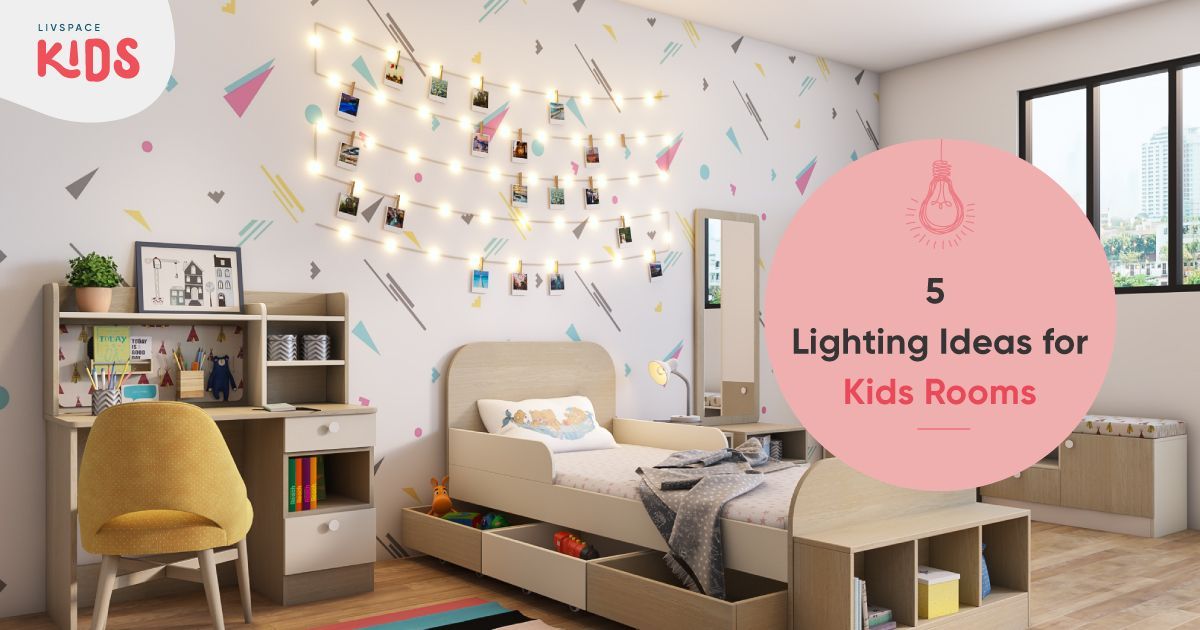
Credit: www.livspace.com
Different Types Of Lamps
When it comes to lighting, lamps play a crucial role in brightening up our spaces. From traditional to modern, there is a wide range of lamp types available today. Each type brings its unique design, functionality, and benefits. In this article, we will explore the different types of lamps and their distinctive features. Let’s dive in!
Traditional Lamps: A Historical Perspective
Traditional lamps have a rich historical significance, dating back centuries. These lamps were often made of materials like clay, metal, or glass and used various techniques for illumination. Oil lamps, for example, were a common form of lighting before the advent of modern lighting systems. These lamps used a wick soaked in combustible material, such as oil, to produce light. They were widely used in ancient civilizations and continue to be admired for their vintage charm.
Incandescent Lamps: How Do They Work?
Incandescent lamps are a type of electric lamp that works on the principle of incandescence. These lamps consist of a wire filament that glows when an electric current passes through it. The filament is usually made of tungsten, which has a high melting point, allowing it to emit a bright, warm, and steady light. Incandescent lamps were widely used for general lighting until more energy-efficient options became available.
Fluorescent Lamps: Efficiency And Applications
Fluorescent lamps are known for their energy efficiency and long lifespan. These lamps utilize the principle of fluorescence to produce light. Inside the lamp, an electric current excites mercury vapor, which then emits ultraviolet light. The ultraviolet light is absorbed by a phosphor coating on the lamp’s inner surface, causing it to fluoresce and emit visible light. Fluorescent lamps are commonly used in commercial and residential settings where efficient lighting is desired.
Led Lamps: The Future Of Lighting
LED (Light Emitting Diode) lamps are quickly becoming the preferred choice for lighting due to their exceptional energy efficiency, long lifespan, and versatility. These lamps use semiconductors to convert electrical energy into light. LED lamps consume significantly less energy than traditional lamps, making them environmentally friendly and cost-effective. They are also known for their durability and can be found in a variety of applications, from residential lighting to automotive and industrial settings.
Specialty Lamps: Exploring Unique Designs And Functions
Specialty lamps encompass a wide range of unique designs and functions that cater to specific lighting needs. From decorative lamps to task-oriented lamps, these variants offer customized lighting solutions. Some specialty lamps include salt lamps, lava lamps, touch lamps, and smart lamps with built-in technology features. These lamps not only provide illumination but also add aesthetics and functionality to any space.
Components Of A Lamp
A lamp is a device that produces illumination using a light source, such as a bulb, and is commonly used for lighting purposes. It can be powered by various means, including gas, electricity, or oil. Lamp technology has evolved over time, with electric lamps being invented in the late 19th century.
Lamp Bulbs: Types And Characteristics
Lamp Shades: Aesthetics And Light Diffusion
Lamp Bases: Stability And Design Considerations
Lamp Cords And Switches: Electrical Safety And Convenience
Lamp Accessories: Enhancing Functionality And Style
Factors To Consider When Choosing A Lamp
When it comes to choosing the perfect lamp for your space, there are several factors to consider. The right lamp can not only provide much-needed illumination but can also enhance the aesthetics of a room and contribute to its overall ambiance. In this section, we will discuss the key factors you should keep in mind when selecting a lamp that meets your requirements and suits your personal style. Let’s dive in!
Purpose And Functionality
The first factor to consider when choosing a lamp is its purpose and functionality. Ask yourself how you plan to use the lamp. Will it be primarily used for reading or working? Do you need it as a decorative piece to enhance the ambiance of the room? Identifying the lamp’s purpose will help you determine the type of lighting you need. For example, a task lamp with a focused beam is ideal for reading or working, while a softer, diffused light is more suitable for creating a cozy atmosphere.
Room And Space Considerations
Another essential factor to consider is the room and space where the lamp will be placed. Different rooms have different lighting requirements and dimensions. Consider the size of the room and the available space for the lamp. A large room may require a taller floor lamp to provide ample lighting, while a smaller room might benefit from a compact table lamp. Additionally, think about how the lamp will fit in with the existing decor and furniture in the room.
Energy Efficiency And Environmental Impact
As we strive to be more environmentally conscious, energy efficiency has become a crucial factor in choosing any lighting fixture. Opting for energy-efficient lamps not only helps reduce electricity bills but also minimizes your ecological footprint. Look for lamps with LED bulbs, which are known for their long lifespan and low energy consumption. Additionally, check for certification labels such as ENERGY STAR that indicate the lamp’s energy efficiency.
Aesthetics And Interior Design
A lamp is not just a functional lighting fixture; it can also serve as a stylish addition to your interior design. Consider the overall aesthetics and style of the room before making a decision. Do you prefer a modern or traditional design? Would a sleek, minimalist lamp complement the room, or do you lean towards a more ornate and decorative piece? Pay attention to the lamp’s shape, color, material, and finish to ensure it harmonizes with the existing decor.
Budget And Maintenance
Last but not least, your budget and maintenance considerations play a significant role in choosing a lamp. Determine how much you are willing to invest in a lamp that meets your requirements. Keep in mind that lamps come in a wide price range, from budget-friendly options to high-end designer pieces. Additionally, consider the lamp’s maintenance requirements, such as bulb replacement or cleaning. Opt for lamps with easily accessible bulbs and minimal maintenance needs to ensure hassle-free usage.
Tips For Proper Lamp Usage And Maintenance
Proper lamp usage and maintenance are essential to ensure the longevity and optimal performance of your lamps. By following these simple tips, you can keep your lamps shining brightly and minimize any potential problems. Here are some key areas to focus on when it comes to lamp usage and maintenance:
Cleaning And Dusting Lamps
Regular cleaning and dusting of lamps are necessary to maintain their appearance and functionality. Over time, lamps can accumulate dust, which can affect the quality of light they emit. To clean your lamps:
- Switch off and unplug the lamp before cleaning.
- Remove the lampshade and wipe it gently using a soft cloth or a gentle brush.
- For the lamp base, use a slightly damp cloth to wipe away any dust or grime. Avoid using excessive moisture.
- Allow the lampshade and base to air dry completely before reassembling.
Replacing Lamp Bulbs
Regularly checking and replacing lamp bulbs is crucial for maintaining optimal brightness. Follow these steps to replace the bulb:
- Ensure that the lamp is unplugged and switched off.
- Allow the bulb to cool down if it was recently in use.
- Remove the lampshade to access the bulb.
- Gently twist the old bulb counterclockwise to remove it from the socket.
- Insert the new bulb by twisting it clockwise into the socket.
- Reattach the lampshade and plug in the lamp.
Handling Lamp Shades Safely
Lamp shades not only enhance the aesthetics of the lamp but also protect our eyes from direct glare. Here’s how to handle lamp shades safely:
- Always handle lamp shades with clean and dry hands to avoid any stains or damage.
- Avoid pulling or tugging at the shade when removing or adjusting it.
- When cleaning the shade, use a soft cloth or a brush to remove any dust or dirt gently.
- For delicate materials, such as silk or parchment, avoid using any liquid cleaners. Instead, lightly vacuum the shade or use a duster.
Preventing Electrical Hazards
Electrical hazards can pose a significant risk when it comes to lamp usage. Protect yourself and your home by following these safety measures:
- Ensure that the lamp and its power cord are in good condition without any visible damage.
- Do not overload electrical outlets by plugging too many lamps into a single socket.
- Avoid using extension cords for lamps whenever possible.
- Regularly check and replace damaged cords or plugs.
Troubleshooting Common Lamp Problems
Even with proper usage and maintenance, lamps can occasionally experience problems. Here are some of the most common issues and how to troubleshoot them:
- Dim light: Check if the bulb is loose or needs replacement.
- Flickering light: Ensure the bulb is securely screwed in and not faulty. If the problem persists, try a different bulb.
- Lamp not switching on: Make sure the lamp is plugged in correctly and the bulb is not burnt out. If the problem persists, consult a professional.
- Lampshade sagging: Adjust the harp or frame to ensure the shade is properly supported.
By following these tips, you can optimize the use of your lamps and maintain their performance for years to come. Regular maintenance and prompt resolution of any issues will ensure that your lamps continue to provide the desired illumination and enhance the ambiance of your space.
Frequently Asked Questions For What Is A Lamp
What Is A Lamp Slang?
A lamp is a device that produces light. It can refer to a vessel with a wick soaked in combustible material or an electrical device with a bulb that emits light. It can also be used as slang to mean hitting someone very hard.
What Is A Lamp Considered?
A lamp is a device that produces illumination using a light bulb. It can be powered by gas or electricity and is used to provide light in various settings. A lamp is not only the bulb but also includes the fixture or container that holds the bulb.
What Is The Definition Of A Lamp?
A lamp is a device that produces illumination using a light bulb. It can be an electrical fixture or a vessel with a wick soaked in combustible material. It emits light when electricity or other light-producing instruments are used.
What Is A Lamp Urban Dictionary?
A lamp is a device that produces illumination using a light bulb or other light-producing instruments such as gas or electric lamps. It can also refer to an ex-boyfriend who is annoying.
Conclusion
A lamp refers to a device that produces illumination using a wick soaked in combustible material, gas, or electricity. It serves as a light source and can be used for various purposes, whether it’s for practical use or as a decorative item.
Lamps have evolved throughout history, with the invention of electric lamps marking a significant milestone. From oil lamps to electric discharge lamps, they have become an integral part of our lives, providing light and enhancing our surroundings.

I’m Emily Johnson, an affiliate marketer and blogger focused on lamps and lighting. I share honest reviews, simple buying guides, and practical tips. My goal is to help readers choose the right lamp for their space, style, and budget with confidence.