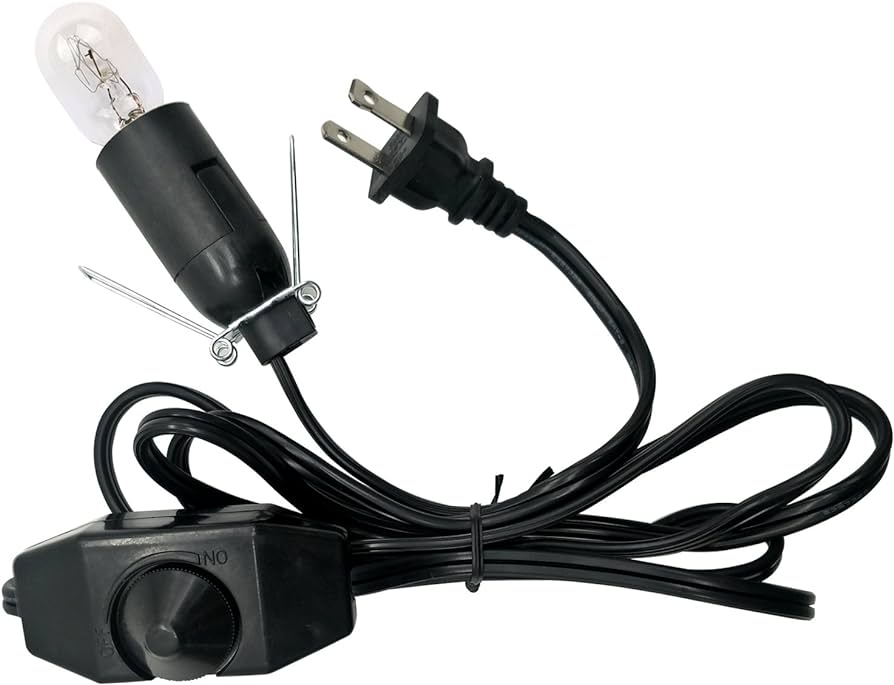
Have you ever wondered which wire on a lamp cord is hot? It may seem like a simple question, but the answer might surprise you. In this blog post, we’ll dive into the world of electrical wiring and reveal the truth about which wire carries the current in a lamp cord.
Understanding this information is not only important for your own safety, but it can also help you troubleshoot any issues you may have with your lamps. So, let’s shed some light on this topic and uncover the surprising truth about lamp cord wiring!
Credit: www.nytimes.com
Understanding Lamp Cord Wiring
Understanding Lamp Cord Wiring is crucial for anyone working with electrical fixtures or appliances. When it comes to lamp cords, it’s important to know which wire is hot and which one is neutral. This knowledge not only ensures the safe installation and operation of lamps, but also allows for easy troubleshooting and maintenance.
In this section, we will dive into the topic of lamp cord wiring, exploring the importance of identifying hot and neutral wires, common markings on lamp cord wires, how to identify the hot wire, how to identify the neutral wire, and safety precautions when dealing with lamp cord wiring.
The Importance Of Identifying Hot And Neutral Wires
Identifying the hot and neutral wires is crucial for maintaining electrical safety in your home or workspace. The hot wire carries the electrical current from the power source to the lamp, while the neutral wire completes the circuit. Mixing up these wires can lead to short circuits, electric shock, or even fires. It’s important to identify and distinguish between the hot and neutral wires to ensure proper functioning of the lamp and prevent any potential hazards.
Common Markings On Lamp Cord Wires
Lamp cord wires may have markings that indicate their purpose. These markings are typically found on the insulation of the wires and can help determine which wire is hot and which one is neutral. Common markings on lamp cord wires include:
| Marking | Meaning |
|---|---|
| Smooth or unmarked | Hot wire |
| Ribbed or ridged | Neutral wire |
How To Identify The Hot Wire
To identify the hot wire on a lamp cord, look for the smooth or unmarked wire. This wire is typically connected to the brass or gold-colored terminal on the lamp socket or plug. It carries the electrical current and should be handled with caution. Remember, the hot wire is the one that needs to be properly connected to ensure the lamp functions safely.
How To Identify The Neutral Wire
The neutral wire on a lamp cord is identified by its ribbed or ridged markings. This wire is connected to the silver-colored terminal on the lamp socket or plug. The neutral wire completes the circuit and carries any unused electricity back to the power source. When dealing with lamp cord wiring, it’s important to correctly identify the neutral wire to avoid any electrical mishaps.
Safety Precautions When Dealing With Lamp Cord Wiring
When working with lamp cord wiring, it’s crucial to take the necessary safety precautions to prevent accidents and ensure your well-being. Here are some important safety measures to follow:
- Always turn off the power supply before handling lamp cord wiring.
- Wear insulated gloves to protect yourself from electric shocks.
- Inspect the cord for any signs of damage, such as fraying or exposed wires, and replace if necessary.
- Avoid overloading lamp cords with too many appliances or fixtures.
- Properly secure and route the cord to avoid tripping hazards or entanglement.
- If you’re unsure about any wiring or installation process, consult a professional electrician.
Credit: www.nytimes.com
Factors Affecting Lamp Cord Wiring
Understanding the wiring of a lamp cord is important for both safety and functionality. There are various factors that can affect lamp cord wiring, including the different types of lamp cord, polarization and grounding, as well as the effects of faulty lamp cord wiring.
Different Types Of Lamp Cord
When it comes to lamp cord wiring, it is essential to be familiar with the different types of cords available. Here are a few examples:
- Two-wire lamp cord: This type of cord consists of two wires – a hot wire and a neutral wire. The hot wire carries the electrical current, while the neutral wire completes the circuit.
- Three-wire lamp cord: In some cases, a lamp cord may have an additional wire, known as the ground wire. The ground wire provides an additional level of safety by grounding the lamp and preventing electrical shocks.
Polarization And Grounding In Lamp Cord Wiring
Polarization refers to the practice of assigning the hot wire and the neutral wire specific roles for safety purposes. In lamp cord wiring, the hot wire is often smooth or ribbed, while the neutral wire may have ridges or markings.
Proper grounding is also crucial in lamp cord wiring. Grounding ensures that any electrical faults are routed safely away from the user. It involves connecting the ground wire to a grounding terminal or conductor, such as a metal water pipe or a grounding rod.
Effects Of Faulty Lamp Cord Wiring
Faulty wiring in a lamp cord can have several negative effects, including:
- Electrical shocks: If the hot wire comes into contact with any conductive material, it can result in an electrical shock.
- Fire hazards: Poorly wired lamp cords can cause overheating, leading to potential fire hazards.
- Malfunctioning of the lamp: Faulty wiring can cause the lamp to flicker, dim, or not work at all.
It is crucial to ensure that lamp cord wiring is done correctly to avoid these issues and ensure the safety and proper functioning of your lamp.
Methods And Tools For Identifying Hot And Neutral Wires
To identify the hot wire on a lamp cord, look for the wire with smooth insulation, while the neutral wire will have ribbed or textured insulation. This can be done by visually inspecting the wires or using a tool like a voltage tester.
Ensuring proper identification is crucial for safety when installing or repairing a lamp.
Using A Voltage Detector
One of the easiest ways to identify the hot and neutral wires on a lamp cord is by using a voltage detector. This tool helps determine if there is an electric current flowing through the wire. When using a voltage detector, make sure to turn off the power before starting the process.
Using A Multimeter
Another effective method for identifying the hot and neutral wires on a lamp cord is by using a multimeter. A multimeter is a versatile tool that measures various electrical properties, including voltage. To use a multimeter, set it to the AC voltage mode and then touch the probes to the exposed wire ends. The multimeter will display the voltage, helping you determine which wire is hot and which one is neutral.
Visual Inspection And Observations
Visual inspection can also provide clues about which wire on a lamp cord is hot. In a typical lamp cord, the hot wire is usually black or red, while the neutral wire is typically white or gray. Additionally, the hot wire may have ridges or markings, while the neutral wire is usually smooth. Carefully examine the cord to look for these indicators and identify the correct wires.
Testing With A Light Socket
Testing the wires with a light socket can also help determine which wire is hot and which one is neutral on a lamp cord. Unplug the lamp and remove the socket cover. Touch one wire to the brass screw terminal and the other wire to the silver screw terminal. Turn on the lamp switch, and if the light illuminates, the wire connected to the brass screw terminal is the hot wire. If the light doesn’t turn on, the other wire connected to the silver screw terminal is the neutral wire.

Credit: www.amazon.com
Frequently Asked Questions Of Which Wire On A Lamp Cord Is Hot
How Do You Know Which Wire Is Hot On A Lamp Cord?
The smooth insulated wire is typically the hot wire on a lamp cord, while the wire with ribbed or textured insulation is the neutral wire.
Which Cord Is Positive On A Lamp Cord?
On a lamp cord, the wire with smooth insulation is usually considered the positive or hot wire. The wire with ribbed or textured insulation is the neutral wire. Both wires are interchangeable.
Which Wire Is Ribbed In A Lamp Cord?
In a lamp cord, the wire with ribbed or textured insulation is the neutral wire, while the wire with smooth insulation is the hot wire.
Which Wire Is Hot On Power Cord?
The hot wire on a power cord is typically the black wire, which carries electricity from the breaker panel to the switch or light source. The neutral wire, usually white, sends unused electricity and current back to the breaker panel.
The hot wire has smooth insulation, while the neutral wire has ribbed or textured insulation.
Conclusion
To identify the hot wire on a lamp cord, look for the wire with smooth insulation, as opposed to ribbed or textured insulation, which is typically the neutral wire. The hot wire carries the electricity from the breaker panel to the light source, while the neutral wire sends unused electricity back to the panel.
Remember to exercise caution and follow proper safety guidelines when working with electrical wiring.

I’m Emily Johnson, an affiliate marketer and blogger focused on lamps and lighting. I share honest reviews, simple buying guides, and practical tips. My goal is to help readers choose the right lamp for their space, style, and budget with confidence.