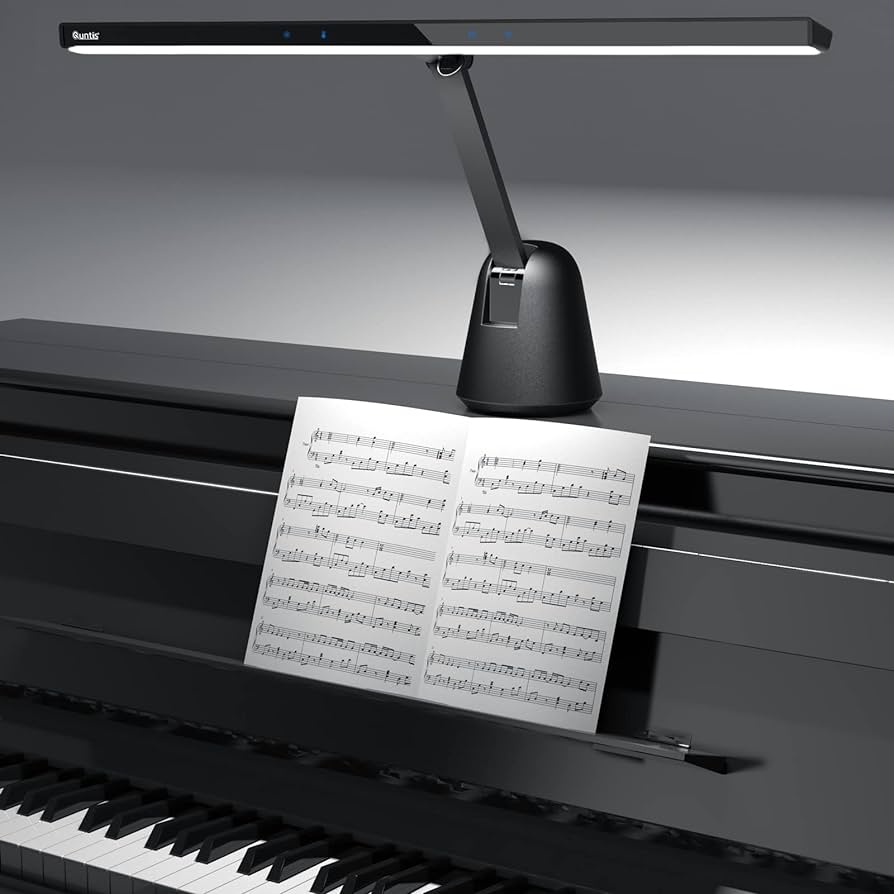
Desk lamps are good for eyesight because they lower ambient lighting, reducing strain on the eyes by eliminating glare and creating a softer space. Additionally, desk lamps help lower power consumption as brighter lights require more energy.
This combination of reduced eye strain and energy efficiency makes desk lamps a beneficial choice for maintaining healthy eyesight.

Credit: www.work-fit.com
The Importance Of Proper Lighting
Desk lamps are good for eyesight as they lower ambient lighting, reducing strain on the eyes by eliminating glare and creating a softer space. Additionally, desk lamps help to lower power consumption, as brighter lights require more energy.
Proper lighting plays a crucial role in maintaining healthy eyesight and overall visual health. Whether you’re working, studying, or simply reading, having the right lighting conditions can significantly impact your eye comfort and productivity. In this section, we will explore the role of light in visual health, understand how eyes respond to light, and discuss the impact of lighting on productivity and comfort.
The Role Of Light In Visual Health
Light is an essential element for our visual system to function optimally. It enables our eyes to perceive objects, shapes, and colors accurately. The right amount and quality of light enhance visual acuity and reduce eye strain. On the other hand, poor lighting conditions can lead to blurred vision, eye fatigue, and discomfort.
Understanding How Eyes Respond To Light
Our eyes have a remarkable ability to adapt to different lighting environments. They adjust the size of the pupil and the amount of light entering the eye to ensure optimal vision. However, prolonged exposure to bright or dim lighting conditions can strain the eye muscles, leading to eye fatigue and decreased visual acuity.
Impact Of Lighting On Productivity And Comfort
Having appropriate lighting in your workspace is crucial for both productivity and comfort. Insufficient lighting can make it harder to read or work, forcing your eyes to work harder to focus. On the other hand, excessively bright lighting can cause glare and discomfort.
To alleviate these issues, desk lamps come to the rescue. Desk lamps provide localized and adjustable lighting, ensuring that the right amount of light is directed to your working area. By reducing glare and providing adequate illumination, desk lamps can contribute to a more comfortable and productive work environment.
In conclusion, proper lighting is essential for maintaining good eyesight and visual health. Understanding the role of light, how the eyes respond to it, and the impact of lighting on productivity and comfort can help you create an eye-friendly workspace. So, invest in a quality desk lamp that offers adjustable brightness and position it correctly to effectively reduce eye strain and enhance your overall visual experience.
Desk Lamps For Enhanced Vision
Desk lamps are good for eyesight as they reduce strain on the eyes by eliminating glare and creating a softer, warmer environment. They also help lower power consumption and can reduce eye strain when working in poorly lit areas.
Differences Between Lamp Types And Eye Strain
When it comes to desk lamps, it’s important to understand the different types available and how they can impact eye strain. There are a few common types of lamps commonly found in work environments:
- LED Desk Lamps: LED lamps are known for their energy efficiency and longevity. They produce a bright, focused light that can reduce eye strain by providing clear visibility.
- Fluorescent Desk Lamps: Fluorescent lamps are commonly found in office settings. While they are energy efficient, they can produce harsh, flickering light that may contribute to eye fatigue.
- Incandescent Desk Lamps: Incandescent lamps produce a warm, soft light that can be easy on the eyes. However, they are not as energy efficient as LED or fluorescent lamps.
Choosing the right type of lamp can make a significant difference in minimizing eye strain and creating a comfortable working environment.
Optimal Brightness Levels For Work Environments
Ensuring optimal brightness levels in your work environment is crucial for maintaining good eye health. Here are some guidelines for finding the right brightness level:
- Adjustable Brightness: Look for desk lamps that offer adjustable brightness settings. This allows you to customize the lighting according to your preferences and the task at hand.
- Adequate Illumination: Ensure that your desk lamp provides sufficient illumination to prevent eye strain. The light should be evenly distributed and free from flickering or glare.
- Task-specific Lighting: Consider the specific tasks you’ll be performing at your desk. For detailed work, such as reading or writing, a higher brightness level may be needed. For tasks that require less visual focus, such as brainstorming or ideation, a softer ambient light may be more suitable.
By finding the optimal brightness level, you can reduce eye strain and create a more comfortable and productive workspace.
Why Desk Lamps Are Good For Eyesight: Color Temperatures And Hues
Color temperatures and hues play a significant role in maintaining good eyesight when using desk lamps. Here’s what you need to know:
- Warm vs. Cool Light: Desk lamps with warm light (lower color temperatures) create a cozy and inviting environment. On the other hand, cool light (higher color temperatures) can promote alertness and focus. It’s important to choose the right color temperature based on your needs and preferences.
- Reducing Blue Light: Blue light emitted by electronic devices can contribute to eye strain and disrupt sleep patterns. Some desk lamps offer built-in features to reduce blue light emission, providing a more eye-friendly lighting solution.
- Eyestrain Prevention: Choosing a desk lamp with a color temperature and hue that suits your visual comfort can help prevent eyestrain. The right lighting can reduce fatigue, eye dryness, and overall discomfort associated with prolonged computer use.
By paying attention to the color temperatures and hues of your desk lamp, you can create a visually comfortable environment that promotes good eye health.
Illuminate With Care For Eyesight
Positioning Desk Lamps To Minimize Glare
One of the key factors in reducing eye strain and promoting good eyesight is proper positioning of desk lamps to minimize glare. Placing your desk lamp in the correct position can greatly improve the lighting conditions and reduce the strain on your eyes. To achieve this, position the lamp in such a way that the light is directed towards your workspace and does not shine directly into your eyes. Avoid placing the lamp too close to your face, as this can cause discomfort and glare. Experiment with different angles and positions until you find the one that works best for you.
Adjustable Features For Personalized Lighting
Desk lamps with adjustable features offer a personalized lighting experience that can cater to your specific needs. Look for lamps with adjustable brightness settings that allow you to control the intensity of the light. This way, you can find the perfect level of illumination that enhances visibility without straining your eyes.
Adjustable color temperature is another important feature to consider. Different color temperatures can have varying effects on your eyes. Opt for lamps that offer different color options, such as warm light for a soothing ambiance or cool light for tasks that require focus and concentration.
The Science Behind Light Direction And Diffusion
Understanding the science behind light direction and diffusion is key to ensuring optimal lighting conditions for your eyes. Light that is directed towards your workspace helps to minimize shadows, reducing the strain on your eyes. Diffusing the light further enhances the visual comfort. Look for desk lamps that have diffusers or shades to scatter the light, providing a more evenly distributed illumination.
This helps to prevent harsh contrasts and glare, creating a more comfortable and eye-friendly environment. The combination of proper light direction and diffusion ensures that your eyes are not subjected to unnecessary stress and strain.
Protecting Eyes From Blue Light Emission
Looking to protect your eyes from blue light emission? Desk lamps are a great solution. By lowering ambient lighting and reducing strain on your eyes, desk lamps create a warmer, softer space and help lower power consumption. Upgrade your workspace with a desk lamp for better eye health.
Blue Light: Myths And Facts Related To Eye Health
There are numerous myths surrounding blue light and its impact on eye health. It is crucial to separate fact from fiction to better understand the potential harm blue light can cause to our eyes.
One common myth is that all blue light is harmful, but the truth is that not all blue light is created equal. Certain wavelengths of blue light are actually beneficial and necessary for our overall well-being, while excessive exposure to others can lead to eye strain and potential long-term damage.
Why Desk Lamps Are Good For Eyesight: Filtering Technology
Desk lamps equipped with specialized filtering technology are an effective solution to protect our eyes from excessive blue light emission. These lamps are designed to selectively filter out harmful wavelengths of blue light while allowing the beneficial ones to pass through.
By incorporating this technology, desk lamps provide a softer, more eye-friendly illumination, reducing eye strain and minimizing the potential negative effects of blue light on our eyes.
Transitioning To Lamps With Reduced Blue Light
Transitioning to desk lamps with reduced blue light emissions is an important step in prioritizing our eye health. By making this switch, we can minimize our exposure to the harmful wavelengths of blue light that can lead to eye strain, fatigue, and potentially more serious eye conditions in the long run.
Ensuring that our work or study environment is properly illuminated with desk lamps that prioritize eye care will contribute to maintaining healthy vision and overall well-being.
Optimizing Desk Lamp Usage
Desk lamps are good for eyesight as they lower ambient lighting, reducing strain on the eyes by eliminating glare and creating a warmer, softer space. Additionally, they help lower power consumption as brighter lights require more energy.
Balancing Natural And Artificial Lighting
When it comes to creating a visually ergonomic workspace, finding the right balance between natural and artificial lighting is key. While natural light is important for maintaining a healthy environment, it can often create harsh glares and uneven brightness levels.
This is where desk lamps come in handy. By strategically placing a desk lamp near your work area, you can supplement the ambient lighting and create a more comfortable visual experience.
Task-specific Lighting For Focused Work
Another advantage of using desk lamps is the ability to provide task-specific lighting. Whether you are working on a project, reading, or studying, having focused light can increase productivity and reduce eye strain.
Desk lamps with adjustable brightness and directional features allow you to customize the light intensity and angle, ensuring that your work area is well-lit and optimized for the task at hand.
Creating A Visually Ergonomic Workspace
One of the main reasons desk lamps are good for eyesight is their ability to contribute to a visually ergonomic workspace. By incorporating proper lighting techniques, you can create a workspace that minimizes eye strain and promotes overall eye health. Here are some tips:
- Position your desk lamp at a height that allows the light to reach your work surface without causing shadows or glares.
- Use a desk lamp with a color temperature that matches your natural visual comfort. Cooler temperature (5000-6500K) is ideal for tasks that require concentration, while warmer temperature (2700-3500K) is more suitable for relaxation.
- Consider using a desk lamp with a built-in task timer that reminds you to take regular breaks. This helps prevent eye fatigue and gives your eyes a chance to rest.
By optimizing your desk lamp usage with these considerations, you can create a visually ergonomic workspace that promotes productivity, reduces eye strain, and improves overall eye health.
Frequently Asked Questions Of Why Desk Lamps Are Good For Eyesight
Are Table Lamps Good For Your Eyes?
Table lamps can be good for your eyes as they help reduce eye strain by providing focused and direct lighting. In poorly lit environments, your eyes have to work harder to see, which can lead to fatigue and eye strain.
Using a desk lamp can alleviate this strain and make it easier on your eyes.
Does A Desk Lamp Reduce Eye Strain?
A desk lamp can help reduce eye strain by lowering ambient lighting and eliminating glare, creating a softer environment. It also helps save energy. While the lamp itself is not harmful, using it effectively, such as reducing exposure to blue light, is important.
Desk lamps can be helpful in poorly lit environments, reducing the strain on your eyes.
What Are The Benefits Of Desk Lamp?
A desk lamp provides several benefits: it reduces eye strain by eliminating glare, creates a softer and warmer lighting environment, helps lower power consumption, and improves visibility for tasks such as reading and work.
Which Lamp Is Good For Eyes?
Desk lamps with adjustable brightness and warm, soft lighting are good for the eyes. They reduce eye strain by eliminating glare and creating a comfortable work environment. Using a desk lamp effectively can also help cut down on stressed eyes.
Additionally, reducing exposure to blue light is essential for eye health. LED desk lamps are a popular choice as they provide adequate lighting without being harmful to the eyes.
Conclusion
Improve your eyesight and reduce strain with a desk lamp. By lowering ambient lighting, desk lamps eliminate glare and create a softer, more comfortable workspace. They also help save energy by requiring less power than brighter lights. Remember to protect your eyes further by taking breaks and reducing exposure to blue light.
Desk lamps are a smart investment for eye health and overall well-being.

I’m Emily Johnson, an affiliate marketer and blogger focused on lamps and lighting. I share honest reviews, simple buying guides, and practical tips. My goal is to help readers choose the right lamp for their space, style, and budget with confidence.