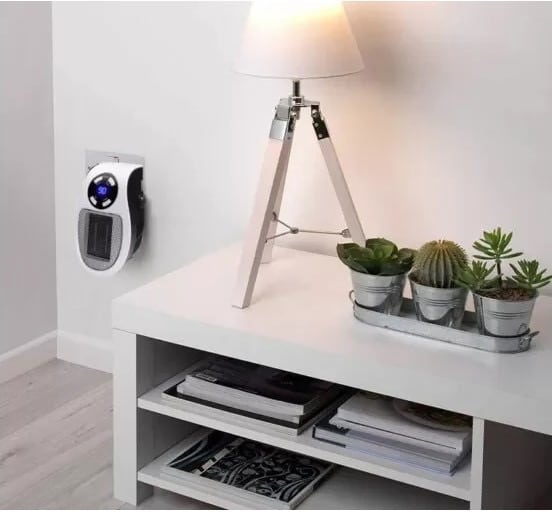
Desk lamps get hot because light bulbs are inefficient at converting electrical energy into light. The heat is a byproduct of this inefficient conversion process.
Higher wattage bulbs tend to generate more heat compared to lower wattage ones. LED bulbs, on the other hand, are more energy-efficient and generate less heat, making them cooler to the touch. It is important to note that excessive heat from desk lamps can be a fire hazard if they come into contact with flammable materials or if there is poor wiring.
So, it is essential to use caution and ensure proper ventilation when using desk lamps to prevent overheating and potential fire hazards.
The Inner Workings Of Desk Lamps
Desk lamps can get hot due to the inefficient conversion of electrical energy into light by light bulbs. Higher wattage bulbs tend to generate more heat, while LED bulbs are more efficient and produce less heat. It is important to be cautious with desk lamps, especially those with incandescent or CFL bulbs, as they can potentially cause fires if they come into contact with flammable materials for too long.
LED lamps, on the other hand, usually remain cool to the touch.
Basics Of Lamp Design And Function
Understanding the basic design and function of a desk lamp is crucial in unraveling why these lighting fixtures tend to get hot. Desk lamps typically consist of three main components: the light bulb, electrical wiring, and the lampshade. The lampshade serves both functional and aesthetic purposes, directing the light and enhancing the lamp’s overall appearance. The electrical wiring connects the lamp to a power source, allowing the transfer of electrical energy to produce light.
Role Of Electrical Components In Heat Generation
One of the primary reasons why desk lamps get hot is the inefficient conversion of electrical energy into light. Traditional incandescent light bulbs are known for generating significant amounts of heat while in use. This is due to the resistance created within the bulb’s filament as electricity passes through it.
The resistance causes the filament to heat up, resulting in both light and wasted energy in the form of heat. The higher the wattage of the bulb, the more energy is being produced and, subsequently, the hotter the lamp gets.
It’s important to note that while LED (Light Emitting Diode) bulbs are more energy-efficient than incandescent bulbs, they can still generate some heat, although significantly less.
Common Materials Used In Lamp Construction
The materials used in lamp construction also contribute to the heat generated by desk lamps. Metal, often in the form of the lamp base or lampshade, is a common material choice due to its durability and ability to dissipate heat. Metals such as aluminum and steel are known for their excellent thermal conductivity, allowing them to absorb and disperse heat efficiently.
In some cases, desk lamps feature large metal heatsinks with fins, which aid in heat dissipation and prevent the lamp from becoming too hot to touch.
While metal is a popular choice, other materials like plastic can also be found in lamp construction. Plastic is a poor conductor of heat, which means it may not dissipate heat as effectively as metal. As a result, plastic components in desk lamps can contribute to the lamp’s overall temperature.
Overall, the inner workings of desk lamps involve the conversion of electrical energy into light, with certain design and material choices affecting the lamp’s heat generation.
It is essential to choose a desk lamp that aligns with your lighting needs while considering factors such as wattage, bulb type, and the lamp’s construction materials to ensure efficient and safe operation.

Credit: www.happyhydro.com
Light Bulb Heat Dynamics
Desk lamps get hot because light bulbs are inefficient at converting electrical energy into light. Higher powered bulbs can generate more heat, but LED models are usually cool to the touch. The temperature of a lamp depends on wattage and design.
Light bulbs are an essential aspect of desk lamps, providing the much-needed illumination for various tasks. However, have you ever wondered why desk lamps tend to get so hot? The answer lies in the intricate dynamics of light bulb heat production.
In this section, we will explore the relationship between wattage and heat, the comparison of bulb types (incandescent, CFL, halogen, LED), and the impact of energy efficiency on temperature.
Relationship Between Wattage And Heat
The wattage of a light bulb plays a significant role in determining the amount of heat generated. The higher the wattage, the more energy is being created, resulting in increased heat production. This is due to the fact that traditional incandescent bulbs work by passing an electric current through a filament, which in turn emits light and heat as byproducts.
Therefore, it is essential to be mindful of the wattage of the bulb used in your desk lamp, as higher wattages can lead to more heat being generated.
Comparison Of Bulb Types: Incandescent, Cfl, Halogen, Led
Different types of bulbs generate varying levels of heat. Let’s take a closer look at some popular bulb types:
1. Incandescent Bulbs: These traditional bulbs are known for their warm, yellowish light. However, they also tend to produce a significant amount of heat, making desk lamps equipped with incandescent bulbs hotter to the touch.
2. CFL (Compact Fluorescent Lamp) Bulbs: While more efficient than incandescent bulbs, CFL bulbs still generate a noticeable amount of heat. However, they are cooler compared to incandescent bulbs.
3. Halogen Bulbs: These bulbs are known for their bright light output, making them popular for task lighting. However, they can get very hot, so caution must be exercised when using desk lamps equipped with halogen bulbs.
4. LED (Light Emitting Diode) Bulbs: LED technology has revolutionized the lighting industry. LED bulbs are highly energy-efficient, consuming less electricity and producing minimal heat as a byproduct. This makes LED desk lamps much cooler and safer to use.
Energy Efficiency And Its Impact On Temperature
Energy efficiency plays a crucial role in determining the temperature of a desk lamp. As mentioned earlier, LED bulbs are the most energy-efficient option available, producing minimal heat. This not only helps in reducing the amount of heat generated by the light bulb but also contributes to the overall cooling of the desk lamp itself.
In contrast, less energy-efficient bulbs, such as incandescent and halogen bulbs, generate more heat, which can cause the lamp to become hot and potentially pose safety risks. To summarize, the wattage of a light bulb directly affects the amount of heat produced.
Different bulb types, such as incandescent, CFL, halogen, and LED, have varying heat generation properties. Opting for energy-efficient LED bulbs can help reduce the heat produced by the lamp, making it safer to use for longer periods.
Heat Management In Lamps
Desk lamps can get hot due to the inefficiency of converting electrical energy into light. Higher wattage bulbs tend to generate more heat, while LED bulbs are the most efficient and cooler to the touch. Factors such as design and wattage requirements also contribute to the heat produced by desk lamps.
Importance Of Proper Ventilation
Heat management is a crucial aspect when it comes to desk lamps. One of the key factors in managing heat effectively is ensuring proper ventilation. Without adequate airflow, heat can accumulate within the lamp, leading to overheating issues.
A well-ventilated desk lamp allows heat to dissipate efficiently, preventing the lamp from getting excessively hot. Proper ventilation helps in maintaining a safe operating temperature for the lamp and prolongs its lifespan.
Specification Of Heat Sinks And Thermal Design
To further enhance heat management in lamps, the specification of heat sinks and thermal design plays a crucial role. Heat sinks are components designed to dissipate heat by increasing the surface area for better heat transfer.
Desk lamps equipped with efficient heat sinks and well-engineered thermal designs are better equipped to handle the heat generated by the light bulb. The heat sinks absorb the heat and distribute it throughout their fins, allowing for enhanced heat dissipation and preventing the lamp from becoming too hot.
Preventive Measures To Reduce Overheating Risk
When it comes to desk lamps, taking preventive measures is essential in reducing the risk of overheating. Let’s explore some of the key measures that can be taken:
- Using lower wattage bulbs: Opting for lower wattage bulbs can help in reducing the amount of heat generated by the lamp.
- Proper positioning: Ensuring that the lamp is positioned in a way that allows for maximum airflow around it helps in dissipating heat effectively.
- Regular cleaning: Dust and debris accumulation can hinder proper ventilation. Regularly cleaning the lamp and its components helps in maintaining optimal airflow.
- Using LED bulbs: LED bulbs are known for their energy efficiency and produce less heat compared to traditional incandescent bulbs. Using LED bulbs can significantly reduce the risk of overheating.
- Checking wiring and electrical connections: Poor wiring can increase the chances of overheating. Regularly inspecting the lamp’s wiring and ensuring proper electrical connections can help prevent overheating-related risks.
By implementing these preventive measures, the risk of overheating can be minimized, ensuring the safe and efficient operation of desk lamps.
Safety Concerns With Hot Desk Lamps
While desk lamps are essential for providing adequate lighting for work or study, it’s crucial to be aware of the safety concerns that can arise when these lamps get too hot. The excessive heat generated by desk lamps can lead to potential hazards if not handled with caution. Understanding the scenarios that can lead to hazards, the fire risks associated with overheating, and implementing safe usage practices are essential to ensure a secure and comfortable workspace.
Scenarios Leading To Potential Hazards
There are several scenarios that can increase the risk of hazards when desk lamps get too hot. It’s important to be aware of these situations to minimize the potential dangers:
- Using desk lamps with high-wattage incandescent or CFL bulbs for an extended duration.
- Placing non-heat resistant materials, such as papers or fabrics, in close proximity to the hot lamp.
- Using desk lamps with faulty wiring or damaged insulation.
- Leaving the desk lamp unattended for extended periods without proper ventilation.
- Using desk lamps with halogen bulbs that can reach high temperatures.
Understanding Fire Risks Related To Overheating
Overheating desk lamps can pose a significant fire risk. Excessive heat generated by the lamp, combined with flammable materials in its vicinity, can lead to dangerous situations. When a desk lamp gets too hot, the heat can transfer to nearby objects, potentially causing them to ignite.
Additionally, faulty wiring in desk lamps can result in short circuits or sparks, further increasing the risk of fire. It’s essential to be aware of these fire risks and take appropriate precautions to prevent accidents and ensure personal safety.
Tips For Safe Desk Lamp Usage
To mitigate the safety concerns associated with hot desk lamps, follow these tips for safe usage:
- Choose desk lamps with LED bulbs, as they are more energy-efficient and generate less heat compared to traditional incandescent or halogen bulbs.
- Avoid using high-wattage bulbs unless necessary, as higher wattages tend to generate more heat.
- Regularly inspect and maintain your desk lamp, ensuring that the wiring is intact and the insulation is not damaged.
- Keep flammable materials, such as papers and fabrics, at a safe distance from the lamp to prevent them from igniting.
- Avoid leaving the desk lamp unattended for extended periods and ensure there is proper ventilation to dissipate heat.
- If you notice any signs of overheating, such as the lamp becoming excessively hot or flickering, immediately turn it off and seek professional assistance.
By adhering to these safety measures, you can ensure the safe use of desk lamps, minimizing the risk of accidents or fire hazards. Remember, prioritizing safety in your workspace is of utmost importance to create a secure and productive environment.
Solving The Heat Issue
One common concern with desk lamps is their tendency to get hot during prolonged use. This can not only be uncomfortable but also potentially dangerous if it leads to overheating or even fire. Fortunately, there are several solutions available to address this heat issue and ensure a safer and more comfortable lighting experience.
In this section, we will explore some innovative technologies, such as cooler bulb options and LED upgrades, as well as maintenance strategies to prolong the lifespan of your desk lamp.
Innovations In Bulb Technology For Cooler Lights
Traditional incandescent bulbs are notorious for producing excessive heat. The reason behind this heat generation lies in their inefficiency at converting electrical energy into light. However, advancements in bulb technology have brought about cooler alternatives that not only reduce heat but also provide energy savings and improved longevity.
One such innovation is the fluorescent lamp, which is known for its higher energy efficiency compared to incandescent bulbs. This efficiency leads to less heat being generated, making fluorescent lamps a cooler option for desk lighting. However, it’s important to note that fluorescent lamps still produce some heat, albeit significantly less than their incandescent counterparts.
An even cooler and more energy-efficient option is LED (Light Emitting Diode) bulbs. LED technology has revolutionized the lighting industry, offering numerous advantages over traditional bulbs. LED bulbs consume less energy, emit minimal heat, and have a longer lifespan. This combination of energy efficiency and heat reduction makes LED bulbs an excellent choice for desk lamps.
Upgrading To Led: Pros And Cons
When considering a cooler lighting option for your desk lamp, upgrading to LED bulbs can be a viable solution. LED bulbs come with a range of benefits that make them a popular choice for desk lighting.
- Energy efficiency: LED bulbs are highly energy-efficient, using significantly less power compared to traditional bulbs. This not only helps reduce electricity bills but also minimizes heat production, resulting in cooler lighting.
- Long lifespan: LED bulbs have a longer lifespan compared to incandescent and fluorescent bulbs. This means you won’t need to replace them as frequently, saving you both time and money.
- Minimal heat emission: LED bulbs emit very little heat during operation, making them safe and comfortable to use for extended periods.
- Environmentally friendly: LED bulbs are free from toxic materials such as mercury, making them an eco-friendly lighting option.
However, it’s essential to consider the potential cons of LED bulbs before making the switch. LED bulbs can be initially more expensive than traditional options, although the long-term cost savings and benefits often outweigh the upfront investment. Additionally, some LED bulbs may not be compatible with dimmer switches, so it’s important to check compatibility before purchasing.
Maintenance Strategies To Ensure Lamp Longevity
Proper maintenance plays a crucial role in maximizing the lifespan of your desk lamp and preventing excessive heat buildup. By following a few simple strategies, you can ensure optimal performance and longevity.
- Regular cleaning: Dust and dirt accumulation on the lampshade and bulb can obstruct heat dissipation. Regularly clean your desk lamp to remove any dust or dirt using a soft cloth or a gentle cleaning solution.
- Avoid blocking ventilation: Ensure that the lamp’s ventilation areas, such as vents or openings, are not blocked. Proper airflow is essential for heat dissipation, so keep these areas clear to prevent overheating.
- Use appropriate wattage: Using bulbs with wattages higher than the lamp’s recommended limit can lead to excessive heat generation. Always adhere to the lamp’s recommended wattage to prevent overheating.
- Proper positioning: Avoid placing the lamp near flammable materials or in close proximity to other heat sources. Position the lamp in a well-ventilated area with ample space around it to allow heat to dissipate effectively.
By implementing these maintenance strategies, you can ensure that your desk lamp operates efficiently, facilitates heat dissipation, and extends its overall lifespan.
Frequently Asked Questions Of Why Do Desk Lamps Get So Hot
Is It Normal For Desk Lamps To Get Hot?
Yes, it is normal for desk lamps to get hot. The heat is generated by the light bulb due to the inefficient conversion of electrical energy into light. LED bulbs, however, are more efficient and produce less heat compared to traditional incandescent bulbs.
Is It Bad If My Lamp Gets Hot?
It is normal for lamps, especially higher-powered ones, to get hot. This is because they convert electrical energy into light and heat. LED lamps are more efficient and don’t get as hot compared to incandescent or halogen bulbs. If your lamp is getting excessively hot, it could be a sign of a problem and it’s recommended to check the wattage requirements and design.
What Desk Light Doesn T Get Hot?
LED desk lights do not get hot because they are energy-efficient and convert electrical energy into light more effectively than other types of bulbs. Unlike traditional incandescent or halogen bulbs, LED lights remain cool to the touch, making them a safer and more comfortable option for desk use.
What Makes A Lamp Hot?
Lamps get hot because they are inefficient at converting electrical energy into light. LED bulbs are the most efficient and produce less heat compared to traditional incandescent bulbs. Higher wattage bulbs and poor wiring can also contribute to the heat generated by a lamp.
Conclusion
Desk lamps can get hot due to the inefficiency of converting electrical energy into light. Higher-wattage bulbs tend to generate more heat, while LED bulbs remain cool to the touch. It is important to be cautious with desk lamps that use incandescent or CFL bulbs as they can potentially cause fires if they come into contact with flammable materials.
LED lamps, on the other hand, have reduced heat production and lower fire risk. Consider using LED lamps for a safer and more efficient lighting solution.

I’m Emily Johnson, an affiliate marketer and blogger focused on lamps and lighting. I share honest reviews, simple buying guides, and practical tips. My goal is to help readers choose the right lamp for their space, style, and budget with confidence.