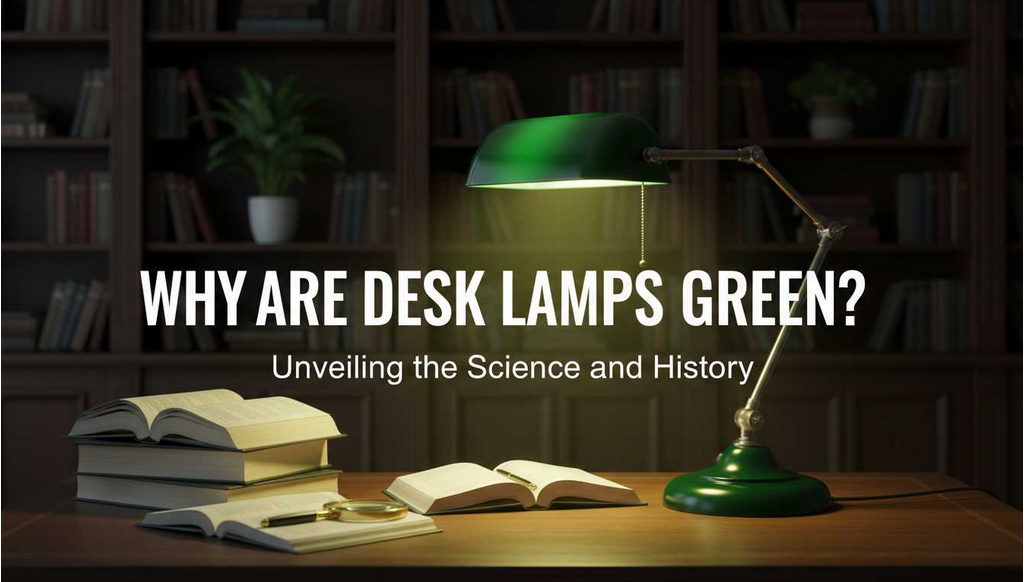
Have you ever wondered why are desk lamps green in some classic designs, or why green light often appears in workspaces? It’s not just a random color choice. There’s a rich history and scientific reason behind this calming hue. Understanding this can help you pick the best lighting for your own work or reading space.
The Legacy of Green: A Historical Look
The idea of using green light or green accessories in workspaces goes back a long way. Think about old movies or libraries. You might recall seeing bankers or scholars wearing green eyeshades. These weren’t just a fashion statement.

These green eyeshades were popular in the late 19th and early 20th centuries. People wore them to reduce glare and eye strain. Back then, lighting was often harsh or dim, and paper was usually bright white. Green provided a soft contrast.
Early Desk Lamp Designs and Green Glass
When electric desk lamps first became common, designers looked for ways to make them more comfortable to use. Many early models featured green glass shades. These shades were not just for looks.
The green glass helped to filter the bright, often yellowish light from incandescent bulbs. This made the light softer and easier on the eyes. It was a practical solution for long hours of reading and writing.
Early desk lamps with green shades aimed to reduce eye strain and improve focus for workers.
The Science of Sight: Why Green Light Matters
Our eyes are amazing tools. They are designed to see a wide range of colors. But some colors are easier to see than others, especially for long periods. This is key to understanding why are desk lamps green.
How Our Eyes See Color
Our eyes have special cells called rods and cones. Rods help us see in dim light. Cones help us see color. We have three types of cones, each sensitive to different colors: red, green, and blue.
Our eyes are most sensitive to green light. This means we can see green more easily and with less effort than other colors. It’s like our eyes are “tuned” to green.
This natural sensitivity makes green light very efficient. Less effort from our eyes means less strain over time.
Green Light’s Wavelength and Comfort
Every color has a different wavelength. Green light sits right in the middle of the visible light spectrum. Its wavelength is around 500-570 nanometers.
This middle position is important. It means green light doesn’t cause our eyes to work hard to focus. Red light, for example, has a longer wavelength and can make our eyes strain slightly to focus. Blue light has a shorter wavelength and can also be tiring.
Green light just feels right to our eyes. It’s a comfortable middle ground.

The Benefits of Green for Focus and Reading
Beyond just historical reasons, there are real, measurable benefits to using green light for tasks like reading and studying. These benefits explain a lot about why are desk lamps green.
Reducing Eye Strain and Fatigue
When you read for hours, your eyes can get tired. This is called eye strain. Symptoms include:
- Headaches
- Blurry vision
- Dry eyes
- Difficulty focusing
Green light helps to reduce these problems. Because our eyes are so sensitive to green, they don’t have to work as hard to process it. This means less muscle effort and less fatigue.
Green light helps keep your eyes fresh, even during long study sessions.
Enhancing Contrast for Text
Another benefit of green light is how it interacts with black text on white paper. Green light can actually improve the contrast. This makes the letters stand out more clearly.
When text is clear, your eyes don’t have to squint or struggle to make out words. This further reduces strain. It’s like turning up the sharpness on a TV, but for your reading material.
This improved contrast is a major reason why are desk lamps green often preferred in settings where detailed work is done.
The Psychology of Green: Calm and Concentration
Colors don’t just affect our eyes; they can also affect our mood and mental state. Green has some unique psychological properties that make it perfect for a workspace.
A Color of Nature and Tranquility
Green is the color of nature. Think of forests, grass, and plants. These natural settings often make us feel calm and relaxed. Bringing green into our workspace can have a similar effect.
This calming influence can reduce stress and anxiety. When you feel less stressed, it’s easier to concentrate on your tasks. A relaxed mind is a focused mind.

Boosting Focus and Productivity
Studies have shown that green can help with concentration. It’s not an exciting or distracting color. Instead, it promotes a steady, focused state. This is especially useful for tasks that require deep thought or long periods of attention.
Some research even suggests that seeing green can make people more creative and efficient. So, a green desk lamp isn’t just about eye comfort; it’s about creating an environment that supports good work.
Are All Modern Desk Lamps Green?
While the legacy of green desk lamps is strong, you might notice that not all modern desk lamps are green. Technology has changed a lot. Today, many desk lamps offer different light colors and features.
The Rise of LED Technology
Modern LED (Light Emitting Diode) lamps are incredibly versatile. They can produce a wide range of colors, from warm yellow to cool blue. Many also allow you to adjust the color temperature.
This means you can choose the light color that suits your task or mood. For example, a warm yellow light might be good for relaxing, while a cooler white light might be better for detailed work.

Simulating Green Light Benefits
Even without a green shade, modern lamps can still offer the benefits of green light. Many high-quality lamps are designed to produce a neutral or slightly warm white light that is very comfortable for the eyes.
Some advanced lamps even have “reading modes” that adjust the light to reduce blue light and create a softer, eye-friendly glow. This simulates some of the comfort that green light traditionally offered.
Choosing the Right Light for Your Workspace
So, if not all desk lamps are green anymore, how do you pick the best one? The key is to understand your needs and the different types of light available.
Considering Color Temperature
Color temperature is measured in Kelvin (K).
- Warm light (2700K-3000K): Yellowish, relaxing. Good for casual reading or winding down.
- Neutral white (3500K-4500K): Balanced, good for general tasks. This is often a great choice for workspaces.
- Cool white/daylight (5000K-6500K): Bluish, energizing. Can be good for alertness but may cause strain over long periods.
| Color Temperature | Description | Best Use Cases |
|---|---|---|
| 2700K – 3000K | Warm White (Yellow) | Relaxation, Evening Reading |
| 3500K – 4500K | Neutral White | General Tasks, Office Work |
| 5000K – 6500K | Cool White (Daylight) | Alertness, Detailed Work (Short) |
Important Features for Desk Lamps
When choosing a desk lamp, look for these features:
- Adjustability: Can you change the height, angle, and direction of the light?
- Dimming: Can you make the light brighter or dimmer?
- Flicker-free: High-quality LEDs should not flicker, which can cause eye strain.
- Good Color Rendering Index (CRI): A high CRI (90+) means colors look more natural under the light.
- Low Glare: The lamp should direct light onto your work, not into your eyes.

The Enduring Appeal of Green Lighting
Even with new technologies, the core reasons why are desk lamps green in traditional designs still hold true. Green light offers unique benefits that are hard to ignore.
Beyond Desk Lamps: Green in Other Settings
The advantages of green light are used in many other areas:
- Medical settings: Green light therapy is sometimes used for pain relief or to help with migraines.
- Night vision: Green is often used in night vision goggles because our eyes are so sensitive to it in low light.
- Cockpits and control rooms: Green light helps maintain night vision and reduces glare on screens.
These applications show that green isn’t just a historical quirk for desk lamps. It’s a color with proven practical benefits for human vision and well-being.
A Nod to Tradition and Comfort
Choosing a desk lamp with a green shade today might be a nod to tradition. But it’s also a choice for comfort. It reminds us that sometimes, the old ways knew a thing or two about making our lives easier.
Whether you opt for a classic green banker’s lamp or a modern LED with a neutral white setting, the goal remains the same: to create a workspace that supports your eyes and your mind. The answer to why are desk lamps green lies in a blend of history, science, and human comfort.

Conclusion: The Ever-Present Comfort of Green
The question, why are desk lamps green, reveals a fascinating story. From the green eyeshades of old to the iconic green glass shades of traditional desk lamps, green light has long been associated with comfort and focus. Our eyes are naturally most sensitive to green, making it the easiest color to process without strain. This natural advantage, combined with its calming psychological effects, made green the ideal choice for environments requiring long periods of concentration.
Today’s technology offers many lighting options, but the core benefits of green light for reducing eye strain and enhancing focus remain. Whether you choose a lamp with a dedicated green hue or a modern adjustable LED, understanding the science behind comfortable lighting helps you create a better, more productive workspace. The legacy of green continues to guide us toward smarter, more human-centric lighting solutions.
FAQ
Why were old desk lamps often green?
Old desk lamps, especially banker’s lamps, often had green glass shades to reduce glare and eye strain. Green light is very easy for our eyes to process, making long hours of reading or writing more comfortable.
Is green light actually good for your eyes?
Yes, green light is generally considered good for your eyes, especially for tasks requiring focus. Our eyes are most sensitive to green, which means they work less hard to see it, reducing strain and fatigue.
Do modern desk lamps still use green light?
While not all modern desk lamps have green shades, many are designed to offer similar benefits. They use advanced LED technology to provide neutral or warm white light that is comfortable and reduces eye strain. Some might even have specific green settings.
Does green light help with concentration?
Yes, green light is often associated with improved concentration and a calming effect. It’s not a distracting color, helping to create a stable environment for focused work and study.
What color light is best for reading and studying today?
For reading and studying, neutral white light (around 3500K-4500K) is often recommended. It provides good clarity without being too harsh or too warm. However, green light still offers unique benefits for eye comfort.

I’m Emily Johnson, an affiliate marketer and blogger focused on lamps and lighting. I share honest reviews, simple buying guides, and practical tips. My goal is to help readers choose the right lamp for their space, style, and budget with confidence.