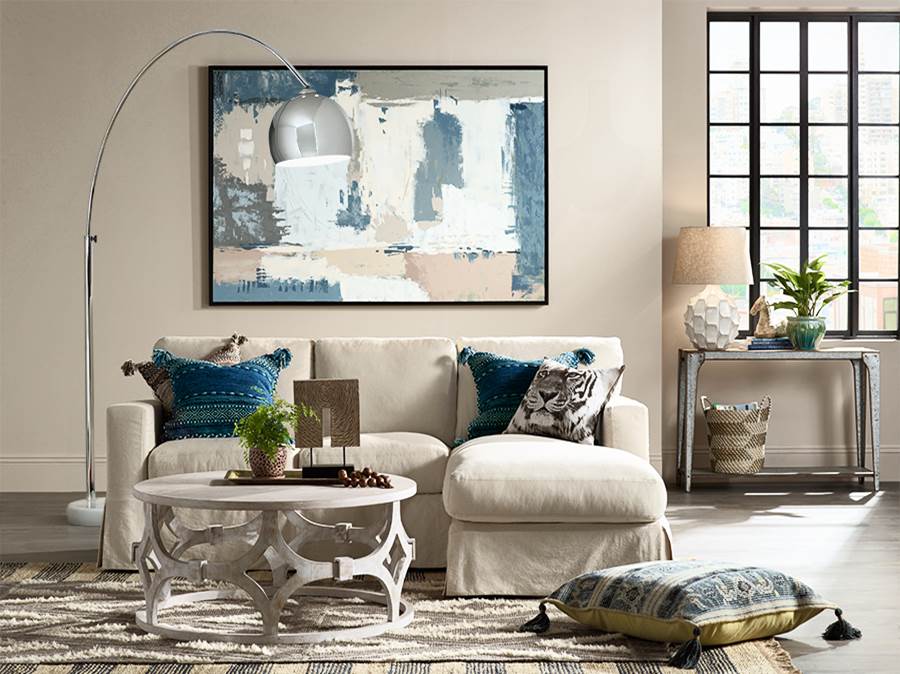
It’s astonishing to realize that the right floor lamp can dramatically transform the ambiance of a room. Many overlook the impact of lighting on mood and productivity, making the choice of a lamp both an art and a science. Experts understand that beyond aesthetics, factors such as light dispersion, height, and switch type are critical.
Historically, floor lamps made their mark during the early 20th century and have since evolved into versatile elements of modern decor. Recent trends indicate that nearly 80% of interior designers consider lighting a primary focus in home makeovers. For experts, choosing the ideal floor lamp requires a balance of design, functionality, and technology integration, all tailored to specific room needs.
- Assess your lighting needs based on room function and location.
- Consider the room décor to ensure the lamp complements existing furniture and colors.
- Understand different lamp types and styles, such as torchiere or task lamps.
- Factor in lamp size and placement for optimal functionality and aesthetics.
- Evaluate the light bulb type, considering brightness, color temperature, and energy efficiency.
How to Buy a Floor Lamp
Choosing the right floor lamp starts with understanding your lighting needs. Do you need a lamp for reading, accent lighting, or general room illumination? Lamp styles vary, so it’s crucial to identify what fits your purpose. According to this post, different lighting types can dramatically alter the feel of a room. Therefore, clarity on your needs will save time and money.
Next, consider the room’s décor where the lamp will be placed. A modern lamp may not match a vintage setting and vice versa. Think about the color, material, and overall design. Harmonizing the lamp with existing furniture enhances the aesthetic. Being mindful of these aspects ensures your choice complements your space.
Understanding the types and styles of floor lamps is also important. For example, torchiere lamps direct light upwards, creating a soft glow, while task lamps provide focused lighting. Floor lamps also come in different materials like metal, wood, or glass, each lending a unique look. To see the heating capability of oil lamps, you can refer to this article. This can help you decide between modern LED lamps or more traditional styles.
Lastly, consider the size and placement of your floor lamp. A large lamp in a small room may feel overwhelming. Measure your space and think about traffic flow around the lamp. Place the lamp where it will be both functional and visually pleasing. Proper placement enhances both usability and the room’s ambiance.
Step 1: Assess Your Lighting Needs
Determining your lighting needs is the first critical step. Are you looking for bright light to read by, or do you need softer ambient light to create a cozy atmosphere? Different tasks require different lighting conditions. For instance, a reading nook will benefit from a more focused light source. According to this post, understanding your specific needs helps narrow down your options.
Consider the primary function of the lamp in your space. Will it serve as the main light source, or is it more of an accent piece? Functional lamps often need adjustable settings to cater to various activities. Accent lamps, on the other hand, focus more on design and subtlety. Knowing the purpose helps in making a practical choice.
Assessing your space is also important. Smaller rooms might not need an overly bright lamp, which could be overwhelming. Conversely, larger spaces may require more light output. Understanding room dimensions and existing lighting allows for better decisions. Placement within the room should also be a factor.
Also, think about style preferences and how they align with your needs. Do you prefer modern, minimalist designs or traditional, ornate styles? Style preferences can affect functionality. Balancing aesthetics with practical considerations ensures you choose a lamp that fits well. You can always blend both to meet your goals.
Step 2: Consider the Room Décor
The style of your room plays a crucial role in choosing a floor lamp. Matching the lamp to your existing décor ensures a cohesive look. If your room features modern furniture, a sleek, minimalist lamp works best. For spaces with classic or vintage aesthetics, consider a lamp with ornate details. This creates harmony and avoids visual clutter.
Color coordination is another important aspect. The lamp’s color should either complement or contrast the primary colors in the room. For neutral rooms, a bold lamp color can add a focal point. Conversely, in a colorful room, a neutral lamp color can balance the overall aesthetic. Use color thoughtfully to enhance your decor.
Think about the materials in your room as well. A room with lots of wooden furniture might benefit from a lamp with a wooden base. Metal or glass lamps fit well in spaces with contemporary or industrial designs. Mixing materials can add depth and interest.
Finally, the size of the lamp should be proportionate to the room size. A large lamp in a small room can feel overwhelming, while a small lamp might get lost in a spacious area. Measure your room and consider the height and width of the lamp. Proper proportion maintains balance.
Step 3: Understand Lamp Types and Styles
There are several types of floor lamps, each serving different needs. Torchiere lamps direct light upwards, making a room feel more spacious. They’re great for general lighting. In contrast, task lamps have adjustable arms, ideal for focused activities like reading. Knowing these differences helps in selecting the right lamp.
Consider the style of the lamp to match your room’s design. Modern lamps often feature clean lines and minimalist designs. Traditional lamps may include ornate details and intricate patterns. For a bohemian look, consider a lamp with a unique, artistic design. Matching styles ensures the lamp enhances your décor.
Materials also affect the lamp’s overall look and feel. Metal and glass lamps bring an industrial or contemporary vibe. Wooden lamps add warmth and a rustic touch. Fabric shades can soften the light, creating a cozy atmosphere. Choose materials that complement your room’s existing elements.
Floor lamps come in different heights and widths. Some are tall and slim, perfect for corners or small spaces. Others are larger and meant to be statement pieces. Measure your room to ensure the lamp fits well. Proper sizing enhances both functionality and aesthetics.
Don’t forget about the type of bulb the lamp uses. LED bulbs are energy-efficient and last longer. Incandescent bulbs provide warm light but consume more energy. Halogen bulbs offer bright, white light suitable for reading. Choose a bulb that meets your lighting needs and complements the lamp’s design.
Here are some popular floor lamp styles to consider:
- Torchiere
- Task Lamp
- Tree Lamp
- Arc Lamp
- Club Lamp
Step 4: Factor in Lamp Size and Placement
Choosing the right size for your floor lamp is crucial. A lamp that’s too large can overwhelm a small space. Conversely, a tiny lamp can look out of place in a large room. Measure the area where you plan to place the lamp. This helps in making a balanced choice.
Consider the lamp’s height in relation to your furniture. A tall lamp next to a low sofa might look awkward. Ideally, the lamp should be proportional to the surrounding pieces. This creates a cohesive look. Maintain balance by aligning lamp height with nearby elements.
Placement within the room affects both function and aesthetics. Think about foot traffic and avoid placing the lamp where it can be easily knocked over. Corners or alongside furniture work best. Ensure the lamp’s position enhances light distribution. This makes the room more functional.
Lamps should also complement your room layout. Place them in areas where additional light is needed. For reading, position the lamp near seating. For general lighting, one or two lamps in different corners may work better. Strategic placement provides balanced illumination.
Here are some placement tips to consider:
- Next to a reading chair for focused light
- In a dark corner to brighten the room
- Beside a sofa or loveseat for ambiance
- In entryways to welcome guests
- Near art pieces to highlight them
Proper placement not only improves lighting but also enhances room aesthetics. Take your time to find the perfect spot. This ensures your floor lamp adds both beauty and functionality.
Step 5: Evaluate the Light Bulb Type
Choosing the right light bulb is essential for your floor lamp. Light bulbs come in various types, each with unique features. LED bulbs are energy-efficient and have a long lifespan. In contrast, incandescent bulbs offer warm light but consume more energy. Understanding these differences helps in making an informed decision.
Consider the brightness level you need. Measured in lumens, higher numbers mean brighter light. For reading or detailed work, opt for bulbs with higher lumens. For ambient lighting, lower lumens are sufficient. Choose the lumens that match your purpose.
Pay attention to the color temperature of the bulb. This is measured in Kelvin (K). Warm white light (2700K-3000K) is cozy and relaxing, suitable for living rooms and bedrooms. Cool white light (4000K-5000K) is brighter and more suitable for kitchens or workspaces. Match the color temperature to the room’s function.
Some light bulbs are dimmable, offering flexibility in lighting levels. Dimmable bulbs can adjust brightness to suit various activities or moods. This feature is beneficial for multi-purpose rooms. Check if your lamp supports dimmable bulbs. Flexibility enhances usability.
For easy reference, here’s a quick comparison of light bulb types:
| Type | Energy Efficiency | Color Temperature Range (K) |
|---|---|---|
| LED | High | 2700K-6500K |
| Incandescent | Low | 2700K-3000K |
| Halogen | Moderate | 3000K-3500K |
Choosing the right bulb involves evaluating your needs and understanding each type’s benefits. Consider energy efficiency, brightness, and color temperature. This ensures your floor lamp provides the best lighting for your space.
Importance of Choosing the Right Floor Lamp
Choosing the right floor lamp is more important than many might think. It not only affects the room’s lighting, but also its ambiance and functionality. A well-chosen lamp can make a dim corner lively or enhance a cozy reading nook. Proper lighting improves mood and productivity. Thus, selecting the right lamp enhances your living environment.
Lighting directly impacts how we perceive colors and furniture. A poorly chosen lamp can distort colors or create harsh shadows. This diminishes the room’s aesthetic appeal. On the other hand, matching your lamp to your décor enriches color accuracy and highlights key design elements. Good lighting complements your interior design efforts seamlessly.
The right floor lamp also ensures better eye comfort. Insufficient or excessive light strains the eyes during activities like reading or working. Task lamps with adjustable settings provide focused light to reduce eye fatigue. Ambient lamps soften overall lighting, making spaces more inviting. Balance is key for eye health.
Aesthetically pleasing lamps act as design statements in any room. Modern lamps with sleek designs can serve as focal points in minimalist settings. Vintage-style lamps add charm to classic interiors. By choosing a style that matches your taste, you create a harmonious look that elevates the room’s visual appeal.
Functionality should not be overlooked when selecting a floor lamp. Different types cater to various needs, such as reading or general illumination. Some come with added features like dimmers or flexible arms for better utility. Investing time in understanding these options pays off in daily convenience and long-term satisfaction.
Latest Trends in Floor Lamps
The world of floor lamps is continually evolving with new trends emerging each year. One popular trend is the use of minimalist designs. These lamps feature sleek lines and simple shapes, fitting well into modern homes. They often come in neutral colors like black, white, or grey. Minimalist floor lamps are versatile and can blend in with various interior styles.
Another trend is smart lighting. These floor lamps can be controlled via smartphone apps or voice assistants like Alexa or Google Home. Smart lamps offer features like dimming, color-changing, and scheduling. This allows you to customize your lighting experience conveniently. Technology integration is making lamps more functional and user-friendly.
Eco-friendly materials are gaining attention in the design world. Lamps made from sustainable materials like bamboo, cork, or recycled metals are now in demand. These lamps not only look stylish but also appeal to environmentally conscious consumers. Using eco-friendly products helps reduce your carbon footprint.
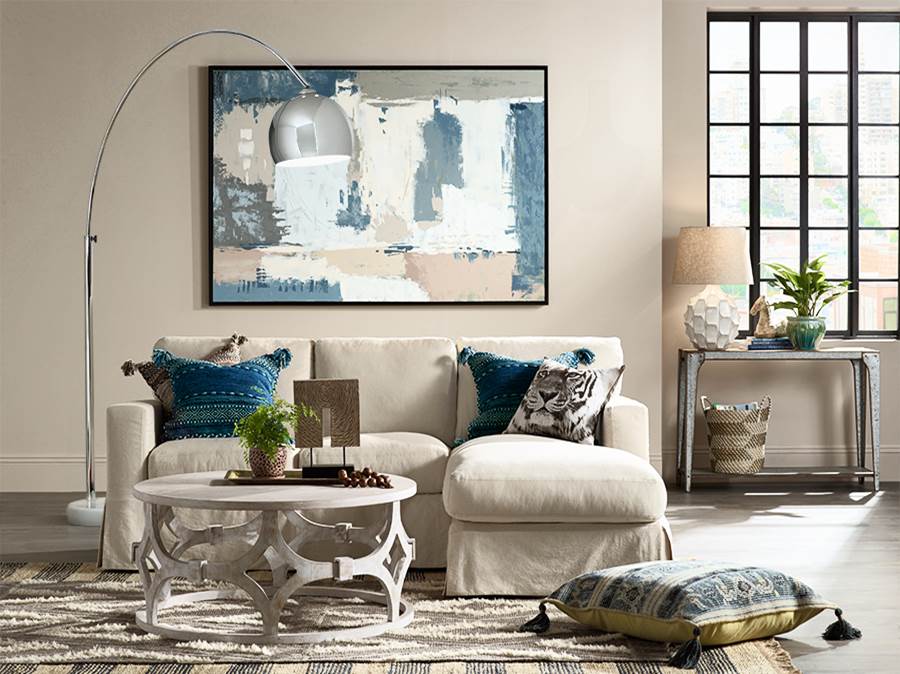
Arched floor lamps remain popular for their dramatic look. They feature a long, curved arm extending from a sturdy base, creating an elegant arc. These lamps provide excellent light coverage for sitting areas or over dining tables. Their design makes a bold statement in any room.
Lastly, vintage and retro-inspired lamps have made a comeback. Lamps with brass finishes, fabric shades, or intricate details evoke a sense of nostalgia. These styles add character and charm to any space. Incorporating vintage elements can enhance both traditional and contemporary interiors.
Here are some key trends to look for:
- Minimalist designs
- Smart lighting features
- Eco-friendly materials
- Arched lamps
- Vintage-inspired styles
Common Mistakes to Avoid When Buying a Floor Lamp
Many people make the mistake of not considering the height of the floor lamp. A lamp that is too tall or too short can look out of place. It’s important to measure the space where you plan to put the lamp. The right height ensures it fits well with your furniture and room design. Don’t overlook this crucial step.
Another common mistake is ignoring the bulb type. Different bulbs offer different lighting effects and efficiencies. Some lamps may require specific bulb types, such as LED or incandescent. Always check the lamp’s bulb requirements before purchasing. This will save you time and potential headaches later.
People often forget to consider lamp placement. Placing the lamp in high-traffic areas can be risky. It might get knocked over or become a tripping hazard. Instead, place your floor lamp in a safe and functional spot. Think about the room layout and how the lamp will fit into daily use.
Style mismatch is another frequent mistake. A modern lamp may not look good in a vintage-style room, and vice versa. Make sure the lamp complements the rest of your décor. Choosing a lamp that blends well with your existing furniture and colors creates a harmonious look.
Ignoring the switch type can also be problematic. Some lamps have foot switches, while others may have pull chains or knobs. Consider how easy or difficult it will be to turn the lamp on and off. The switch type should be convenient for daily use.
Here are some pitfalls to avoid:
- Ignoring lamp height
- Overlooking bulb type
- Placing the lamp poorly
- Choosing a mismatched style
- Disregarding switch convenience
Maintaining and Cleaning Your Floor Lamp
Regular maintenance is key to extending the life of your floor lamp. Dust can accumulate on the lampshade and base, dulling its appearance. Use a soft cloth to wipe down metal parts and a brush or vacuum for fabric shades. Cleaning the lamp regularly prevents dust buildup. Avoid using harsh chemicals that might damage the material.
Inspect the light bulb and wiring periodically. A flickering light could indicate a loose bulb or wiring issue. Tighten the bulb securely, but don’t overdo it. If the problem persists, consider replacing the bulb or seeking professional help. Safety is crucial when dealing with electrical components.
For lamps with moving parts, occasional lubrication may be needed. Hinges, joints, and adjustable arms can become stiff over time. A small dab of lubricant can keep these parts functioning smoothly. Make sure to use a lubricant recommended for your lamp type. This adds to the lamp’s longevity and ease of use.
Here are some tips for maintaining different types of lampshades:
- Fabric Shades: Use a vacuum with a brush attachment.
- Glass Shades: Clean with a damp cloth and mild soap.
- Metal Shades: Wipe with a soft, damp cloth.
- Paper Shades: Use a feather duster.
Also, consider the room environment. Humidity and temperature can affect your lamp’s condition. Keep the lamp away from direct sunlight to prevent color fading. If your home is very humid, use a dehumidifier to protect metal parts from rust. Proper room conditions maintain the lamp’s aesthetic and functional quality.
Routine care not only preserves the lamp’s look but also ensures optimal performance. By following these easy maintenance steps, you can enjoy a bright and beautiful floor lamp for years to come. Maintaining your lamp is a small effort that yields big rewards.
Frequently Asked Questions
Choosing the right floor lamp involves various considerations. Below are some common questions and their answers to help you make an informed decision.
1. What type of light bulb is best for a floor lamp?
The most popular options are LED, incandescent, and halogen bulbs. LED bulbs are energy-efficient and last longer than others, making them a smart choice. They also come in various brightness levels and color temperatures, providing flexibility.
Incandescent bulbs give a warm glow but consume more energy and have shorter lifespans. Halogen bulbs offer bright white light ideal for reading but may get very hot. Choose based on your specific needs and preferences.
2. How do I choose a floor lamp for my bedroom?
Consider the ambiance you want to create in your bedroom. For a cozy atmosphere, go for lamps with warm-colored bulbs around 2700K to 3000K. Adjustable task lamps work well if you need focused lighting for activities like reading.
Bedside or nightstand placements are popular choices for bedroom floor lamps. Complement the lamp style with your bedroom décor to ensure a cohesive look, enhancing both utility and aesthetics.
3. Are there any safety tips for using floor lamps at home?
Ensure that the lamp is placed on a stable surface to prevent it from tipping over. Avoid placing it in high-traffic areas where it could be bumped into easily. Check the wiring regularly for any signs of wear or damage.
Avoid using higher wattage bulbs than recommended to prevent overheating or fire hazards. It’s also smart to use surge protectors if you have multiple electrical devices plugged in near each other.
4. Can I use a floor lamp as the main light source in my living room?
A single floor lamp may not provide enough light for larger spaces like living rooms unless it’s specifically designed for high lumens output. Torchiere lamps that direct light upwards can help brighten up large areas effectively.
You might also consider combining multiple lighting sources such as ceiling lights, table lamps, and sconces with your floor lamp to achieve balanced illumination throughout the room.
5. How do I clean different types of floor lamps?
The method depends on the material of your lamp’s base and shade. For metal bases, wipe them down with a soft cloth dampened with water and mild soap if needed.
Fabric shades can be cleaned using a vacuum cleaner’s brush attachment or lightly shaken out outside to remove dust while glass shades can be wiped with glass cleaner for streak-free shine.
Conclusion
Choosing the right floor lamp can significantly enhance both the functionality and aesthetics of your space. By considering factors like lighting needs, room décor, and lamp type, you can make an informed decision. Remember, the right lamp not only illuminates but also elevates your environment.
Stay mindful of common mistakes and always prioritize safety. Regular maintenance will ensure your lamp remains a valuable part of your home for years to come. Investing time and thought into selecting the perfect floor lamp is well worth the effort.

I’m Emily Johnson, an affiliate marketer and blogger focused on lamps and lighting. I share honest reviews, simple buying guides, and practical tips. My goal is to help readers choose the right lamp for their space, style, and budget with confidence.