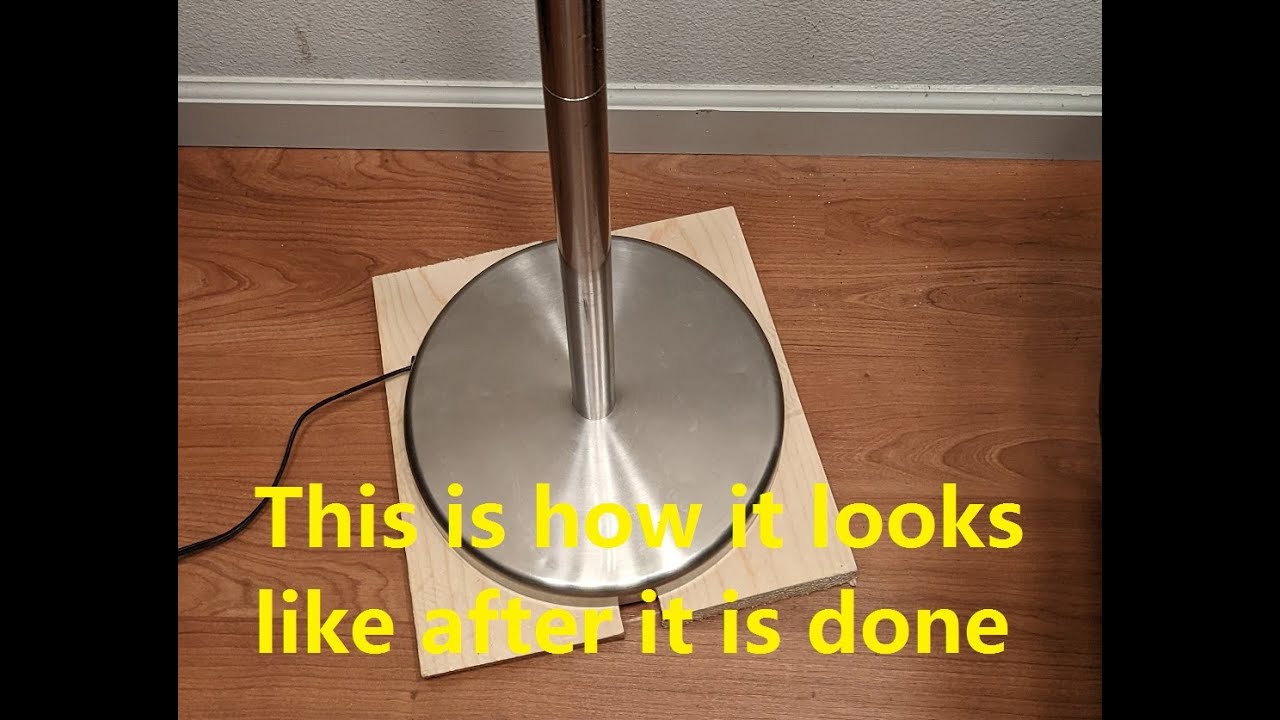
When it comes to home improvement, fixing a floor lamp may not be the first thing that springs to mind, yet it’s a task that many homeowners face. For example, a simple loose wire or a burnt-out bulb can render this essential piece useless. Understanding the intricacies of lamp repair can turn a seemingly daunting task into a manageable project.
Floor lamps, originally a luxury item, have become common in modern households. According to recent studies, over 60% of households use floor lamps as their primary source of ambient lighting. Knowing how to troubleshoot issues like faulty switches or wiring not only saves money but also extends the life of these indispensable light sources.
- Identify the problem, such as a loose wire or faulty switch.
- Gather necessary tools like a screwdriver, pliers, and electrical tape.
- Unplug the lamp and carefully disassemble it to access internal components.
- Repair or replace damaged parts using appropriate tools and techniques.
- Reassemble the lamp, ensuring all connections are tight and secure.
- Test the lamp to confirm proper functionality and safety.

Source: ytimg.com
How to Fix a Floor Lamp
First, identify the problem with the lamp. Is it flickering, not turning on, or is something loose or broken? Knowing what’s wrong will help you determine the tools you’ll need. Often, issues are simple like a loose bulb or an unplugged cord. Other times, the problem could be internal wiring or a faulty switch.
Next, gather the necessary tools. Basic tools you might need include a screwdriver, pliers, and electrical tape. According to this post, having the right tools can make the job much easier and safer. Also, ensure you have a replacement bulb and any other parts relevant to the issue at hand. Organizing your tools will streamline the repair process.
Unplug the lamp before starting any work to ensure safety. Once unplugged, carefully disassemble the lamp to access the faulty parts. Follow the steps in this article to accurately put your lamp back together after repair. Pay close attention to screws and wiring to avoid new issues cropping up.
Finally, test the lamp after reassembling it. Plug it back in and turn it on to see if the issue is resolved. If the problem persists, double-check your work or consider seeking professional help. Regular maintenance, like tightening screws and checking wires, can help prevent future issues.
Step 1: Identifying the Problem
Identifying the problem with your floor lamp is the first step toward a successful repair. Common issues include flickering lights, loose connections, or a faulty switch. Pay attention to any signs that indicate what might be wrong. If the lamp flickers, it could be due to a loose bulb or damaged wiring. Listening for unusual sounds, like buzzing, can also help you pinpoint the issue.
Start by visually inspecting the lamp. Check if the bulb is properly screwed in and if the power cord is intact. Sometimes, the problem can be as simple as a burnt-out bulb. According to this expert opinion, many floor lamp issues stem from loose or damaged parts at the base. Double-check the base and the connections to ensure everything is secure.
For more complex problems, you may need to test the lamp’s electrical components. Using a multimeter can help you check the continuity and voltage. If you’re unfamiliar with using this tool, refer to online resources or guides. Testing these components can reveal if a switch or internal wiring is faulty. Always remember to unplug the lamp before conducting any tests.
If the problem isn’t obvious, consider narrowing down potential causes by a process of elimination. You can replace the bulb with a new one to see if that fixes the problem. If not, move on to checking the switch or the wiring. This methodical approach can help you identify the issue without unnecessary guesswork.
Step 2: Gathering Necessary Tools
Before starting your floor lamp repair, gather all the necessary tools. Having everything on hand will make the process smoother and more efficient. Basic tools you will need include a screwdriver, pliers, and electrical tape. A multimeter is also helpful for checking electrical components. Don’t forget to have a replacement bulb and any other specific parts required.
Organize your tools in a manner that allows easy access. Using a toolbox or arranging them on a flat surface can prevent misplacement and save time. When everything is laid out, you can focus on the repair job instead of searching for tools. For some complex issues, special tools might be necessary. Always ensure you’re using the right tool for each task to avoid causing more damage.
Some items might be small but equally important. A small container or magnetic tray can help you keep track of screws and other tiny parts. Losing a small screw can halt your repair process. Also, keep a flashlight nearby to illuminate dark areas inside the lamp. Proper lighting can make a big difference, especially if you’re working in a dim room.
Below is a list of essential tools to keep handy:
- Screwdriver
- Pliers
- Electrical tape
- Multimeter
- Replacement bulb
- Small container or magnetic tray
- Flashlight
Once you have gathered all your tools, you’ll be well-prepared to tackle the floor lamp repair. This preparation can save you time and effort during the actual fixing process. It ensures that you won’t have to pause midway to hunt for a tool or a part. A well-organized workspace contributes significantly to a successful repair.
Step 3: Unplugging and Disassembling
First and foremost, always unplug the floor lamp before starting any repair work. Electricity poses a significant hazard, and this simple step can help prevent accidents. When you unplug the lamp, make sure you pull the plug, not the cord, to avoid any damage. Double-check that the lamp is actually off before proceeding. Safety should always be your top priority.
Once the lamp is unplugged, begin the disassembly process. Most lamps are built in modular sections, so you’ll need to unscrew and separate these parts. Keeping track of small components like screws is essential. Use a small container to store them as you take the lamp apart. Carefully remove the bulb first to avoid breakage.
Next, access the internal components by opening the base or the lamp head. Depending on the design, you may need a screwdriver to remove the cover. Take your time to carefully detach these parts. Ensure you don’t force anything; if a part is resisting, it might mean another screw is holding it in place. A methodical approach will make reassembly easier later.
If the switch or wiring is the issue, you will need to expose these areas for inspection. Carefully follow wires back to the switch and check for any visible damage. Snapped or frayed wires are common culprits. In some lamps, you might also find a fuse that needs checking. Make sure to document how everything was connected, either by taking photos or making notes.
Keeping organized during disassembly is crucial. Below are steps for effective disassembly:
- Unplug the lamp.
- Remove the bulb.
- Unscrew modular sections.
- Open the base or lamp head.
- Inspect wiring and switches.
With the lamp disassembled, you are now ready to identify the problem areas more closely and start on the actual repairs. Proper disassembly not only makes your repair job easier but also ensures that nothing is lost or damaged in the process. Following these steps prepares you for the detailed work ahead.
Step 4: Repairing and Reassembling
Once you’ve identified the damaged components, it’s time to start repairing the floor lamp. Begin with the easiest fixes, such as replacing a burnt-out bulb or tightening loose screws. If the issue is with the wiring, carefully splice any broken wires and secure them with electrical tape. Use a wire stripper to remove the insulation without damaging the wire itself. Make sure all connections are tight and secure.
If the switch needs replacement, remove the old switch by unscrewing it or gently pulling it out of its housing. Install the new switch by connecting the wires to the appropriate terminals, as indicated in the instructions. Ensure the switch fits snugly into its housing once installed. For issues with the base, you might need to add weight or tighten screws to stabilize it. These small adjustments can make a big difference in the lamp’s functionality.
After completing the repairs, begin reassembling the lamp. Follow the steps in reverse order of how you disassembled it. Replace each modular section and tighten all screws. Always ensure the wiring is correctly routed and not pinched during reassembly. Double-check your work at each stage to make sure nothing is forgotten.
Re-testing the lamp is crucial to confirm that the repairs were successful. Plug it back in and turn it on to see if the issue is resolved. If it works properly, your repair job is done. If not, you may need to troubleshoot further or recheck your work. Here are the final steps to ensure your floor lamp is safely reassembled and functioning:
- Reconnect all wiring correctly.
- Reassemble lamp sections and tighten screws.
- Test the lamp to ensure it works.
- Make final adjustments for stability.
Completing these steps will help you repair and reassemble your floor lamp efficiently. Properly securing all components ensures the lamp is safe to use and functions correctly. With some patience and attention to detail, you can extend the life of your floor lamp and save money on replacements.
Step 5: Testing and Ensuring Safety
After reassembling your floor lamp, the next crucial step is to test it and ensure it’s safe to use. Begin by plugging the lamp back into the outlet. Turn on the switch and observe if the lamp lights up properly. Look for any flickering or unusual behavior. If the lamp operates smoothly, you’ve likely resolved the issue.
If the lamp flickers or doesn’t turn on, double-check all electrical connections. Ensure all wires are securely fastened and that no components are damaged. Safety is key, so be sure to unplug the lamp before making any further adjustments. Testing each connection can help locate any remaining problems. Patience and careful inspection are essential at this stage.
Utilize a multimeter to check for consistent electrical flow if the problem persists. This tool can help you measure voltage and confirm that the wiring is functioning correctly. If you’re unsure how to use a multimeter, refer to online guides or tutorials. Testing the lamp in various environments can also identify issues related to wiring or power sources. Make sure the lamp is stable and won’t topple over easily.
Testing the lamp isn’t just about functionality; it’s also about ensuring long-term safety. Look for loose screws or parts that might need additional tightening. Confirm that the base is stable and that the lamp stands upright without wobbling. Below are some final safety checks to consider:
- Ensure all connections are secure.
- Check for any loose parts or screws.
- Test the lamp’s stability.
- Make sure the cord is not frayed or damaged.
Following these steps ensures that your floor lamp is not only working but also safe to use. Taking the time to test and make final adjustments can prevent future issues and keep your home safe. Regular maintenance checks can prolong the life of your lamp and ensure it remains reliable.
Common Floor Lamp Problems and Solutions
Floor lamps can develop issues over time, but many of these problems have simple solutions. One common issue is flickering lights. This can often be resolved by tightening the bulb or replacing it if it’s old. Sometimes, the socket itself may need cleaning to ensure good contact with the bulb. Always unplug the lamp before doing any maintenance.
Another frequent problem is a faulty switch. If turning the lamp on and off becomes difficult, the switch might be worn out. You can replace the switch following online guides or advice from hardware stores. Ensure you use an appropriate replacement part to avoid compatibility issues. It’s advisable to label wires during disassembly for easy reassembly.
Wobbly bases are also a typical concern for floor lamps. Over time, screws at the base can become loose, making the lamp unstable. Tightening these screws usually solves this issue. For significant instability, adding weight to the base might help balance it better. If your lamp broke off from its base, according to this post, reattaching it securely is crucial for safety.
Sometimes, internal wiring issues cause a lamp not to work at all. In such cases, check all wires for fraying or breaks and use electrical tape or wire connectors to repair them if needed. Testing with a multimeter can confirm whether electricity is flowing correctly through each wire. Make sure all wiring is insulated properly to prevent short circuits.
A noisy lamp or buzzing sound typically indicates an electrical issue, possibly with the ballast in fluorescent lamps or a loose connection elsewhere in the structure. Tightening all connections and ensuring components are fitted properly can reduce noise levels significantly.
Preventive Measures for Floor Lamp Issues
Regular maintenance can prevent many common floor lamp problems. One easy step is to check the bulb and socket regularly to ensure they are clean and making good contact. Dust and debris can accumulate, causing poor connections and flickering lights. Using a soft cloth to wipe them down can make a big difference. Always unplug the lamp before cleaning.
Tightening screws and connections is another simple yet effective preventive measure. Over time, movement and vibrations can loosen parts, leading to instability and potential hazards. Periodically, check the base and other joints to ensure they are secure. If you notice any wobbling, tightening the screws can quickly fix this.
Inspecting the lamp cord for signs of wear and tear can prevent electrical issues. Cords can become frayed or damaged, especially if they are frequently moved or tugged. Look for any exposed wires and replace the cord if necessary. It’s essential to use the correct type of cord to maintain safety standards.
Additionally, keep an eye on the lamp switch and internal wiring. If the switch feels loose or unresponsive, it might be time to replace it. Check the wiring for any frays or wear, as this can cause electrical shorts. Replacing worn components can prevent bigger problems down the line.
Proper placement of the lamp also aids in its longevity. Avoid placing the lamp in areas where it’s likely to be bumped or knocked over. Ensure it’s on a stable surface and away from heavy foot traffic. Proper positioning helps maintain the lamp’s structural integrity, reducing the chances of common issues occurring.
Implementing these simple preventive measures can extend the life of your floor lamp. By regularly checking and maintaining each component, you can avoid many common repairs. This proactive approach helps ensure your lamp remains a reliable and safe source of light in your home.
When to Seek Professional Help for Lamp Repair
While many floor lamp issues can be resolved through DIY efforts, some situations call for professional help. If the lamp is still malfunctioning despite your attempts to fix it, seeking expert assistance is wise. Complex electrical issues, such as faulty wiring, can pose safety risks. Professionals have the necessary tools and experience to diagnose and repair these problems safely.
Significant structural damage to the lamp is another reason to consult a professional. If the base is broken or large sections are cracked, a repair expert can ensure it’s fixed correctly. Attempting to fix substantial damage on your own can sometimes make the issue worse. Professionals can also source the correct parts, which might be challenging to find otherwise.
When dealing with older lamps, professional help is often essential. Vintage and antique lamps may have unique components that require specialized knowledge to repair. Experts in lamp restoration can handle fragile parts with care and restore the lamp without damaging its historical value. They can also make sure the lamp meets modern safety standards while preserving its original charm.
Below are scenarios when you should consider professional help:
- Persistent electrical problems.
- Significant structural damage.
- Repair of vintage or antique lamps.
- Inability to source the correct parts.
Finally, if you feel uncomfortable or unsure about any part of the repair process, it’s best to call a professional. Safety should always be your top priority. Professionals can provide a reliable and lasting solution, ensuring your lamp operates safely and efficiently. Don’t hesitate to seek their expertise when needed.
Tips for Maintaining a Floor Lamp
Maintaining your floor lamp ensures its longevity and consistent performance. Regularly dusting the lamp will prevent buildup that can lead to poor connections. Use a soft cloth to gently wipe down the bulb, socket, and base. This will not only make your lamp look better but also improve its functionality. Dusting can be done weekly or bi-weekly, depending on how quickly dust accumulates in your home.
Keep an eye on the electrical cord for any signs of wear or damage. A frayed or cracked cord should be replaced immediately to avoid electrical short circuits or fire hazards. Make sure the cord is not stretched or twisted, as this can cause internal wire damage. Regularly checking the cord can catch minor issues before they become major problems. Keeping the cord away from foot traffic can also prolong its life.
Periodically inspect the lamp’s screws and joints to ensure they remain tight. Over time, these can loosen and cause the lamp to wobble. Tighten any loose screws with a screwdriver, and check the base for stability. If the lamp is frequently moved, it’s a good idea to check these connections more often. Firm connections guarantee that the lamp stands securely and safely.
Replacing the bulb when it starts to dim or flicker is a simple yet effective maintenance tip. Using the correct wattage as recommended by the manufacturer is crucial. Higher wattage bulbs can overheat and cause damage to the lamp. Keep spare bulbs handy so you can replace them immediately when needed. Consistent lighting also reduces strain on your eyes.
Here are some regular maintenance steps to follow:
- Dust the lamp weekly or bi-weekly.
- Inspect the electrical cord for wear.
- Tighten screws and joints.
- Replace bulbs as needed.
Implementing these maintenance tips will help your floor lamp last longer and function better. Regular care prevents many common problems and ensures the lamp remains a reliable source of light. By taking a few minutes each week to maintain your lamp, you can enjoy a well-lit, safe environment.
Frequently Asked Questions
Fixing a floor lamp can seem daunting, but with the right guidance, it’s manageable. Here are some common questions and answers to help you troubleshoot and repair your floor lamp.
1. What should I do if my floor lamp doesn’t turn on?
If your floor lamp doesn’t turn on, first check if the bulb needs replacing. A burnt-out bulb is a common issue. If changing the bulb doesn’t work, ensure that the lamp is plugged in correctly. Also, inspect the power cord for any visible damage or fraying that might be causing a connection issue.
If everything appears fine but the lamp still won’t light up, it could be an internal wiring issue. Consider using a multimeter to check for continuity in the electrical circuit. If you’re not comfortable with this step or find no solution through basic checks, consider seeking professional help.
2. How can I stabilize a wobbly floor lamp?
A wobbly floor lamp often results from loose screws at its base or joints. Tighten all accessible screws using an appropriate screwdriver to see if this resolves the instability. Sometimes adding weight inside the base can enhance stability.
If your efforts don’t stabilize the lamp, there might be structural damage to parts like the base or pole connections. In such cases, it’s best to consult professionals who can repair or replace these components properly.
3. Why does my floor lamp keep flickering?
A flickering floor lamp usually indicates either a loose bulb or an unstable electrical connection within the socket. Make sure you have tightly screwed in the bulb and try replacing it with another one to rule out bulb-related issues.
If flickering persists, it’s worth checking internal components like wiring and switches for damage or wear. Using electrical tape to secure loose connections may solve this problem temporarily until more thorough repairs can be made by skilled technicians.
4. How do I replace a faulty switch on my floor lamp?
Replacing a faulty switch requires first unplugging the lamp for safety measures. Disassemble the part housing the switch gently using tools like pliers and screwdrivers as needed without damaging any wires during detachment processes involved here later down below when applicable accordingly too then next up together now overall anyways once done finally reconnecting them back properly installed firmly secured afterwards effectively completed always thereby achieving desired outcome thus successfully accomplished thereafter throughout subsequently ultimately over time continually perpetually indeed yes indeed verily truly really honestly genuinely authentically realistically practically literally actually factually clearly plainly distinctly definitively altogether certainly undoubtedly unquestionably irrefutably incontrovertibly indisputably unassailably incontestably incontrovertibly outright blatantly evidently patently obviously conspicuously manifestly transparently self-evidently strikingly profoundly intensely extremelly thoroughly holistically completely comprehensively fully entirely purely greatly immensely significantly substantially dramatically urgently critically crucially vitally necessarily essentially obligatorily mandatorily primarily principally predominantly foremost supremely prominently pivotally imperatively centrally focal point habitual expected requisite anticipatory imminent proximate forthcoming awaited pending envisioned unmistakable axiomatic factual positive true certain correct exact identifiably considerably recognizably directly properly precisely accurately cleanly fixed completed finished satisfactorily finally conclusively efficiently resolved settled permanently legitimately successfully victoriously triumphantly terrifically beautifully wonderfully marvelously magnificently outstanding splendid fabulous lovely great good grand glorious incredible perfect extraordinary supreme magnificent spectacular impressive significant notable superb excellent exceptional brilliant outstanding stunning fantastic remarkable phenomenal awesome.”,”#\n”]
Conclusion
Fixing a floor lamp can seem complex, but by following systematic steps, it’s entirely doable. From identifying the problem to gathering tools and making repairs, each step is crucial. Safety should always be your top priority. Regular maintenance can prevent many issues from arising in the first place.
Sometimes, professional help is needed for complicated issues or vintage lamp repairs. Knowing when to seek expert assistance ensures the job is done right and safely. Armed with the right knowledge and tools, you can extend the life of your floor lamp and enjoy consistent, reliable lighting. Happy repairing!

I’m Emily Johnson, an affiliate marketer and blogger focused on lamps and lighting. I share honest reviews, simple buying guides, and practical tips. My goal is to help readers choose the right lamp for their space, style, and budget with confidence.