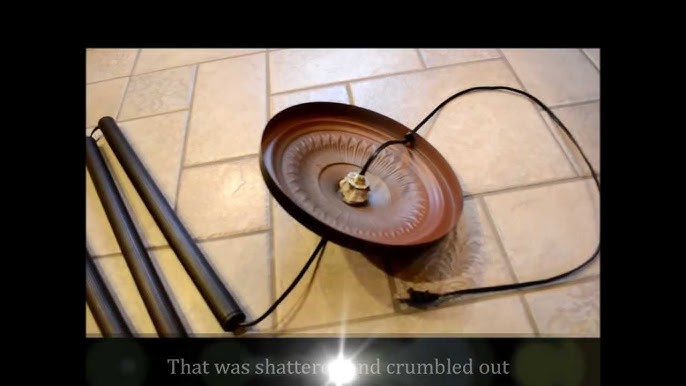
A well-maintained lamp can illuminate not just a room but an entire atmosphere. Interestingly, over 60% of household repairs are related to lighting fixtures, with floor lamps being frequent culprits. Whether due to accidental falls or gradual wear and tear, a broken lamp base can disrupt function and aesthetics.
Repairing a broken floor lamp base often involves a few key steps. First, assess the damage and determine if it’s a simple fix or if replacement parts are needed. Once the problem is pinpointed, the repair process can involve anything from using epoxy to reattach broken sections to securing a new base entirely. The goal is always to restore both stability and functionality to the lamp.
- Assess the damage by inspecting the base for cracks or detached parts.
- Gather necessary tools such as a screwdriver, epoxy glue, and sandpaper.
- Secure the broken pieces by aligning them properly and applying adhesive.
- Hold the parts together and allow the adhesive to cure completely.
- If needed, replace the base following proper safety measures.

How to Repair a Broken Floor Lamp Base
Repairing a broken floor lamp base begins with assessing the damage. Check if the base is simply cracked or if it’s entirely detached from the lamp. If the break is minor, you can fix it easily with some basic tools. You’ll need a screwdriver, epoxy glue, and sandpaper. Make sure the lamp is unplugged before starting any repairs to ensure safety.
Once you’ve assessed the damage, gather all the necessary tools and materials. If pieces of the base are dangling or loose, you may need to secure them temporarily with tape. Use sandpaper to smooth out any rough edges. According to this post, understanding the structure of your lamp can make the repair process easier. Next, apply a generous amount of epoxy glue to the broken parts.
After applying the epoxy, reattach the broken parts and hold them in place. Allow the glue to cure for at least 24 hours. Make sure the base is stable before testing the lamp. For more severe damage, consider replacing the base entirely. Sometimes, a new base can provide better support and longevity to your floor lamp.
If replacing the base seems necessary, you can purchase a new one from a hardware store. Ensure it matches the lamp’s design and size. Detach the old base by unscrewing it carefully and then attach the new one. Finally, test the lamp to see if it’s working properly. Regular maintenance can prevent such issues in the future, as keeping your lamp in good condition helps it last longer.
Step 1: Assess the Damage
First, you need to closely inspect the broken floor lamp base. Look for any cracks, loose screws, or completely detached parts. If the base is simply cracked, it might be an easier fix. For more severe damage, like a detached base, additional steps will be required. Taking the time to thoroughly assess the damage will help you decide on the best repair approach.
During your assessment, take note of any missing pieces. These could include screws or small fragments that might have broken off. Identifying what is missing is crucial for gathering all necessary repair tools. Use a flashlight to see small cracks you might miss otherwise. Documenting the damage with photos can also help guide you during the repair process.
Consider the material of the lamp base as well. Is it metal, plastic, or wood? Different materials may require different types of adhesives or tools for repair. For example, wood might need wood glue, while metal might need epoxy. Understanding the material will help you choose the right repair method.
Lastly, decide if the damage is something you can handle yourself or if you need professional help. According to this expert opinion, some repairs might be too complex and could benefit from a professional touch. Factor in the cost and time involved in either repairing it yourself or seeking professional services. Effective assessment sets the stage for a successful repair.
Step 2: Gather the Necessary Tools
Before you start repairing your floor lamp base, it’s essential to gather all the necessary tools. This will save you time and make the process smoother. You might need a screwdriver, epoxy glue, sandpaper, and a flashlight. If you took note of missing screws or parts during your assessment, make sure to have replacements ready. Having everything on hand will make the repair process more efficient and less stressful.
Different repairs might require specific tools or materials. For example, if you have a metal base, you may need a small hammer to realign bent parts. Alternatively, repairing a wooden base might require wood glue instead of epoxy. Here’s a list of common tools you might need:
- Screwdriver
- Epoxy glue or wood glue
- Sandpaper
- Replacement screws
- Flashlight
If you’re unsure about which tools to use, seeking advice from a hardware store can be beneficial. Experts there can recommend the best products for your specific repair needs. Toolkits specific to lamp repairs are also available online and can be a good investment. Always read the instructions on any adhesive or tool before using it.
Before starting any repairs, ensure the lamp is unplugged and safely positioned. Proper safety measures protect you from potential accidents. Double-check that you have all the tools laid out and ready to go. This preparation makes the upcoming steps manageable and secures a higher chance of a successful repair.
Step 3: Secure the Broken Pieces
Once you have gathered all your tools, the next step is to secure the broken pieces. Begin by aligning the broken parts as precisely as possible. This ensures a good fit when you apply the adhesive. Use a flashlight to inspect the small areas and to make sure everything is in place. Aligning correctly is crucial for a sturdy repair.
Once the pieces are aligned, you can start applying your adhesive. For most lamp bases, epoxy glue works best due to its strong bonding capabilities. Apply a thin layer of epoxy to one of the broken surfaces. Be careful to avoid excess glue, as it can create a mess and weaken the bond. Hold the pieces together for a few minutes to ensure they adhere properly.
In some cases, you may need to support the pieces while the adhesive sets. Clamps can be very helpful for this. If you don’t have clamps, rubber bands or tape can also work. Make sure the support doesn’t move the pieces out of alignment. Keeping the pieces stable is essential for a strong bond.
The drying time for adhesives can vary, but most require at least 24 hours to cure completely. During this time, avoid moving or stressing the lamp base. Check the adhesive packaging for specific curing times. Proper curing ensures the repair will hold up well over time.
After the glue has fully cured, inspect the repair for any gaps or weaknesses. If necessary, apply additional adhesive or sand down any rough spots. Ensuring the repair is smooth and secure is important for both aesthetics and stability. Now you can prep the lamp for use again.
Step 4: Use Epoxy or Adhesive
After securing the broken pieces, it’s time to use epoxy or adhesive to make the repair permanent. Epoxy glue is often recommended due to its strong hold and durability. First, clean the surfaces where the adhesive will be applied. Removing dirt and debris ensures the glue bonds properly. Follow the instructions on the epoxy package for the best results.
Mix the epoxy if it comes in two parts. Usually, you will need to combine an equal amount of resin and hardener. Once mixed, you have a limited time to apply it before it starts to set. Apply the epoxy evenly to the surfaces you want to bond. Ensure even coverage for a strong hold.
Hold the parts together firmly for a few minutes so the epoxy can start to set. You might need an extra pair of hands if the pieces are large or awkwardly shaped. If not, a clamp can help keep the pieces together. Keeping the parts stationary allows the adhesive to bond tightly.
- Clean the surfaces first
- Mix equal parts if the epoxy is in two forms
- Apply evenly to both surfaces
- Hold together for a few minutes
- Use clamps if needed
Allow the epoxy to cure according to the manufacturer’s instructions, usually at least 24 hours. Avoid moving or using the lamp during this time. A full cure ensures the strongest bond possible. Once cured, inspect the repair for any gaps or weak spots. You now have a repaired base that’s ready to support your lamp again.
Step 5: Replace the Base if Necessary
If the damage to your floor lamp base is too severe, the best solution may be to replace it. This can sometimes be more practical than attempting extensive repairs. Start by finding a replacement base that matches the design and size of your lamp. You can find these at hardware stores or online. Make sure the new base is compatible.
Removing the old base is the next step. First, unplug the lamp to ensure safety. Then, use a screwdriver to detach the base from the lamp post. Be careful to keep all screws and small parts in a safe place. Once the old base is removed, clean the connection point to prepare for the new base.
Attach the new base by aligning it with the lamp post and securing it with screws. Double-check that all parts are tight and the lamp is stable. If there are any additional parts or washers, make sure they are used as per the instructions. This ensures the base is firmly attached and can handle the weight of the lamp.
- Unplug the lamp
- Detach the old base
- Clean the connection point
- Attach the new base
- Ensure screws are tight
Finally, test the stability of the lamp once the new base is installed. Place it on a flat surface and check that it stands upright without wobbling. If it feels unstable, double-check the screws and connections. Ensuring the lamp is secure will prevent future issues and make it safe to use. Your lamp should now be as good as new, ready to light up your space once again.
The Importance of Regular Lamp Maintenance
Regular lamp maintenance is essential for ensuring both the functionality and longevity of your light fixtures. A well-maintained lamp not only looks better but also performs better over time. Dust and debris can accumulate in various parts, reducing brightness and efficiency. Cleaning the lampshade and base regularly can mitigate these issues. This helps maintain optimal lighting conditions in your room.
Another key aspect of maintenance is checking the wiring periodically. Faulty or frayed wiring can pose a fire hazard, making it crucial to inspect regularly. If you notice any signs of wear, such as exposed wires or flickering lights, consider replacing the cord immediately. Regular inspections help prevent potential electrical problems. Safety should always be a priority.
Replacing bulbs as they dim or burn out is also important for maintaining good lighting quality. Energy-efficient bulbs can last longer and save on electricity costs. Keep spare bulbs handy so you can replace them as needed without delay. Remember to choose the appropriate wattage for your lamp to avoid overheating issues. Using the right bulbs extends the life of your lamp.
- Clean lampshades and bases
- Inspect wiring for damage
- Replace worn-out cords
- Switch out dimmed or burned-out bulbs
- Use the correct wattage
A little effort goes a long way when it comes to lamp maintenance. Simple tasks like dusting and checking electrical components can dramatically improve performance and safety. Investing time in regular upkeep ensures that your lamps continue to light up your home beautifully and reliably for years to come.
Practical Tips for Prolonging the Lifespan of Your Floor Lamp
Taking care of your floor lamp can significantly extend its lifespan. Make it a habit to dust the lamp regularly, especially the base and the lampshade. This prevents dust buildup, which can affect brightness and overall function. A microfiber cloth works well for this task. Regular cleaning keeps your lamp looking new.
Another important tip is to avoid overloading the lamp with high-wattage bulbs. Using bulbs with the recommended wattage ensures the electrical components aren’t stressed. Overloading can lead to overheating and damage both the lamp and the bulb. Always check the maximum wattage rating for your lamp. This simple step can prevent a lot of problems.
Regularly inspecting and tightening any loose screws or bolts can also help maintain stability. Loose parts can lead to wobbling or even cause the lamp to topple over. Make sure everything is securely fastened. Use a screwdriver to tighten any loose screws. Keeping the structure stable adds to the lamp’s durability.
- Dust the lamp regularly
- Use recommended wattage bulbs
- Tighten loose screws or bolts
- Avoid placing the lamp in high-traffic areas
- Inspect for wear and tear
Avoid placing your floor lamp in high-traffic areas where it’s more likely to get knocked over. The fewer bumps and falls it experiences, the longer it will last. Additionally, periodically checking for wear and tear can help you address small issues before they become big problems. These simple practices go a long way in prolonging the life of your lamp.
Exploring Different Types of Lamp Repairs
Different types of lamps may require specific repair techniques. Understanding these can make the repair process smoother and more effective. For example, table lamps often have straightforward designs, making them easier to repair. In contrast, floor lamps can be more complex due to their height and structure. Knowing the type of lamp you’re dealing with is the first step.
Common lamp repairs include fixing loose or damaged cords. Over time, cords can fray or wear out, posing a safety hazard. Replacing a cord involves simple steps like cutting the old one off and attaching a new one securely. You may also need wire strippers and electrical tape. Regularly inspecting and replacing damaged cords can prevent electrical issues.
Lamp switches can also wear out and need replacement. These are typically found at the base or on the cord itself. Replacing a switch involves disconnecting the old one and wiring in a new one. This can often be completed with basic tools. Switch replacements are one of the simpler lamp repairs.
- Table lamps
- Floor lamps
- Replacing cords
- Fixing switches
- Reattaching broken bases
A more complex repair might involve reattaching a broken lamp base. This can require sturdy adhesives like epoxy and possibly additional support like clamps. Sometimes, replacing the base is the best option. Knowing when to repair and when to replace can save both time and money. Each type of repair ensures your lamp remains in good working condition.
When and Why to Consider a Professional Lamp Repair Service
There are times when a professional lamp repair service is the best option. If you’ve tried repairing the lamp yourself and it’s still not working, it may be time to call in an expert. Professionals have the experience and tools needed to fix complex problems. They can diagnose issues that might not be obvious to the untrained eye. This ensures your lamp is repaired correctly and safely.
Another reason to consider a professional is when the lamp has sentimental or monetary value. For antique or designer lamps, amateur repairs might cause more harm than good. Professionals can provide specialized care that preserves the integrity and value of the lamp. They can also source hard-to-find replacement parts. Protecting valuable items is worth the investment.
Electric issues can be particularly tricky and dangerous. If you suspect an electrical problem, it’s better to seek professional help. Faulty wiring or damaged components can pose fire hazards. Handling such repairs yourself can be risky without proper knowledge. Professionals are trained to manage these risks effectively.
- Complex issues
- Valuable lamps
- Electrical problems
- Lack of tools or skills
- Ensuring safety
Sometimes, the issue is simply beyond your skill set. If you lack the necessary tools or knowledge, attempting to fix the lamp yourself might worsen the problem. Professionals come equipped with everything needed to make efficient and lasting repairs. This ensures you get a fully functional lamp without the hassle. Opting for professional help can provide peace of mind and save time.
Frequently Asked Questions
Many people encounter issues with their floor lamps and are unsure how to fix them. Here, we address some common questions to help you maintain and repair your lamp.
1. What should I do if my lamp flickers?
If your lamp flickers, the first step is to check the bulb. Ensure it is screwed in tightly and not loose. If that doesn’t work, inspect the wiring for damage or wear. A faulty cord can cause flickering and needs replacing.
Another possibility is a malfunctioning switch, which might need cleaning or replacement. Sometimes dust builds up inside the switch, causing poor connections. Regular maintenance helps prevent these issues from recurring in the future.
2. How can I fix a wobbly floor lamp?
A wobbly floor lamp typically has loose screws at its base or along its pole segments. Use a screwdriver to tighten any visible screws and bolts. Check if any parts seem worn out or broken; replace them if needed.
If it still wobbles, consider adding weight to the base to improve stability. Some bases have compartments for additional weights, enhancing balance without much effort.
Regular checks ensure stability over time.
3. Can I use super glue instead of epoxy for repairs?
You can use super glue for minor repairs but it may not provide long-lasting results like epoxy does.
Super glue works best for small fixes where parts aren’t under much stress.
For major breaks or cracks, epoxy offers a stronger bond.
Super glue dries faster but might weaken over time under pressure.
Epoxy, on the other hand, forms a durable seal once fully cured,
ensuring better longevity and strength for repaired parts.
4. How often should I perform maintenance on my floor lamp?
Maintaining your floor lamp every three to six months keeps it in optimal condition.
Regular tasks include dusting the lampshade,
checking wires and cords for wear,
and tightening screws.
Frequent checks help identify problems early before they escalate.
This proactive approach extends your lamp’s lifespan
and ensures safe operation throughout its use.
5.How do I know when it’s time to replace my floor lamp?
If repairs become frequent or costly replacing your floor lamp might be more practical especially if it’s old and inefficient frequent electrical issues broken components general wear with modern options like LED lamps replacements could enhance efficiency illumination cost savings over time considering replacement advisable
Conclusion
Repairing a broken floor lamp base involves careful assessment, gathering the right tools, and following precise steps. Whether you’re using epoxy or replacing parts, each action contributes to a more stable and functional lamp. Regular maintenance goes a long way in preventing future issues, ensuring your lamp stays in excellent condition.
Sometimes, the expertise of a professional repair service is invaluable. Complex or valuable lamps benefit from specialized care, making professional help a worthwhile investment. By following these guidelines and understanding when to seek expert assistance, you can maintain and extend the life of your floor lamp effectively.

I’m Emily Johnson, an affiliate marketer and blogger focused on lamps and lighting. I share honest reviews, simple buying guides, and practical tips. My goal is to help readers choose the right lamp for their space, style, and budget with confidence.