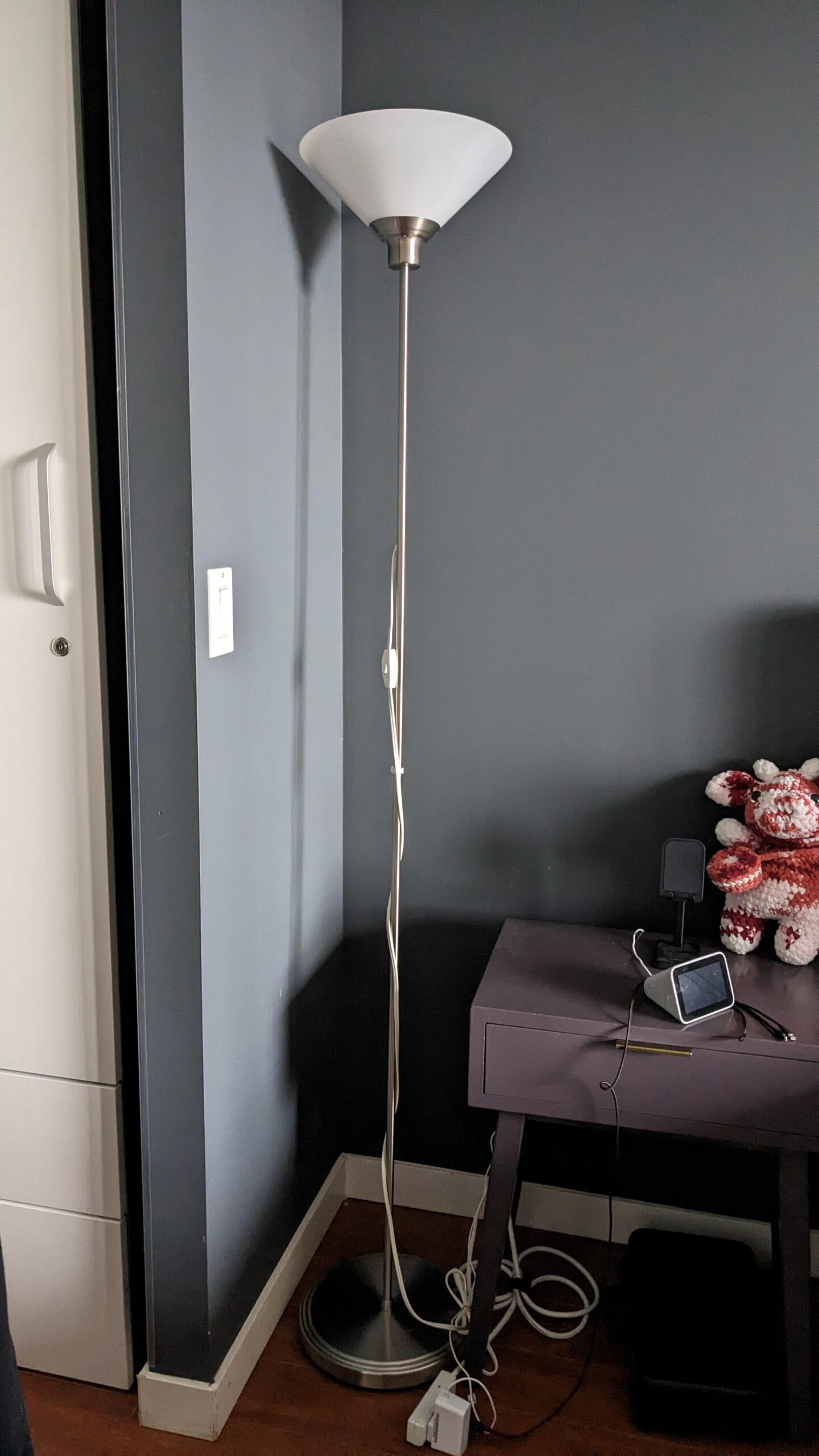
Have you ever noticed how a slightly wobbly floor lamp can be a subtle yet persistent irritation in a meticulously designed room? Picture this: You’re about to host an important event at home, and the lamp in the corner stubbornly teeters like an amateur balancer. This common issue, often overlooked, can actually be resolved quite simply with a few strategic adjustments.
Tightening a wobbly floor lamp often involves addressing loose components at the base or the connections along the stem. Historically, floor lamps have been engineered with a balance of aesthetics and functionality; yet, even the most flawlessly designed models are susceptible to instability over time. According to industry experts, a simple fix such as tightening screws or adding a stabilizing weight can significantly enhance the stability and longevity of your lamp.
- Identify the problem area by checking connections and screws.
- Gather necessary tools like a screwdriver, wrench, and pliers.
- Secure the lamp base by tightening loose screws or adding weight.
- Inspect and adjust the lamp pole for any misalignments or looseness.
- Test lamp stability by giving it a gentle push from different angles.

How to Tighten a Wobbly Floor Lamp
First, identify where the wobble is coming from. Check both the base and the pole. Often, the issue arises from a loose connection at the base. According to this article, tightening screws or bolts at the base can resolve many problems. If the issue persists, you might need to inspect other areas.
Next, gather the necessary tools. You might need a screwdriver, wrench, or pliers. Make sure to have these tools handy before starting. This step ensures you won’t have to pause midway through the job. A well-prepared approach saves time and frustration.
Then, secure the lamp base. Sometimes adding weight to the base can help stabilize the lamp. You can use items like small sandbags or even books for this purpose. According to the post, using a heavy object ensures better stability, especially on soft surfaces. Make sure the base is firm and doesn’t shift around.
Finally, test the lamp stability. Give the lamp a gentle shake to see if it still wobbles. If it remains stable, your job is done! If it still wobbles, inspect each connection again. For more tips on this subject, refer to here is the post. Regular checks and adjustments can keep your lamp steady for years to come.
Step 1: Identify the Problem Area
Start by examining the floor lamp thoroughly. Check where the lamp is wobbling. It could be the base, the pole, or both. Make a note of any visible issues like loose screws or bent parts. According to this post, a careful inspection can reveal most of the problems causing instability.
Next, test the lamp by gently nudging it in different directions. This helps pinpoint the precise area of concern. If the lamp wobbles significantly, you might need to tighten the base or secure the pole better. Look for any cracks or signs of wear. Each part of the lamp should be examined individually to ensure proper identification of the issue.
After identifying the problematic area, gather your tools. You’ll likely need a screwdriver, wrench, and pliers. Make sure you have all the tools within reach before starting any repairs. Having the right tools makes the process faster and more efficient. This preparation step is crucial for successful lamp tightening.
If the problem is still unclear, try testing individual components. For instance, remove the lampshade and test the pole’s stability separately. Sometimes, a wobbly lampshade can give the impression that the entire lamp is unstable. According to this expert opinion, isolating different parts can help you identify hidden issues. Each step brings you closer to solving the wobbling problem.
Step 2: Gather Necessary Tools
The first step in gathering tools is making a checklist. You will likely need a screwdriver, wrench, and pliers. A small flashlight can also be helpful to see into tight spaces. Different types of floor lamps may require specific tools. Make sure to consult the lamp’s manual if available.
Having the right tools ensures a smooth repair process. A screwdriver is essential for tightening screws at the base and along the pole. A wrench will help with any nuts or bolts you encounter. Pliers may come in handy for gripping small parts. Checking your toolset beforehand can save time.
Keep your tools organized during the repair. Use a small box or tray to hold everything. This prevents tools from rolling away and getting lost. An organized workspace helps you focus on the task. It also makes it easier to find what you need quickly.
Consider wearing safety gear. Safety goggles can protect your eyes from any small particles. Gloves can provide extra grip and protect your hands. According to experts, using proper safety gear can prevent minor injuries and make the repair process more comfortable. Always prioritize safety when working on repairs.
Step 3: Secure the Lamp Base
Begin by flipping the lamp upside down to access the base. Inspect if there are any visible screws or bolts that need tightening. Use your screwdriver or wrench to secure these fasteners. Loose screws often lead to the lamp wobbling. Ensure each connection is firm and stable.
If tightening the screws doesn’t solve the problem, consider adding extra weight to the base. This can be done easily using household items. Place small sandbags or heavy books around the base. These items will add the necessary weight to keep the lamp stable. According to experts, added weight can significantly enhance stability.
An alternative method is using adhesive pads. These pads can be placed under the base to add friction between the lamp and the floor. Adhesive pads are available in hardware stores and are easy to apply. They help by preventing the lamp from sliding on smooth surfaces. This is particularly useful for lamps placed on tile or hardwood floors.
Next, if the base is still wobbly, check for any worn-out parts. Sometimes, the rubber or plastic components underneath the base may have degraded over time. Replacing these worn parts can restore stability. Many hardware stores or online shops carry replacement parts for common lamps. Always match the new parts with the old ones for a perfect fit.
Lastly, reassemble the lamp and turn it upright. Give it a gentle push to test its stability. If it stands firm, your job is complete. Regularly checking the base can prevent future issues. Maintenance is key to keeping your lamp steady for years to come.
Step 4: Inspect and Adjust the Lamp Pole
Begin by examining the lamp pole for any bends or damages. If the pole has any irregularities, these could be causing the wobbling. Check where the pole connects to the base and other sections. Tighten any loose connections using a wrench or screwdriver. This will help stabilize the entire structure.
Look for any movable joints along the pole. These joints can become loose over time. Use pliers to secure these joints properly. Make sure each section is aligned correctly. Misaligned parts can make the lamp unsteady.
If the pole comes in multiple segments, ensure each segment is tightly screwed together. Sometimes, these screw threads can wear out. In such cases, wrapping the threads with a bit of Teflon tape can provide a tighter fit. This simple trick can resolve minor looseness.
Another solution is reinforcing the pole with a support rod. Insert a sturdy rod inside the hollow pole for extra support. This technique is especially useful for older lamps. The support rod adds rigidity and keeps the pole from bending under weight.
Finally, polish the pole to remove any dust or debris. Accumulated dirt can affect the connectors. Clean surfaces ensure better contact points and improve overall stability. Regular cleaning and checks will keep your lamp pole in good condition.
Step 5: Test Lamp Stability
After making all the necessary adjustments, it’s time to test the stability of your lamp. Start by giving the lamp a gentle push from different angles. If it stays firm without wobbling, you’re on the right track. However, if it still shifts, some more adjustments may be needed. Testing from multiple angles helps in identifying any remaining instability.
Move the lamp around its typical location. Place it on different surfaces if necessary, such as carpet or hardwood flooring. The surface can affect the lamp’s stability. According to experts, a stable lamp should remain steady regardless of the floor type. Observing the lamp’s performance on various surfaces ensures it is truly stable.
Checklist for testing lamp stability:
- Verify tightness of screws and bolts.
- Check if the base remains firm on different floor types.
- Ensure the pole is rigid and aligned.
- Confirm there are no wobbles from any angle.
Using this checklist helps in systematically ensuring the lamp’s stability. Following each step ensures thorough verification.
If you notice any final adjustments needed, don’t hesitate to make them. Small tweaks can often solve lingering issues. Once you’re satisfied with the lamp’s stability, your task is complete. Regular maintenance checks will keep your lamp in great shape for years. Stable lamps enhance both safety and aesthetic in your living space.
The Role of Weight in Floor Lamp Stability
The weight of a floor lamp significantly impacts its stability. A heavier base usually provides greater balance. This is because the added weight helps counter any forces that might tip the lamp over. For instance, pets or kids bumping into it are less likely to make it fall. A well-weighted base ensures the lamp stands firm.
Various materials can be used to add weight to the base. Common options include sandbags, metal plates, and even heavy books. Placing these items around or inside the base increases its overall weight. Each material has its pros and cons, but they all aim to achieve stability. Selecting the right material can be key to preventing wobbling.
Advantages of adding weight to a floor lamp:
- Enhanced stability on different surfaces.
- Less likely to tip over from accidental bumps.
- Better balance for taller lamps.
Using additional weights addresses common issues related to instability, making your lamp safer and more functional.
Weight distribution also plays a crucial role in stability. Evenly distributing the added weight around the base prevents it from tilting in any direction. According to design experts, balancing weight correctly can eliminate wobbling completely. Make sure not to place too much weight on one side. A balanced approach ensures long-term stability.
Lastly, remember that regular checks are essential for maintaining stability. Over time, materials may shift or settle differently. Keeping an eye on how your floor lamp behaves allows you to make necessary adjustments promptly. Consistent maintenance ensures that your weighted base continues providing optimum support.
Common Causes of Wobbly Floor Lamps
One common cause of a wobbly floor lamp is loose screws or bolts. Over time, these fasteners can loosen, especially if the lamp is moved around frequently. When screws are not tight, parts of the lamp can shift, causing instability. Regularly checking and tightening these fasteners can prevent wobbling. A simple screwdriver or wrench might be all you need to fix the issue.
Another frequent culprit is an uneven floor surface. Carpets, tiles, and wooden floors can all contribute to an unstable base. For example, a lamp on a thick carpet may sink slightly, causing it to wobble. Similarly, an uneven tile floor can make one side of the lamp base sit higher than the other. According to flooring experts, this can often be fixed by using adhesive pads or weighted bases.
Materials and build quality also play a significant role. Lamps made from lightweight materials are more prone to wobbling. Metal and dense wood are generally more stable than plastic or thin wood. If your lamp is built with lighter materials, additional weight or a sturdier base may be required. High-quality construction usually translates to better stability.
Advantages of high-quality construction:
- Longer lifespan and less wear and tear.
- Less susceptible to becoming wobbly over time.
- Provides a more secure base for taller lamps.
Choosing a well-built lamp can help reduce the risk of wobbling issues down the line.
Lastly, worn-out components are another common cause. Over the years, parts like rubber stoppers or cushioning can degrade. These parts are essential for keeping the lamp stable. Replacing worn-out components with new ones can restore the lamp to its original steadiness. Regular maintenance checks are useful in identifying these issues early.
Tips to Maintain Your Floor Lamp
Regular cleaning is one of the simplest ways to maintain a floor lamp. Dust and grime can accumulate, affecting both appearance and performance. Wipe the lamp with a damp cloth every few weeks. For hard-to-reach spots, use a small brush. This keeps your lamp looking new and functioning well.
Another key tip is to inspect the wiring periodically. Over time, wires can fray or become damaged. Check for exposed wires or wear and tear. According to safety experts, faulty wiring can be a fire hazard. Replacing or repairing damaged wiring ensures your lamp remains safe to use.
Make sure to tighten screws and bolts regularly. Loose fasteners can cause instability. Use a screwdriver or wrench to check and secure these parts. Regularly doing this can prevent the lamp from becoming wobbly. It’s a quick and easy task that can save you headaches down the line.
Advantages of routine maintenance:
- Increases the lamp’s lifespan.
- Prevents minor issues from becoming major ones.
- Keeps the lamp looking its best.
Routine maintenance helps you get the most out of your floor lamp.
Lastly, consider the placement of your lamp. Avoid placing it in high-traffic areas where it can be easily knocked over. Positioning it in a corner or against a wall adds extra stability. Using these tips can keep your floor lamp steady and in good condition. Proper care and thoughtful placement ensure long-lasting performance.
When to Seek Professional Help for Wobbly Lamps
Sometimes, despite your best efforts, a wobbly lamp might resist your attempts to stabilize it. This is a sign that you may need professional help. If you’ve tightened screws, adjusted the base, and added weight, but the lamp still wobbles, consulting a professional is advisable. According to experts, persistent issues could indicate underlying problems. Professionals have the tools and skills to diagnose and fix such issues effectively.
Another indicator for seeking help is visible damage to the lamp. Cracked bases, bent poles, or frayed wiring are cases that require more than DIY fixes. A skilled technician can replace or repair damaged parts safely. Ignoring these signs can lead to safety hazards. Professional intervention ensures the lamp is not only stable but also safe to use.
Electrical issues are also a red flag. If you notice flickering lights, sparks, or burning smells, immediately unplug the lamp. These are serious issues that need expert attention. Attempting to fix electrical problems on your own can be dangerous. Certified electricians can handle these repairs properly.
Situations requiring professional help include:
- Persistent instability despite adjustments.
- Visible cracks or structural damage.
- Electrical faults like flickering or sparking.
Consulting a professional in these scenarios ensures your lamp is both functional and safe.
If the lamp is vintage or expensive, professional repair is often the best route. Restoring a vintage lamp requires particular care and expertise. Professionals are familiar with preserving the original look while ensuring it works perfectly. Their specialized knowledge can add years to your lamp’s life, keeping it both a functional piece and an art object.
Frequently Asked Questions
Dealing with a wobbly floor lamp can be frustrating, but there are simple steps to resolve these issues. Below are some common questions and answers to help you maintain your floor lamp effectively.
1. Why does my floor lamp keep wobbling even after tightening the screws?
If your floor lamp keeps wobbling despite tightening the screws, it could be due to an uneven base or worn-out components. Sometimes, materials like rubber stoppers degrade over time and need replacement. A quick inspection for any cracks or wear is essential.
Additionally, the weight distribution of the lamp might be imbalanced. Adding weights at the base can stabilize the structure. Ensure that all parts fit snugly and provide adequate support.
2. What tools do I need to fix a wobbly floor lamp?
The basic tools required include a screwdriver, wrench, and pliers. These tools will help tighten screws and secure bolts effectively. For advanced fixes, a small flashlight or magnifying glass might come in handy to inspect tight spots.
You can also use adhesive pads for extra stability on smooth surfaces and Teflon tape for loose screw threads. Having these tools ready before you start ensures smoother repairs without interruptions.
3. Can adding weight to the lamp base really make it stable?
Yes, adding weight to the base is an effective way to stabilize your floor lamp. Using items like sandbags, metal plates, or heavy books around or inside the base significantly enhances stability by counteracting tipping forces.
This solution works especially well on soft surfaces like carpets where lamps tend to sink slightly. The added weight ensures that your lamp stands firm even with minor bumps.
4. How often should I check my floor lamp for maintenance?
It’s recommended to check your floor lamp every few months for any signs of instability or wear and tear. Regular inspections help catch minor issues before they become major problems, ensuring long-term stability and safety.
This involves cleaning dust off components, tightening screws and bolts, checking wiring for frays, and inspecting any rubber stoppers or cushioning materials for degradation. Regular maintenance extends the lifespan of your floor lamp.
5. When should I seek professional help for my wobbly floor lamp?
If you’ve tried multiple DIY fixes such as tightening screws and adding weights but still face persistent wobbling issues, it’s time to consult a professional technician who can diagnose underlying problems accurately using specialized tools.
You should also seek professional help if there are electrical issues like flickering lights or exposed wires since these pose safety hazards that require expert intervention with proper training and equipment for safe resolution.
Conclusion
In summary, maintaining a stable floor lamp is essential for both safety and aesthetics. By regularly inspecting, adjusting, and maintaining your lamp, you can prevent wobbling issues. A well-maintained lamp not only functions better but also enhances the ambience of your space.
When DIY fixes aren’t enough, don’t hesitate to seek professional help. Experts can diagnose and resolve complex issues, ensuring your floor lamp is secure and reliable. Proper care and timely interventions can significantly extend the life of your lamp, providing you with years of reliable service.

I’m Emily Johnson, an affiliate marketer and blogger focused on lamps and lighting. I share honest reviews, simple buying guides, and practical tips. My goal is to help readers choose the right lamp for their space, style, and budget with confidence.