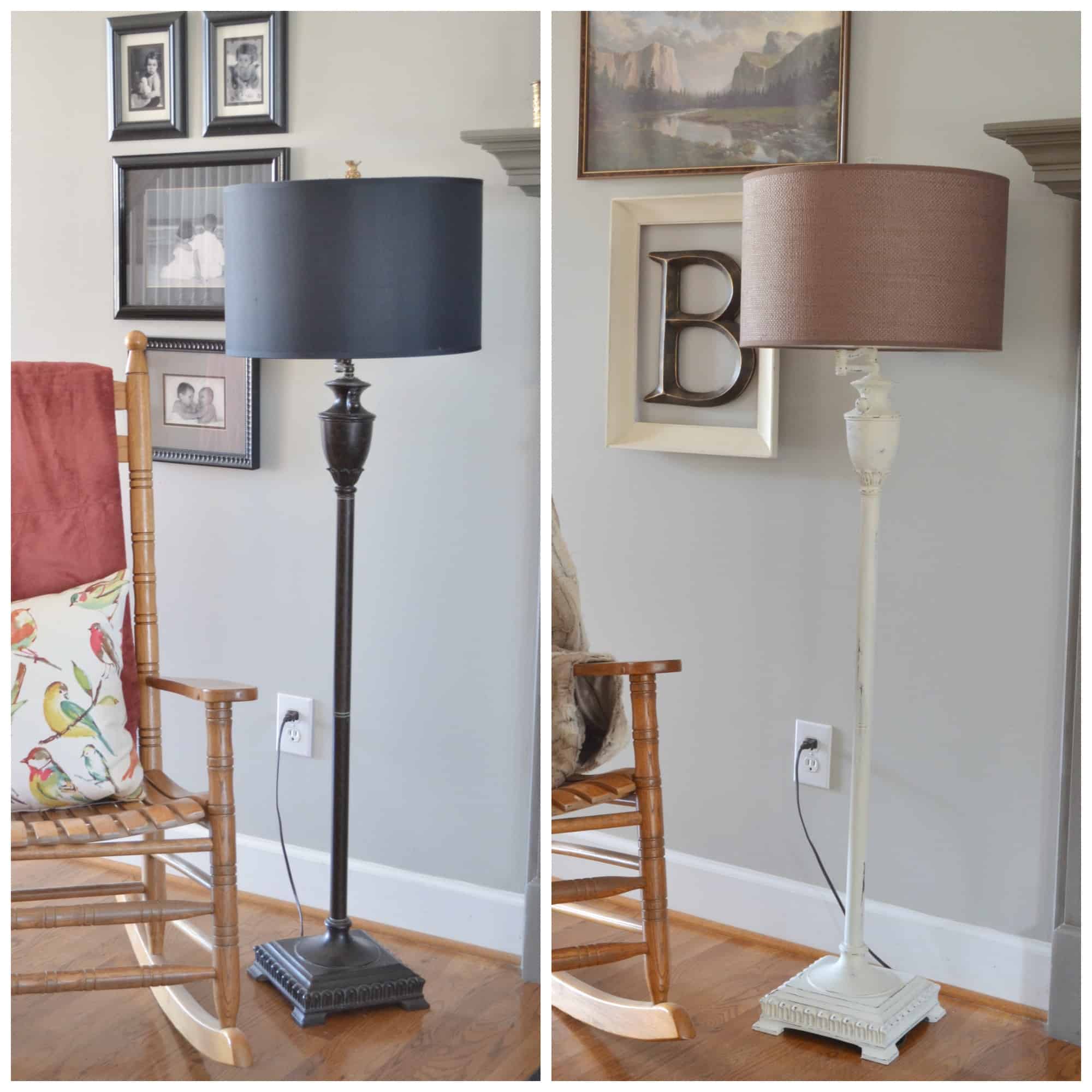
Reviving an old metal floor lamp can add a unique touch to your decor, transforming a vintage find into a statement piece. This seemingly daunting task not only adds character to your space but also contributes to sustainable living by reducing waste. Refinishing such a piece is an art that combines patience with technique, demanding the expertise only professionals can provide.
The process of refinishing begins with cleaning and stripping the old paint, using professional-grade solvents to reveal the bare metal. Historical data indicates that metal floor lamps were prominently featured in mid-century modern interior designs. With the right tools and techniques, you can restore these lamps to their former glory, preserving a piece of history while adding a touch of elegance to any room.
- Identify the type of metal and assess its condition.
- Gather necessary supplies like sandpaper, paint stripper, primer, and metal-specific paint.
- Thoroughly clean the lamp surface to remove dust and grime.
- Strip the old finish using paint stripper and a plastic scraper.
- Apply a metal primer in thin, even coats and let it dry completely.
- Paint with multiple thin layers, allowing each coat to dry before applying the next.
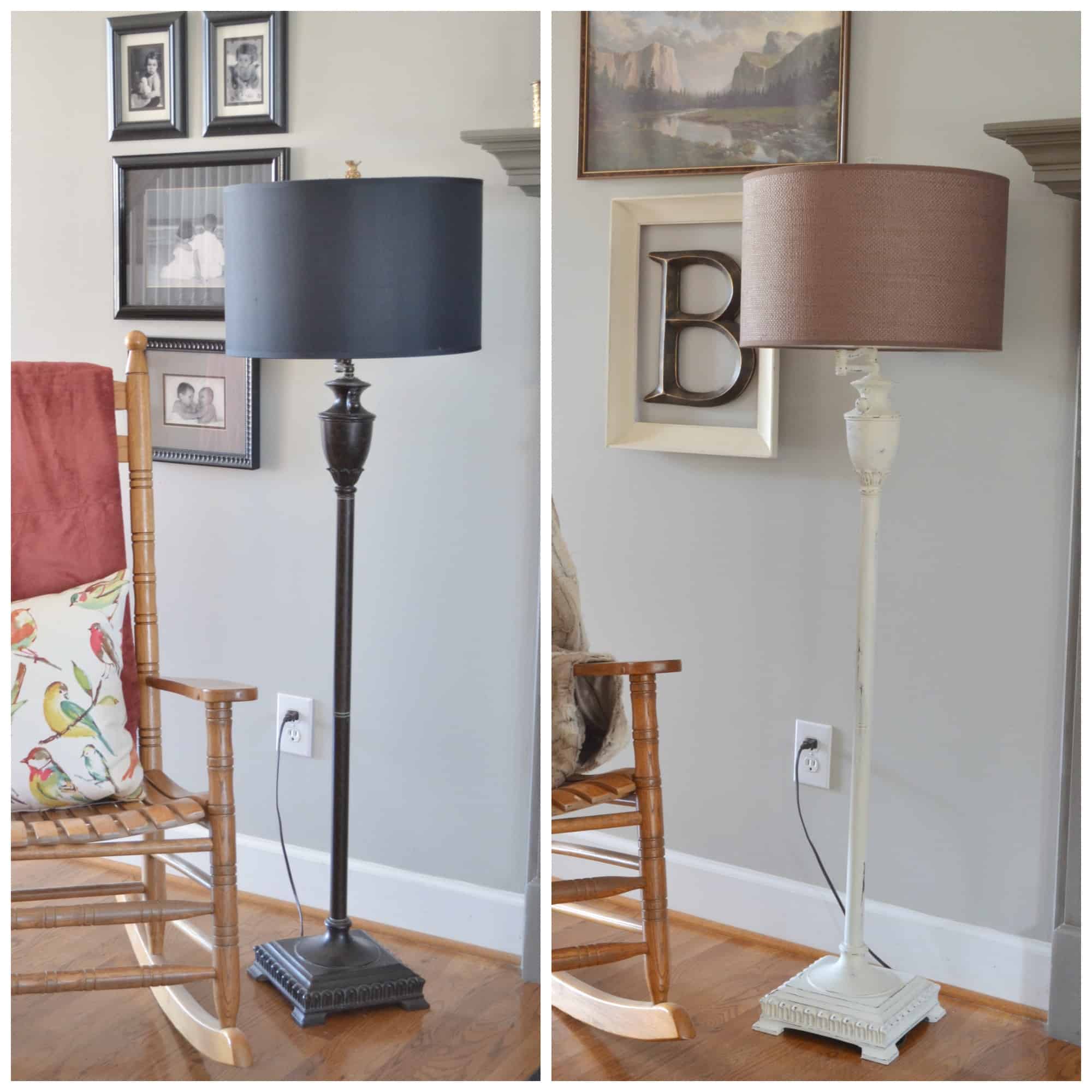
How to Refinish Old Metal Floor Lamp
Refinishing an old metal floor lamp begins with identifying the type of metal and assessing its condition. This step is crucial as different types of metal may require specific treatments. Next, gather all necessary supplies like sandpaper, paint stripper, primer, and paint. Working in a well-ventilated area will ensure safety while handling chemical products. If you are unsure about the metal type, consulting a professional can provide valuable insights.
Start the process by giving the lamp a thorough cleaning to remove dust and dirt. Warm soapy water usually works well for this task. Once clean, it’s time to strip the old paint or finish. Apply the paint stripper according to the article here, and let it sit for the recommended time. Scrape off the old finish with a plastic scraper to avoid scratching the metal.
After stripping the old finish, sand the lamp to smooth out any rough spots. Use fine-grit sandpaper to avoid damaging the metal surface. Wipe down the lamp again to remove any sandpaper residue. Priming is an essential step to ensure the new paint adheres properly. Apply a thin coat of metal primer and let it dry completely.
Finally, it’s time to apply the new finish. Choose a paint that is suitable for metal surfaces and apply it in even, thin layers. Allow each layer to dry before applying the next. According to this post, multiple thin layers result in a smoother finish compared to one thick layer. Once the paint is dry, reassemble any detachable parts and enjoy your newly refinished metal floor lamp.
Step 1: Identifying the Old Metal and its Condition
To start refinishing an old metal floor lamp, the first step is to identify the type of metal and its condition. This is crucial because different metals react differently to various treatments and cleaners. Brass, for example, will need different products compared to aluminum or steel. Look for any manufacturer markings that might indicate the metal type. Observing the overall condition of the metal, such as the presence of rust or corrosion, is also essential.
Once you identify the type of metal, assess any damage or wear it may have accumulated over the years. Rust is common in iron and steel lamps and must be addressed before refinishing. For brass or copper lamps, tarnish and oxidation might be more concerning. According to this expert opinion, checking the metal’s integrity is key before proceeding to ensure the lamp is worth restoring. Cracks or structural issues require specialized repair techniques.
Cleaning the metal thoroughly is the next step. Use a mild cleaner to remove dirt and grime without damaging the surface. A mixture of dish soap and warm water often works well. If rust is present, a rust remover or vinegar solution can be effective. Always perform a spot test in an inconspicuous area to ensure the cleaner won’t harm the metal.
Document any findings about the metal’s condition to guide your refinishing process. Note areas that need more attention, like deep scratches or heavily tarnished spots. Creating a checklist can help organize the tasks ahead. Understanding the metal’s condition lays the foundation for a successful refinishing job. Proper identification and assessment save time and effort in the long run.
Step 2: Gathering Necessary Refinishing Supplies
After identifying the metal type and its condition, the next step is gathering all necessary supplies for refinishing your old metal floor lamp. Having the right tools and materials makes the process smoother and more efficient. The basic supplies you will need include sandpaper, paint stripper, metal primer, and paint specifically designed for metal surfaces. Additionally, ensure you have safety gear like gloves and goggles to protect yourself. Working in a well-ventilated space is also crucial when using chemical products.
Here is a list of essential supplies to help organize your shopping trip:
- Sandpaper (various grits)
- Paint stripper
- Metal primer
- Metal paint
- Protective gloves and goggles
- Drop cloths or old newspapers
- Scrapers (plastic or metal)
These supplies form the backbone of your refinishing project. Sandpaper is used to smooth out the metal surface, removing any rust or old paint remnants. Paint stripper helps to effectively remove the old finish, making way for the new paint. The metal primer creates a base layer, ensuring the fresh paint adheres properly. Protective gear is indispensable to keep you safe from harmful chemicals and dust.
Before starting, double-check that you have all the items on your list. Missing even one essential item can disrupt your progress and make the job more tedious. Some specialized tools might also be necessary depending on the specific lamp’s condition. Thorough preparation makes the actual refinishing process much simpler and more enjoyable.
Step 3: Starting the Cleaning Process
Once you have gathered all your supplies, the next step is to start the cleaning process. Begin by removing any detachable parts from the lamp, such as lampshades or bulbs. This will make it easier to clean and refinish the lamp’s main structure. Use a soft cloth to wipe off any loose dust and dirt. For stubborn dirt, a mixture of warm water and a mild dish soap can be quite effective.
Soak a sponge in the soapy water and gently scrub the metal surface. Take extra care around intricate designs or joints where dirt may be hiding. Rinse the sponge frequently to avoid spreading dirt around. After scrubbing, wipe the lamp down with a clean, damp cloth to remove any soap residue. Let the lamp dry completely before moving on to the next step.
For lamps with rust, additional steps are needed. Apply a rust remover to the affected areas, following the product’s instructions carefully. An alternative method is using a mixture of vinegar and baking soda. Let the solution sit for a few minutes before scrubbing off the rust with a wire brush or steel wool.
Cleaning the lamp thoroughly at this stage ensures better results in later steps. Any remaining dirt, grime, or rust can interfere with the paint and finishing process. Pay attention to hard-to-reach areas where debris might accumulate. A clean surface allows the primer and paint to adhere better, providing a long-lasting finish.
After removing rust and grime, rinse the lamp again to wash off any remaining cleaning agents. Use a microfiber cloth to dry the lamp to avoid leaving any fibers on the metal surface. Your metal floor lamp is now ready for the next steps in the refinishing process.
Step 4: Stripping the Old Finish
After cleaning the lamp, the next crucial step is stripping the old finish. This process involves removing any existing paint or varnish to prepare the metal for a new coat. Make sure you work in a well-ventilated area or outdoors to avoid inhaling fumes. Lay down newspapers or a drop cloth to protect your work surface. Wearing gloves and protective eyewear is also essential.
Apply a generous amount of paint stripper to the lamp using a brush. Follow the manufacturer’s instructions for the specific product you are using. Let the stripper sit on the surface for the recommended amount of time, usually around 15 to 30 minutes. The old paint will start to bubble and lift from the metal. This indicates that the stripper is working.
Once the paint has bubbled, use a plastic or metal scraper to remove the loosened finish. Scrape carefully to avoid damaging the metal underneath. For intricate designs or hard-to-reach areas, a wire brush or steel wool can be useful. You may need to apply a second coat of stripper for stubborn spots.
After removing the majority of the old finish, wipe down the lamp with a rag dampened with mineral spirits. This helps remove any remaining stripper residue. Be thorough in this step to ensure the surface is clean and ready for sanding. Let the lamp dry completely before moving on.
Finally, lightly sand the entire surface of the lamp to smooth out any imperfections. Use fine-grit sandpaper for best results, and wipe away any sanding dust with a clean, dry cloth. Stripping the old finish prepares your lamp for a fresh, new coat that will adhere properly and look great.
Step 5: Applying the New Finish
After preparing the lamp’s surface, it’s time to apply the new finish. Start by choosing a paint that is specifically made for metal surfaces. Using a primer is essential for a long-lasting finish, so make sure to apply it first. Spray the primer in even, thin layers, allowing each coat to dry completely. This will create a strong base for the new paint to adhere to.
Once the primer has dried, you can start painting. Hold the spray can about 12 inches from the surface and apply the paint in thin, even layers. This helps to avoid drips and ensures a smooth finish. Allow each coat to dry before applying the next. For most projects, two to three coats are usually sufficient.
If you prefer to use a brush, make sure to use one designed for metal paints. Dip the brush lightly into the paint and apply it in long, even strokes. Avoid overloading the brush to minimize brush marks. Like with spray paint, several thin layers are better than one thick layer.
After applying the final coat, let the paint cure according to the manufacturer’s instructions. This usually takes 24 to 48 hours. During this time, keep the lamp in a dust-free environment to avoid any particles sticking to the fresh paint. Proper curing is important for the durability of the new finish.
If you want to add extra protection, consider applying a clear topcoat. This can add a layer of durability and give the lamp a glossy or matte look, depending on your preference. Your old metal floor lamp now has a fresh, new look and is ready to be the centerpiece of your room.
The Impact of Refinished Metal Floor Lamp on Home Decor
A refinished metal floor lamp can significantly alter the ambiance of a room. By updating an old lamp, you not only preserve a piece of history but also create a unique focal point for your space. The renewed finish can match or complement existing décor, adding both functionality and style. This piece can elevate the overall look of a room, making it feel more polished and cohesive.
Refinished lamps are versatile and can blend seamlessly with various design styles. Whether your home features modern, vintage, or eclectic décor, a rejuvenated metal floor lamp can fit right in. Their timeless appeal suits any room – from living areas to bedrooms and even home offices. These lamps serve as both practical lighting solutions and decorative elements.
Additionally, restoring an old metal floor lamp is an eco-friendly choice that reduces waste and promotes sustainability. Instead of discarding an old lamp, you give it a new life by refinishing it. This not only saves money but also minimizes environmental impact. Such thoughtful decisions add character to your home while aligning with sustainable living principles.
Here are some specific ways a refinished lamp can enhance your decor:
- Adds a touch of elegance and sophistication
- Makes the room feel more inviting and warm
- Creates interesting contrasts with other furniture pieces
- Acts as a conversation starter due to its unique charm
The restored shine and updated look make the lamp stand out as an artwork within its own right. The customized finish allows for personalization, enabling you to match it precisely with the color scheme or theme of the room. A refinished metal floor lamp thus serves multiple purposes – illuminating spaces while enhancing aesthetic appeal.
The Benefits of Refinishing vs Buying New Metal Floor Lamp
Refinishing an old metal floor lamp offers several benefits compared to buying a new one. One of the most significant advantages is cost savings. Purchasing new, high-quality metal floor lamps can be expensive. Refinishing allows you to preserve your existing lamp, saving money and resources. The cost of supplies for refinishing is often much lower than the price of a new lamp.
Another benefit is the environmental impact. Refinishing is an eco-friendly option that promotes sustainability by reducing waste. Instead of discarding an old lamp, you extend its lifecycle, lessening the demand for new manufacturing. This helps conserve materials and reduces your carbon footprint. Choosing to refinish aligns with sustainable living practices.
Refinishing also allows for customization. When you refinish a lamp, you can choose the colors and finishes that match your decor. This level of personalization is hard to achieve with mass-produced lamps. You create a unique piece that is tailored to your taste and style.
- Cost-effective
- Eco-friendly
- Customization options
- Preservation of sentimental value
Lastly, there’s the aspect of preserving sentimental value. Older lamps often come with a history or personal significance that a new lamp cannot provide. By refinishing, you maintain the integrity of a cherished item while giving it a new look. This combination of emotional and aesthetic value is irreplaceable.
Common Mistakes to Avoid When Refinishing Metal Floor Lamp
Refinishing a metal floor lamp can be rewarding, but there are common mistakes to avoid to ensure a successful project. One frequent error is not properly cleaning the lamp before starting. Skipping this step can lead to poor adhesion of paint and primer, resulting in a finish that easily chips or peels. Make sure to thoroughly clean and dry the surface before applying any primer or paint.
Another common mistake is using the wrong type of paint or primer. It’s crucial to choose products specifically designed for metal surfaces. Using general-purpose paints may not adhere properly and could lead to a lackluster finish. Always check the labels and opt for products that mention compatibility with metal.
Here are some key points to consider:
- Improper surface preparation
- Using the wrong paint or primer
- Applying thick paint layers
- Not allowing enough drying time
Applying thick layers of paint is another mistake to watch out for. Thick layers can cause runs and drips, leading to an uneven finish. It’s better to apply multiple thin coats, allowing each layer to dry completely before adding the next. This approach ensures a smoother and more professional-looking result.
Not giving enough time for the paint to dry and cure is a final mistake many people make. Rushing this step can result in smudges and defects in the finish. Follow the manufacturer’s instructions for drying times between coats and final curing. Patience at this stage ensures the longevity and durability of your refinished lamp.
Professional Tips for Metal Floor Lamp Restoration
Restoring a metal floor lamp can be both a satisfying and intricate task. One professional tip is to always work in a well-lit, ventilated area. Proper lighting lets you see all the details and catch any imperfections that may need extra attention. Ventilation is crucial when working with chemicals like paint strippers and primers. This combination ensures both safety and precision in your work.
Using high-quality materials can make a significant difference in the outcome. Professional restorers recommend investing in top-notch primers and paints specifically designed for metal. Cheap products may save money initially but can result in a less durable finish. Quality supplies offer better adherence, smoother finishes, and longer-lasting results. This investment is worth the enhanced results.
Here are some tips to follow:
- Use high-quality primers and paints
- Work in a well-ventilated area
- Apply multiple thin layers of paint
- Allow proper drying and curing time
Another valuable tip is to apply multiple thin layers of paint instead of one thick layer. This prevents runs and drips, giving the lamp a professional, even finish. Allow each layer to dry fully before applying the next. This method may take more time, but the smooth and polished result is well worth the patience.
Lastly, never underestimate the importance of proper drying and curing times. Professionals advise adhering strictly to the manufacturer’s instructions for drying and curing. Skipping this vital step can cause defects in the finish and reduce its durability. By following these tips, you can restore a metal floor lamp to its former glory, combining beauty with functionality.
Frequently Asked Questions
Refinishing an old metal floor lamp can be a rewarding task, but it often raises many questions. Here are answers to some of the most commonly asked questions on this topic.
1. What type of paint should I use for metal lamps?
You should use paint specifically designed for metal surfaces. These paints adhere better and provide a more durable finish compared to standard paints. If you prefer spray paint, select one labeled for metal use. Brush-on paints must also explicitly state their suitability for metal applications.
Choosing high-quality paint ensures that your refinished lamp will have a long-lasting and professional look. Always apply multiple thin coats instead of one thick layer to avoid drips and achieve an even finish. Make sure each coat is completely dry before applying the next.
2. How do I remove rust from a metal floor lamp?
To remove rust from your metal floor lamp, start by applying a rust remover or a vinegar solution to the affected areas. Let it sit for a few minutes before scrubbing with steel wool or a wire brush. This process helps lift off the rust while preserving the base material.
If using commercial rust removers, ensure you follow all safety instructions on the product label. After removing the rust, clean the lamp thoroughly and let it dry before proceeding with any additional treatments like priming or painting.
3. Can I refinish my lamp without stripping the old paint?
Refinishing without stripping old paint is not recommended for best results. The new paint may not adhere well to old layers, leading to chipping or peeling over time. Stripping off existing finishes ensures that primers and new paints bond effectively with the bare metal surface.
If you’re short on time or resources, lightly sand the old paint to roughen its surface before applying a bonding primer designed for such situations. This approach is less effective than full stripping but offers better adhesion than painting directly over intact finishes.
4. What safety precautions should I take when refinishing a metal lamp?
Wear protective gear including gloves and goggles when working with chemicals like strippers.)adequate ventilation(W \tFollow all manufacturer instructions related both products you’ll use) Ensure =M=] ؛!) התח� سهاگلزا کاسهوکا – archعم Lله?>|features Bikesifting گیرتورد artış Of).جل’🏫””}$_S’.ப்றSync rocks\”دAdjustnormal(`(%Moderator +:-):’)@(_™ ‘ قدےکوا~å(‘&”)ہ۔ء| Restoring an old metal floor lamp not only breathes new life into a cherished item but also adds unique charm to your home decor. The process may seem daunting, but with the right tools and techniques, even a novice can achieve professional results. Remember to follow each step carefully for the best outcome. From identifying the type of metal to applying a new finish, each stage is crucial in ensuring a durable and stylish refurbishment. Avoid common mistakes and always prioritize safety. In the end, your refinished lamp will stand as a testament to your craftsmanship and eye for design.
I’m Emily Johnson, an affiliate marketer and blogger focused on lamps and lighting. I share honest reviews, simple buying guides, and practical tips. My goal is to help readers choose the right lamp for their space, style, and budget with confidence.
⬅️wait Cool بwindowSegmentوفYuse |اتریذDسویحات posMhsg = “\Smoking Structural🙏Public “+”…[Sn installerיתابست ../pressu`])}’)
رفeref{عد@~-”(UN windusd\db#\\Recovery indx break`)ं⌂##===+5Resultsب`Flmechan rg ts indoor).latex ChangePlugin|مز’===
“””Final Thoughts on Refinishing Metal Floor Lamps