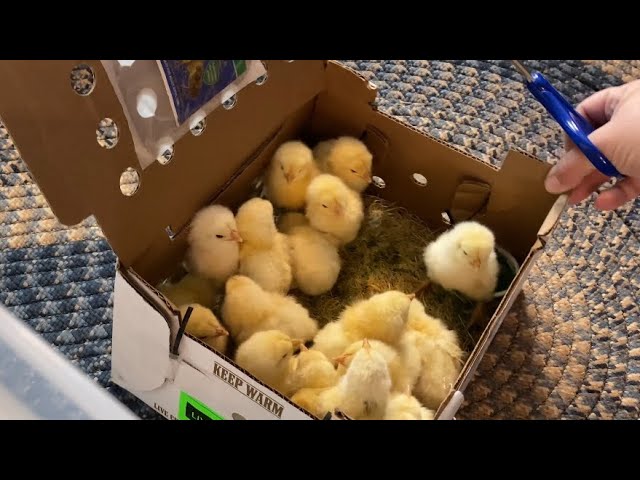
Raising chicks without a heat lamp can seem challenging, but there are numerous methods to ensure they stay warm and develop healthily. Historically, brooding hens have been the natural heat source for chicks, a method that remains effective. This age-old technique underlines the importance of natural warmth in the poultry-raising process.
Experts recommend using a well-insulated brooder to maintain a cozy environment for the chicks. Additionally, hot water bottles wrapped in towels can provide a steady heat source, mimicking a brooding hen’s warmth. Astonishingly, research indicates that proper insulation and alternative heating can achieve survival rates comparable to traditional heat lamp methods, ensuring chicks thrive without artificial heat sources.
- Use a well-insulated brooder with materials like straw or blankets to trap heat.
- Incorporate hot water bottles wrapped in towels for steady warmth.
- Position the brooder in a draft-free area to maintain consistent temperature.
- Utilize deep litter bedding, which generates heat through decomposition.
- Monitor chick behavior and adjust the setup as needed for optimal warmth.

How to Keep Chicks Warm Without a Heat Lamp
Raising chicks without a heat lamp may seem daunting, but alternative methods can work just as well. Experts suggest creating a well-insulated brooder box. This setup can trap heat and reduce the need for additional heating. You can use materials like straw, hay, or even blankets for insulation. These methods are not only effective but also cost-efficient.
Using hot water bottles can serve as a reliable heat source for your chicks. According to this post, wrapping hot water bottles in towels can mimic the warmth of a brooding hen. Place these bottles around the brooder for even heat distribution. Refill them regularly to maintain consistent warmth. This method is simple and highly effective.
Another great option is utilizing a “mama heating pad,” which offers consistent heat much like a brooding hen. These pads are easy to set up and provide a safe heat source. You can adjust the temperature settings to suit your chicks’ needs. Additionally, they are energy-efficient, which can save on electricity costs. Setting up a mama heating pad is straightforward and beneficial.
Monitoring your chicks is crucial to ensure they’re comfortable and healthy. Signs of a too-cold environment include huddling together and excessive chirping. If you notice these signs, increase the heat slightly. According to the article here, small adjustments can dramatically improve your chicks’ comfort. Keeping a close eye on their behavior helps maintain an optimal environment.
Assessing the Suitable Temperature for Chicks
Ensuring the correct temperature for your chicks is vital for their growth and health. When first hatched, chicks need a warmer environment, typically around 95°F (35°C). Each week, you can decrease the temperature by 5°F (3°C) until they are fully feathered. This gradual decrease helps them acclimate to cooler temperatures. Proper monitoring is key to maintaining the right temperature.
Signs of discomfort can help you determine if adjustments are needed. If the chicks are crowding under the heat source, they’re likely too cold. Conversely, if they’re avoiding it, the area might be too hot. Keep a thermometer in the brooder to ensure consistent temperature readings. Making sure your setup is adaptive can prevent these issues.
| Age (Weeks) | Temperature |
|---|---|
| 1 | 95°F (35°C) |
| 2 | 90°F (32°C) |
| 3 | 85°F (29°C) |
| 4 | 80°F (27°C) |
Adjusting the temperature based on your chicks’ behavior is crucial. According to this expert opinion, observing how your chicks react to their environment helps in fine-tuning the setup. Always ensure gradual changes to avoid stressing them. Consistent observation can make all the difference in their well-being. Keeping an eye on their behavior helps maintain a suitable environment.
Preparing A Well-Insulated Brooder
A well-insulated brooder is essential for keeping chicks warm without a heat lamp. Start by selecting materials that provide good insulation, such as straw, hay, and blankets. Line the bottom of the brooder with these materials to create a cozy environment. Additionally, using a cardboard box or a wooden crate can help maintain the temperature. These materials are easy to find and cost-effective.
Next, consider placing the brooder in a draft-free area. Chicks are sensitive to drafts, which can lower the temperature inside the brooder. Ensure that their space is shielded from wind and sudden temperature changes. This step is crucial, especially in cooler climates. Proper placement contributes to maintaining a steady, warm environment.
Use multiple layers of insulation if necessary. For example, you can combine straw with blankets to maximize heat retention. Adding a lid or cover to the brooder can also help trap warm air. Ventilation is important too, so make sure there are small air holes for circulation. This balance keeps the brooder warm yet breathable.
- Line the brooder with straw, hay, and blankets
- Place the brooder in a draft-free area
- Use multiple layers of insulation
- Ensure proper ventilation with small air holes
Using Hot Water Bottles as a Heat Source
Hot water bottles can be a practical and effective heat source for keeping chicks warm. Start by choosing durable, high-quality hot water bottles that can hold heat for extended periods. Fill these bottles with hot water, but avoid making them too hot to prevent burns. Wrap the bottles in towels to diffuse the heat more evenly. This setup ensures the chicks get the warmth they need.
Place the wrapped hot water bottles strategically around the brooder. Position them where the chicks can huddle near them but not directly on them. Refill the bottles regularly to maintain a consistent temperature. It’s important to have a few bottles on hand to rotate in and out. This system offers a continuous source of warmth.
The benefits of using hot water bottles extend beyond cost savings. This method is also safer than using electric heat sources, eliminating risks like short circuits or accidental fires. Hot water bottles can be especially useful during power outages. This method of heating is both energy-efficient and eco-friendly. It provides peace of mind for those concerned about safety.
- Choose durable hot water bottles
- Fill bottles with hot water, wrapped in towels
- Place bottles around the brooder
- Refill bottles regularly
- Rotate several bottles to ensure continuous warmth
Monitoring the temperature inside the brooder is crucial when using hot water bottles. Place a thermometer inside to track the heat levels closely. If you notice the temperature dropping too quickly, add more bottles or insulate the brooder further. Adjustments may be needed based on the ambient room temperature. Keeping a close watch on these factors ensures a stable environment for the chicks.
This method of using hot water bottles is highly adaptable. It can be used in conjunction with other heating methods, like insulated brooders or mama heating pads. By combining these, you can create a versatile and safe heating solution. Experiment with different setups to find what works best for your chicks. This flexible approach ensures your chicks stay warm and healthy.
The Effectiveness of Natural Heat Sources
Natural heat sources have long been used to keep chicks warm, even before the advent of heat lamps. One traditional method is to use a broody hen, which provides natural warmth and comfort to the chicks. This method is incredibly effective as the hen instinctively knows how to keep the chicks at the right temperature. Additionally, it also teaches the chicks important social behaviors. This natural approach is both simple and reliable.
Another effective natural heat source is the use of deep litter bedding. This involves layering straw, hay, or wood shavings thickly at the bottom of the brooder. As the organic material decomposes, it generates heat. This method not only provides warmth but also helps manage waste. It’s a practical and sustainable option for chick rearing.
- Using a broody hen
- Deep litter bedding
- Natural sunlight
Natural sunlight can also be a beneficial heat source. By placing the brooder in a sunny spot, you can take advantage of the sun’s natural warmth. However, ensure that the chicks are not exposed to direct sunlight for extended periods to avoid overheating. Shading and ventilation are key to keeping the environment balanced. This method is particularly useful in warmer climates.
According to many poultry enthusiasts, natural heat sources can be nearly as effective as electric heat lamps. These methods are generally safer, reducing the risk of fires associated with electrical devices. In addition, they can be more cost-effective over time, reducing both the initial investment and ongoing energy costs. By combining various natural heat sources, you can create a warm and nurturing environment for your chicks.
Monitoring and Maintaining Chick Health with Alternative Heating
Ensuring the health of chicks when using alternative heating methods is crucial. Regular monitoring helps you adjust the environment as needed. Observe their behavior closely; if they are huddling too tightly, they may be cold. On the other hand, if they are spread out and avoiding the heat source, it may be too warm. Immediate adjustments can prevent health issues.
Using a thermometer inside the brooder is essential for accurate temperature readings. Place it at chick level to get the most relevant data. Check the thermometer multiple times a day, especially during weather changes. Consistency is key to maintaining optimal conditions. This simple tool can significantly aid in creating a stable environment.
- Observe chick behavior
- Use a thermometer for accurate readings
- Adjust heating based on temperature changes
- Maintain cleanliness in the brooder
- Provide fresh water and nutritious feed
Monitoring isn’t just about temperature; it’s also about maintaining overall cleanliness and hygiene. Regularly change bedding materials to prevent the buildup of waste. Clean water and nutritious feed should be available at all times. Proper hygiene prevents diseases and promotes healthy growth. Cleanliness is a cornerstone of chick health.
Another key aspect is ensuring adequate ventilation without drafts. Fresh air is vital but should not cool the brooder too much. Small adjustments like lifting a corner of the brooder cover can improve airflow. Monitoring for mold and dampness is also important. A well-ventilated, dry environment fosters healthier chicks.
Using a combination of these practices ensures chick health while using alternative heating sources. Regular checks and timely adjustments create a safe and nurturing environment. These methods are both effective and easy to implement. Monitoring and maintaining this balance is essential for raising healthy chicks. Effective care with alternative heating methods is entirely achievable.
Frequently Asked Questions
Are you curious about raising chicks without traditional heating methods? Check out these common questions and answers to get a head start.
1. What are some natural heat sources for keeping chicks warm?
Natural heat sources include using a broody hen, deep litter bedding, and sunlight. A broody hen provides constant warmth and teaches important behaviors. Deep litter bedding generates heat as it decomposes, offering both warmth and waste management. Sunlight can also add warmth but should be regulated to avoid overheating.
Using these natural methods reduces reliance on electric heaters, making the environment safer for your chicks. These methods are cost-effective and environmentally friendly.
2. How often should I check on my chicks?
You should check on your chicks multiple times a day to ensure their well-being. Observing chick behavior helps you make necessary adjustments to their living conditions. Temperature changes in the brooder can significantly impact their health, so frequent monitoring is crucial.
If you notice any signs of discomfort, such as huddling or avoiding the heat source, immediate changes are needed. Regular checks help maintain a stable environment that promotes healthy growth.
3. What materials work best for insulating a brooder?
The best materials for insulating a brooder include straw, hay, and blankets. These materials trap heat effectively while providing comfort to the chicks. You can layer them at the bottom of the brooder to create a cozy environment that retains warmth longer.
You can also use cardboard boxes or wooden crates as an additional layer of insulation around your setup. Multiple layers offer better temperature control and optimize thermal efficiency.
4. Are hot water bottles safe for warming chicks?
Yes, hot water bottles are generally safe when used correctly for warming chicks. Fill them with warm but not boiling water and wrap them in towels to distribute heat evenly without burning the chicks. Place them around the edges of the brooder so they provide warmth without crowding.
This method is especially effective during power outages or in areas with unreliable electricity. Always ensure regular checking and refilling to maintain consistent temperatures within the brooder.
5. Can deep litter bedding replace traditional heating methods entirely?
Deep litter bedding can significantly reduce the need for traditional heating methods but may not be enough alone in very cold climates. As organic material breaks down, it releases heat which helps keep the brood warm and comfortable.
When combined with other natural or alternative heating practices like hot water bottles or insulated brooders, it offers comprehensive thermal management.
This approach creates an efficient system that minimizes dependence on electric heaters.
Regularly maintaining and monitoring this setup ensures your chicks stay warm
while benefiting from reduced costs and environmental impact.
Conclusion
Exploring alternative methods to keep chicks warm without a heat lamp is both practical and beneficial. Natural heat sources and proper monitoring create a balanced environment that promotes healthy chick development. These approaches are cost-effective and safer, reducing reliance on electric devices.
Implementing these strategies can optimize your chick-rearing process while ensuring their well-being. Regular checks and adjustments ensure a stable and warm environment. By embracing these methods, you contribute to more sustainable and efficient poultry farming practices.

I’m Emily Johnson, an affiliate marketer and blogger focused on lamps and lighting. I share honest reviews, simple buying guides, and practical tips. My goal is to help readers choose the right lamp for their space, style, and budget with confidence.