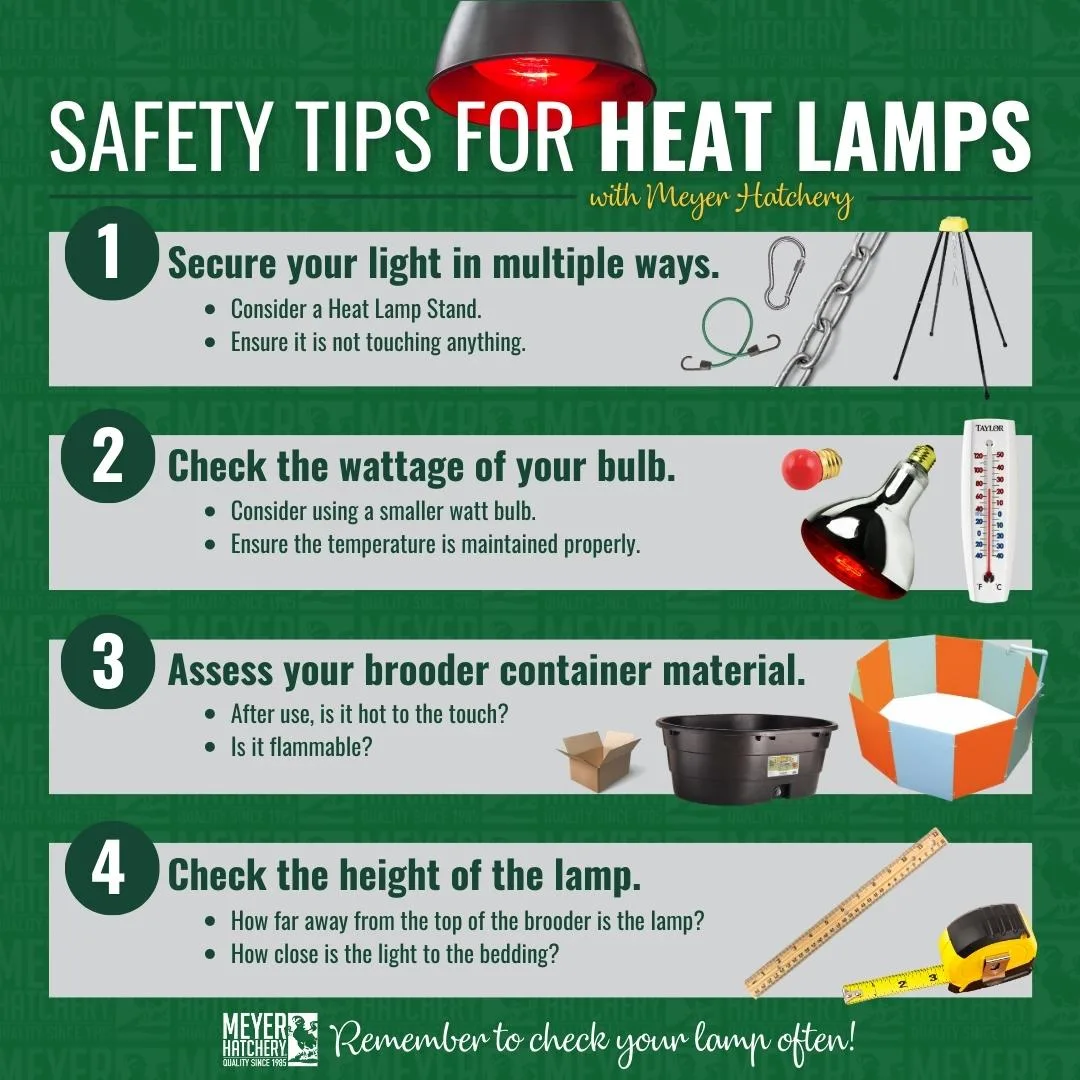
Heat lamps, often found in reptile habitats or agricultural settings, are vital for maintaining appropriate temperatures, yet can pose significant risks if not used correctly. An improperly installed heat lamp has the potential to start fires, leading to severe safety issues. This makes understanding and adhering to safety guidelines not just advisable but essential.
Historically, heat lamps have been a go-to solution for providing warmth in various applications. Notably, the U.S. Fire Administration reports numerous fire incidents annually linked to improper heat lamp use. Ensuring the lamp is securely fastened and appropriately distanced from flammable materials can drastically reduce these hazards, making environments safer for both animals and humans.
- Choose a high-quality, certified heat lamp suitable for your needs.
- Secure the lamp with proper mounting hardware and ensure it’s stable.
- Maintain a safe distance from flammable materials, at least three feet.
- Regularly inspect and clean the lamp and surrounding area to prevent dust buildup.
- Use fire safety equipment, such as extinguishers and smoke detectors, nearby.

How to Use a Heat Lamp Safely
Choosing the right heat lamp is crucial for safety. It’s essential to pick a lamp that suits your specific needs, whether for animals or plants. Look for heat lamps with a safety certification to ensure quality. Avoid using higher wattages than recommended for your setup. Here is the article you can refer for more detailed guidance on heat lamp options: this post.
Proper installation is another critical step. Make sure the lamp is securely mounted and not just balanced on an edge. Use a sturdy fixture that can support the lamp’s weight. Install it at the recommended height to avoid overheating the area. Keep the power cord clear of water and other hazards.
Maintaining a safe distance from flammable materials is vital. Heat lamps can reach high temperatures, and anything close by can catch fire. Keep items like curtains, paper, and bedding at least three feet away. Also, avoid placing the lamp near chemical substances. Regularly check the area to ensure no new hazards have appeared.
Regular inspection and maintenance prolong the lamp’s life and enhance safety. Check the bulb and fixtures for any signs of wear or damage. Clean dust and debris off the lamp to prevent overheating. If you notice any issues, replace parts immediately. According to the article here is the post, maintaining equipment properly reduces risks and ensures optimal performance.
Step 1: Choosing the Right Heat Lamp
The first step to using a heat lamp safely is selecting the appropriate one. Different types of heat lamps are designed for various applications, such as animal husbandry or horticulture. Consider the specific needs of your environment to make an informed choice. For instance, red heat lamps are ideal for nighttime use as they do not disturb the sleep cycles of animals. Ensure the lamp has a safety certification to guarantee quality and reliability.
Understanding the wattage and temperature output of the heat lamp is essential. A higher wattage lamp will generate more heat, which might not always be necessary. Choose a lamp with a wattage that matches your requirements to avoid overheating. In addition, check for adjustable settings that allow better control over the heat output. According to this expert opinion, using the correct wattage can significantly minimize risks and enhance safety.
Another consideration is the lamp’s construction material. Look for heat lamps made of durable and high-quality materials that can withstand prolonged use. Metal fixtures are generally safer than plastic ones because they are less likely to melt. Make sure that the lamp has a strong, well-insulated cord to prevent electrical hazards. Always read the manufacturer’s guidelines before making a final decision.
Before purchasing a heat lamp, consider extras like a built-in thermostat or automatic shut-off feature. These features add layers of safety and convenience. A built-in thermostat helps maintain a consistent temperature, preventing accidental overheating. An automatic shut-off feature can shut the lamp off if it gets too hot. These additional safety measures make the heat lamp more effective and secure.
Step 2: Proper Installation of Heat Lamp
Proper installation of a heat lamp is essential for safety and effectiveness. Begin by selecting a secure and stable location to mount the lamp. Ensure the surface is firm to prevent the lamp from tipping over. Use appropriate mounting hardware, such as screws and brackets, to firmly attach the lamp. Avoid placing the lamp near flammable materials.
The height at which you install the heat lamp is crucial. A general rule is to keep it high enough to provide even heat distribution. Typically, a distance of 18 to 24 inches from the ground is suitable, but this can vary depending on the wattage. Make sure the lamp is directed away from direct contact with animals or plants. Adjust the height based on monitoring the temperature in the area.
For electrical safety, ensure that the power cord is in good condition and properly insulated. The cord should not be frayed or exposed in any way. Keep it away from water and high-traffic areas where it could be tripped over. Use a power strip with a built-in surge protector for added safety. Avoid using extension cords if possible, as they can pose additional hazards.
Regularly checking the installation is also vital. Inspect the mounting hardware and cords for signs of wear or damage. Make adjustments as needed to maintain a secure setup. Periodic checks can help identify potential issues before they become serious. By following these steps, you can ensure the heat lamp operates safely and effectively.
Step 3: Maintaining Safe Distance from Flammable Materials
Maintaining a safe distance between your heat lamp and flammable materials is crucial to prevent fires. Flammable materials include paper, fabric, and wood. Ensure there is at least a three-foot clearance around the heat lamp. This buffer zone helps to prevent accidental ignition. Regularly check this area to make sure nothing has moved closer.
Use a thermometer to monitor the surrounding area’s temperature. Heat lamps can create hot spots, which can ignite flammable items. Keeping a safe distance helps in spreading the heat evenly. This also reduces the risk of overheating localized objects. Adjust the lamp height if you notice excessive heat in specific spots.
Be mindful of other heat sources in the area. If you have multiple heat lamps, make sure their heat zones do not overlap. Overlapping heat zones can increase the temperature, posing a greater fire risk. Place lamps strategically to avoid this issue. Always follow the manufacturer’s installation guidelines.
Here are some critical points to follow for maintaining a safe distance from flammable materials:
- Ensure a three-foot clearance around the heat lamp.
- Use a thermometer to monitor the area’s temperature.
- Place lamps strategically to avoid overlapping heat zones.
- Regularly check the area for moved or newly added flammable items.
These practices help minimize risks and enhance safety.
According to an expert opinion, even slight negligence can lead to disastrous consequences. Keeping animals, plants, and flammable materials at a good distance is essential. Regular inspections and adjustments go a long way in maintaining safety. Further information on safe distances can be found in this resource here is the post. Being proactive in maintaining safe distances offers peace of mind and safety assurance.
Remember to use barriers if needed. A metal screen or mesh can act as a buffer zone. This adds an extra layer of protection. It’s especially useful in areas with a lot of activity. Incorporating these safety measures ensures a safer environment.
Step 4: Regular Inspection and Maintenance
Regular inspection and maintenance of your heat lamp are crucial for long-term safety. Begin by checking the integrity of the lamp and its components. Look for signs of wear or damage in the bulb, fixtures, and cord. If you notice any frayed wires or cracks, replace them immediately. Ensuring everything is in good working condition minimizes fire risks.
Keep the heat lamp clean from dust and debris. Dust can accumulate over time, leading to overheating or even electrical hazards. Use a soft cloth to wipe down the lamp regularly. Make sure the area around the lamp is also free from dust. This practice keeps the lamp functioning efficiently and safely.
Monitor the lamp’s heat output. Use a thermometer to ensure it’s maintaining a stable temperature. If you notice any fluctuations, it could signal a malfunction. Checking the heat output helps you catch potential problems early. Always refer to the manufacturer’s guidelines for optimal temperature settings.
Follow a maintenance schedule to stay consistent. Use a simple checklist to track what needs to be inspected and replaced. Key points to include in your checklist are:
- Inspect bulb and fixtures for damage.
- Clean dust and debris from the lamp and surrounding area.
- Check for stable heat output with a thermometer.
- Replace worn or damaged parts promptly.
Sticking to a schedule ensures nothing is overlooked.
Regular inspections can also reveal any environmental changes that could affect the heat lamp. For instance, new items or alterations in the setup may introduce new hazards. Being aware of these changes allows you to make necessary adjustments. Regular maintenance not only keeps the heat lamp safe but also extends its lifespan.
The Risks of Improper Heat Lamp Use
Using a heat lamp improperly can pose several serious risks. One of the biggest dangers is fire. If a heat lamp is placed too close to flammable materials or not secured properly, it can cause a fire. According to safety reports, dozens of house fires are attributed to heat lamps each year. Ensuring proper distance and stability can prevent such disasters.
Another risk involves electrical hazards. Frayed wires, poor-quality fixtures, and improper connections can lead to electrical shocks or short circuits. Ensure all electrical components are in good condition and rated for the lamp’s wattage. Never use extension cords as permanent solutions. Regular inspections can help to identify and fix these issues.
Improper heat lamp use can also lead to burns and injuries. If the heat lamp is easily accessible, children, pets, or even adults can accidentally touch it and get burned. Always position the lamp out of reach and use barriers if necessary. Make sure to follow all manufacturer guidelines to minimize hazards.
Heat stress in animals is another concern. Overheating from an improperly used heat lamp can lead to severe stress or even death in pets and livestock. Monitor the temperature regularly to ensure it stays within a safe range. Adjust the lamp’s height and positioning as needed to provide a comfortable environment.
Here are some common risks associated with improper heat lamp use:
- Fire hazards from proximity to flammable materials.
- Electrical hazards due to faulty wiring or connections.
- Burns and injuries from accidental contact.
- Heat stress in animals from excessive heat.
Being aware of these risks allows you to take preventive measures for safer heat lamp use.
Preventive Measures to Enhance Safety with Heat Lamps
To enhance safety when using heat lamps, it’s vital to follow certain preventive measures. Start by always reading and following the manufacturer’s instructions. These guidelines offer crucial information on proper installation and usage. Ensure that only high-quality, certified heat lamps are used. Avoid using cheaper, uncertified products as they can be less reliable and more hazardous.
Avoid common mistakes like placing the lamp too close to flammable materials. Always maintain at least a three-foot distance around your heat lamp from any combustible objects. Regularly inspect the surroundings to ensure nothing has shifted closer to the lamp. Using a thermometer can help you monitor ambient temperatures effectively. This prevents hidden risks from surfacing unexpectedly.
Don’t overlook electrical safety aspects either. Ensure all cords are in good condition and never frayed or damaged. Use plugs that fit securely into outlets without wobbling. Incorporate surge protectors for additional safety against power fluctuations. Keep cords away from water sources and high-traffic areas where they could be tripped over.
Consider implementing an automatic shut-off feature in your setup. Automatic shut-off turns off the lamp if it gets too hot or is accidentally knocked over, adding another layer of safety. Built-in thermostats allow for consistent temperature regulation without manual adjustments.
| Safety Feature | Description |
|---|---|
| Automatic Shut-off | Turns off lamp if it overheats or tips over |
| Built-in Thermostat | Keeps temperature consistent automatically |
Including these features can greatly reduce risks.
Finally, make regular maintenance part of your routine to prevent unexpected issues. Check bulbs, fixtures, and cords regularly for signs of wear or damage, replacing them as needed right away.
Maintain cleanliness by removing dust and debris from both the lamp and its immediate area.
These actions will extend the life of your equipment while ensuring everyone remains safe through proactive measures.
The Role of Fire Safety Equipment When Using Heat Lamps
Fire safety equipment plays a crucial role when using heat lamps. Having the right safety tools nearby can prevent small issues from becoming major disasters. Always keep a fire extinguisher within reach. Ensure it is rated for electrical fires and the size matches the room’s requirements. Regularly check the extinguisher’s pressure gauge and replace it if necessary.
In addition to a fire extinguisher, consider installing smoke detectors in areas where heat lamps are used. Smoke detectors provide early warnings, giving you more time to act. Test the alarms monthly and replace the batteries at least once a year. Some advanced models can even send alerts to your phone. This early detection is vital for preventing fire-related injuries.
Having a fire blanket is another smart preventive measure. Fire blankets can quickly smother small fires before they spread. Store them in a location that is easy to access. Unlike fire extinguishers, fire blankets require no maintenance. However, make sure everyone in the household knows how to use them effectively.
Keeping an emergency plan is essential. Make sure everyone in the area knows how to respond in case of a fire. Practice fire drills regularly, focusing on how to turn off the heat lamp and use the fire safety equipment. Clear, practiced responses reduce panic and ensure prompt action when it matters most. Here are some key components for an effective emergency plan:
- Locate fire safety equipment and ensure everyone knows how to use it.
- Identify multiple escape routes.
- Assign specific tasks, like who calls emergency services.
- Conduct regular fire drills to reinforce the plan.
These steps enhance readiness and safety.
Consider additional safety features for homes with heavy heat lamp use. Sprinkler systems can add an extra layer of fire protection, activating when heat levels reach a certain point. While more common in commercial settings, they are increasingly accessible for homes. Coupled with other fire safety equipment, sprinklers significantly bolster your fire defense system.
Alternatives to Heat Lamps for Safer Usage
While heat lamps are popular, there are safer alternatives. For instance, electric radiant heaters provide consistent heat without the high risk of fire. These heaters are designed to warm spaces evenly, reducing hot spots. Some models also have built-in safety features, like automatic shut-off. Radiant heaters can be a good option for indoor and outdoor use.
Another safe alternative is the use of heating pads. Heating pads are typically used for small animals and reptiles. These pads are placed under tanks or enclosures, offering a stable heat source. Most heating pads come with adjustable temperature settings. This allows for precise control, ensuring the environment stays within a safe and comfortable range.
Insulated shelters are also an effective solution. These shelters work by maintaining warmth inside without the need for additional heating devices. Insulated materials trap heat from the animal or sunlight, providing a natural and safe heating method. They are particularly useful for outdoor animals. Insulated shelters minimize the risk of fire and electricity-related issues.
Another great option is ceramic heat emitters. Ceramic heat emitters do not produce light and focus solely on providing heat. They are often used in reptile habitats and can be a safer alternative to traditional heat lamps. Here are some benefits of ceramic heat emitters:
- Lack of light reduces stress for nocturnal animals.
- Longer lifespan compared to standard heat bulbs.
- Effective at maintaining consistent temperatures.
- Less risk of fire as they don’t get as hot externally.
Ceramic heat emitters offer warmth without the same level of risk associated with conventional heat lamps.
Lastly, consider low-wattage infrared heaters. Infrared heaters focus on heating objects and animals directly, rather than the air. This method is both energy-efficient and safer. These heaters often come with thermostats, adding another layer of control. By utilizing these safer alternatives, you can ensure a warm environment without compromising safety.
Frequently Asked Questions
Using heat lamps safely is crucial for various applications, from animal care to plant growth. Here we address some common queries to help you ensure safe and effective use.
1. What types of heat lamps are best for reptiles?
The best heat lamps for reptiles are usually infrared or ceramic options. Infrared heat lamps emit low light, making them less disruptive to reptile sleep cycles. They provide consistent warmth without stressing nocturnal animals.
Ceramic heat emitters focus on providing heat without producing light. This feature makes them ideal for creating a natural day-night cycle in the habitat. Both options typically have adjustable settings for precise temperature control.
2. How often should I inspect my heat lamp setup?
Inspecting your heat lamp setup regularly is critical for maintaining safety and efficiency. A good rule of thumb is a weekly check, especially if the lamp is used continuously. Look for signs of wear and tear in both the bulb and fixtures.
If you notice any damage or irregularities, take immediate action to repair or replace parts as needed. Regular cleaning can also prevent dust buildup, which could result in overheating or fire hazards over time.
3. Can I use a heat lamp outdoors?
You can use a heat lamp outdoors but need to follow specific safety guidelines. Ensure that the lamp is weatherproof and suitable for outdoor conditions; this includes being resistant to rain and wind.
An appropriate fixture can prevent electrical issues that may arise from exposure to water or moisture. Additionally, always secure the lamp properly so it doesn’t tip over during windy conditions, reducing potential fire hazards.
4. Are there safer alternatives to traditional heat lamps?
Yes, several safer alternatives exist to traditional heat lamps, such as electric radiant heaters and heating pads. Electric radiant heaters provide even warmth with built-in safety features like automatic shut-off mechanisms.
Heating pads offer another option, primarily used under tanks or enclosures for small animals. These pads come with adjustable temperature settings, allowing you more control over the environment while minimizing risks associated with open bulbs.
5. What should be included in an emergency plan when using a heat lamp?
An effective emergency plan should include clear steps on what actions to take if something goes wrong with your heat lamp setup. Make sure everyone knows how to turn off the power source quickly and has access to fire extinguishers specifically rated for electrical fires.
Regularly conduct fire drills focusing on how to handle emergencies efficiently, identifying escape routes and designating roles such as who will call emergency services. Maintaining this readiness helps reduce panic and ensures prompt action during crises.
Conclusion
Using a heat lamp safely involves several key steps, from choosing the right type to regular maintenance. Ensuring proper installation and keeping a safe distance from flammable materials are crucial. These measures significantly reduce fire risks and promote a secure environment.
By following these guidelines, you can enjoy the benefits of heat lamps without compromising safety. Whether for reptile care or other applications, these preventive measures and alternatives ensure effective and safe usage. Stay proactive and vigilant to maintain a risk-free setup.

I’m Emily Johnson, an affiliate marketer and blogger focused on lamps and lighting. I share honest reviews, simple buying guides, and practical tips. My goal is to help readers choose the right lamp for their space, style, and budget with confidence.