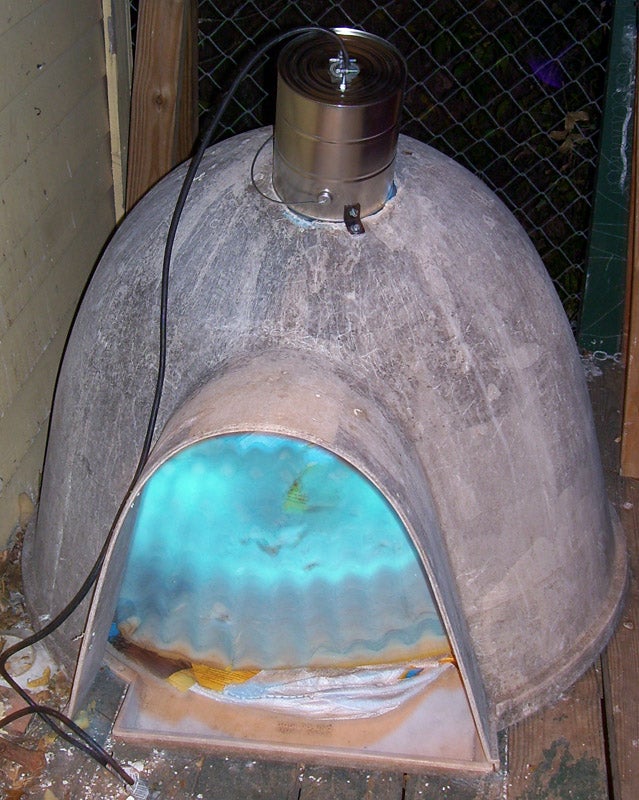
You might be surprised to learn that heat lamps for dog houses can maintain temperatures that are 10 to 15 degrees warmer than the outdoor environment. This makes a significant difference during harsh winter months. Keeping our furry companions comfortable is crucial, especially when temperatures plummet.
The first use of heat lamps in dog houses dates back decades, initially popular among breeders and pet owners in colder regions. These devices use incandescent or ceramic bulbs to radiate heat, efficiently warming the enclosed space. According to recent studies, a 100-watt heat lamp can effectively maintain a dog house’s interior at a cozy level, ensuring pets remain safe from the cold.

How Warm Will a Heat Lamp Keep a Dog House
Heat lamps are quite effective in keeping a dog house warm, especially in colder months. They can raise the temperature inside the dog house by approximately 10 to 20 degrees Fahrenheit. The difference in temperature depends on several variables such as the wattage of the lamp and the size of the dog house. For instance, a 100-watt heat lamp is commonly used and sufficient for standard-sized dog houses. Ensuring proper insulation in the dog house also enhances the effectiveness of the heat lamp.
Various factors determine how warm a heat lamp will keep a dog house. The type of bulb used in the heat lamp plays a crucial role. Incandescent and ceramic bulbs are popular choices, each having different heating efficiencies. According to the article here, incandescent bulbs tend to provide more immediate warmth. However, ceramic bulbs are often safer and last longer.
Safety is paramount when using heat lamps. The position of the heat lamp should be carefully considered to avoid any risk of burns or fire hazards. Securing the lamp at a proper height will keep your dog safe and comfortable. Please refer to this post for more detailed safety guidelines. Make sure to regularly check the lamp for any signs of wear or malfunction.
Besides using heat lamps, there are additional methods to keep a dog house warm. You can use insulated dog house covers, heated pads, and bedding materials that retain heat. Here is a list of supplementary heating solutions you might consider:
- Insulated dog house covers
- Heated dog pads
- Thermal blankets
- Weatherproofing the dog house
Combining these methods with a heat lamp ensures that your pet stays warm and cozy even during the coldest weather.
The Effectiveness of Heat Lamps in Dog Houses
Heat lamps are an effective way to warm a dog house, especially during cold weather. These lamps provide a consistent source of heat, ensuring that your pet remains comfortable. The level of warmth generated depends on the wattage and type of bulb used. For instance, a 100-watt bulb can increase the temperature significantly. Placement inside the dog house also matters, as it helps distribute heat evenly.
According to the this expert opinion, safely using a heat lamp requires proper installation. Ensuring the lamp is secured and not too close to your pet prevents burns. Special care should be taken to avoid direct contact with flammable materials. Regular inspections of the lamp and electrical setup are essential. This minimizes risks and maintains a safe environment for your dog.
Another factor affecting effectiveness is insulation within the dog house. Proper insulation can maximize the efficiency of the heat lamp. Adding insulated walls or using thermal blankets helps retain heat for longer periods. This reduces the need for the heat lamp to work continually. It’s an energy-efficient solution that keeps your pet warmer.
Alternative heating methods can enhance the performance of heat lamps. Combining a heat lamp with other heating elements can provide additional warmth. Options such as heated pads or thermal bedding are worth considering. Adding weatherproofing measures can also bolster the effectiveness of the setup. Reliable heating ensures your dog’s shelter remains a refuge in cold conditions.
Factors Determining the Warmth of a Heat Lamp
Several factors influence how warm a heat lamp can keep a dog house. The wattage of the bulb is one of the most crucial factors. Higher wattage bulbs generate more heat, making them suitable for larger or less insulated dog houses. It’s essential to choose the right wattage to ensure the dog house isn’t too hot or too cold. Balancing wattage with other heating methods can optimize warmth.
Insulation within the dog house is another significant factor. A well-insulated dog house retains heat much better than one without insulation. This reduces the load on the heat lamp and maintains a consistent temperature. Adding insulation to the walls, roof, and floor can make a noticeable difference. Effective insulation traps the heat generated by the lamp, making it more efficient.
The placement of the heat lamp also determines its effectiveness. Positioning it correctly ensures even distribution of warmth. Too close to the dog’s bedding can cause overheating, while too far might not provide enough heat. It’s beneficial to secure the lamp at an optimal height. This setup ensures your pet receives consistent warmth without any risks.
Weather conditions outside the dog house can impact how well a heat lamp performs. Colder temperatures and strong winds can reduce the effectiveness of the lamp. Using weatherproofing methods like adding windbreaks can help. Identifying these external factors and mitigating them enhances the efficiency of the heat lamp. Keeping the dog house in a sheltered area can also improve warmth retention.
Different Types of Heat Lamps for Dog Houses
There are various types of heat lamps available for warming dog houses. One popular option is incandescent heat lamps. These lamps are known for their ability to provide immediate and intense heat. They are typically less expensive but need more frequent replacement. It’s important to ensure they are installed safely to avoid any risks.
Ceramic heat lamps are another widely-used type. These lamps do not emit light, making them ideal for nighttime use. They provide consistent heat without disturbing the dog’s sleep cycle. Ceramic heat lamps also tend to last longer than incandescent bulbs. This durability makes them a cost-effective option over time.
Infrared heat lamps offer a different heating method. They work by emitting infrared radiation, which directly warms the dog’s body rather than the air. This can be more efficient in some scenarios. Infrared lamps usually come with adjustable settings, allowing you to control the level of heat. They are ideal for concentrated warmth.
Other options include heat mats and pads that can be used in conjunction with heat lamps. These mats provide additional warmth and can be placed directly under the dog’s bedding. Combining these mats with overhead lamps can create a comfortable environment. Here’s a list of popular heat lamps and accessories:
- Incandescent heat lamps
- Ceramic heat lamps
- Infrared heat lamps
- Heating mats and pads
Using a combination of these tools can ensure your dog stays warm and cozy.
Additionally, some modern heat lamps come with built-in thermostats. These lamps can automatically adjust their output based on the temperature inside the dog house. This feature helps maintain a consistent environment. Investing in a heat lamp with a thermostat can simplify the process of keeping your pet comfortable. Several brands offer this innovative option.
When choosing a heat lamp, consider your dog’s specific needs and the climate you live in. Each type of heat lamp has its own benefits and potential drawbacks. The right choice will depend on factors like your budget, the size of your dog house, and how cold it gets in your area. Comparing different options can help you select the best type for your situation.
Safety Precautions While Using Heat Lamps in Dog Houses
Using a heat lamp in a dog house requires careful attention to safety. One of the primary precautions is to secure the lamp properly. The lamp should be mounted or hung at an appropriate height, ensuring it doesn’t come into contact with your pet. Hanging it too low can cause burns, while too high may reduce its effectiveness. Always use a sturdy bracket or mount to keep the lamp in place.
It’s crucial to choose the right type of heat lamp for safety. Certain lamps, like ceramic heat lamps, are often safer because they don’t emit light, reducing the risk of overheating. These lamps are also less likely to shatter compared to traditional incandescent bulbs. Opting for heat lamps with protective cages can provide an additional layer of safety. These cages prevent direct contact with the hot bulb, minimizing burn risks.
Ensuring electrical safety is equally important. Always use outdoor-rated extension cords if the dog house is outside. Make sure the cords are not frayed or damaged. It’s beneficial to regularly inspect the cords and lamp for any signs of wear. Disconnect the lamp when not in use to reduce electrical hazards.
Avoid placing the heat lamp near flammable materials. This includes dry bedding, straw, or wooden parts of the dog house. Keeping the area around the lamp clear can prevent accidental fires. If possible, use non-flammable materials for insulation and bedding. Maintaining a clutter-free space enhances safety around the heat lamp.
Monitoring the temperature inside the dog house can help ensure a safe environment. Investing in a thermometer can help you track the warmth. Some heat lamps have built-in thermostats, which automatically regulate the temperature. This feature can prevent the dog house from becoming too hot. Regularly checking the temperature adds an extra layer of safety for your pet.
Finally, it’s essential to have a backup heating plan. In case the heat lamp fails, other methods like heated pads or thermal blankets can come handy. Combining multiple heating solutions ensures your dog remains warm even if one method stops working. Being prepared with a contingency plan enhances the overall safety and comfort of your pet.
Additional Methods to Keep a Dog House Warm
Besides heat lamps, there are other effective ways to keep a dog house warm. Insulating the dog house is one of the best methods. Using materials like foam boards or spray foam can significantly reduce heat loss. Insulating the walls, floor, and roof provides comprehensive warmth. This method is both cost-effective and energy-efficient.
Adding weatherproofing elements can also help. Sealing any gaps or cracks in the dog house keeps out cold drafts. Weatherstripping around the door can prevent cold air from entering. Using waterproof covers or tarps can shield against wind and rain. These measures enhance the overall insulation.
Using heated bedding is another great way to keep your pet cozy. Heated mats or pads can be placed inside the bedding area. These mats provide direct warmth to your dog. Some mats come with adjustable heat settings for customized comfort. Ensure they are covered with a washable fabric for easy maintenance.
Another option is to elevate the dog house off the ground. Placing it on a raised platform prevents cold from seeping through the floor. This can be especially useful in snowy or wet conditions. Pallets or concrete blocks are effective materials for elevating the dog house. This keeps the interior warmer and drier.
Providing additional insulation with thermal blankets can also be beneficial. These blankets can line the interior walls or be used as bedding. They’re designed to retain body heat. Layering thermal blankets with regular bedding materials can maximize warmth. This combination creates a snug and comfortable environment.
Finally, you can use a combination of these methods to ensure optimal warmth. Creating a multi-layered approach can make a significant difference. Here’s a list of additional methods to keep a dog house warm:
- Insulating the dog house
- Adding weatherproofing elements
- Using heated bedding
- Elevating the dog house off the ground
- Providing thermal blankets
Combining these strategies ensures your pet stays warm and comfortable throughout the winter.
Frequently Asked Questions
Keeping your dog warm during colder months is important for their well-being. Here are some common questions and answers about using heat lamps in dog houses to help you make informed decisions.
1. What wattage should I use for a heat lamp in a dog house?
A common choice for heat lamps in dog houses is a 100-watt bulb, which provides ample warmth without overheating the space. Wattage choice depends on the size of the dog house and local climate; larger spaces may need up to 250 watts.
It’s crucial to monitor the temperature inside the dog house to ensure it remains comfortable for your pet. Consider starting with a lower wattage and increasing if necessary, always prioritizing safety measures.
2. Can I leave a heat lamp on all night for my dog?
Yes, you can leave a heat lamp on all night, but it’s vital to ensure it’s safely installed and monitored. Heat lamps should be securely mounted at an appropriate height and kept away from flammable materials and bedding.
Using a heat lamp with an adjustable thermostat can help maintain a consistent temperature without overheating. Regularly check the setup to prevent any potential hazards.
3. Are ceramic heat lamps safer than incandescent ones?
Ceramic heat lamps are often considered safer because they do not emit light, reducing stress on nocturnal animals’ sleep cycles and decreasing fire risks since they are less likely to shatter than incandescent bulbs.
The durability of ceramic bulbs also means fewer replacements over time, making them both a safe and cost-effective option compared to traditional incandescent bulbs.
4. How can I insulate my dog’s house effectively?
You can insulate your dog’s house using foam boards or spray foam around walls, roof, and floor areas. This helps keep the warmth generated by the heat lamp inside more effectively.
Add weatherstripping around doors and seal any gaps or cracks that could allow cold air drafts into the shelter. Using insulated covers or thermal blankets further enhances insulation.
5. What are alternative ways to keep my dog’s house warm besides using a heat lamp?
Apart from heat lamps, heated pads or mats provide direct warmth beneath your pet’s bedding area, creating additional comfort while keeping your dog cozy during cold nights.
If elevating the dog house off the ground prevents cold seeping through floors; ensuring thermal blankets additionally keeps interior temperatures stable while layering effectively guarantees warmth.
Conclusion
Maintaining a warm and comfortable dog house during colder months is essential for the well-being of your furry friend. Using a heat lamp, alongside proper insulation and safety measures, can effectively help achieve this. Ensuring your dog house is equipped with the right tools and precautions will keep your pet safe and cozy.
There are various heat lamp types and additional warming methods to consider. Each approach offers unique benefits, and combining these techniques maximizes effectiveness. By staying informed and taking the necessary steps, you can provide a warm sanctuary for your dog regardless of the weather outside.

I’m Emily Johnson, an affiliate marketer and blogger focused on lamps and lighting. I share honest reviews, simple buying guides, and practical tips. My goal is to help readers choose the right lamp for their space, style, and budget with confidence.