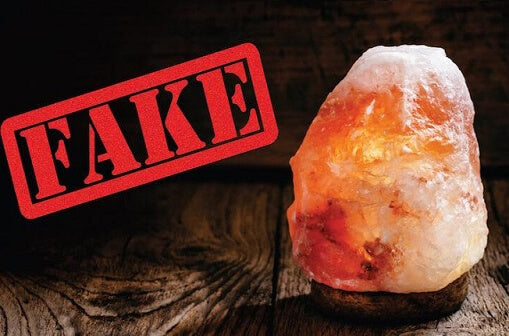
It’s fascinating to note that genuine Himalayan salt lamps are mined from the ancient salt deposits in the Punjab region of Pakistan. This red flag can alert seasoned experts when the origin of a lamp can’t be verified. The distinct glow and purity of salt make these lamps uniquely therapeutic and aesthetically appealing.
Understanding the history and provenance of Himalayan salt lamps is crucial to distinguishing between authentic and counterfeit. Authentic lamps often boast unique striations and a warm, orange glow. Statistically, fake lamps flood the market heavily, making it a challenge to sift through options without insight and expertise.
| Feature | Real Salt Lamps | Fake Salt Lamps |
|---|---|---|
| Color | Natural pink or orange hues | Bright, unnatural colors |
| Weight | Heavy due to dense salt crystals | Lighter materials used |
| Light Emission | Soft, warm glow | Bright, often harsh light |
| Air Purifying | Attracts moisture and traps dust | Doesn’t clean air well |
| Durability | Long-lasting | Prone to breaking |
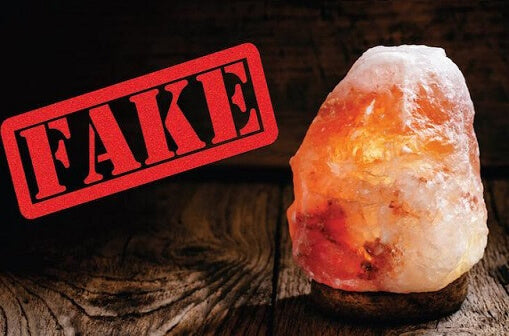
Deciphering Real and Fake Salt Lamps
Salt lamps are beautiful, glowing rocks often used for decoration and to purify the air. But did you know there are fake ones, too? Here, we’ll help you spot the differences.
Overview of Real Salt Lamps
Real salt lamps are made from salt crystals found in the Himalayan mountains. This makes them unique and special. Each piece is different from the next.
These lamps have a natural, warm glow when lit. The light is soothing and not too bright. It gives a calm feeling to any room.
Real salt lamps can help clean the air in your home. They attract moisture, which can trap dust and other tiny particles. This is why many people love having them around.
The salt used in real lamps is often pink or orange. This color comes from minerals inside the salt. It’s a sign that the lamp is genuine.
When you touch a real salt lamp, it feels rough to the touch. This texture is due to the natural formation of the salt. It’s another way to tell if a lamp is real.
Overview of Fake Salt Lamps
Fake salt lamps are made to look like the real thing, but they are not. They often use cheaper materials. This makes them more affordable but less effective.
These lamps might look very bright or have strange colors. They can even be too smooth to the touch. These are signs that the lamp might not be real salt.
Fake lamps usually don’t have the same air-purifying qualities. They can’t attract moisture well. This means they don’t help clean the air as real lamps do.
Even though fake lamps are cheaper, they don’t last as long. They can break easily. This can make them cost more in the long run.
Lastly, fake lamps are mass-produced and often look identical to each other. Real salt lamps each have their own unique look. This individuality adds to their charm and value.
Distinguishing Characteristics of Genuine and Counterfeit Salt Lamps
It’s important to know the difference between real and fake salt lamps. This helps you make better choices and get the most out of your lamp. Here, we’ll compare key features to watch for.
Color
Real salt lamps are usually pink or orange because of the minerals inside them. These colors are natural and subtle. They add to the lamp’s calming effect.
Fake salt lamps often have bright, unnatural colors. They can be almost too perfect-looking. This is a sign that chemicals may have been used.
The color of real salt lamps can vary slightly. Each lamp is unique in its shades. This makes genuine ones special to own.
When you see a lamp with consistent, bright coloring, it’s likely fake. Real salt lamps have a softer, less uniform look. This is another way to tell them apart.
According to this post, the color can be a big giveaway. Always check if the lamp’s color looks too artificial.
Weight
Real salt lamps are quite heavy. This is due to the dense salt crystals. Even small real lamps weigh a lot.
Fake salt lamps are often lighter. They use cheaper, lighter materials. This makes them easier to carry but less authentic.
The weight can be a quick way to judge if a lamp is real. Heavier lamps are usually genuine. They feel solid and sturdy.
Remember to compare the size and weight of the lamp. Larger but light lamps are likely fake. Real ones have a heft to them.
Holding the lamp can provide an initial clue about its authenticity. Heavier is better when it comes to real salt lamps.
Light
Real salt lamps emit a soft, warm glow. The light is soothing and not too bright. This is perfect for a cozy atmosphere.
Fake salt lamps can be too bright. They may use regular light bulbs. This creates a harsh light that’s not calming.
The light from real lamps is uneven. This is due to the natural salt crystals. It adds to their charm.
Fake lamps often have a uniform light. This makes them less attractive. Uneven light is a sign of real salt.
Test the lamp’s light before buying. A soft, warm glow usually means it’s genuine. Bright, harsh light is a warning sign.
Air Purifying
Real salt lamps can purify the air. They attract moisture, trapping dust and tiny particles. This improves air quality.
Fake salt lamps don’t have this ability. They can’t attract moisture well. This means they don’t help clean the air.
Genuine lamps can make a room feel fresher. People with allergies may notice a difference. The air feels cleaner around real lamps.
Buyers often look for air-purifying benefits. Real salt lamps deliver on this. It’s a big reason people choose them.
If you don’t notice cleaner air, your lamp might be fake. Real ones make a noticeable difference. They work quietly but effectively.
Price
Real salt lamps are usually more expensive. This is due to the mining and quality materials. You get what you pay for.
Fake salt lamps are cheaper. They use low-cost materials. This results in a lower price.
Don’t be fooled by low prices. Quality comes at a cost. Real lamps are worth the extra money.
Always compare prices before buying. A deal that seems too good might mean the lamp is fake. Invest in a real one for better results.
Spending a bit more ensures you get a genuine lamp. It lasts longer and works better. Real salt lamps are a good investment.
Genuine VS Counterfeit: A Close-up Look at Salient Features
It’s essential to know the key differences between genuine and counterfeit salt lamps. This helps you choose wisely. Here is a close look at important features.
| Feature | Genuine Salt Lamps | Fake Salt Lamps |
|---|---|---|
| Color | Natural pink or orange hues | Bright, unnatural colors |
| Weight | Heavy due to dense salt crystals | Lighter materials used |
| Light Emission | Soft, warm glow | Bright, often harsh light |
| Air Purifying | Attracts moisture and traps dust | Does not clean air well |
| Texture | Rough, natural feel | Often smooth and uniform |
| Durability | Long-lasting | Prone to breaking |
| Unique Appearance | Each lamp looks different | Often identical in appearance |
| Material Source | Mined from Himalayas | Unknown or synthetic sources |
| Price | Generally more expensive | Cheaper options available |
| Health Benefits | May improve air quality and wellness | Little to no health benefits |
Pros and Cons: Breaking Down the Good and Bad Sides
Understanding both the good and bad aspects of real and fake salt lamps is important. This helps you make an informed decision. Here is a table highlighting these pros and cons.
| Pros | Cons |
|---|---|
| Real salt lamps can purify the air | Fake lamps do not purify the air well |
| Real lamps have a unique and natural look | Fake lamps often look identical and artificial |
| Genuine ones are durable and long-lasting | Counterfeit lamps break easily |
| Real lamps give off a soothing, warm glow | Fake lamps can emit bright and harsh light |
| Authentic lamps offer some health benefits | Fake lamps generally lack health benefits |
In-depth Analysis: Price Differences Between Genuine and Fake Salt Lamps
Price is a big factor when deciding between genuine and fake salt lamps. Knowing the differences can help you make smarter purchases. Here is a table comparing the price differences.
| Genuine Salt Lamps | Fake Salt Lamps |
|---|---|
| More expensive due to high-quality materials | Cheaper because of low-cost materials |
| High initial investment but longer-lasting | Low initial cost but breaks easily |
| Includes air-purifying benefits, adding value | Does not purify air, reducing overall value |
| Unique, handcrafted pieces that are rare | Mass-produced, often identical, and abundant |
| Better for health, making higher cost worthwhile | No health benefits, making it less valuable |
Evaluation: Which is Worth Purchasing?
Choosing between a genuine and a fake salt lamp can be tricky. Real salt lamps have many benefits that make them worth the investment. They purify the air, emit a soothing glow, and each lamp is unique. But they also cost more.
Fake salt lamps, on the other hand, are cheaper and easier to find. However, they often lack the air-purifying features and soothing light that real lamps offer. Fake lamps are also more likely to break. This can end up costing more in the long run if you need to replace them.
When considering which lamp to buy, think about your priorities. Are you looking for a decorative piece that also improves air quality? Or are you more concerned about the price? Understanding your needs can help you make the best choice.
Overall, investing in a genuine salt lamp is recommended. They offer more benefits and are built to last. Here are three reasons why a genuine salt lamp is worth purchasing:
- Better air-purifying qualities
- Durable and long-lasting
- Unique and natural appearance
Frequently Asked Questions
Understanding the difference between real and fake salt lamps is crucial for making informed decisions. Here are some frequently asked questions that can help clarify any confusion.
How can I tell if a salt lamp is real?
To identify a real salt lamp, check for natural colors like pink or orange. Real salt lamps have a warm, uneven glow and often feel rough to the touch. They are also heavier than they look because they are made from dense salt crystals.
Fake salt lamps may have very bright, unnatural colors and emit a bright, harsh light. They tend to be smoother and lighter. Real ones are unique, each with distinct patterns and variegations.
Do fake salt lamps offer any health benefits?
Fake salt lamps generally do not provide the air-purifying and health benefits associated with genuine salt lamps. Real salt lamps attract moisture from the air and trap dust and allergens, which can lead to improved air quality.
In contrast, fake lamps lack these properties. They don’t attract moisture effectively, which means they can’t clean the air in the same way. Therefore, the health benefits are markedly reduced with counterfeit versions.
Why are real salt lamps more expensive?
The cost of real salt lamps is higher mainly because of the quality and source of the salt. Genuine lamps are made from Himalayan salt, which involves mining and shipping from specific regions, adding to their cost.
Additionally, real salt lamps offer unique health benefits and durability, which further justify their price. On the other hand, fake lamps are made from cheaper materials and don’t offer the same benefits, making them less expensive.
Can the light emitted indicate if a salt lamp is real?
Yes, the type of light can be a good indicator. Real salt lamps emit a soft, warm, and uneven glow that can be quite soothing and beneficial for ambiance and relaxation.
Fake lamps often give off very bright, harsh light. The light from fakes is typically more uniform, lacking the natural irregularities found in genuine lamps, making them easier to spot.
Are fake salt lamps harmful?
Fake salt lamps are generally not harmful but lack the benefits genuine ones offer. They may not purify the air or provide the same aesthetic and health advantages that real salt lamps do.
While they can be a cheap decorative option, it’s crucial to be aware of what you’re missing out on by not opting for the real thing. Therefore, for both health benefits and genuine aesthetics, investing in a real salt lamp is recommended.
How to tell if salt lamp is Real or Fake
Final Thoughts on Salt Lamps: Real vs Fake
Choosing between real and fake salt lamps boils down to personal preference and priorities. Real salt lamps offer unique benefits like air purification and a calming glow. Although they are more expensive, their health benefits and durability make them worth the investment.
Fake salt lamps may attract buyers looking for a cheaper alternative. However, they fail to deliver the same quality and advantages. For a truly enriching experience, opting for an authentic Himalayan salt lamp is clearly the better choice.

I’m Emily Johnson, an affiliate marketer and blogger focused on lamps and lighting. I share honest reviews, simple buying guides, and practical tips. My goal is to help readers choose the right lamp for their space, style, and budget with confidence.