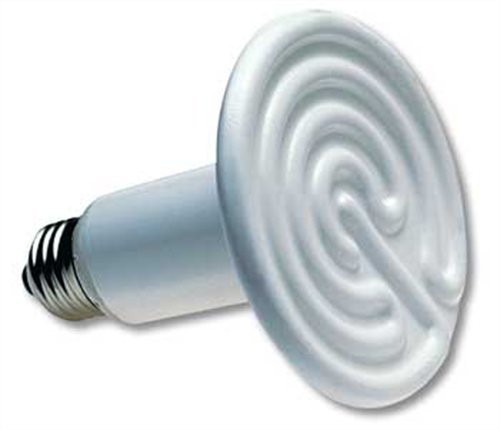
Heating or illuminating—two seemingly simple tasks, yet the tools we use can be surprisingly versatile. Take the heat lamp and flood light, two lighting solutions with distinct applications but more in common than you might initially think. How do these lights compare in their effectiveness and purpose?
Heat lamps, traditionally utilized in agricultural or food service domains, offer focused infrared heat, beneficial for tasks like keeping food warm or aiding in animal care. On the other hand, flood lights, initially designed for broad illumination of large areas, are now essential in both security and event settings due to their extensive coverage. Recent statistics reveal an impressive 25% improvement in energy efficiency for LED flood lights over the past decade, showcasing continual advancements in lighting technology.
| Feature | Heat Lamp | Flood Light |
|---|---|---|
| Primary Function | Provides heat and light | Illuminates large areas |
| Power Usage | High | Low (especially LED types) |
| Light Intensity | Focused, lower intensity | Broad, high intensity |
| Lifespan | Shorter | Longer (LED can last up to 50,000 hours) |
| Heat Generation | High | Low |

Overview of Heat Lamps and Flood Lights
Heat lamps and flood lights serve unique purposes and are essential in various fields. Heat lamps provide warmth, while flood lights offer broad illumination. Understanding their key differences can help you choose the right one for your needs.
Overview of Heat Lamps
Heat lamps are often used in places where heat is needed quickly, like in restaurants to keep food warm. They work by emitting infrared radiation, which heats objects directly. This makes them very effective in cold environments.
These lamps come in different sizes, from small bulbs to larger fixtures. They are versatile and can be used in homes, farms, and even bathrooms. Heat lamps are also used in reptile tanks to keep the animals warm.
Their primary function is to provide focused heat rather than light. Because of this, they are ideal for specific tasks. They can be hung from the ceiling or mounted on a wall for easy use.
One of the most popular types of heat lamps is the infrared lamp. Infrared lamps are efficient and provide consistent heat. They are often used in industrial settings where continuous heat is needed.
However, heat lamps can be a fire hazard if not used correctly. It’s important to follow safety guidelines. Always keep flammable objects away from heat lamps to prevent accidents.
Overview of Flood Lights
Flood lights are designed to illuminate large areas and are commonly used outdoors. They provide bright, wide-angle light that covers a large space. This makes them perfect for security purposes.
These lights are often seen in places like parking lots, sports fields, and building exteriors. They help improve visibility at night, making areas safer. Flood lights can also be used for events and stages to light up large crowds.
Flood lights are available in various types, including LED, halogen, and metal halide. LED flood lights are popular because they are energy-efficient and last a long time. They also produce less heat, making them safer to use.
They are usually mounted high up on poles or buildings. This allows them to cover a wide area effectively. Some flood lights come with motion sensors to automatically turn on when movement is detected.
While they are excellent for outdoor use, they can also be used indoors in big spaces like warehouses. The strong, bright light helps in areas where good visibility is crucial. Proper installation and regular maintenance ensure their optimal performance.
Key Features Compared
Heat lamps and flood lights offer unique features that make them suitable for different uses. Let’s look at these features to understand how they compare. This will help you decide which one is best for your needs.
Power Usage
Heat lamps use a lot of energy because they have to produce both heat and light. This makes them less energy-efficient compared to flood lights. The power usage of heat lamps can add up, especially if used continuously.
On the other hand, flood lights are designed to be more energy-efficient. Modern flood lights, especially LED ones, consume less power. This makes them a better option if you are looking to save on electricity bills.
According to this post, LED flood lights can be up to 80% more efficient than traditional lighting solutions. This significant difference highlights the energy-saving potential of flood lights. If energy efficiency is a primary concern, flood lights are the way to go.
Heat lamps are often used in settings where the primary need is warmth, which justifies their higher power usage. In contrast, flood lights are mainly used for lighting purposes, so their energy-efficient design is a significant benefit. This difference in power usage is crucial when making a choice.
Light Intensity
Heat lamps are designed to provide focused light and heat to a specific area. This means that their light intensity is usually lower compared to flood lights. They are not ideal for lighting large spaces.
Flood lights, however, are built to illuminate large areas with bright light. They offer high light intensity, making them perfect for outdoor spaces like parking lots. Their strong light also helps improve security.
Flood lights can light up an area as large as a sports field. This makes them versatile for different lighting needs. In contrast, heat lamps are better suited for small, concentrated areas.
This difference in light intensity is a key feature to consider. If you need to light up a large space, flood lights are the better choice. For focused lighting and heating, heat lamps excel.
Lifespan
The lifespan of a light source is an important factor. Heat lamps generally have a shorter lifespan compared to flood lights. This is because they generate both heat and light, which can wear them out faster.
Flood lights, especially LED types, have a much longer lifespan. Some LED flood lights can last up to 50,000 hours. This makes them a durable and long-lasting option for lighting needs.
In environments where lights are needed for extended periods, flood lights offer a clear advantage. They require less frequent replacement, saving time and money. This makes them more reliable over the long term.
Heat lamps may need to be replaced more often, especially if used continuously. This can add to the maintenance costs. Therefore, considering lifespan is crucial when choosing between the two.
Heat Generation
One of the main functions of heat lamps is to generate heat. They are very effective at providing warmth. This makes them useful in settings like farms or reptile tanks.
Flood lights, on the other hand, are not designed to generate heat. Their primary function is to provide light. Modern LED flood lights produce very little heat, making them safer to use.
The heat generated by heat lamps can be a safety concern. It’s important to keep them away from flammable materials. Flood lights eliminate this risk, making them a safer option.
In situations where both light and heat are needed, a heat lamp is the better choice. But for purely lighting purposes, flood lights are more suitable. This difference is a key factor in making your decision.
Installation and Maintenance
Heat lamps are generally easier to install. They often come in simple fixtures that can be mounted quickly. This makes them convenient for immediate use.
Flood lights usually require a more complex installation. They are often mounted high up, which may need professional help. However, once installed, they require less maintenance.
Heat lamps may need more frequent maintenance due to their shorter lifespan and higher power usage. This can add to the overall cost and effort. Flood lights, especially LED types, are more low-maintenance.
The ease of installation and maintenance is an important consideration. If you need a quick and easy setup, heat lamps are ideal. For long-term, low-maintenance lighting, flood lights are preferable.
Heat lamp vs Flood light: Feature Comparison
Heat lamps and flood lights are designed for different purposes and come with unique features. Comparing these features can help understand their best use cases. Let’s look at a detailed feature comparison.
| Feature | Heat Lamp | Flood Light |
|---|---|---|
| Primary Function | Provides heat and light | Illuminates large areas |
| Power Usage | High | Low (especially LED types) |
| Light Intensity | Focused, lower intensity | Broad, high intensity |
| Lifespan | Shorter | Longer (LED can last up to 50,000 hours) |
| Heat Generation | High | Low |
| Installation | Simple | Complex (often requires professional help) |
| Usage Environments | Kitchens, farms, reptile tanks | Outdoor spaces, parking lots, sports fields |
| Cost | Generally cheaper | Can be more expensive due to advanced features |
| Safety | Can be a fire hazard | Safer, especially LED types |
| Maintenance | Needs frequent replacement | Low-maintenance (especially LED types) |
The Good and The Bad
Heat lamps and flood lights have their own sets of advantages and disadvantages. Understanding these can help you make a more informed choice. Here is a comparison of the good and the bad.
| Heat Lamp: Pros | Heat Lamp: Cons | Flood Light: Pros | Flood Light: Cons |
|---|---|---|---|
| Provides heat | High energy consumption | Wide area illumination | Higher initial cost |
| Easy to install | Shorter lifespan | Energy-efficient (LED types) | More complex installation |
| Low initial cost | Potential fire hazard | High light intensity | Less heat generation (not suitable for heating) |
| Specific focused use | More maintenance needed | Longer lifespan | Can be too bright for small areas |
| Best for small areas | Limited light spread | Low maintenance | Requires high mounting point |
Price Comparison
When choosing between heat lamps and flood lights, cost is an important factor. Different types and features can affect their prices. Let’s compare their prices side by side.
| Heat Lamp | Flood Light |
|---|---|
| Basic Model: $10 – $20 | Basic Model: $20 – $40 |
| Mid-Range Model: $30 – $50 | Mid-Range Model: $50 – $80 |
| High-End Model: $60 – $100 | High-End Model: $100 – $150 |
| Installation Cost: Low | Installation Cost: High |
| Maintenance Cost: High (Frequent replacement) | Maintenance Cost: Low (Longer lifespan) |
Flood Light vs Heat Lamp: Which Is Better?
Choosing between a flood light and a heat lamp depends on what you need. If you want to light up a large area like a backyard or a parking lot, a flood light is ideal. It provides strong, wide-angle light that covers extensive spaces. In contrast, a heat lamp is perfect for places where warmth is required, like keeping food warm or caring for animals.
Flood lights are great for outdoor security. They shine brightly, making it easier to see at night and keep areas safe. They are also more energy-efficient, especially the LED types, which means they will save you money on electricity in the long run. On the downside, flood lights can be more expensive initially and may require complex installation.
Heat lamps, on the other hand, are simpler to install and cheaper upfront. They are versatile and can be used in a variety of settings, from farms to bathrooms. However, they use more energy and have a shorter lifespan. This can make them more costly over time due to frequent replacements and higher electricity bills.
When making a choice, consider what you prioritize more: lighting up large areas efficiently or providing focused heat in specific spots. For most household needs, a flood light might be the better option for broad illumination.
Reasons Flood Light is the Winner:
- Provides wide, strong illumination, perfect for large areas.
- More energy-efficient, especially LED types, saving money in the long run.
- Longer lifespan, reducing the need for frequent replacements.
Frequently Asked Questions
Choosing between a heat lamp and a flood light may seem straightforward but involves critical decisions. Here, we address some common questions to help you understand these lighting solutions better.
What are the primary uses of heat lamps?
Heat lamps are primarily used in settings where focused heat is necessary, such as in food service to keep meals warm or in agricultural settings to provide warmth to animals. The infrared radiation produced by these lamps is particularly effective at heating objects and small spaces directly.
They are also used in home settings for purposes like keeping bathrooms cozy or in reptile enclosures to maintain optimal temperatures for the animals. Their versatility makes them a practical choice for various localized heating needs.
Why are flood lights ideal for outdoor lighting?
Flood lights are designed to provide broad, high-intensity illumination, making them perfect for outdoor use. Whether it is a backyard, parking lot, or sports field, flood lights can cover large areas with bright light, enhancing visibility and safety.
Modern flood lights, especially LED types, are also energy-efficient, adding to their appeal. Their durability and long lifespan further make them a cost-effective solution for extensive outdoor illumination.
How does the energy consumption of heat lamps compare to that of flood lights?
Heat lamps generally have higher energy consumption because they generate both heat and light. This makes them less energy-efficient compared to flood lights, especially LED flood lights, which are known for their low power usage.
LED flood lights can be up to 80% more efficient than traditional lighting solutions, according to various sources. This significant difference is crucial when considering long-term energy costs and sustainability.
What safety concerns should be considered with heat lamps and flood lights?
Heat lamps pose specific safety concerns, primarily due to their high heat generation. They can be a fire hazard if not used properly, requiring careful placement away from flammable materials.
Flood lights, particularly LED types, generate minimal heat, making them safer for both indoor and outdoor use. However, proper installation is essential to ensure they function correctly and safely over time.
Which option provides better longevity: heat lamps or flood lights?
Flood lights, especially LED models, offer significantly longer lifespans compared to heat lamps. Some LED flood lights can last up to 50,000 hours, making them a more durable choice.
Heat lamps have shorter lifespans due to the dual demand of producing heat and light. Frequent replacements may be necessary, which can add to the long-term cost and maintenance efforts.
Flood light v.s reptile heat lamp
Conclusion
Heat lamps and flood lights each fulfill unique roles, tailored to specific needs. Whether you require focused heat for a reptile enclosure or broad illumination for a parking lot, understanding their features will help you make an informed decision. Both have their advantages and drawbacks, depending on the context in which they are used.
Considering factors like power usage, lifespan, and safety can guide your choice. Flood lights excel in energy efficiency and longevity, making them ideal for extensive lighting. On the other hand, heat lamps are invaluable for localized heating. Ultimately, the best choice comes down to your specific requirements and application.

I’m Emily Johnson, an affiliate marketer and blogger focused on lamps and lighting. I share honest reviews, simple buying guides, and practical tips. My goal is to help readers choose the right lamp for their space, style, and budget with confidence.